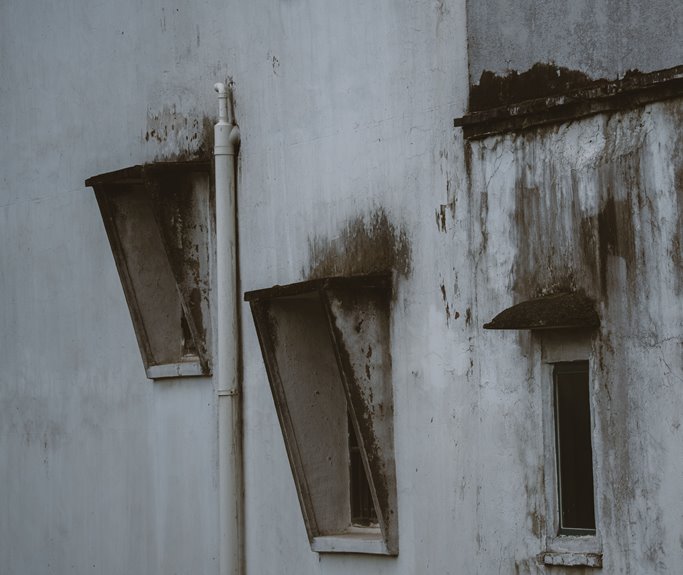
High indoor humidity often comes from everyday activities that release water vapor into the air. Cooking, showering, and drying clothes add steady moisture that gets trapped by poor ventilation. Slow leaks in plumbing or damp basements raise humidity over time. Tight, well-sealed homes can hold that moisture instead of letting it escape. Weak airflow and clogged vents prevent moisture from moving out, creating damp surfaces and foggy windows.
Why Your House Feels Humid
Whenever your house feels humid, you’re probably not imagining it, and that sticky, heavy air can make every room feel less comfortable fast.
You might notice your skin feels damp, your clothes cling, and the air just sits there. That happens whenever moisture builds up and your home can’t release it well. Even small things, like indoor plants or steam showers, can add to that trapped feeling.
Should your windows fog or the air feels warm and thick, your body often notices before you do. So you’re not being picky. You’re sensing a real change in the space around you, and that can make home feel a little less restful until the air moves better.
Common Sources of Indoor Moisture
Your home can feel sticky whenever everyday things add extra moisture, like cooking, showering, laundry, and even breathing.
Sometimes, the bigger trouble comes from concealed water leaks under sinks, behind walls, or around windows, where they quietly raise humidity before you notice.
Once you spot these sources promptly, you can start drying things out and make your house feel more comfortable again.
Everyday Moisture Sources
Most of the time, a humid house starts with the little things you do every day. Whenever you cook, cooking steam rises and lingers provided you skip the fan or keep lids off pots.
Showers add even more damp air, especially whenever the bathroom door stays closed. Washing clothes indoors can do the same.
Your indoor plants also release moisture as they grow, which feels cozy but can bump up the humidity. Even drying wet towels or leaving dishes on the rack can nudge the air toward sticky.
You’re not alone in this. Small habits stack up fast, and that’s why your home can feel heavy and muggy. Fortunately, once you spot these daily sources, you can make simple changes that help everyone breathe easier.
Hidden Water Leaks
Concealed leaks can sneak up on you and keep your house feeling damp long after the faucet is off. You may spot covert seepage behind walls, under sinks, or around toilets, and that quiet drip can raise humidity fast.
Should you notice a musty smell, peeling paint, or soft drywall, trust that your home is asking for help. Check pipe corrosion near joints and valves, since rust often points to trouble before a big leak starts. Then look at the water meter whenever no one’s using water. In case it moves, you likely have a leak.
You don’t have to handle it alone, either. A plumber can find the source, fix it, and help your home feel dry, safe, and comfortable again.
How Poor Ventilation Traps Humidity
Whenever air can’t move freely through your house, moisture starts to linger instead of escaping. You might notice rooms that feel heavy, even though the temperature seems fine. That happens whenever stale air pockets form in corners, closets, and closed rooms. Without steady airflow, your home keeps recycling the same damp air, and the humidity creeps up.
Fans and open windows can help, but they work best whenever you employ them together with kitchen and bath vents. In case you have insufficient exhaust, steam from showers, cooking, and laundry stays inside far too long.
You deserve a space that feels fresh and comfortable, so check that vents run well and aren’t blocked. Small airflow fixes can make your whole home feel easier to breathe in.
Why Leaks and Damp Materials Matter
Even provided your vents are working well, concealed leaks and damp materials can still keep your house sticky and uncomfortable. You couldn’t see the source, but a slow pipe drip, a wet basement wall, or soggy drywall can feed extra moisture into the air.
That veiled water also invites material degradation, so wood softens, paint bubbles, and insulation loses strength. As these surfaces stay damp, mold proliferation can start in quiet corners and spread before you notice a smell.
You deserve a home that feels safe and calm, not one that fights you with musty air. So check under sinks, around tubs, and near appliances. Dry out wet spots fast, replace damaged materials, and seal the source. Small fixes can make your rooms feel lighter.
When Weather Raises Indoor Humidity
As soon as hot, humid air slips into your home, it can push indoor moisture up fast, especially on sticky days.
Rain can also leave extra dampness behind in walls, basements, and crawl spaces, and that moisture often lingers longer than you’d like.
Then seasonal humidity swings can make your house feel fine one week and muggy the next, which can be frustrating but usually has a clear cause.
Hot, Humid Air Infiltration
Hot, humid air can slip into your house and make it feel damp almost fast enough to be annoying. Whenever you open windows on a sticky day, that air moves right in and raises indoor moisture. Outdoor vents can do the same, especially whenever the air outside feels heavy. Even HVAC cycling can pull in warm drafts as your system turns on and off.
You might notice rooms feeling muggy, clothes not drying well, or your skin sticking a little too much to the couch. That doesn’t mean something is wrong with you or your home. It just means the air outside is winning the moment. To stay more comfortable, keep openings tight whenever weather feels heavy, and let your cooling system work steadily.
Rain-Driven Moisture Buildup
Rain can nudge your indoor humidity up faster than you’d expect, especially provided your home already has tiny leaks or weak ventilation. Whenever rain hits, you might notice damp air inside because roof runoff can push water toward gaps, and foundation seepage can wick moisture up through walls or floors. | Rain Source | How It Enters | What You Notice |
| — | — | — |
|---|---|---|
| Roof runoff | Roof edges | Ceiling spots |
| Foundation seepage | Base cracks | Musty rooms |
| Wind-driven rain | Siding gaps | Damp drafts |
| Poor gutters | Overflow paths | Wet walls |
| Concealed leaks | Tiny openings | Sticky air |
You’re not alone whenever this happens. Many homes feel clammy after storms, and that doesn’t mean you failed. It just means water found an opening. Check gutters, seal cracks, and dry wet areas quickly. That simple routine helps your home feel calmer, fresher, and more like yours again.
Seasonal Humidity Swings
As the seasons shift, your home can feel more muggy even though nothing inside has changed. Whenever warm, wet air moves in, it can slip through cracks, vents, and open doors, then linger indoors.
In cooler months, your walls and windows might collect seasonal condensation, especially whenever warm air meets cold glass. That extra moisture can make rooms feel sticky and heavy, and it often shows up in bathrooms, kitchens, and basements initially.
You might also notice different humidity patterns from one month to the next, which is normal but still annoying. To stay comfortable, watch how weather changes affect your space, run fans, and keep air moving so your home feels like it’s on your side.
Signs of Excess Indoor Humidity
Whenever indoor humidity climbs too high, your house usually gives you a few clear clues before the air starts to feel heavy.
You could notice windows that stay foggy, walls that feel damp, or spots where paint begins to peel. In closets, bathrooms, or corners behind furniture, mold growth can show up as dark specks or fuzzy patches. You might also catch musty odors that linger even after you clean. That smell often tells you moisture is hanging around.
Your skin and bedding can feel sticky too, and paper, wood, or fabric could start to warp. These signs often travel together, so once one appears, the others could soon follow. Paying attention helps you understand what your home is telling you and makes it easier to feel comfortable again.
How to Lower Humidity in Your House
Start with the easiest fixes, because small changes can make your home feel much lighter fast. Open windows whenever outdoor air feels drier, and run bathroom and kitchen fans during and after steam-heavy tasks.
Then, keep lids on pots and cover long showers to cut extra moisture at the source. You can also move damp clothes outside or to a vented area instead of letting them dry indoors.
For steady help, choose smart dehumidifier placement near the dampest room, but leave space around it so air can move. Next, use ventilation zoning so you target the rooms that feel sticky most often. That way, you help everyone breathe easier, and your home starts to feel more comfortable, calm, and welcoming.
Fixes for Chronic Humidity Problems
Should your house remain humid day after day, you may require bigger fixes than open windows and fans. You’re not alone, and you can get ahead of it with the right steps.
| Fix | Helps | Best spot |
|---|---|---|
| basement dehumidification | pulls heavy moisture | below-grade rooms |
| HVAC balancing | moves air evenly | whole house |
| Seal leaks | blocks damp air | gaps and joints |
Start with basement dehumidification in case your lower level feels sticky or smells musty. Then check HVAC balancing so air reaches every room instead of pooling in one place. Next, seal crawlspace or attic leaks, because outside moisture loves easy entry. These changes work together, so your home feels steadier and more comfortable. Should you tackle the source, you help your house join the dry side of the neighborhood, and that’s a win you can feel.
When to Call a Pro About Humidity
Should the air in your home stays damp even after you’ve tried the usual fixes, it’s time to call a pro before the problem grows legs and moves in. You’re not failing; some moisture problems need expert eyes.
A pro can check concealed leaks, weak ventilation, and insulation gaps that keep your rooms sticky. They can also place humidity sensors in the right spots so you know what’s really happening, not just what you feel.
Should one area needs extra help, a ductless dehumidifier might fit better than a one size solution. Whenever mold keeps coming back, drywall feels soft, or windows sweat daily, don’t wait.
You deserve a home that feels healthy, steady, and comfortable, and the right help can get you there.
Frequently Asked Questions
Can Houseplants Make Indoor Humidity Worse?
Yes, your houseplants can raise humidity a bit through plant transpiration and soil evaporation, especially if you water often. You are not alone; a few plants usually will not cause trouble, but many clustered together could make a noticeable difference.
Does Running a Dishwasher Increase Humidity?
Yes, you do add moisture while you run your dishwasher: dishwasher steam rises, cycle ventilation might release it, and your kitchen feels damper, warmer, and more comfortable whenever you are sharing meals and routines.
Why Does Humidity Spike Overnight?
Humidity often spikes overnight because your home cools, which traps moisture. Your breathing adds overnight respiration, and nighttime condensation forms on surfaces. You are not alone; many households notice this pattern, especially as windows stay closed and airflow drops.
Can Carpets Hold Moisture and Raise Humidity?
Yes, your carpets can hold moisture and raise humidity, especially whenever fiber moisture lingers or pad saturation happens. You’re not alone; damp carpets quietly release water back into your air, making rooms feel clammy.
Do Dehumidifiers Help in Every Room?
Not every room; portable dehumidifiers work best where moisture lingers. I once moved mine from a basement to a bedroom, and the air felt lighter. You will want targeted basement solutions, not one fix everywhere.