A clean toilet can turn rusty quickly because iron is leaving orange-brown deposits on porcelain. Iron comes from well water, aging municipal supply pipes, or corroding metal parts inside the tank. Hard water minerals accelerate stain buildup and make removal harder. Regular flush components like bolts, screws, and the fill valve commonly corrode and shed particles. Finding the true source—water supply or internal tank parts—stops stains from returning.
Main Causes of Rust Stains in Toilets
Rust stains in toilets usually start once iron in the water or plumbing meets air and moisture, then slowly leaves behind that orange-brown mark you keep spotting in the bowl.
You might notice it more whenever old pipes shed metal particles or whenever metal leaching adds extra iron to the flow.
Sometimes iron bacteria also join in, and they feed on iron while making slimy buildup that clings inside the tank and bowl.
Because these causes work together, the stain can return even after you scrub it away.
Once you understand this, you’re not just chasing a mess, you’re seeing what’s behind it.
That makes it easier to care for your bathroom and feel a little more in control.
Signs Your Toilet Has a Rust Problem
Suppose you see reddish-brown stains in your toilet bowl, that’s often one of the initial signs that rust is building up somewhere in the water or tank.
You may also notice a recurring orange ring that comes back even after cleaning, and that can feel frustrating.
Whenever those marks keep showing up, your toilet is likely telling you there’s a rust problem that needs attention.
Reddish-Brown Bowl Stains
A few reddish-brown streaks in your toilet bowl can be a clear clue that rust is showing up in your water or in the toilet parts themselves.
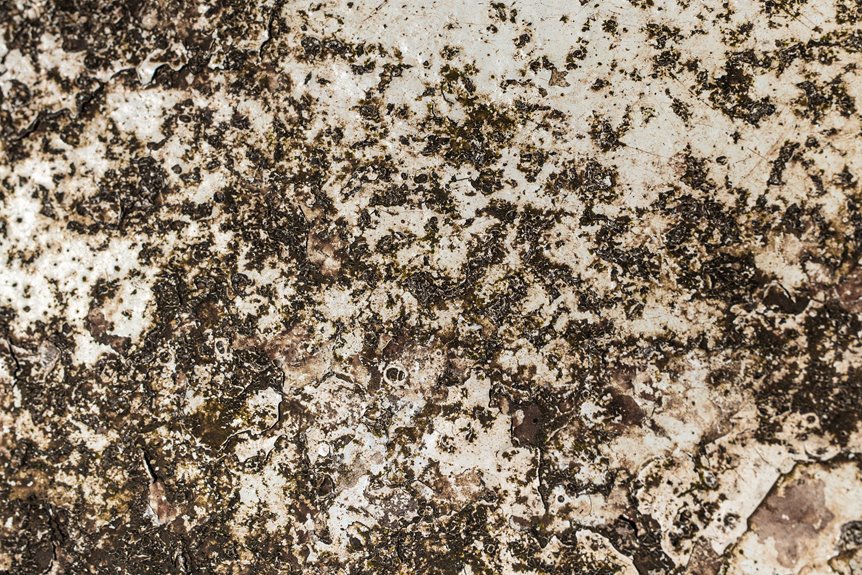
You could notice vivid discoloration that clings to the porcelain and leaves a dirty, uneasy look.
Whenever the stain feels rough or dull, surface etching may have started, which gives rust more places to settle. This can make your toilet seem worn even when you clean it often.
You’re not imagining it, and you’re not alone. Many homes deal with this same issue, especially whenever metal parts inside the tank begin to deteriorate.
Recurrent Orange Ring
More often than not, a recurrent orange ring is one of the clearest signs that your toilet has a rust problem, and it can feel frustrating whenever that band keeps coming back no matter how well you scrub. You’re not alone, and this issue usually points to iron in the water or corroding parts inside the tank. That matters for plumbing aesthetics because the stain can make an otherwise clean bathroom look neglected.
| Clue | What it suggests |
|---|---|
| Orange band returns fast | Ongoing rust source |
| Scrubbing barely helps | Deep mineral buildup |
| Tank water looks tinted | Iron or metal corrosion |
| Ring sits at waterline | Constant exposure |
| Ring removal fails often | Bigger plumbing issue |
Iron in Water
Should your water contains a lot of iron, you might notice orange mineral deposits building up in your toilet.
That iron-rich water supply can leave stains as it moves through the bowl, and oxidation turns those marks into the rust-like color you see.
Even though the toilet itself isn’t rusting, the water can still continue feeding those stubborn stains.
Iron-Rich Water Supply
Whenever your water carries a lot of iron, your toilet can end up with rusty orange, brown, or reddish stains that seem to come back no matter how often you scrub. In case you live on groundwater iron, you’re not alone, and your home can still feel clean. The same minerals can ride in through a well pump and settle in the bowl, leaving you frustrated and embarrassed.
| Sign | What it means |
|---|---|
| Frequent staining | Iron keeps entering your water |
| Brown rings | Iron settles on porcelain |
| Metallic taste | Your supply could be iron-rich |
| Reappearing marks | The source keeps feeding them |
Orange Mineral Deposits
Orange mineral deposits often show up once iron in your water meets air and settles inside the toilet bowl, leaving behind those stubborn rust-colored streaks you keep wiping away.
You’re not doing anything wrong, and you’re not alone.
This orange precipitate forms when dissolved iron drops out and clings to porcelain, especially where water sits longer.
Over time, that mineral buildup can layer into rough patches that grab more color and make the bowl look worse than it is.
Should you notice the stain returning fast after cleaning, your water could be feeding it again.
Fortunately, you can spot this pattern ahead of time, which helps you understand the source and feel more in control whenever the mess keeps coming back.
Staining From Oxidation
Iron in your water can stain a toilet bowl as it reacts with air and changes form, leaving behind a rusty film that sticks hard to porcelain.
You may notice this whenever the water leaves a faint orange ring or the bowl starts to look tired between cleanings.
This is metal oxidation, and it happens whenever dissolved iron meets oxygen, then settles as a surface patina.
You’re not doing anything wrong, and plenty of homes deal with it. Still, the stain can grow fast should your water have more iron than usual.
Old Pipes and Corrosion
As pipes age, they can quietly start causing rust stains in your toilet, and that can feel frustrating provided you’ve already cleaned the bowl more than once.
With aging plumbing, metal inside old lines slowly breaks down, and pipe degradation lets rust build up in the water you use every day. You might notice the stains return even after scrubbing, which can make you feel stuck in a messy loop.
Because the corrosion happens inside the pipes, the problem often starts before water reaches the toilet. That’s why you could see a faint orange ring again and again.
In case your home has older plumbing, you’re not alone, and this issue is common. A plumber can check the pipes, find the source, and help you stop the stain cycle.
Rusty Toilet Tank Parts
Peel back the tank lid, and you could find the real source of those stubborn rust stains hiding inside your toilet.
Whenever the tank flapper starts to pit or crack, it can shed rusty flakes and leave marks in the bowl.
A worn fill valve can do the same, especially whenever metal parts inside it corrode over time.
You don’t need to panic.
You’re not alone, and this problem is common.
Check for orange buildup, rough edges, or parts that feel weak whenever you touch them.
Then replace the damaged piece before it keeps staining your bowl.
Should you spot rust around screws, chains, or clips, treat those parts too.
A clean tank helps you keep your bathroom fresh, and that little fix can make your whole space feel cared for.
How Hard Water Makes Rust Stains Worse
Even although you’ve already replaced worn tank parts, hard water can keep the trouble going through feeding those rust stains more mineral buildup to cling to.
You might notice the bowl turning orange again because dissolved calcium and magnesium team up with iron in the water. That mix speeds up scale formation, and the rough surface gives rust a place to settle.
Whenever water sits in the tank or bowl, the minerals dry into a crust, and the stain grows darker with each flush.
You’re not contending with bad luck here; you’re seeing water chemistry at work. Should your home have hard water, the stains can feel stubborn and unfair, but they make sense. The more mineral-rich the water, the faster rust marks can return and stick around.
How to Prevent Rust Stains in Toilets
Preventing rust stains in your toilet starts with stopping the problem before it gets a chance to settle in. You can do that with a few steady habits that keep your bathroom feeling cared for and clean.
- Check for leaks and fix them fast, since standing water feeds rust.
- Clean mineral buildup weekly with a gentle cleaner so stains don’t grab hold.
- Use fixture coatings on metal parts to slow corrosion and protect the finish.
- Schedule regular inspections so you catch worn bolts, flakes, or brown rings sooner.
When you stay on top of these small jobs, you protect your toilet and your peace of mind. A little attention now helps you avoid that ugly orange surprise later.
Frequently Asked Questions
Can Rust Stains Harm My Toilet’s Porcelain?
Usually you’re fine; rust stains rarely harm your toilet’s porcelain, though metal leaching and surface porosity can let stains cling. You can clean them gently, and you will keep your bowl looking welcoming and strong.
Do Toilet Cleaners Remove Rust Permanently?
No, you usually do not remove rust permanently; you just clean the stain. You will need repeated treatments, good metal removal from your water source, and to check chemical compatibility so you do not damage your toilet.
Are Rust Stains Different From Mineral Deposits?
Yes. Rust stains and mineral deposits aren’t the same. Rust comes from oxidation chemistry, while mineral buildup reflects water quality. You’ll spot both, but you’re not alone: each needs a different cleaner and strategy.
Can a Septic System Cause Rust-Like Toilet Stains?
Yes, your septic system can cause rust like toilet stains. Septic corrosion and anaerobic bacteria can release iron compounds and dark residue, so you are not alone; this happens often and usually needs inspection.
When Should I Replace a Rusted Toilet Tank Bolt?
Replace it once you spot corrosion progression, leaks, or weakened threads. About one in five toilets needs hardware attention eventually. During bolt inspection you will know the replacement timing better and you are not alone handling it.