Your house can feel colder than the thermostat reads because heat escapes through gaps around doors, windows, and ductwork. Thin or missing insulation lets warmth leak out and cold surfaces pull heat from the air. Poor airflow from blocked vents or a weak fan prevents warm air from reaching every room. A thermostat placed near drafts, sunlight, or on an exterior wall can report the wrong temperature. Low indoor humidity also makes the air feel colder and reduces comfort.
Why Your House Feels Colder Than 72 Degrees?
Even though your thermostat says 72 degrees, your house can still feel chilly because comfort is about more than the number on the wall. You notice this whenever drafts, cool floors, or shaded rooms change your temperature perception. Your body also plays a role. Should your metabolic rate runs low, you might feel colder even in a properly heated space. That’s why one person grabs a sweater while another is fine in a T-shirt.
Surface temperatures matter too, so walls, windows, and furniture can pull warmth from you faster than the air warms you back. Humidity can shift how cozy you feel, and still air can make a room seem less welcoming. Whenever these factors stack up, 72 can feel like 68, and you’re not imagining it.
Drafts That Make Rooms Feel Cooler
Drafts can sneak in and steal the warmth right out of a room, which is why your house could feel colder than the thermostat says. You’re not imagining it, and you’re not alone. A small gap can make you feel chilled fast, especially near doors and windows. Check these spots initially:
| Spot | What You Could Feel | Quick Clue |
|---|---|---|
| Window seals | Cool air near glass | A hand test feels breey |
| Cold curtains | Cooler air by seats | Fabric moves without wind |
| Door edges | Sudden chill at entry | Light shows through gaps |
When you find the draft, you can fix it and feel more at ease at home. Simple checks help you keep your space cozy and welcoming.
Poor Insulation That Lets Heat Escape
Poor insulation can let heat slip right through your walls, so even a warm thermostat setting won’t keep every room comfortable.
You could also feel chilly air sneaking in around windows, doors, and other openings, which makes your heater work harder.
Over time, gaps and settled insulation can leave concealed weak spots that quietly drain warmth from your home.
Heat Loss Through Walls
In case your house feels chilly even though the thermostat says it should be warm, the walls could be letting heat slip right out. Whenever insulation sits thin, compressed, or missing, your rooms lose warmth fast. You might notice one wall feels colder, and that’s often because thermal bridging moves heat through studs, corners, and other solid parts.
In homes with brick or stone, masonry conductivity can pull warmth away even more. That’s why the same thermostat reading can still leave you reaching for a sweater. You can help through adding better wall insulation, sealing gaps inside wall cavities, and using insulated panels where needed. With stronger walls, your home feels steadier, cozier, and more like the place you want to relax in.
Drafts Around Openings
Even though your walls hold heat fairly well, tiny gaps around doors, windows, attic hatches, and other openings can still let warm air slip away and cold air sneak in.
You might feel that chill most near door thresholds or along a loose window sash, even though the thermostat says the room should feel cozy.
That’s frustrating, but you’re not imagining it.
- Check for daylight around frames and edges.
- Feel for moving air on a windy day.
- Seal small leaks with weatherstripping or caulk.
After you close these openings, you help your home hold steady warmth and feel more welcoming.
You also make each room feel calmer, so you can relax instead of hunting for a blanket.
Small fixes like these can make a big difference fast.
Insulation Gaps And Settling
Should your home still feel chilly after the heat kicks on, the problem could be hiding inside the walls or attic. Whenever insulation has gaps, shifts, or settles over time, warm air slips away before it can reach you.
You might feel that cold spot near one room, while another stays fine. That uneven comfort often points to settling insulation or thermal bridging, where wood or metal parts let heat move out faster.
You’re not stuck with this, either. A careful inspection can show missing batts, compressed insulation, or thin areas around joists and corners. Once you find those trouble spots, you can seal them and add more coverage. That helps your home hold warmth better, so you feel more settled too.
Uneven Airflow That Creates Hot and Cold Spots
Whenever warm air doesn’t move the way it should, your home can quickly turn into a patchwork of hot and cold spots.
You might feel cozy in one room and chilly in the next, even once the thermostat says everything is fine.
Uneven vents can block airflow, while poor room pressurization pulls comfort away from spaces where you need it most.
To help balance things out, check these areas:
- Make sure supply vents stay open and clear.
- Keep return vents free of furniture and dust.
- Ask a pro to assess airflow across rooms.
Whenever you fix these small problems, you help your home share warmth more evenly.
That can make every room feel like it belongs to the same comfortable place.
How Humidity Makes a House Feel Colder
Whenever the air in your home is too dry, you can feel colder even though the thermostat says the room is warm.
Dry air lets heat leave your skin faster, so that drafty feeling shows up sooner.
Whenever humidity stays at a healthy level, your home holds warmth better and you feel more comfortable.
Dry Air Increases Chill
Dry air can make your house feel colder than the thermostat says because your body loses heat faster in low humidity. Whenever the air feels dry, your skin evaporation speeds up, and you notice that same indoor space feels brisker on your face and hands.
You’re not imagining it; your body is reading the room too.
- Dry air pulls moisture from your skin.
- That extra skin evaporation can make you feel chilly.
- You might reach for a sweater even whenever the heat is on.
If you’ve ever joined family or friends in one room and still felt that bite, low humidity could be the reason.
It can make comfort harder to reach, especially near vents or drafty spots, so you stay cozy.
Humidity Retains Warmth
Adding moisture to the air can help your home hold warmth better, but too much humidity can also make a room feel heavy and uncomfortable. Whenever the air has more moisture, it slows heat loss from your skin and walls. That gives you some thermal buffering, so the room might stay warmer longer. But high humidity can also blur your body’s cooling signals, so you could feel clammy instead of cozy.
Should your home already feel cool, damp air can make the chill seem more noticeable because moisture retention changes how heat moves around you. You want a balanced level, where the air feels soft, not sticky. Then your space feels inviting, and you can relax with less of that cold, drafty edge.
Thermostat Placement That Gives Bad Readings
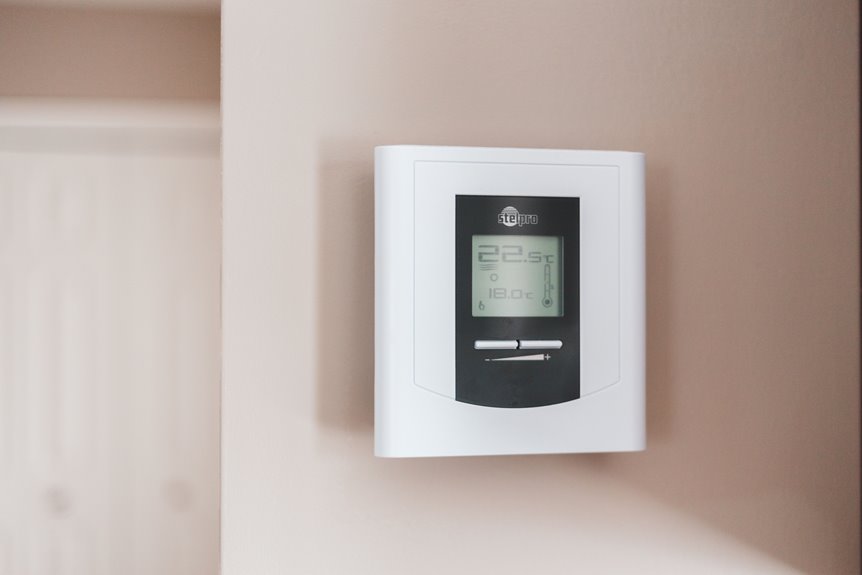
Provided your thermostat sits in the wrong spot, it can fool your whole heating and cooling system and leave you feeling chilly even though the display says the house should be warm. You’re not imagining it, either. A bad Sensor location can make the reading drift from the comfort you feel nearby.
In the event it’s close to a lamp, sunny wall, or drafty hall, the number can jump around fast. Radiant interference from appliances or direct sunlight can warm the sensor while your room still feels cool.
- Place it on an inside wall.
- Keep it away from vents, windows, and sunlight.
- Let it sit where your family actually spends time.
When you fix the placement, you help the system match your daily comfort, and that makes your home feel more like yours.
Common Air Leaks Around the House
Next, let’s track down the sneaky air leaks that can make your house feel colder than it should. You may feel a chill near attic penetration points, where wires and pipes slip through gaps.
Check window flashing too, since broken seals let cold air creep in around the frame. Don’t forget door thresholds, because tiny cracks there can act like little invitations for winter to come inside.
At the basement rimjoist, outside air often sneaks through concealed seams and makes rooms above feel drafty. As you seal these spots, your home can feel calmer and more welcoming. You deserve that cozy, tucked-in feeling, and fixing leaks helps your house hold onto warmth better, without making you chase comfort room after room.
How to Warm Cold Floors and Walls
Cold floors and chilly walls can make a warm room feel oddly unfinished, almost like the heat is hiding instead of helping.
You can change that with small, cozy upgrades that help your space hold warmth better.
Start with 1. thermal rugs in spots where your feet land most. 2. Add radiant mats under tile or laminate for steady, gentle heat. 3. Hang thick curtains or wall fabric to soften cold surfaces.
Whenever you layer warmth this way, your home feels more inviting and lived in.
You’re not just chasing comfort, you’re building it room by room.
Should the chill lingers, move furniture away from outside walls so warm air can reach them. That little shift can make your space feel friendlier fast.
Signs Your Heating System Needs Repair
Should your home still feel chilly even though the thermostat says it should be warm, your heating system could be sending you a quiet warning. You might notice weak airflow, uneven heat, or rooms that never quite catch up.
In case the pilot light keeps going out, or the flame looks weak and yellow, that’s a red flag. Strange noises, short cycling, or a blower motor that runs too long can also point to trouble.
You might even smell something odd whenever the furnace starts. These signs can feel frustrating, but you’re not stuck guessing.
Once you catch them promptly, you give your system a better chance to stay safe, steady, and ready to keep your home comfortable with less stress for everyone inside.
Frequently Asked Questions
Why Does My House Feel Colder at Night?
Your house feels colder at night because nighttime heat loss increases through windows, walls, and drafts, and bedroom thermostat placement might miss the chill. You can cozy up with curtains, weather stripping, and warmer bedding tonight.
Can Ceiling Fans Make Rooms Feel Colder?
Yes, ceiling fans can make rooms feel colder by enhancing airflow circulation and creating a windchill effect on your skin. You’ll feel more comfortable if you adjust the fan direction or speed to match the season.
Why Do Some Rooms Warm up Faster Than Others?
Some rooms warm faster because you have uneven insulation, duct leakage, and other factors that let heat reach them sooner; you are not alone—drafty, sunlit, and smaller spaces can feel downright time-travel cozy.
Does Wearing Slippers Help Reduce Cold Floor Discomfort?
Yes, wearing insulating slippers can help you feel warmer on cold floors, and thermal socks add extra comfort. You will notice less chill, so your home feels cozier and more inviting as you move around.
How Often Should I Replace My Furnace Filter?
You should replace your furnace filter every 1 to 3 months, depending on use and filter type. Regular filter replacement supports better air quality, helping you and your home feel comfortable, cozy, and cared for.