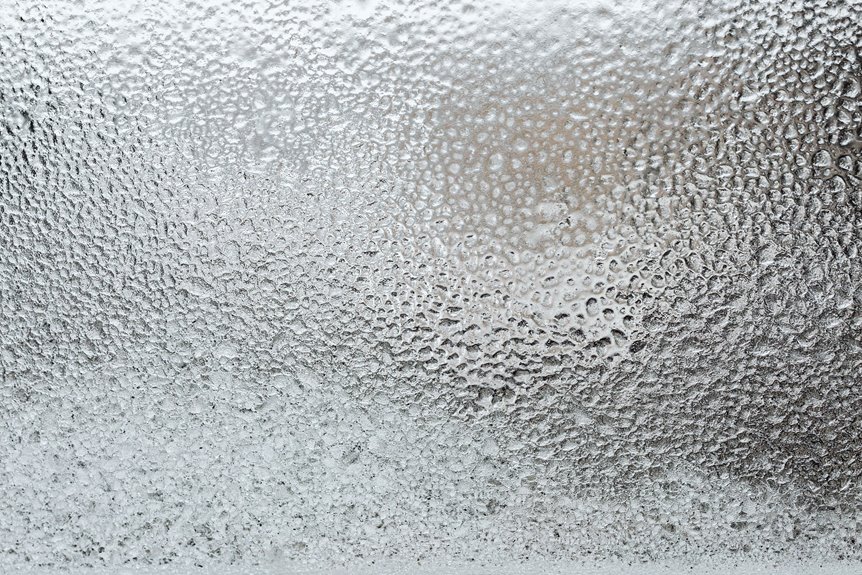
Freezer frosting happens when warm, moist air enters and freezes on cold surfaces. Common causes include a worn door gasket, blocked air vents, overloaded shelves, or a failing defrost system. Frost builds up faster with frequent door openings or high kitchen humidity. Fixing the gasket, clearing vents, organizing food, and checking the defrost cycle usually stops the problem. Start by inspecting the door seal and vent areas to pinpoint the source.
Why Is Your Freezer Frosting Up?
Provided your freezer keeps frosting up, it usually means warm, moist air is getting inside and turning into ice on the cold walls, shelves, or food.
You’re not doing anything wrong; this issue often starts whenever airflow gets trapped. In case food blocks vents, cold air can’t move well, and humidity buildup spreads through the compartment.
Then tiny ice crystals start to gather fast, almost like your freezer is wearing a winter coat it never asked for.
You can help it because spreading items out, keeping vents clear, and checking that packages stay dry.
Also, open the door less often whenever you can. Small changes like these cut the moisture load and let your freezer work the way it should, so you get calmer storage and less frosty mess.
Check the Door Seal for Leaks
A worn or loose door seal can let warm air slip in, and that extra moisture turns into frost almost right away. Whenever you check the door gasket, you’re protecting your freezer and your peace of mind. Run your hand around the edge to feel for an air leak, and look for cracks, gaps, or sticky spots. In case the seal feels weak, close a dollar bill in the door and tug it gently. It should hold snugly.
| Check | What you want |
|---|---|
| Gasket edge | Flat, clean, flexible |
| Door closing | Tight, even pressure |
Should the seal look dirty, wipe it with warm soapy water and dry it well. A better seal helps you keep food safe and your freezer working like it should.
Stop Warm Air From Getting in
Now that you’ve checked the seal, look at the small ways warm air could still sneak inside. You can help through opening the freezer less often and closing it fully each time. Keep food organized so you don’t stand there searching with the door open.
Suppose you pack items too tightly, you block airflow management and trap pockets of warm air, so leave a little space around vents. Also, let hot leftovers cool before you store them, because steam raises humidity control challenges fast. Wipe spills right away, since moisture turns to frost quickly.
Whenever you move groceries in, do it in one smooth trip instead of several. These simple habits help you feel in control, and they give your freezer a calmer, drier environment.
Set the Freezer to the Right Temperature
You want your freezer set near 0°F, because that’s the sweet spot for keeping food solid and cutting down on frost.
Should the temperature keep swinging, moisture can build up fast, so check for a thermostat that’s set too low or a unit that’s working harder than it should.
A small adjustment can make a big difference, and your freezer might settle down before frost gets a chance to spread.
Ideal Freezer Temperature
Set your freezer to 0°F, because that’s the sweet spot for keeping food safe and limiting frost buildup. At this mark, you protect food safety and support energy efficiency, so your freezer doesn’t have to work harder than it should.
You’ll also help your meals stay in better shape, which feels good when you reach for dinner later. A steady 0°F gives you a simple target you can trust. Should your freezer feel too warm, food can soften. Were it too cold, you might waste extra power. So, check the setting now and then, and keep it close to 0°F. That small habit helps your freezer stay on your side, and it makes your kitchen feel more under control.
Temperature Fluctuation Causes
Even a small swing in temperature can make frost creep in faster than you’d expect. Whenever your freezer warms and cools again, moisture slips in and freezes on the walls, shelves, and food packages. You’re not alone provided this feels frustrating; it happens to many households.
- Opening the door often lets warm, damp air rush in.
- A stuffed freezer blocks airflow, so cold air doesn’t spread evenly.
- Warm leftovers add heat and trigger more thermostat cycling.
- Power dips or a loose seal can cause temperature swings.
Keep your freezer set to the right temperature, and check that food has room around it. That steady chill helps your freezer work with you, not against you, and keeps frost from building up so fast.
Adjusting The Thermostat
Twist the thermostat a little, and your freezer can start working more steadily again. You don’t need to guess or panic. Start by checking the temperature dial and aim for 0°F, or about -18°C. Should the setting be too cold, frost can build fast. Were the setting too warm, food could soften and refreeze in messy layers.
Make one small change, then give the freezer a full day to settle. Were frost still to show up, thermostat calibration could be off, so the reading you see wouldn’t match the real temperature. In that case, use a simple appliance thermometer to compare. You’re not alone here, and a calm adjustment often makes a big difference. A steady setting helps your freezer stay friendlier, cleaner, and easier to trust.
Clear a Blocked Defrost Drain
Provided your freezer keeps building frost, a blocked defrost drain could be the reason, and it’s often easier to fix than it looks. You’re not alone here, and a quick drain inspection can save you stress. To begin, pull the freezer away from the wall and look for pooled water or ice near the back. Then use a cleaning siphon or warm water to clear the tube. Should you feel resistance, pause and let the ice soften. After that, check the drain pan below for debris.
- Disconnect the freezer.
- Remove food and shelves if necessary.
- Flush the drain gently.
- Wipe away standing water.
As you work, take your time and trust your hands. A clear drain helps your freezer breathe again, and that feels good.
Limit How Often You Open the Door
Every time you open the freezer door, warm air rushes in and adds moisture that can turn into frost fast. Should you be able to, limit access so only the people who need it open it. That small habit helps the cold stay steady and keeps ice from building up.
Try to decide what you want before you reach for the handle, then open it once and close it right away. You can also organize the freezer so your go-to items sit near the front, which helps minimize interruptions during busy moments.
Whenever your family knows the plan, they’re less likely to linger with the door wide open. A quick peek could feel harmless, but your freezer notices. With fewer door swings, you protect the seal, save energy, and keep frost from getting a welcome mat.
Avoid Food Storage Mistakes
Tight, sealed containers help keep moist air out, so make sure lids snap on and bags close fully.
You should also leave a little space between items so cold air can move around them easily.
Whenever you pack food too tightly or leave packages open, your freezer has a harder time staying dry.
Proper Container Sealing
Food can sneak trouble into your freezer provided containers don’t seal the way they should. Whenever you pack leftovers, choose airtight lids so cold air stays outside and moisture stays in.
In case you want extra protection, try vacuum sealing for meats, soups, and sauces. It helps your food stay tidy, and your freezer can breathe easier too.
- Check lids before you store anything.
- Press down to confirm a tight fit.
- Use bags made for freezing.
- Replace cracked containers fast.
Also, wipe rims clean before closing them, because crumbs can break the seal. You’re building a freezer that works alongside you, not against you, and that small habit helps your food keep its shape, flavor, and comfort.
Leave Room For Airflow
Whenever you pack your freezer too tightly, cold air can’t move the way it should, and that trapped air often leads to frost building up in the corners and around your food.
You can help your freezer breathe by keeping airflow pathways open between boxes, bags, and bins. Leave a little space near the back wall and sides so chilled air can circulate freely. This simple habit gives you better cooling and less icy buildup, which feels like a small win every time you open the door.
Also, keep taller items from blocking vents, because they need ventilation clearance to do their job.
Whenever you arrange food with a bit of order, you protect your groceries and make your freezer feel calmer, cleaner, and easier to use.
When the Defrost System Fails
As soon as the defrost system fails, ice can start building up fast, and that’s a sign your freezer isn’t getting rid of moisture the way it should. You’re not alone in this, and the fix often starts with checking the parts that manage melt cycles. A bad defrost timer can leave frost to linger, while a weak evaporator heater won’t warm the coils enough to clear ice.
Once that occurs, airflow drops and your food might feel less protected.
- Listen for unusual silence or nonstop running.
- Look for thick frost on the back wall.
- Check whether cooling feels uneven.
- Watch for melting and refreezing around the coil area.
Should you catch these signs sooner, you can act before the buildup takes over.
How to Remove Frost Safely
Before you start scraping, unplug the freezer and let the frost loosen a bit so you can work safely and avoid damaging the liner. Then use manual defrosting techniques that feel steady, not rushed. Put towels in front, keep a bowl nearby, and choose a plastic tool for ice scraper safety. Work from the edges, lifting thin layers instead of chiseling hard.
| Tool | Use | Care |
|---|---|---|
| Plastic scraper | Lift frost | Gentle pressure |
| Towels | Catch melt | Replace often |
| Bowl | Hold chunks | Stay nearby |
| Soft cloth | Wipe surfaces | Avoid grit |
| Warm water | Loosen frost | Use sparingly |
If a thick patch stays stuck, pause and let it soften more. You’ve got this, and a calm pace keeps the job safer and easier.
Prevent Freezer Frost From Coming Back
To keep frost from coming back, start upon sealing any gaps around the freezer door so warm air can’t slip in.
Next, try to open the door less often and close it quickly whenever you do.
Also, set the temperature to the right level so your freezer stays cold without working too hard.
Seal Gaps Tight
Cold air leaking out is often the real reason frost keeps coming back, and tiny gaps around the freezer door can make that happen fast. You can stop that cycle with a careful rubber inspection and solid gap sealing, and you’ll feel more in control right away.
Start here:
- Wipe the door edge clean so you can see the seal clearly.
- Run your fingers along the rubber and feel for cracks, stiffness, or spots that lift.
- Press the gasket into place, then seal loose areas with freezer-safe tape or a replacement strip.
- Close the door on a thin bill; should it slide out too easily, the fit still needs work.
When you tighten those spots, you help your freezer hold steady and keep frost from sneaking back.
Control Door Openings
Even a well-sealed freezer can frost up again provided the door gets opened too often or left ajar, so it helps to watch those small habits closely. You can cut frost by opening the door only when you need to, then closing it firmly before cold air slips out. Should you grab several items, group them initially so you spend less time standing there. Keep the seal clear, and check for door dampening from sticky spills or loose bags that block a full close. Were the door to feel heavy or swing unevenly, a simple hinge adjustment might help it meet the frame better. | Habit | Result | Feel |
| — | — | — |
|---|---|---|
| Quick open | Less moisture | Relief |
| Firm close | Better seal | Confidence |
| Clear path | Easy shut | Belonging |
Set Proper Temperature
Set the freezer to the right temperature so frost doesn’t keep sneaking back in. Keep it at 0°F, and you’ll give moisture fewer chances to freeze on the walls.
In case your dial seems off, do a quick temperature calibration with a trusted fridge thermometer. That small check helps you and your freezer stay on the same team.
- Place the thermometer in the center for a few hours.
- Adjust the setting slowly, then recheck it.
- Keep an eye on ambient humidity, since damp rooms can raise frost risk.
- Avoid extra-cold settings unless food needs them.
When you set the right level, your freezer works more smoothly, and you feel less stuck handling icy buildup.
Frequently Asked Questions
Can Frost Cause Freezer Food to Taste Different?
Yes, frost can make your freezer food taste different. You will get temperature transfer and moisture changes that encourage flavor absorption from nearby items, so your food might seem bland, stale, or oddly icy.
Does a Frosty Freezer Use More Electricity?
Yes, a frosty freezer usually uses more electricity because you lose energy efficiency and it creates an increased draw on the compressor. You’ll fit right in by defrosting it and keeping seals tight.
How Long Does Freezer Frost Removal Usually Take?
Usually, you’ll spend 4 to 12 hours on freezer frost removal — slow patience, then quick cleanup. Your defrost timing depends on buildup, and thaw guidance helps you finish safely, so you’ll feel right at home again.
Is Manual Defrost Better Than Frost-Free Models?
You’ll often prefer frost free models for convenience, but manual defrost can save energy and give you more control. If you don’t mind manual maintenance, you’ll enjoy lower costs and a snug, well managed freezer.
Can Freezer Frost Damage the Compressor?
Yes, freezer frost can damage the compressor, friend. Heavy frost blocks airflow, increases compressor strain, and disrupts refrigerant cycling, making your unit work harder. Like a cracked sundial, it will wear down provided you ignore it.