Pipes freeze when surrounding temperatures drop faster than heat reaches them. Cold air removes heat from pipes, turning standing water into ice that blocks flow. Metal pipes lose heat quickly, and poor insulation speeds the process. Pipes in unheated or exterior walls and drafty spaces face the highest risk. Low or stopped water flow allows ice to form and expand, cracking pipes and causing leaks.
What Makes Pipes Freeze?
As the temperature drops fast, the water inside your pipes can lose heat quicker than the pipe can protect it. If that happens, freezing starts inside the line, and you might feel stuck with a problem nobody wants.
You need enough moving water to keep warmth in place, because insufficient flow lets cold settle and slow the water down. At the same time, cold air pulls more heat away whenever ambient humidity is low, so the pipe can cool even faster.
You’re not imagining it, either; small gaps, unheated spaces, and long cold spells all work together. Whenever these conditions line up, ice forms, pressure builds, and your pipe could split. That’s why staying aware helps you feel prepared and part of the fix.
Which Pipes Freeze First in a Home
The pipes that freeze initially are usually the ones you barely notice until they cause trouble. In your home, small, concealed lines in unheated spots often freeze before the rest, and that can feel frustrating. You’re not alone in this; many homes share the same weak points.
- attic plumbing near cold air
- crawlspace valves with thin cover
- pipes in cabinets with little heat
- lines adjacent to garage storage spaces
- short runs with slow water flow
These areas lose warmth fast, so they need your attention originally. Whenever you check them ahead of time, you give your home a better chance to stay safe. A little care now can save you stress later, and that’s a win you can feel good about.
Why Exterior Walls Freeze Faster
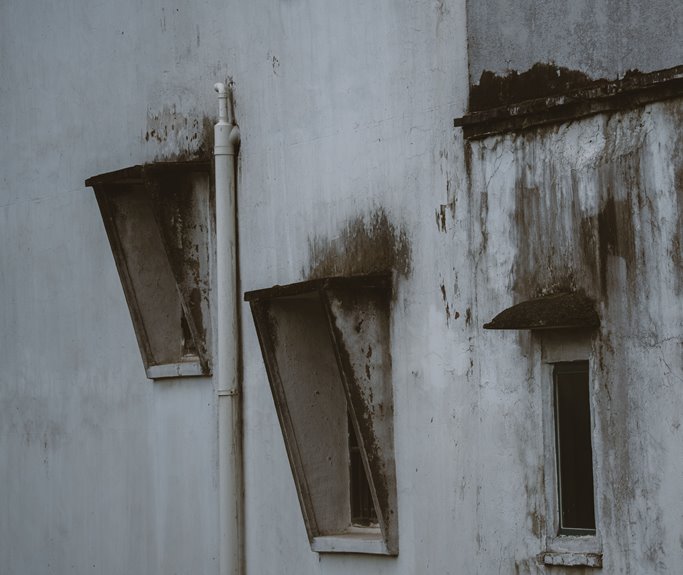
Whenever cold air presses against an outside wall, the pipes inside that wall lose heat much faster than pipes in the middle of your home. That’s because the wall itself sits closer to the weather, so it can’t hold warmth as well. You notice that difference in rooms with cold siding and under shaded eaves, where sunlight doesn’t help much.
| Wall area | Heat loss | Risk |
|---|---|---|
| Corner wall | High | Greater |
| Sunny wall | Lower | Smaller |
| Shaded eaves | High | Greater |
| Cold siding | High | Greater |
| Interior wall | Low | Smaller |
How Cold Air Leaks Freeze Pipes
Cold walls can set the stage, but a small air leak often gives freezing weather the opening it needs. Whenever chilly air slips through ventilation gaps or attic vents, it moves around your pipes and steals heat fast. You can feel it as a draft, but your plumbing feels it initially.
- Check for open seams near the ceiling
- Seal gaps around pipes and wires
- Close loose attic access points
- Watch for cold spots near closets
- Listen for whistling air on windy nights
Once you block those leaks, you help your pipes stay in the warm circle your home already works hard to keep. That simple fix can make your space feel safer, calmer, and much more like home.
Why Poor Insulation Raises Freeze Risk
Poor insulation makes frozen pipes more likely because it lets indoor heat slip away before your plumbing can keep up. Whenever you seal insulation gaps, you help your home hold warmth where your pipes need it most. Even small leaks around walls, ceilings, or near attic vents can let cold air steal that heat fast.
| Area | Problem | Result |
|---|---|---|
| Walls | Thin insulation | Faster heat loss |
| Ceilings | Missing coverage | Colder pipe runs |
| Joints | Insulation gaps | Weak protection |
| Attic vents | Air intrusion | Chilly rooms below |
| Pipe wraps | Loose fit | Less warmth retained |
You don’t need a perfect house to protect your pipes. You just need steady insulation that works with you and keeps your space feeling safe, warm, and cared for.
Why Basements and Garages Are Vulnerable
Basements and garages can put your pipes at real risk because they sit in the colder parts of your home and often miss out on steady heat.
You might notice:
- chilly walls
- drafts around doors
- exposed plumbing
- a sump pump area
- nearby carbon monoxide sources
These spaces often have thin barriers, so cold air settles fast and lingers. Should you keep tools, boxes, or stored gear close to pipes, you can block warm airflow and make the spot even colder.
In a garage, a vehicle, freezer, or vented appliance can add extra stress, so your pipes need room to breathe. In a basement, open foundations and gaps can pull in outdoor air.
Whenever you check these areas with care, you help your home feel safer and more welcoming for everyone inside.
How Sudden Cold Snaps Affect Pipes
Whenever a cold snap hits fast, your pipes don’t get much time to adjust. That sudden temperature drop can make water inside them contract, then freeze and expand, which puts real stress on the pipe walls.
Should your pipes already have weak spots, that pressure can turn a small chill into a costly mess.
Rapid Temperature Drop
A sudden cold snap can catch your plumbing off guard, and that fast drop in temperature often starts the trouble.
Once rapid cooling hits, the temperature gradient between warm indoor pipes and the freezing air outside grows fast.
You might notice the chill in shared walls, crawl spaces, or basements initially.
That sudden shift can leave water moving too slowly to stay safe.
- Watch pipes near outer walls.
- Check spots with weak insulation.
- Keep cabinet doors open.
- Let warm air reach cold corners.
- Stay alert after evening drops.
You’re not alone in this.
Many homes feel this same snap, and a little attention now helps your pipes stay steady as the weather turns mean.
Pipe Stress and Expansion
Cold snaps do more than make the air sting, because they also put your pipes under stress. Whenever temperatures fall fast, your pipes shrink, then warm a bit, then shrink again. That thermal cycling keeps metal and plastic moving, and each tiny shift adds strain.
In case the pipe is older, or the fittings are loose, joint fatigue can build quickly. You mightn’t see the damage right away, but the pressure grows inside those weak spots. As the water inside cools, it can contract, then freeze and expand, which pushes even harder on the pipe walls. That’s why a sudden cold snap can turn a small weakness into a burst. You’re not alone here, and a little attention now can protect your home.
How Wind Chill Affects Outdoor Pipes
Even though the air couldn’t feel harsh, wind can pull heat away from outdoor pipes fast enough to make them freeze much sooner than you’d expect.
You’re not imagining it: wind driven air strips warmth from metal and plastic surfaces, and evaporative cooling makes damp pipes lose even more heat.
Whenever cold gusts keep moving, your pipe can’t hold onto the little warmth it has.
- Wind keeps the pipe’s surface colder.
- Gusts speed up heat loss.
- Damp spots cool faster.
- Exposed pipes feel the chill initially.
- A small draft can matter.
Why Long Pipes in Cold Areas Freeze Faster
Long pipe runs freeze faster because they give the cold many more chances to steal heat. Whenever you live with long stretches of pipe, each foot adds another spot where warmth can slip away. That’s why rural exposure can feel so tough. In open areas, the line stays in contact with cold air for longer, so it cools down more quickly.
| Factor | Effect |
|---|---|
| Longer route | More heat loss |
| Open ground | Less natural shelter |
| Deep cold | Faster freezing |
You might regard it like a team effort, except the cold is winning. Should your pipes cross barns, yards, or fields, they face the chill every step of the way. So the longer the route, the less forgiving the freeze risk becomes.
How Pipe Material Affects Freeze Risk
Your pipe material can change how fast cold moves through it, so some pipes lose heat quicker than others.
Metal pipes usually carry chill faster, while other materials resist it better and give you a little more time prior to water starts to freeze.
Even so, no pipe is fully safe in a hard freeze, and expansion tolerance matters too because brittle pipes can crack as ice builds up.
Material Conductivity
Pipe material plays a bigger role in freeze risk than many people realize, and it can make the difference between a cold snap being a small worry or a plumbing headache. You and your neighbors might notice that metal carries away heat faster because of higher thermal conductivity, while plastic stays calmer in the cold. That difference matters whenever indoor warmth dips.
- Copper cools fast.
- Steel does too.
- PEX resists heat loss.
- PVC helps slow chill.
- polymer insulations add another shield.
Expansion Tolerance
Flexibility matters as water turns to ice, because the inside of a pipe can push back only so much before trouble starts. You can consider expansion tolerance as your pipe’s wiggle room. Whenever the material bends a little, it can handle pressure during thermal cycling better.
| Pipe material | Freeze risk |
|---|---|
| Copper | Higher |
| PVC | Lower |
| PEX | Lowest |
| Steel | Middle |
With bigger expansion allowances, you give ice more space to grow without cracking the line. That’s why your home can feel safer with tubing that flexes instead of fights back. In case your pipes are rigid, even a small freeze can stress joints fast. So, whenever you choose or inspect pipe material, you’re really choosing how kindly it handles winter’s squeeze.
Why Low Water Pressure Raises Freeze Risk
Low water pressure can quietly make frozen pipes more likely because moving water fights cold better than still water does.
Whenever you notice low pressure, you often also notice reduced flow, and that slower movement gives ice a better chance to build inside the pipe.
You’re not imagining it, and you’re not alone.
The water can linger longer in cold spots, so the chill has more time to work.
- Cold air can reach the pipe faster.
- Water stays in place longer.
- Ice starts with a tiny blockage.
- Pressure drops even more after that.
- Your whole line feels stressed.
How Dripping Faucets Help Pipes
A slow drip can actually help protect your pipes because it keeps water moving just enough to make freezing harder. Whenever cold air settles around a pipe, that small flow can ease pressure on the same chilly spot. You don’t need to flood the line, just let the water stay active.
Should you worry about forgetting, a faucet timer can do the job for you, so you can rest easier on icy nights. You can also keep the cabinet door open and let warm air reach the pipe.
That way, you and your home team stay one step ahead of winter’s bite. It’s a simple habit, but it can make your whole house feel a little safer.
Why Frozen Pipes Burst
Whenever water freezes inside your pipe, it expands and pushes hard against the walls, and that pressure can crack the pipe fast.
Weak joints usually give way initially, especially where the pipe already has tiny stress spots or old wear.
In case ice blocks the water in one section, the trapped pressure has nowhere to go, so the pipe can burst.
Ice Expansion Pressure
Ice does more than sit quietly inside a pipe. When water turns solid, it expands and pushes outward with force. That force creates ice wedging and pressure buildup, and your pipe feels it fast. You may suppose the ice has room, but it often traps the water still inside. As the frozen plug grows, the pressure rises and spreads along the line.
- You feel the stress even assuming the pipe looks fine.
- The water behind the ice has nowhere to go.
- Cold days make that squeeze worse.
- Tiny shifts in ice can drive big pressure.
- Your home’s plumbing becomes the place that takes the hit.
Weak Pipe Joints
Weak joints often give frozen pipes their breaking point. Whenever water turns to ice, it swells and pushes hard against the pipe walls.
Should you have old solder on a joint, that spot could already be tired and brittle, so it can crack initially. You might also see trouble where fittings connect, because pressure loves the weakest seam.
Flexible couplings help through giving a little support, but they can still fail should they’re worn or loose. That’s why you want to check each joint prior to deep cold sets in.
A small flaw can turn a quiet freeze into a burst pipe fast. Even so, you’re not stuck guessing.
With careful inspection, you can spot weak points and protect your home and community, together, from messy water damage.
Water Trap Blocks
Around a tight bend or a low spot in your plumbing, water can get trapped and start the chain of trouble. Whenever that pocket sits still, it cools fast and freezes sooner than moving water. Ice expands, so the blockage pushes hard on the pipe walls until they crack or split. You can regard it as a tiny ice plug with a big attitude.
- clogged traps keep water sitting still
- cold air reaches weak spots faster
- sewer odors might rise whenever seals fail
- pressure builds behind the frozen plug
- bursts often happen after thawing
If you notice slow drains, gurgling, or a chill near fixtures, you’re not alone. These signs mean your pipes need attention before a frozen block turns into a mess.
How Frozen Pipes Cause Damage
At the time a pipe freezes, the real trouble starts from the pressure inside it, not just the cold itself. As ice forms, it expands and pushes hard on the pipe wall. Provided you already have pipe corrosion or mineral buildup, that weak spot can split faster, and you might hear a sharp pop or see a damp stain later.
Then water leaks into floors, walls, or cabinets, and the damage can spread before you notice. You’re not alone when this feels stressful. Freezing can also damage joints, valves, and fittings, so one break can turn into several. In your home, that means more cleanup, more repair cost, and more worry. Fortunately, quick action can limit the mess and help you protect your space.
Frequently Asked Questions
How Can I Tell if a Pipe Is Starting to Freeze?
You’ll notice reduced water flow, odd noises, or frost on the pipe. Check insulation inspection points and areas with outdoor exposure. If the pipe feels extremely cold, act fast and warm it gently.
Should I Turn off the Main Water Valve Before a Freeze?
Yes. Turn off the main water valve before a freeze if you will be away or are concerned, because a tiny leak can turn into a major flood. Consider when to shut off the water and any pressure issues so you can protect your home.
Can Frozen Pipes Thaw Safely on Their Own?
Yes, you can let frozen pipes thaw on their own provided you monitor them, but you’ll face pressure risks and a slow thawing timeline. Stay nearby, open faucets, and call help should leaks appear.
What Temperature Usually Causes Pipes to Freeze?
Pipes usually start freezing around 32°F, especially if ambient temperature stays there or below overnight. You can protect your home and community with pipe insulation and steady warmth so cold snaps do not leave you isolated.
How Quickly Can a Frozen Pipe Burst?
A frozen pipe can burst within minutes or hours depending on when it bursts and how much pressure builds up. You are not alone. Move quickly, shut off the water, and protect your home before the damage spreads.