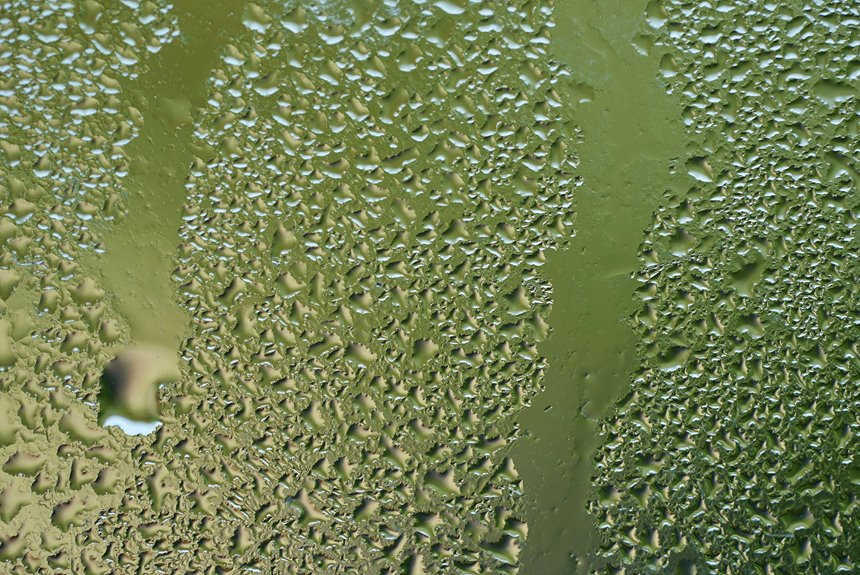
High indoor humidity often comes from everyday activities that add water vapor to the air. Showers, cooking, and laundry release large amounts of moisture. Small leaks in plumbing or around windows steadily raise humidity without obvious signs. Poor ventilation traps that moisture, letting it build up until windows fog and walls feel clammy. Controlling sources and improving airflow are the straightforward steps to lower indoor humidity.
What Causes High Humidity Inside a House?
In case your home feels sticky, clammy, or just plain hard to cool, high humidity is often the reason. You’re not alone, and your house might be trapping moisture from several indoor sources. Bathrooms, kitchens, laundry areas, and even breathing from people and pets all add vapor to the air.
At the same time, building materials like damp drywall, unfinished wood, or aging concrete can hold water and slowly release it back inside. Whenever warm air meets cool surfaces, that moisture can linger instead of clearing out. Should your rooms feel heavy or musty, these concealed sources could be working together.
Fortunately, once you spot them, you can start making your home feel fresher and more comfortable.
Everyday Activities That Add Moisture
Everyday routines can quietly raise indoor humidity, even while you’re just trying to keep life moving. Whenever you cook, steam from pots and pans spreads through the air, and long showers can leave bathrooms damp for hours.
Even drying laundry indoors adds extra moisture, so your home can feel muggy before you notice it.
Cooking Steam
Cooking steam can raise indoor humidity faster than you might anticipate, especially once you boil water, simmer soups, or keep a lid off a pot for a long time.
You share that warm kitchen air with every bubbling meal, and it can linger in nearby rooms.
Should you pressure cook, the sealed heat still releases moisture when you open the pot, so give the space time to clear.
Keep a hood fan on, crack a window provided weather allows, and cover pots whenever possible.
Humidity meters help you watch the change before the air feels heavy.
Small steps like these keep your kitchen comfortable and help your home feel like everyone has room to breathe.
Shower Moisture
Showering can quietly crank up indoor humidity, and it often does more than people expect. Whenever you run hot water, steam spreads fast, then it settles on hot tiles, glass, and walls.
That damp air can make the room feel heavy, and you might notice mirror condensation almost right away. Should you’ve ever stepped out and felt the bathroom still breathing warm mist, you know the effect.
A long shower adds even more moisture, especially whenever the door stays closed and the fan stays off. So, your bathroom can hold onto water vapor longer than you want.
To help, you could keep the fan on, crack the door, and let fresh air move in. That simple habit helps your home feel drier and more comfortable.
Laundry Drying
Air-drying laundry indoors can quietly raise the humidity in your home. Whenever you hang wet clothes on racks or chairs, each shirt and towel releases moisture into the air. That extra dampness can make rooms feel sticky and can slow drying time, too.
You can help through using smart ventilation strategies, like opening a window, running a fan, or switching on the bathroom exhaust after washing. Choose fabric selection wisely, because thick towels and heavy jeans hold more water than lighter clothes.
Provided you can, spin clothes longer before hanging them, and spread items apart so air can move around them. You’re not being fussy here, just protecting your space. A few small habits can keep laundry day from turning your home into a mini rainforest.
Steam From Cooking and Showering
Whenever you cook, pots and pans can send a lot of steam into your kitchen, and that moisture can build up fast.
A hot shower does the same thing in your bathroom, filling the air with warm vapor that lingers longer than you’d like.
Should you not vent it well, that extra moisture can spread and raise indoor humidity throughout your home.
Cooking Steam Buildup
Cooking and hot showers can fill your home with more moisture than you might expect, and that extra steam often settles into the air before it has a chance to escape.
Whenever you cook soup, boil pasta, or use pressure cooking, you release a lot of water vapor fast. Should lids stay on too long, steam traps can hold that damp air near your ceiling and cabinets. You could notice windows fogging or walls feeling sticky after dinner. That’s your space asking for a little help.
Try running your range hood, cracking a window, and covering pots only as necessary. Small habits like these help you keep your home feeling fresh, calm, and comfortable, so everyone in your place can breathe easier together.
Shower Moisture Release
Steamy showers can raise indoor humidity just as fast as a pot of boiling pasta, and the moisture often lingers long after the water turns off.
You feel it on the mirror, the walls, and even your skin. Whenever you skip the fan or crack a window, that damp air stays put and spreads into nearby rooms.
Warm, wet air can soak towels, rugs, and grout, which makes the bathroom feel heavy and stale. In case you like hot towels after a shower, store them where they can dry fast instead of trapping moisture.
Over time, this extra dampness can support Mold growth, especially in corners and behind fixtures. Therefore, whenever you shower, let air move, and help your home feel fresher and more comfortable.
Fix Bathroom and Kitchen Ventilation
Start through clearing the air in your bathroom and kitchen, because these two rooms often trap the most moisture in the house.
Turn on a duct fan during showers, and let it run after you finish. In the kitchen, use a vent hood every time you cook, even for quick meals. You’ll help steam move outside before it settles on walls and cabinets.
Keep doors open whenever you can, so air shifts more freely between rooms. Also, clean fan covers and hood filters often, because dust can block airflow and make your efforts weaker.
Should a fan sound tired or barely pulls air, replace it soon. Small fixes like these can make your home feel fresher, drier, and more comfortable for everyone inside.
Check Your HVAC for Humidity Problems
Your HVAC system can quietly add to indoor humidity whenever it isn’t working the way it should. You’re not alone should the air feel sticky even with the AC on. Start with HVAC maintenance and replace Air filters on schedule so airflow stays strong.
Then check the Drain pan for standing water, because a clogged pan can send moisture back into your home.
Next, ask for Coil cleaning, since dirty coils can’t pull water from the air well.
- You deserve a home that feels calm and dry.
- Small fixes can bring real relief fast.
- A tuned system helps your family breathe easier.
Should your vents still feel weak, schedule a pro visit. That one step can protect your comfort and help your home feel like yours again.
Find Leaky Pipes and Water Damage
Start by checking under sinks, because slow leaks often hide there and keep nearby air damp.
Next, inspect wall stains for soft spots or yellow rings, since those clues can point to water sneaking in behind the surface.
Then trace ceiling drips back to their source, and you might catch a pipe problem before it turns your home into a surprise indoor swamp.
Check Under Sinks
Slip under the sink and take a close look, because this concealed spot often tells you a lot about indoor humidity. You’re not alone provided this area feels a little obscured and messy. Once you see damp wood, rust, or a musty smell, act fast. Those signs can point to mold growth and help with odor identification before the problem spreads.
- Wipe dry puddles right away.
- Tighten loose fittings and check the trap.
- Feel the cabinet floor for soft spots.
Should you notice peeling liner or swollen shelves, water has likely been sitting there. That trapped moisture can make your home feel heavy and sticky. So, keep the cabinet open for a while after use, and you’ll help your space stay fresh, dry, and comfortable for everyone who lives there.
Inspect Wall Stains
While you’re checking for concealed moisture, don’t ignore the walls, because stains often reveal a leak long before you see dripping water.
You belong in a home that feels dry and safe, so look closely for yellow rings, dark patches, and soft spots near baseboards.
Whenever you notice paint bubbling, press gently and see if the surface feels damp or loose.
Then track the stain’s shape and size for mold mapping, since spread patterns can point to a concealed pipe problem or old water damage.
Move furniture as necessary, and check nearby walls after showers, laundry, or cooking.
Should a mark keeps growing, you might’ve found the source of your humidity trouble, and catching it promptly can save your wall, your comfort, and your weekend plans.
Trace Ceiling Drips
Should you notice water spots on the ceiling, take them seriously, because they often point to a leak hiding above your head. You can trace the drip by checking the room above and following the wet trail with care. Look for roof condensation, plumbing sweat, and insulation gaps that let moisture gather and slip through. Then, watch for soft drywall, peeling paint, or a faint musty smell.
- You’ll feel more in control once you find the source sooner.
- You can protect your home and the people you care about.
- You might avoid bigger repairs that drain your peace.
If you spot pipes, joints, or attic boards with damp marks, call a pro and dry the area fast. If you act quickly, you help your home feel safe again.
Dry Out Basements and Crawl Spaces
A damp basement can quietly feed high humidity throughout your home, so drying out these concealed spaces is a smart initial step.
Start with a sump pump should water collects after rain or plumbing leaks. Then set a dehumidifier where air moves well, because smart dehumidifier placement helps pull moisture from the whole room.
In crawl spaces, keep the area open to airflow by clearing stored items that block circulation.
Check for wet insulation, soggy wood, or musty spots, and fix them fast so mold doesn’t settle in like an uninvited guest.
Next, use a hygrometer to watch moisture levels and keep them steady.
Whenever you dry these veiled areas, you help your home feel fresher, safer, and more comfortable for everyone inside.
Stop Outdoor Moisture From Getting in
You can keep outside moisture from sneaking in by sealing air leaks around windows, doors, pipes, and vents.
Then check your yard and gutters, because good exterior drainage sends rainwater away from your home instead of toward your walls and foundation.
Once you block those entry points and guide water away, you make it much harder for damp outdoor air to raise humidity inside.
Seal Air Leaks
Seal those sneaky gaps initially, because even tiny cracks around windows, doors, pipes, and attic openings can pull damp outdoor air right into your home. You’re not alone in fighting that sticky feeling. Start with weather stripping around doors and windows, then caulk small gaps where frames meet walls. In the attic, check vents, wiring holes, and hatch edges, since loose seams can let moisture drift in.
- Feel the room stay calmer and drier.
- Protect the comfort your family counts on.
- Cut down that musty, uneasy air.
When you seal leaks, your home holds onto the air you want. That makes it easier to breathe, relax, and enjoy each space with the people you care about.
Improve Exterior Drainage
Just outside your walls, water can quietly create problems inside your home, so good drainage matters more than many people realize. You can protect your space by checking grade drainage so soil slopes away from the foundation. That simple step helps rain move out, not in.
Next, keep gutters clear and watch for leaks, because gutter maintenance sends water where it belongs. In case downspouts dump too close to the house, add extensions and push them farther out.
You should also fill low spots near walkways or patios, since puddles can feed damp air. Whenever you stay ahead of these fixes, you help your home feel drier, calmer, and more comfortable for everyone inside.
Seal Air Leaks Around Windows and Doors
Air leaks around windows and doors can quietly pull damp outdoor air inside, and that extra moisture often makes a home feel sticky and uncomfortable. You can take back control with simple fixes that help your space feel like it belongs to you again.
- Check window caulking for cracks and gaps.
- Replace worn door thresholds that let air creep in.
- Add weatherstripping where frames no longer seal tightly.
When you seal these openings, you block unwanted moisture and keep indoor air steadier. It also helps your rooms feel calmer, cleaner, and more welcoming for everyone who lives there.
Should you’ve noticed drafts near your hands or feet, don’t ignore them. Those small leaks can make a big difference, but you can fix them with patience and a few basic tools.
How Plants and Aquariums Raise Humidity
Even though your windows and doors are sealed well, your indoor air can still feel heavy in case you have a lot of houseplants or a fish tank. Your green friends help, but they also share moisture. Through houseplants transpiration, leaves release water vapor as they breathe, and that adds to the room’s dampness. A large plant cluster can make a small space feel cozy and a little sticky.
Your aquarium does something similar. With aquarium evaporation, water leaves the tank and slips into the air, especially whenever the surface is open or warm. In the event that you enjoy both plants and fish, you belong to a common club of indoor nature lovers. Just keep an eye on how many moisture sources you gather, because they can quietly raise humidity faster than you expect.
Why Weather Can Make Rooms Feel Damp
As the weather turns warm and sticky, your rooms can start to feel damp for reasons that have nothing to do with leaks or spills. Whenever outdoor humidity climbs, the air outside carries more water, and that moisture can drift inside every time you open a door or window. Then barometric pressure can shift, making your home breathe in heavy air like a slow, tired sigh.
- You might notice the air feels close and clingy.
- Your favorite chair can seem less cozy and more muggy.
- Even a familiar room can feel oddly heavy, and you’re not imagining it.
That’s why rainy, muggy days can change the whole mood at home. You’re not alone whenever the weather seems to wrap your rooms in a soft, sticky blanket.
Signs Your House Has Too Much Moisture
Often, the initial signs of too much moisture show up in small ways that are easy to brush off at the outset. You could notice damp windows, cloudy glass, or condensation patterns on walls and mirrors after simple daily tasks.
Next, a musty smell can linger in closets, basements, or rooms that feel heavy whenever you walk in. You might also spot peeling paint, bubbling wallpaper, or soft wood around windows and trim.
Then, watch for mold growth in corners, behind furniture, or near vents, because it frequently appears where air stays trapped. Your clothes, bedding, or stored boxes can also feel clammy. These signs don’t mean you’ve failed your home. They simply tell you your space needs attention and a little care.
How to Lower Indoor Humidity Fast
Provided those damp spots, foggy windows, or musty corners are already showing up, you can start lowering indoor humidity right away with a few quick moves.
Initially, run a portable dehumidifier in the room that feels heaviest, and keep doors shut so it works faster. Then, turn on fans and open windows whenever outside air feels drier. Should your basement feel clammy, improve basement ventilation via cracking vents or using a fan to move air out.
- You’ll breathe easier.
- Your home will feel fresher.
- You’ll worry less about that sticky, trapped feeling.
Also, dry wet laundry outside, wipe spills fast, and keep showers brief. These simple steps help you fit in a cleaner, more comfortable home right now.
When Humidity Signals a Bigger Problem
In case the air in your home stays muggy even after you run a dehumidifier, that can point to a bigger issue that needs attention. You might be contending with concealed leaks, poor attic ventilation, or damp crawl spaces. These problems can feed moisture back into your rooms and make the air feel heavy again.
Should you spot stains, peeling paint, or a musty smell, don’t brush them off. You’re not being fussy; your home could need mold remediation before the damage spreads.
Also, check for warped wood, soft floors, or swollen trim, since those signs matter for structural rot prevention. Once you act promptly, you protect your space, save money, and help everyone inside breathe easier.
Frequently Asked Questions
Can High Humidity Damage Furniture and Electronics?
Yes, you can, and it’s annoyingly simple: high humidity can warp furniture, cause finish swelling, and invite mold growth, while electronics corrode quietly. You’re not alone—protect your space, and your stuff stays with you.
What Indoor Humidity Level Is Ideal for Comfort?
You’ll feel most comfortable when your indoor humidity is in the ideal range of about 30% to 50%. This helps you avoid health effects like dry skin, irritation, and mold related issues, keeping your home welcoming.
Does Opening Windows Always Reduce Indoor Humidity?
No. Opening windows does not always reduce humidity. You will lower moisture only when outdoor air is drier and window ventilation improves air exchange. If outside air is muggy, you may bring in more dampness instead.
Can a Dehumidifier Help in Every Room?
No, you can’t count on one dehumidifier for every room, pilgrim. Portable units work best in smaller spaces, but air distribution matters, and you’ll feel more comfortable once you place them where moisture gathers most.
Is High Humidity Worse in Summer or Winter?
It’s usually worse in summer because warm air holds more moisture, so you feel more summer discomfort. In winter, you might notice winter condensation, but you can still keep your home comfortable together.