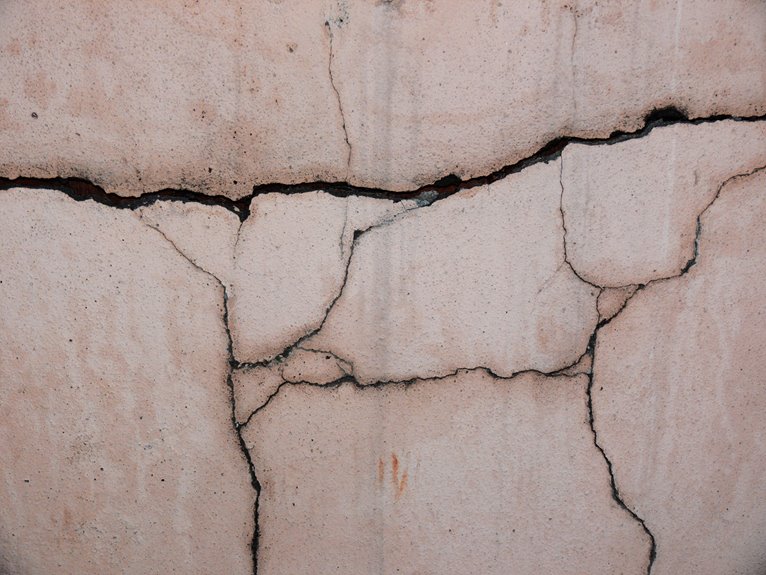
Foundation cracks start because the ground beneath a building moves or fails to support the concrete. Soil that swells with water or shrinks when dry can push or pull on a foundation. Poor drainage and standing water wash away support and speed deterioration. Freeze-thaw cycles, regular settling, and invading tree roots can widen tiny hairline splits into larger cracks. Some cracks are cosmetic, while straight, diagonal, or stair-step patterns often signal structural concern that needs assessment.
What Causes Foundation Cracks?
Foundation cracks usually start once the ground under your home changes. You can’t always see the trouble, but your house feels it.
Soil composition matters because clay, sand, and loose fill all react differently to moisture and pressure. When the soil can’t support the load bearing needs of your home, stress builds in the concrete.
Temperature swings, poor drainage, and uneven settling can also push the structure out of balance. Over time, those small shifts turn into visible cracks that could look harmless initially.
You’re not alone provided this feels worrying; many homeowners face it. The positive aspect is that grasping the cause helps you stay calm and make smarter repairs before a small split grows into a bigger problem.
How Soil Shifts Crack Foundations?
As the ground under your home starts to move, your foundation often pays the price.
When soil expands, it pushes hard against concrete and can bend walls or open thin cracks. Then, once the ground settles unevenly, one side drops while another stays put, and that stress spreads through your footing.
You might notice hairline splits initially, but they can grow should the soil keep shifting.
In cold weather, frost heave lifts the ground and nudges your foundation upward, thereafter it sinks again as temperatures change. That push and pull weakens the structure over time.
Should you live in a neighborhood with active soil, you’re not alone. Many homes face this same challenge, and grasping it helps you spot trouble early and protect your space.
How Water Damage Cracks Foundations?
If/Once water builds up around your foundation, it pushes hard against the walls and can start cracking them over time.
You could also see soil wash away from around the footing, which leaves less support and makes the foundation easier to shift.
That mix of pressure and erosion can turn a small moisture problem into a bigger crack quickly.
Hydrostatic Pressure Buildup
More often than not, hydrostatic pressure starts quietly, but it can push hard enough to crack your foundation over time.
Whenever rainwater or melting snow stays around your home, the soil can press against basement walls and slab edges. That steady force, called hydrostatic pressure, builds because water has nowhere else to go. You might also notice groundwater uplift, which can lift and strain the slab from below.
As the pressure rises, small openings widen, and cracks could appear near corners, joints, or window wells.
You’re not alone should this feels worrying; many homeowners face it. Fortunately, your foundation is talking to you sooner. Watch for damp spots, bowed walls, or hairline cracks, then act before the damage grows.
Soil Erosion Effects
Soil erosion can quietly steal the support your foundation depends on. Once heavy rain keeps moving dirt away, you get soil washout under the footing. That gap lets the slab settle and crack. Suppose tree roots used to hold that ground, root undermining can speed the damage. You might notice uneven floors, sticking doors, or thin wall cracks before bigger trouble starts.
| Sign | What You See | Why It Matters |
|---|---|---|
| Soil washout | Bare spots near walls | Water is moving support away |
| Root undermining | Exposed roots | Ground is loosening fast |
| Settlement | Slanted floors | The foundation is shifting |
You’re not alone whenever this shows up. You can watch for pooling water, soft soil, and new gaps, then act fast so your home stays steady and safe.
Why Normal Settling Causes Small Cracks?
Even a healthy home can show small foundation cracks as it settles into the ground, and that can feel alarming at first. But you’re often seeing normal settling, not damage.
As your house adjusts to its soil, tiny shifts happen in the frame and footing. That minor movement can open hairline gaps in concrete or drywall.
You might notice cosmetic cracking near corners, windows, or where materials meet. These marks often stay narrow and stable because your home is just finding its place.
Temperature changes, moisture changes, and the weight of the house can all nudge it a little more. So, if you spot a few fine lines, try not to panic. They’re often part of your home’s initial life, and your space can still feel solid.
Which Foundation Cracks Signal Trouble?
Not every crack means trouble, but you should watch for ones that run in a clear vertical line, step through brick or block, or keep getting wider over time.
These patterns can point to movement that goes beyond normal settling, and they deserve your attention. Should you notice a crack changing shape or size, you’ll want to take it seriously and check what’s driving it.
Vertical Crack Patterns
A vertical crack in your foundation can look scary, but it doesn’t always mean the worst has already happened. You might see a thin line that stays steady, and that often points to normal settling. Still, should the crack grows, leaks water, or pairs with basement bowing or corner separation, you should pay closer attention.
- Look for a crack that stays narrow and clean.
- Watch whether it widens after rain or dry weather.
- Notice whether doors stick, floors dip, or walls shift.
These signs help you feel less alone when you check your home. You’re not overreacting caring. You’re protecting the place where your people gather, laugh, and rest. Assuming the pattern changes, call a pro before the damage gets louder.
Stair-Step Cracks
Provided the vertical crack you noticed starts turning at a right angle, you could be looking at a stair-step crack instead, and that pattern can tell you more about what’s happening with your foundation. These cracks often follow mortar lines in brick or block walls, and they usually point to masonry movement. Whenever you see them, look for nearby hairline diagonals too, since both signs can show stress in the wall.
| What you see | What it could mean |
|---|---|
| Short step pattern | Wall stress |
| Brick or block line | Joint movement |
| Hairline diagonals | Initial shifting |
| Small gaps in mortar | Soil pressure |
You don’t need to panic. You do need to watch how the crack feels, where it sits, and whether your home seems a little off lately. That’s how you stay in the loop.
Wide Or Growing Cracks
At the time a foundation crack starts to spread wider or lengthen from one season to the next, your home is trying to tell you something significant. You’re not overreacting; widening gaps often mean ongoing displacement below the surface. That can happen whenever soil shifts, drains poorly, or pressure keeps changing around the walls.
- A crack that grows from hairline to pencil width deserves attention.
- Should one side sit higher, the wall could be moving.
- Should doors stick nearby, the crack could match that stress.
You’ll usually see the change in one room initially, then notice it elsewhere. So trust what you see, and don’t wait for the gap to keep inviting itself wider.
How Weather Cracks Foundations?
As weather keeps changing, your foundation feels it initially. Whenever temperatures swing fast, soil around your home expands and shrinks, and that movement can press against the walls.
During freeze–thaw cycles, water in the ground freezes, grows, and then melts, so the soil keeps shifting. Those temperature fluctuations can slowly stress concrete and open small cracks.
Rain can also soak the soil, making it heavier and harder against your foundation, while dry spells let it pull away and leave gaps. You’re not alone provided this sounds frustrating; weather does this to many homes.
Fortunately, steady care helps you stay ahead of trouble. Watch for changes after seasons shift, and keep drainage working so your foundation gets the support it needs.
When Foundation Cracks Need Immediate Repair?
As soon as a crack starts to widen, change shape, or spread fast, you need to take it seriously right away. You’re not being overcautious. You’re protecting your home and the people who live there.
- Should the crack run diagonally, steps through brick, or opens wider than a pencil, call for urgent inspections.
- If doors stick, floors slope, or walls separate, your home might need immediate stabilization.
- If water seeps in, soil shifts, or the crack keeps growing after rain, don’t wait.
These signs can mean the structure is moving, and that can feel scary. Still, you’re not alone, and help can start fast. A trained pro can check the cause, stop more damage, and help you feel steady again.
Frequently Asked Questions
Can Foundation Cracks Affect Indoor Air Quality?
Yes, foundation cracks can affect indoor air quality by allowing mold to enter and by letting radon seep in. You may notice musty odors, higher allergen levels, and feel less concerned after sealing cracks and improving ventilation.
How Much Do Foundation Crack Repairs Usually Cost?
You’ll usually pay $500 to $15,000, depending on damage, repairs, and your foundation type. Get multiple repair estimates and focus on contractor selection so you feel confident, supported, and included throughout the process.
Are Foundation Cracks Covered by Homeowners Insurance?
Usually not, like a locked gate for many claims. You will need strong claim documentation, because insurance exclusions often deny foundation cracks unless a covered event caused them. Check your policy and feel supported.
Can Tree Roots Cause Foundation Cracks?
Yes, tree roots can cause foundation cracks by shifting soil moisture around your home. You will notice changes sooner if you stay attentive, because healthy homes depend on you noticing soil movement promptly.
Should I Inspect Cracks Before Buying a Home?
Yes, you should inspect cracks before buying a home; it helps you feel confident and included in your decision. Use a professional inspection, and keep your mortgage contingency ready provided serious issues show up.