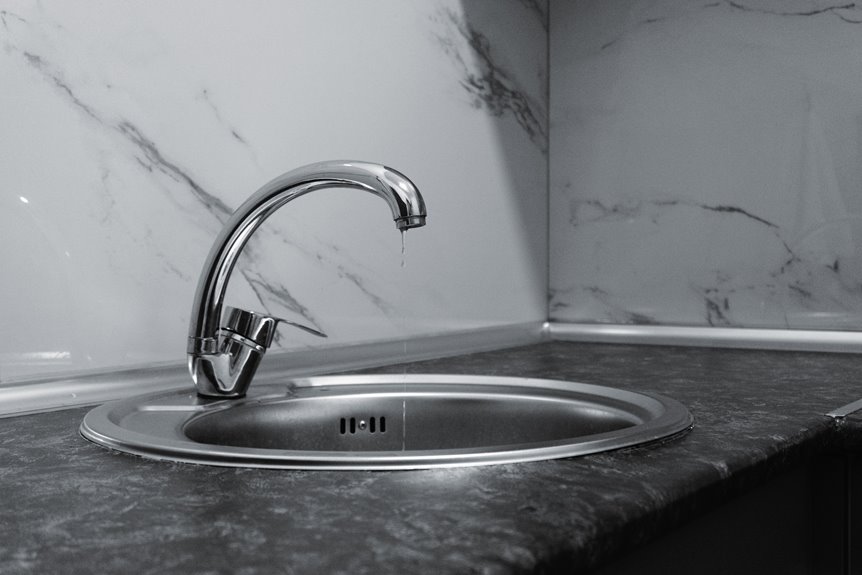
A clogged kitchen sink often clears with a few household steps. Start by pouring boiling water down the drain to loosen grease. Follow with a cup of baking soda, then a cup of white vinegar and wait 10–15 minutes before flushing with hot water. Use a plunger for persistent slow drainage. If those fail, check the P-trap or garbage disposal for trapped debris and remove it safely.
What’s Clogging Your Kitchen Sink?
Before you reach for a plunger, it helps to figure out what’s actually building up in your sink. Most clogs start with food particles that slip past the drain and stick to the pipe walls. Grease can trap them, and soap scum can make the mess thicker. Over time, mineral buildup from hard water adds another layer, so the drain narrows bit by bit. You may notice slow draining, gurgling, or a faint smell that says your sink needs attention. That’s normal, and you’re not alone in managing it.
Whenever you know what’s inside the pipe, you can choose a cleaner fix and avoid guessing. Next, you can look at simple ways to loosen the clog without making the problem worse.
Try Boiling Water First
Often, the easiest initial move is to pour boiling water down the drain and let heat do some of the work for you.
This simple step can loosen soft grease and help small soap bits move along, so you don’t feel stuck right away.
Bring the water to a full boiling point, then pour it in slowly in two or three stages. Give each pour a few seconds to work.
Should your sink has metal pipes, this is usually a good inaugural try. Still, keep kettle safety in mind: use oven mitts, steady your grip, and avoid splashing.
Were the water to drain a little better, you’ve made progress.
In the event it doesn’t, you’re not alone, and you can move on with confidence.
Use Baking Soda and Vinegar
Provided the hot water only helped a little, you can give the drain a gentle fizzing lift with baking soda and vinegar. You’re not fighting the sink alone here; plenty of homeowners use this cozy kitchen fix.
- Pour 1/2 cup baking soda in the drain.
- Add 1 cup vinegar right after.
- Let the fizz work for 10 minutes.
- Flush with hot water again.
- Repeat once should the flow still feels slow.
The reaction loosens greasy film and small gunk, and it’s kinder than harsh cleaners.
In case you like backup options, enzyme cleaners can help on stubborn buildup later. You can also keep citrus peels out of the drain and use them for a fresh scent elsewhere. Stay patient, because your sink often needs a little time, not a loud battle.
Use a Plunger on the Sink Drain
Now it’s time to give the clog a little push with a plunger, and this step can work better than you could expect.
Initially, fill the sink until the cup is covered by a few inches of water.
Then set a flat bottomed bell plunger over the drain so you seal it well.
Should you have a double sink, block the other drain with a wet cloth.
Next, pump the handle with steady force to create manual suction.
Keep your motions firm, but don’t lift the cup off the drain between pushes.
After several rounds, pull the plunger away and check the flow.
In case the water starts moving, you’re on the right track.
Stay patient here.
A little rhythm can turn a stubborn backup into a quick win for your kitchen team.
Clear the P-Trap Naturally
When the plunger didn’t clear the clog, pull off the trap under the sink and let gravity help you out. You can do this, and you don’t need to panic. Place a bowl below, then loosen the slip nuts by hand. Lift out the P-trap and check for food bits, hair, or a concealed cap of grease.
- Keep a towel nearby for drips.
- Empty the pipe into the bowl.
- Use a bottle brush to clear trap buildup.
- Rinse the trap with warm water.
- Wipe it clean with a natural deodorizer like baking soda.
After that, reattach the parts snugly and examine the drain. You’ll feel better once the sink runs again, and your kitchen will smell fresher, too.
Break up Grease With Hot Water and Dish Soap
When grease is clogging your sink, pour a pot of hot water down the drain to help loosen and melt the buildup.
Then add a little dish soap, because it can break up oily residue and help it wash away more easily.
Repeat the hot water flush when needed, and you might notice the drain start moving more freely.
Hot Water Flush
A hot water flush can do a lot of quiet heavy lifting whenever grease is the reason your sink has slowed down. You’re not fighting the clog alone, and this simple step can help your kitchen feel normal again.
Initially, heat water until it’s very hot, but not boiling. Then pour it slowly down the drain in stages. That steady flow helps loosen greasy film, especially after steam cleaning nearby surfaces and clearing mineral buildup around the rim.
- Heat a kettle or pot
- Pour in 2 or 3 rounds
- Pause between each pour
- Watch for faster draining
- Repeat should the sink still feels sluggish
Granted water starts moving better, you’re on the right track.
Dish Soap Breakdown
Now that hot water has started loosening the grease, dish soap can take the next step and help break it apart. You can add a few drops straight into the drain, then follow with another cup of hot water. The soap works through soap emulsification, which means it helps grease mix with water instead of clinging to the pipe.
In case your kitchen feels like it’s been battling too many oily meals, this small step can give it some relief. Use a grease-cutting dish soap, since many enzyme detergents also target food residue and help keep buildup from settling. Let the mix sit for a few minutes, then flush again with hot water. You’re not forcing the clog, merely giving your sink a gentle cleanup partner.
Flush the Drain With Salt and Hot Water
With a simple mix of salt and hot water, you can give a slow kitchen sink a gentle push in the right direction. After the dish soap step, this rinse helps loosen soft buildup and keeps you moving together with a simple, steady fix.
Use coarse salt for a mild scrub effect, then follow with hot, not boiling, water. You’re not forcing anything; you’re just helping the drain relax.
- Pour about half a cup of coarse salt into the drain.
- Let it sit for 10 minutes.
- Heat a kettle of water until very hot.
- Pour the water slowly in stages.
- Repeat once provided the sink still feels sluggish.
This calm step fits right into your kitchen routine and can make the clog feel less stubborn.
Clean the Garbage Disposal
Give the garbage disposal a careful clean, because concealed gunk there can make your sink drain slowly and smell worse too.
To begin, turn off power at the switch and unplug the unit provided you can. Then reach in with tongs, not your hands, and remove any trapped bits.
Next, sprinkle ice cubes and a little baking soda inside, then run cold water and switch it on for a few seconds. This helps loosen grime and cut garbage odor.
After that, scrub the rubber splash guard with a brush and mild soap. For safety tips, keep fingers clear, wear gloves, and never use harsh chemicals.
Once you clean it well, you help your kitchen feel fresher and more welcoming, so everyone at home can breathe easier too.
Prevent Future Kitchen Sink Clogs
A little prevention can save you a big sink headache later, so start instead of changing a few daily habits in the kitchen. You’ll fit right in with a cleaner sink routine, and it won’t feel like a chore.
- Use sink guards to catch food bits.
- Wipe greasy pans before washing.
- Run hot water after each dish session.
- Do weekly maintenance with baking soda and vinegar.
- Toss coffee grounds and pasta scraps in the trash.
These small steps help you protect your drain without stress. Whenever you keep debris out and stay steady, your kitchen feels easier to manage.
You’ll spend less time worrying about slow water and more time enjoying a smooth cleanup. A little care each week keeps your sink ready for the next meal, and that’s a win for everyone at home.
When to Call a Plumber
Should your kitchen sink keeps clogging even after you’ve tried natural fixes, it’s time to call a plumber.
You might be handling a deeper blockage or concealed pipe damage that you can’t see from the sink. Getting help promptly can save you stress, water messes, and a bigger repair bill later.
Persistent Drain Blockages
Whenever your kitchen sink keeps clogging after you’ve already tried a few natural fixes, that’s usually a sign the problem runs deeper than a bit of grease or food buildup. You can keep trying, but you don’t need to feel stuck alone. At this point, a plumber can check for stubborn biofilm buildup or even tree roots in nearby lines.
- Slow draining after every rinse
- Gurgling sounds from the drain
- Water backing up in both basins
- Clogs that return within days
- Odors that won’t go away
If you notice two or more of these, call sooner rather than later. A pro can clear the blockage safely and help your sink work the way it should, so your kitchen feels calm again.
Hidden Pipe Damage
Sometimes the clog isn’t the real problem, because concealed pipe damage can quietly trap debris and keep your sink acting up no matter what you try. In case you notice slow drains after natural cleaning, check for leaky joints, corroded fittings, or damp cabinets under the sink.
You could also smell musty air, hear dripping inside the wall, or see water stains. These signs mean the blockage could sit deeper than the trap.
At that point, you’re not failing at home care; you’re seeing a plumbing issue that needs assistance. A plumber can inspect the concealed lines, find cracks, and replace damaged parts before a small mess turns into a bigger one. Calling sooner helps you protect your kitchen and feel back in control.
Frequently Asked Questions
How Often Should I Deep Clean My Kitchen Drain?
You should deep clean your kitchen drain every month, or seasonally if you cook less. Match it to usage frequency, and you will keep your sink fresh, your kitchen welcoming, and your routine easy.
Can Natural Cleaners Damage Older Sink Pipes?
Yes, they can, especially assuming 1 in 5 older pipes show acid sensitivity. You will protect your home whenever you use gentler cleaners, because harsh acids can worsen mineral buildup and weaken aging plumbing.
Do Fruit Peels Help or Hurt the Garbage Disposal?
They usually hurt your garbage disposal, not help. You can shred citrus peels sparingly, but too many cause peel buildup and might accelerate citrus corrosion. You’ll protect your home team’s sink through composting most peels.
What Causes Recurring Clogs After Cleaning the Drain?
Recurring clogs usually mean you’ve got hair buildup, grease, or mineral deposits still hanging around, like unwanted roommates. You’ll feel less alone once you clear the trap, flush lines, and stop feeding the drain scraps.
Is It Safe to Mix Natural Methods With Commercial Cleaners?
No, you shouldn’t mix them; chemical residue risks can trigger dangerous reactions. You’re safer choosing one method, then following neutralization protocols before switching. That way, you protect your home and feel confident together.