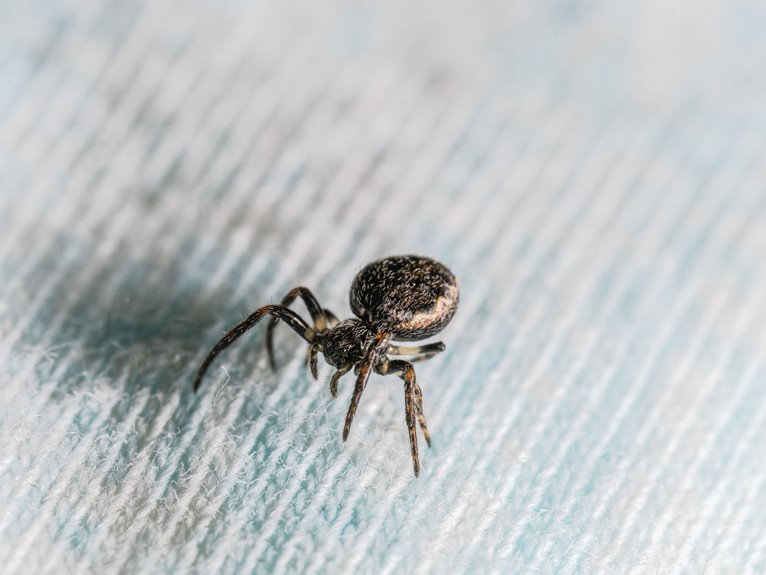
Spiders in the house can feel unsettling, but you can reduce them quickly by targeting their shelter, food, and entry points. Start by locating dark corners, basements, and cluttered areas where they hide. Cut off the insect supply by reducing lights at night and keeping food crumbs and trash sealed. Seal gaps around windows, doors, and pipes to block entry. Place sticky traps or low-toxicity sprays along baseboards and behind furniture for targeted control.
Get Rid of House Spiders Fast
Assuming you need to get rid of house spiders fast, start with the spots they love most. You can calm the problem quickly by clearing clutter, wiping dust, and sealing gaps near windows and doors.
Then, spray natural repellents like peppermint oil mixed with water along baseboards and entry edges. This helps push spiders away without making your home feel harsh.
You can also try ultrasonic devices should you want a low-effort option that runs in the background. While they won’t do all the work alone, they can support your other steps.
Keep lights off whenever you can, since bugs that attract spiders love bright openings. With a steady routine, you’ll make your space feel safer and more comfortable, and that matters whenever you desire relief fast.
Find Where House Spiders Hide
Start via checking the places spiders like most, such as behind furniture, under sinks, and along baseboards.
Then look closely at cluttered corners, stacked boxes, and storage areas, because spiders feel safe in tight, quiet spaces.
Don’t forget outdoor entry points like gaps around doors, windows, vents, and pipes, since that’s often how they slip inside.
Common Spider Hiding Spots
When/Should you know where house spiders like to hide, you can check the right places before they spread through your home. Start with quiet, undisturbed zones, because spiders often settle in basement rafters, behind water pipes, and near storage shelves.
Then look around windows, door frames, and ceiling edges where they can wait safely in plain sight. Outside, inspect potted plants near doors or patios, since spiders might slip indoors from there.
Next, shine a light into wall gaps, under sinks, and around vents to spot webs beforehand. Provided you stay calm and check these spots regularly, you’ll feel more in control and less surprised. A few careful minutes can help you protect your space and keep your home feeling comfortable.
Cluttered Areas And Corners
Cluttered corners can give house spiders exactly what they want: cover, stillness, and plenty of tiny hiding places.
Whenever you clear piles of clothes, boxes, and loose papers, you make your home feel less inviting to them and more comfortable for you.
Start with seasonal decluttering, so you can sort what you use and what only gathers dust. Then use vertical storage to lift items off the floor and open up dark edges that spiders love.
You’ll also want to check behind baskets, near stacked books, and under furniture where clutter settles quietly.
As you make these spaces simpler, you create a calmer room that feels more shared with you and less shared with pests. Small changes can help you reclaim each corner with confidence.
Outdoor Entry Points
Around your home’s outer edges, spiders often slip in through tiny openings you could never notice. Check door sweeps, window screens, vent covers, and gaps around pipes. Then move to the roofline and look for cracked caulk, loose siding, and torn weather stripping. Provided you spot a gap, seal it right away so you don’t leave an easy path for pests.
Next, pay attention to porch lights and garden lighting, since bright bulbs can attract insects that spiders love to chase. You can also reduce hiding spots by keeping firewood, plant pots, and boxes away from walls.
Finally, stay steady with drainage maintenance so water doesn’t collect near the foundation. Whenever your outside stays tight and dry, your home feels safer, calmer, and more like the place your family belongs.
Reduce the Insects They Feed On
House spiders often settle in because their food source is already there, so cutting back on the insects they hunt can make your home a lot less inviting.
Start by reducing pests with quick cleanup habits. Wipe crumbs, store food in sealed containers, and empty trash often so ants and flies don’t move in.
Next, lower humidity in damp rooms, since moisture draws gnats and other tiny bugs that spiders love. Use fans, run a dehumidifier, and fix steamy buildup after showers or cooking.
You can also dim outdoor lights near doors at night, because bright bulbs pull insects right to your windows. Whenever you make your space less friendly to bugs, you’re also making it calmer for yourself. That small shift can help your home feel more comfortable and less spider-friendly.
Seal Cracks and Entry Points
Next, block the tiny openings that let spiders slip inside in the initial instance.
Walk around your home and check windows, doors, baseboards, pipes, and vents. Whenever you find a crack, seal gaps with caulk so spiders can’t use them as concealed doorways. Should you feel a draft, you’ve likely found a spot that needs attention.
Add weather stripping around doors and windows to close loose edges and keep the fit snug. Repair torn screens right away, because even a small rip can invite trouble.
Also, fill spaces around cable lines and utility pipes with the right filler. You don’t need a perfect house, just a tighter one. Each small fix helps your home feel calmer, safer, and more like yours.
Try Traps and Spider Sprays
Provided that spiders keep showing up after you’ve sealed the cracks, try traps and spider sprays to catch the stragglers. You don’t need to panic. Sticky traps work quietly, and they help you see where spiders travel most.
| Option | Best use |
|---|---|
| Sticky traps | Put them along walls and under furniture |
| Botanical sprays | Mist corners and window edges |
| Low scent sprays | Use whenever you want a gentler feel |
| Checkups | Replace traps after they fill |
Botanical sprays can also give you extra support whenever you want a fresher, calmer home. Spray lightly, then let the area dry. Should you share your space with kids or pets, read labels closely and follow them. With a few smart choices, you can feel more in control, and your home can feel like yours again.
Clear Clutter and Web-Building Spots
Around the rooms where spiders love to hide, clutter can give them the cover they want. You can make your home feel calmer by clearing piles from floors, corners, and shelves.
Start with old papers, bags, and unused decor, then organize storage so everything has a place. Whenever you stack items neatly and leave space around walls, you make it harder for spiders to settle in.
Next, remove cardboard because it holds dust, hides insects, and gives spiders quiet spots to tuck away. As you sort, check behind boxes, under furniture, and near closets.
A cleaner room feels more open for you and less inviting for them. With each small reset, you’re not just tidying up. You’re helping your space feel safer, lighter, and easier to share.
Keep House Spiders From Coming Back
Keep house spiders from coming back through making your home less welcoming to them day after day. You can help your space feel calm and spider free with a few small habits.
Initially, seal cracks and gaps to prevent re entry. Then keep windows screened and doors snug. Next, use natural repellents like peppermint oil near entry points, since their scent can bother spiders without bothering you.
- Sweep corners often
- Store firewood outside
- Reduce outdoor lights
- Vacuum concealed edges
- Shake out shoes and blankets
These simple steps work together, so your home stays comfortable for everyone in it. Whenever you stay consistent, spiders lose their easy paths back inside. That means fewer surprise legs on the wall and more peace for your crew.
When to Call a Pest Control Pro
In case you’ve already sealed gaps, trimmed hiding spots, and made your home less inviting, but spiders still keep showing up, it could be time to bring in a pest control pro. You don’t need to handle a bigger problem alone.
Whenever spiders nest in basements, attics, or wall voids, hire professionals who know how to find the source and treat it safely. They can also spot egg sacs you might miss.
Should you keep seeing bites, webs, or fast-moving spiders after cleaning, that’s another clear sign.
Seasonal inspections help you stay ahead of trouble, especially in spring and fall whenever spiders move inside. With expert help, you can feel more comfortable in your own space and get back to enjoying your home without the creepy surprise factor.
Frequently Asked Questions
Are House Spiders Dangerous to Humans?
No, most house spiders are not dangerous to humans. You will mostly encounter common fears and myths about venom rather than real harm. They usually avoid people, and their bites are rare, mild, and heal quickly.
Do House Spiders Bite at Night?
Usually you won’t feel a midnight nibble; house spiders’ nighttime activity centers on nocturnal feeding, not people. You’re part of the safe crowd here, since they would rather dodge you than bite your sleeping skin.
How Long Do House Spiders Live Indoors?
House spiders typically live indoors for one to two years, though lifespan varies with species, food availability, and shelter. They develop quickly, so your home can support multiple generations if conditions remain favorable.
Do House Spiders Have Any Benefits?
Yes, you’ll find they quietly help your home by handling unwanted pests and supporting ecosystem balance. You’re not alone in appreciating these little roommates; they offer gentle pest control while keeping nature’s harmony close.
Can Pet Spiders Be Kept Safely at Home?
Yes, you can keep pet spiders safely at home provided you provide proper care and enrichment, stable enclosures, and consistent feeding schedules. You will join a thoughtful community of keepers who prioritize your spider’s wellbeing.