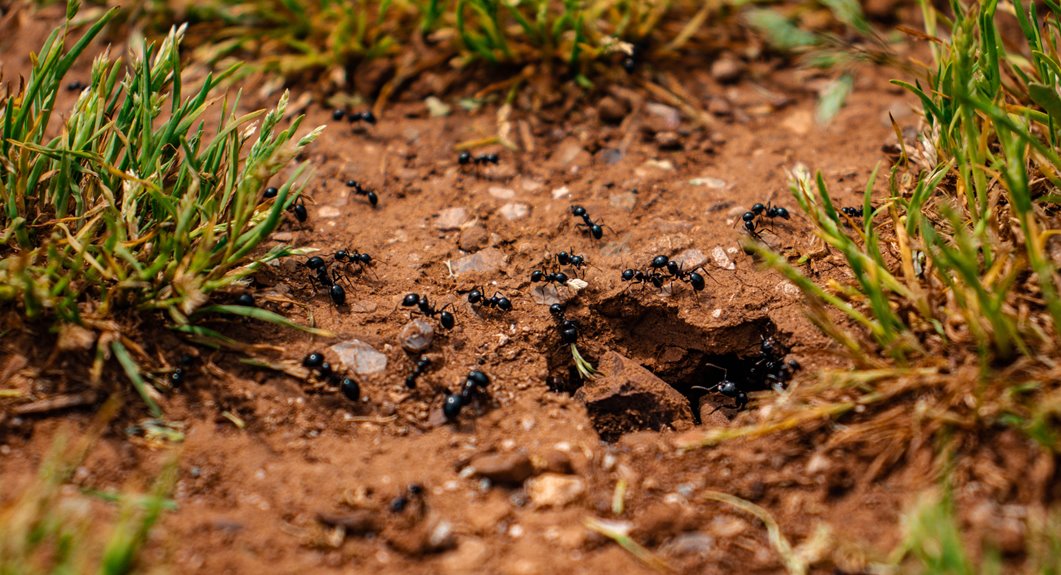
Ants enter houses searching for food, water, and shelter. Remove crumbs, spills, and standing water to cut off their rewards. Seal cracks and gaps around doors, windows, and pipes to stop entry points. Wipe trails with mild detergent or vinegar to remove scent paths that guide others. Persistent infestations call for locating nests and using targeted baits or professional pest control.
Why Ants Keep Entering Your House
Ants don’t show up in your house due to accident. You’re seeing a clear response to food, water, and shelter. Warm kitchens, sweet spills, and tiny crumbs send a strong signal, and that signal grows during seasonal attraction, whenever weather outside pushes them indoors.
Their colonial behavior also matters, because one scout can lead many others to the same spot fast. You might feel singled out, but you’re really handling a team that follows scent trails and shared needs. Even a small gap near a window, sink, or baseboard can feel like a welcome door.
Find Ant Trails and Nest Locations
Once you know what draws them in, the next step is to track where they’re actually coming from, because finding the trail often tells you more than seeing the ants themselves. Start with trail mapping along walls, baseboards, and windows, where ants like to travel in steady lines. Then check for concealed nests near cracks, damp corners, potted plants, and under appliances.
- Watch for repeat paths.
- Follow workers back, not just forward.
- Mark sightings with tape or notes.
- Look for tiny entry points.
When you do this, you join a smart little detective team in your own home. That matters, because ants don’t wander for fun. They follow scent roads, and unless you trace them carefully, you can spot the source before the crowd grows bigger.
Clean Up Food and Water Sources
Now that you’ve found where the ants travel, it’s time to take away the things that keep them coming back.
Start by wiping counters after every meal, and don’t leave crumbs behind. You should also store food in sealed containers, because open boxes and bags make an easy target.
Next, dry sinks after use and keep pet bowls clean, since ants love a steady water supply. In case you notice a drip under the faucet, fix leaks quickly so you’re not feeding a concealed crowd.
Empty trash often, rinse sticky jars, and sweep floors near the table and stove.
These simple habits help you protect your space and make it feel more like yours again.
Seal the Cracks Ants Use to Get In
Look closely at the places where ants slip inside, like tiny gaps around windows, doors, pipes, and baseboards.
Once you spot those entry points, seal them tight with caulk, weatherstripping, or another strong filler.
This step helps block the trail ants use, so you’re not just chasing them around the house.
Locate Entry Points
Ants are small, but they can sneak into your home through tiny gaps that you could overlook at initial glance. Start by walking the outside and inside of your home with care. Whenever you inspect landscaping, look near mulch, stones, and plant stems. Then inspect utilities around pipes, vents, and cable lines. Use this quick check:
- Door frames
- Window edges
- Baseboards
- Foundation lines
These spots often guide ants straight inside, and finding them ahead of time helps you feel more in control. Should you notice ant trails, follow them to the source. That trail tells you where the colony is trying to meet your home.
Take your time, and don’t rush past the small stuff. Your house deserves that attention, and so do you.
Seal Gaps Tight
Because those tiny gaps can act like open doors, seal them as soon as you find them. Walk around doors, windows, pipes, and baseboards, and check for slim cracks ants can squeeze through. Add weather stripping to loose doors and drafty windows so you close off the easy path they love. Then use foam sealant around small holes near plumbing, vents, and utility lines.
Should a crack be wider, caulk it neatly so the repair blends in and stays strong. You’ll feel better realizing your home is getting harder for ants to claim.
After that, inspect outside trim, siding, and foundation gaps, because a tight shell helps keep the whole house welcoming to you, not to them. Your space deserves that calm, protected feeling.
How Vinegar Helps Get Rid of Ants
Vinegar can be a simple, low-cost helper whenever you desire to push ants out of your space without bringing harsh sprays into the room. You can use its strong smell for vinegar repellency and scent masking, which can blur the trail ants follow back to food. That gives you a better chance to reclaim your kitchen and feel at ease again.
Try this:
- Mix equal parts vinegar and water.
- Spray along counters, windows, and entry points.
- Wipe surfaces so the scent stays fresh.
- Reapply after cleaning or rain.
You’re not alone in this. Many people use vinegar as a quick, everyday support tool whenever ants start showing up. It’s simple, friendly, and easy to fit into your routine, especially whenever you want control without stress.
How to Kill Ants With Soap and Water
You can make a simple ant spray through mixing a little dish soap with water in a spray bottle.
Once you shake it well, spray it right on ant trails and any ants you see moving around.
The soap breaks down their protective coating, so it can stop them fast and help you take back your space.
Mixing Soap and Water
A simple mix of soap and water can stop ants fast, and it’s one of the easiest fixes whenever they show up in your home. You can make this at once and feel more in control. Use a small spray bottle, add a few drops of dish soap, then fill it with water. Shake gently so the mix stays even.
Then:
- Spray ants directly.
- Wet the paths they use.
- Reapply after cleaning.
- Keep the bottle nearby.
This works well with natural repellents and essential oils blends, too, should you prefer a gentler routine. The soap breaks the ants’ outer layer, so they can’t keep moving well. You’ll feel better realizing you’ve got a simple tool ready whenever your home needs it.
Spraying Ant Trails
Spray the ant trails before they spread any farther, because that little line of traffic can turn into a full invasion fast.
| What to spray | Why it helps |
|---|---|
| Soap and water | It breaks the ants’ scent trail. |
| Baseboards | It reaches concealed travel paths. |
| Entry points | It blocks the route indoors. |
| Counters and floors | It removes crumbs ants follow. |
Mix your soapy water, then spray each trail until it looks damp. Wipe it clean right away so your kitchen feels calm again. Provided ants keep coming, spray the same spots a few times a day. You don’t need harsh commercial repellents for every mess, and you can skip garden spraying indoors. Stay steady, because each pass helps your home feel like yours again.
How to Use Ant Baits Indoors
Ants often keep coming back because they leave scent trails that guide the rest of the colony, so ant baits work through turning that habit against them. You set them where the ants already travel, then let the colony carry the bait home.
Choose bait placement near baseboards, under sinks, beside appliances, and along walls. Use these simple steps:
- Keep bait close to trails.
- Move food and crumbs away.
- Leave the bait undisturbed.
- Check it every few days.
With delayed toxicity, the ants don’t die right away, so they share the bait before it works. That means you’re helping your whole kitchen crew of ants, one busy worker at a time.
In case traffic stays high, refresh the bait and stay patient.
When Diatomaceous Earth Is Worth Using
Whenever you want a dry, low-cost option, diatomaceous earth can be worth using for ants inside the house. You can dust a thin line where ants travel, and the powder helps damage their outer shells as they cross it. That makes it useful whenever you’ve found a steady trail along baseboards, under sinks, or near pantry edges.
For the best application timing, put it down after cleaning the area and before you anticipate more traffic. Still, use safety precautions every time. Keep kids and pets away while you work, and avoid breathing in the dust. You don’t need a thick pile, just a light coat. Provided the spot stays dry, you give yourself a simple tool that fits right into your home routine.
Why Spraying Ants Often Makes Things Worse
At the time you spray ants, you can break up their scent trails and scatter colony pheromones, which might confuse the rest of the nest.
That can make the problem feel smaller for a moment, but it often pushes more ants to search harder for food.
Scattered Colony Pheromones
Even a quick spray can make an ant problem spread faster, because it can break apart the scent trail that holds the colony’s workers together.
You might believe you’re helping, but you can cause pheromone masking and trail confusion, which leaves the colony scattered and unsure.
Once that happens, the ants no longer move as one group, and your kitchen can feel less like home. Watch for these signs:
- Fresh ants appear in new lines.
- Old paths fade, then return.
- Workers pause and circle.
- Multiple tiny trails form near crumbs.
You can protect your space through cleaning the area well and tracing the scent line with care.
That way, you help your home feel calm again, and you don’t leave the ants guessing where to go.
Increased Foraging Activity
A quick spray can seem like a fast fix, but it often stirs up more ant traffic instead of calming it down.
Whenever you hit a trail, you might break the scent path and push workers to search harder. That search can widen their foraging range, and more ants could fan out through your kitchen, pantry, or wall gaps.
During seasonal peaks, this rush gets even worse, because the colony already sends out more scouts. In case you keep spraying, you can make the group feel scattered, not solved.
Instead, watch where they travel and take note of repeat routes. Then you can target the nest area more wisely and protect your space without turning your home into their full-time escapade.
How to Get Rid of Ants in the Kitchen
In the kitchen, ants can feel like tiny trespassers that show up at the worst possible time, and the positive part is you can push them out fast with the right steps. You’re not stuck; your space can feel calm again.
Start with natural repellents like vinegar or lemon, then wipe counters so no scent trails stay behind. Next, use smart food storage techniques so snacks, sugar, and pet food stay sealed tight.
Try this plan:
- Sweep crumbs daily.
- Rinse dishes right away.
- Seal pantry items.
- Block entry points with caulk.
When you stay steady, ants lose their reason to visit. Keep trash closed, and check under appliances too. A few small moves can help your kitchen feel like yours again.
How to Handle Ants in Bathrooms
Bathroom ants can sneak in through tiny cracks, drain gaps, and damp corners, but you can shut down the problem before it spreads. To begin, wipe up standing water, fix drips, and keep sinks dry after use.
Then check the base of the tub, toilet, and vanity for trails. In the event you spot them, clean the path with soap and water.
Next, use bathroom caulking to seal small openings around pipes, tiles, and trim. That simple step helps block easy entry.
Also, practice humidity control through running a fan, opening a window, or using a dehumidifier. Ants like moisture, so a drier bathroom feels far less welcoming.
With a few steady habits, you can make this space calmer, cleaner, and much less inviting to pests.
How to Stop Ants From Returning
Once you’ve cleaned up the bathroom, the next step is to keep ants from finding their way back. You can do that with steady seasonal prevention and a few simple habits that help your home feel protected.
- Wipe counters, sinks, and floors after each use.
- Store food in sealed containers and take out trash often.
- Close cracks around pipes, windows, and doors.
- Use grounds management, like trimming plants away from walls and keeping soil dry.
These small steps make your space less inviting, and they help your family stay one step ahead together.
In case you stay consistent, ants lose the easy trail they love. A tidy home and smart yard care work like a team, so you don’t have to fight the same problem again and again.
Signs You Need Professional Pest Control
In case you keep seeing ant trails after cleaning and sealing food, your problem could be bigger than a few stray scouts.
You should also watch for structural signs like ants coming from wall gaps, cracked wood, or damp areas that seem to stay active.
Whenever these patterns keep coming back, professional pest control can help you stop the source instead of just chasing the ants you see.
Recurring Ant Trails
Ant trails can come back again and again, and that’s usually a sign the problem is bigger than a few stray bugs. You’re not failing here, and your home isn’t doomed.
Whenever ants keep using the same path, they’ve likely set a reliable route. That’s whenever professional help can make a real difference. Experts look at bait placement to reach the colony, then use pheromone disruption so other ants stop following the trail. Watch for these patterns:
- You wipe the line away, and it returns.
- Ants show up at the same time each day.
- A trail leads from one room to another.
- DIY steps work only for a day or two.
If this sounds familiar, you deserve support that lasts.
Structural Infestation Signs
Structural warning signs usually show up before the infestation feels out of control, and that’s good news for you.
In case you notice soft drywall, bubbling paint, or tiny holes along baseboards, ants could be nesting inside walls or trim.
You might also see sawdust-like debris, which can point to structural damage from concealed tunnels.
Next, check for moisture intrusion near sinks, windows, and crawl spaces, because ants love damp wood and easy access.
Should your doors stick, floors feel uneven, or ant activity keeps returning after cleaning, the problem could be deeper than a surface trail.
At that point, professional pest control can inspect the structure, find the nest, and stop the damage before your home starts sending more than a few unwelcome signals.
How to Keep Your Home Ant-Free Year-Round
Keeping your home ant-free all year starts with small habits that block ants before they settle in. You can protect your space with steady seasonal maintenance and smart grounds management, so your home feels like a safe place for everyone.
- Wipe counters daily and store food in sealed containers.
- Fix leaks fast, because ants love moisture.
- Trim shrubs and keep mulch away from walls.
- Check doors, windows, and pipes for tiny gaps.
Then, stay alert after storms and during warm spells, whenever ants search harder for crumbs and water. Should you spot a trail, clean it right away and follow it to the source. These simple steps help you stay ahead, and they make your home less welcoming to unwanted visitors all year long.
Frequently Asked Questions
How Can I Tell if Ants Are Carpenter Ants?
Look for identification markers: large size, a single waist, bent antennae, and entry points near damp wood. Carpenter ants do not eat wood; they tunnel it. Measure twice, cut once. Check nests and call a pro.
Are Ant Infestations Dangerous for Pets?
Yes, ants usually are not dangerous to pets, but you should still protect pet safety. Some species bite and baits can cause toxin exposure. You can keep your home safer by monitoring infestations and cleaning quickly.
Do Ants Bite or Sting Humans?
Yes, some ants bite, and a few sting, but most just pinch like tiny sparks in your home. You are usually safe; do ants transmit disease? Rarely, and venom potency varies widely per species.
Will Baking Soda Kill Ants Indoors?
Yes, baking soda might kill some ants indoors, but it is not very reliable. You will get better results when you mix baking soda into homemade bait recipes, helping your home feel ant free.
How Long Does It Take to Eliminate an Ant Colony?
You’ll usually eliminate an ant colony in 1 to 4 weeks; 90% of results come from queen removal. Should you act fast, bait steadily, and support nest relocation, you’ll reclaim your space and feel included again.