Dust management gets a lot easier once your setup matches the machines in your shop. The right fittings, hoses, shrouds, and collector bags help you spend less time wrestling loose connections and more time keeping a bench, saw, or router table usable. This roundup focuses on parts that fit real woodworking spaces, from a garage shop with one tool at a time to a busier layout with several ports to manage. You’ll see which pieces make the most sense for simple upgrades, tighter connections, and cleaner routing around common tools.
Quick Look At Our Top Picks

POWERTEC Magnetic Dust Collection Fittings Kit 5-Machine Set

POWERTEC 4′ x 5′ Dust Collection Hose with 2pcs Key Hose Clamps

2-1/2″ Dust Control Flex Cuff and Adjustable Key Hose Clamps
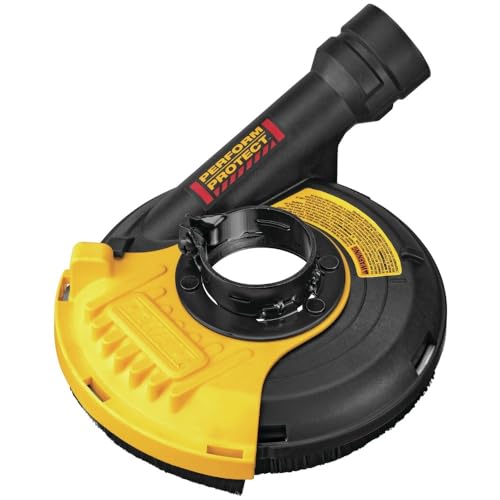
DEWALT DWE46152 Surface Grinding Dust Shroud

POWERTEC 70126 Inlet Flange, 4 Inch OD Ducting Connector
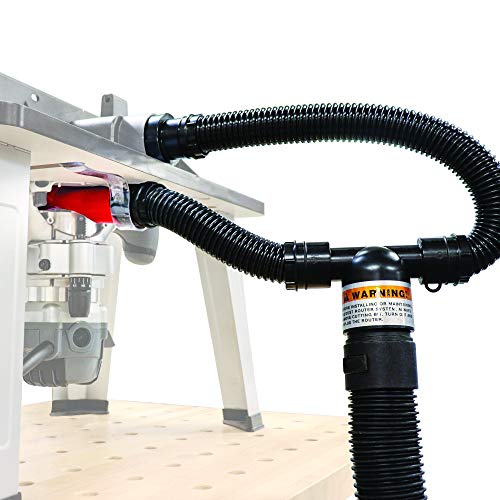
Milescraft 1501 Dust Router Dust Collection System

POWERTEC 70322 4″ to 2-1/2″ Reducer and Dust Control Flex Cuff

Table Saw Dust Collector Bag for 10″ Tablesaws with 2.5″ Port
More Details On Our Top Picks
Shared shops get messy fast around the connection point, and this kit is built for that exact problem. The magnetic fittings make tool changes feel less fussy, especially on a setup that moves between a table saw, planer, and jointer. You may still need to confirm port shape before you settle on it, since connector kits live or die by fit. For a garage shop with several machines, it’s the kind of part that removes friction without changing the whole system.
Compared with the simpler hose pieces later in the list, this one is about reach and switching, not just one clean run. That makes it a smart choice for anyone who wants fewer loose ends around the collector itself. The trade-off is obvious, it’s more of a system helper than a single-machine fix. Still, that’s exactly why it earns the opening slot here.
What We Like
- Magnetic connection points help keep swaps quicker.
- Built for a range of machine ports, which helps in a mixed-tool shop.
- Useful for keeping the collector area less cluttered.
- Fits a workflow where you move from one machine to another during the same session.
Things To Consider
- Connection style matters here, so port matching deserves a close look.
- It solves setup management more than dust capture on its own.
Feature Snapshot
Who It Suits Best
Woodworkers with several stationary tools and a single dust collector get the most from this kind of connector kit.
A Better Fit Elsewhere
POWERTEC 4″ x 5′ Dust Collection Hose with 2pcs Key Hose Clamps suits a shop that needs one straightforward hose run more than a multi-tool connection setup.
A straight hose run keeps a dust setup honest, and that’s what stands out here. The 4-inch diameter gives you a familiar shop-scale connection, while the 5-foot length works well for short routing between a collector and a nearby table saw or planer. The included key-style clamps matter because a secure hose end saves time later, especially in a busy shop where things get bumped. It feels more straightforward than the magnetic kit above, but that simplicity can be the whole point.
You’ll likely appreciate this more in a compact garage than in a large room with long overhead ducting. The honest trade-off is that five feet won’t solve every layout, so placement needs to be planned. Still, for direct connections and quick installation, it gives you a clean, practical path.
Reasons To Buy
- Short hose length suits close-by machines.
- 4-inch size matches common woodworking dust ports.
- Included clamps help lock the connection in place.
- Easy to understand for a first shop upgrade.
Softer Spots
- Five feet is great for short runs, less so for wider layouts.
- Hose storage can get awkward in cramped benches or wall hooks.
Core Details
Made For
Shop owners who want a simple, compact hose connection for common fixed tools will get the most value here.
Swap It Out When
POWERTEC 70322 4″ to 2-1/2″ Reducer and Dust Control Flex Cuff fits better for setups that need to bridge two hose sizes in one step.
Small-diameter connections can be the fussy part of a shop, and this cuff-and-clamp set is aimed right at that problem. The 2-1/2 inch size is useful for smaller ports, dust hoods, and handheld-style hookups where a larger hose would be clumsy. Adjustable clamps give you a little room to dial in the fit, which is helpful in a shop where one tool may have a slightly different port shape than the next. It’s plain, but plain is often what you want for this job.
Compared with POWERTEC’s larger hose and fitting pieces, this one focuses on the last inch of the connection, where air leaks and wobble usually show up. That makes it a sensible add-on for compact tools or tighter benchtop layouts. The trade-off is obvious too, it solves a narrow problem rather than a full dust path.
Best Bits
- 2-1/2 inch size works well for smaller ports.
- Flex cuff design helps bridge minor fit differences.
- Adjustable clamps make it easier to secure the joint.
- Handy for tight benches and compact machines.
Room For Improvement
- It’s a specialized connector, so it won’t replace a full hose system.
- Clamp adjustment can take a little patience during first setup.
Details At A Glance
Whose Shelf It Belongs On
Compact woodworking setups and benchtop tool stations get the clearest benefit from this kind of small connector hardware.
Consider Something Else When
POWERTEC Magnetic Dust Collection Fittings Kit 5-Machine Set makes more sense for a shop that needs to route one collector between several larger machines.
Surface grinding throws a very different kind of mess than sawing or routing, and this shroud is built around that reality. At 5 inches, it’s sized for a tool-specific job rather than a general shop connection, which is exactly why it belongs in this list. You may find it especially useful in a garage where grinding work happens near finished surfaces, since that kind of cleanup can spread quickly. The shape-driven design matters more here than hose flexibility, and that trade-off is clear from the start.
Compared with the more general POWERTEC fittings, this DEWALT piece is less about shop plumbing and more about controlling debris right at the tool. That makes it a stronger fit for trades-style work or renovation tasks where grinding is part of the day. The honest caveat is that it serves a narrow use case, so it won’t replace broader collector accessories.
Highlights
- Purpose-built for surface grinding work.
- 5-inch size gives it a defined tool fit.
- Targets dust near the source, which helps keep the work area easier to manage.
- Useful for renovation or finishing tasks that create a lot of fine material.
Points To Note
- Its narrow job means it won’t suit general hose routing.
- Tool-specific accessories usually need a little more setup attention.
Feature Rundown
Right Fit For
Contractors, remodelers, and shop users who grind surfaces often will get more out of this than someone setting up a general-purpose dust line.
Where A Sibling Pick Shines
POWERTEC 4″ x 5′ Dust Collection Hose with 2pcs Key Hose Clamps suits a broader woodworking setup better, especially where one hose needs to serve multiple standard tools.
Fixed duct runs need anchor points, and that’s where this inlet flange earns attention. The 4-inch outer diameter points to a standard-sized duct connection, which makes it handy for a wall-mounted or bench-mounted dust route in a permanent shop layout. In most workshops, that kind of part disappears into the background after installation, which is exactly the goal. It’s less about flexibility and more about giving your system a clean, stable entry point.
That puts it in contrast with the hose-heavy items above, which are more mobile by nature. You’ll likely prefer this when you’re building a settled setup instead of a movable one. The downside is simple, it’s not the piece you choose for quick reconfiguration.
Upsides
- 4-inch OD fits common ducting layouts.
- Works well as a fixed entry point in a shop wall or bench panel.
- Supports cleaner, more organized routing.
- Good match for permanent dust collection paths.
Small Caveats
- It’s a static connector, so it won’t suit every moving setup.
- Installation planning matters more than with a simple hose piece.
Spec Overview
Best Suited To
Permanent shop layouts, especially benches and wall runs, are where this connector makes the most sense.
Another Choice May Suit
POWERTEC 4″ x 5′ Dust Collection Hose with 2pcs Key Hose Clamps works better for a setup that still needs a short flexible reach between tools.
Router tables make a lot of sense when the dust handling is built into the station, and this system leans into that idea. Since it’s made for router-table use, it suits anyone who spends time shaping edges, cutting profiles, or running repeated passes at one bench. Compare that with the universal hose parts above, and you get a clearer sense of purpose here. The trade-off is specialization, since it’s built for one workstation rather than a whole-shop network.
That focus is useful, though, because router tables often create debris that spreads across the work surface fast. You may appreciate this most in a small shop where cleanup time matters almost as much as cut quality. The setup feels more complete than a loose accessory, which helps keep the station organized.
Bright Spots
- Built specifically for router-table dust handling.
- Helps keep the work surface more orderly during repeated passes.
- Good fit for dedicated routing stations.
- Useful where cleanup time needs to stay short.
Areas To Watch
- Its value drops fast outside router-table use.
- Dedicated systems can take more planning than simple connectors.
Quick Facts
Who Will Love This
Dedicated router-table users who want a cleaner, more organized workstation will benefit most from this setup.
Look Elsewhere When
POWERTEC Magnetic Dust Collection Fittings Kit 5-Machine Set makes more sense for a multi-tool shop that needs one collector to move around.
Size mismatches are common in woodworking shops, and this reducer is built to bridge that gap without much drama. The 4-inch to 2-1/2 inch format is useful when a collector or hose doesn’t match the tool port, which can happen around older machines or mixed-brand setups. Stainless steel hose clamps add a firmer, more secure feel than a loose slip fit, and that matters once vibration starts. It’s a connector that solves a very practical problem.
Compared with the smaller cuff-only option earlier, this one works on the bigger adaptation problem. You may find it especially helpful in a shop where one machine uses a larger main line and another uses a smaller port. The trade-off is that it’s still just a connector, so the rest of the system needs to be sorted too.
Standout Traits
- Bridges 4-inch and 2-1/2 inch sizes in one piece.
- Flex cuff helps ease the transition between parts.
- Stainless steel clamps add a more secure hold.
- Handy for mixed equipment in one shop.
Minor Gripes
- It solves a sizing problem, not a full layout problem.
- Connector projects can still need careful measurement before assembly.
Technical Sheet
The Right Fit
Woodworkers who move between larger ducting and smaller machine ports will get the most out of this reducer.
Reach For A Different Pick When
POWERTEC 4″ x 5′ Dust Collection Hose with 2pcs Key Hose Clamps fits better for a straightforward direct hose run with fewer transitions.
Table saw cleanup gets easier when the collection point sits right on the machine, and this bag follows that logic. The compatibility list covers several major saw families, which helps a lot in a shop where the saw brand is already set. Because it’s built for 10-inch saws with a 2.5-inch dust port, it leans toward compact shop layouts rather than large fixed duct systems. That makes it a tidy add-on for everyday sawing work.
Compared with the more universal hose and connector picks above, this one is a machine-specific shortcut. You may prefer it when the goal is less sweeping around the saw, not a full dust network across the room. The trade-off is that it serves one machine class, so it’s less versatile than the top-listed fittings kit.
Best Bits
- Designed for table saw cleanup at the source.
- Compatible with several common saw brands.
- Fits 10-inch saws with a 2.5-inch dust port.
- Works well in compact or portable saw setups.
Worth Noting
- It’s built for a narrow tool category.
- Bag-style collection can be less flexible than a routed shop line.
Feature Card
Who Should Grab It
Table saw owners who want a simple, saw-specific cleanup solution will get the clearest use from this bag.
Where Shoppers Go Wrong
Milescraft 1501 Dust Router Dust Collection System is the better fit for router-table work, especially when your dust concerns start at that station instead of the saw.
How To Choose The Right Vacuum For Dust Collections
Start With The Machine, Not The Shop
Dust collection parts work best when you match the accessory to the tool that makes the mess. A table saw bag, a router-table system, and a surface-grinding shroud solve different problems, so the first question is where the debris starts.
That matters because a connector that looks universal can still leave gaps once you put it on a real machine. The cleanest setups usually begin with one tool and one clear path to the collector.
Check Diameter And Transition Points
Common dust sizes like 4 inch and 2-1/2 inch sound simple, but the handoff between them is where many shop setups get awkward. Reducers, cuffs, and clamps exist to make those changes less messy.
Measure the port, the hose, and the inlet before you settle on a part. A good fit feels ordinary, and that’s the point.
Think About How Often You Move Tools
Portable, mixed-tool shops benefit from fittings that can be changed without a long fight. Magnetic connection kits and short hoses help when your setup shifts from one machine to the next.
Permanent benches and wall runs ask for a different approach, since inlet flanges and dedicated station parts usually make more sense there. The right choice saves time every session, not just on installation day.
Choose Based On Cleanup Style
Some shops need a full collector path, while others just need to keep one machine from piling up dust. If sweeping around a saw is the main issue, a machine-specific bag or shroud can be enough.
For bigger woodworking spaces, the stronger play is usually a small system of matching pieces rather than one oversized part. That’s where fit, not just size, does the real work.
Things Worth Knowing First
Common Shopping Slip Ups
A lot of dust collection frustration comes from buying the wrong diameter first. You can avoid that by checking the port size on the tool and the hose end before anything else.
Another common miss is choosing a part that helps with one tool but leaves the rest of the shop awkward. Mixed layouts need flexible connectors, not just a single well-made piece.
The Case For Spending Up
Higher-tier dust collection gear usually costs more because it handles more of the setup burden. Stronger clamps, better fit options, and tool-specific shaping are what you’re paying for.
That upgrade makes sense when you use the same machines often or want fewer connection problems during a work session. For occasional use, simpler accessories often do enough.
Frequently Asked Questions
What size dust collection part do most small shops need first?
Most small woodworking setups start with a 4-inch line because it fits many standard machines and hoses. Smaller 2-1/2 inch parts help when you move to compact tools or tighter ports.
Do hose clamps really matter in a dust setup?
Yes, clamps help keep the hose from loosening during vibration or tool movement. That’s especially useful on table saws, planers, and other machines that get bumped around.
Is a router-table system worth it for a small shop?
It makes sense when you use the router table often and want the work surface to stay cleaner. For occasional routing, a simpler connector path may be enough.
What’s the point of a reducer in dust collection?
A reducer links different port sizes so you can join gear that doesn’t match naturally. That’s helpful in mixed-brand setups and older shop layouts.
Should you choose a dedicated machine accessory or a general hose part?
Pick the dedicated accessory for one machine that creates a lot of mess, like a grinder or table saw. Choose the general hose part when you need one setup to serve several tools.
Final Thoughts
The right dust collection part makes your shop feel calmer, cleaner, and easier to move through, even before you think about a full system overhaul. For most woodworking spaces, the smartest path starts with one machine, one clear connection, and the right diameter match. The products here cover that range well, from simple hose pieces to more focused tool accessories. Pick the one that fits your layout as it stands now, not the layout you hope to build someday.