Concrete dust has a way of getting everywhere, especially after drilling, grinding, or cutting indoors. You need a vacuum or dust separator that keeps airflow steady, handles fine powder without choking fast, and fits the way you work, whether that’s a garage slab, a remodel, or a busy shop. The seven picks below cover full dust extractors, cyclone separators, and a few middle-ground options that make cleanup less of a chore.
The Shortlist At A Glance
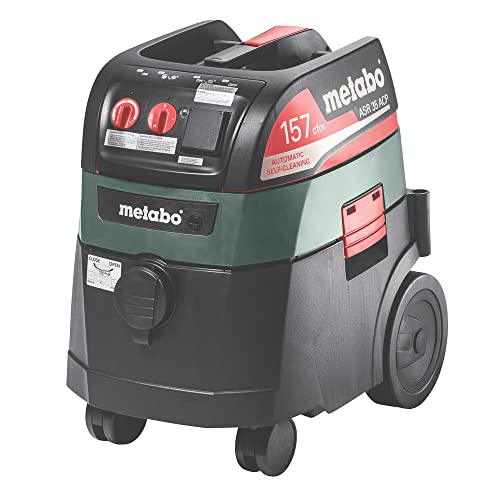
Metabo ASR 35 AutoCleanPlus 9 Gallon Vacuum

DEWALT Dust Separator DXVCS002 6 Gallon Poly Tank

DEWALT Dust Separator DXVCS003 10 Gallon Stainless Steel Tank
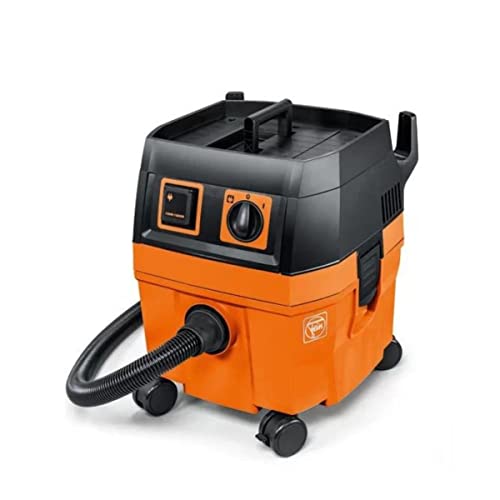
Fein Turbo I Wet/Dry Dust Extractor 5.8 Gallon
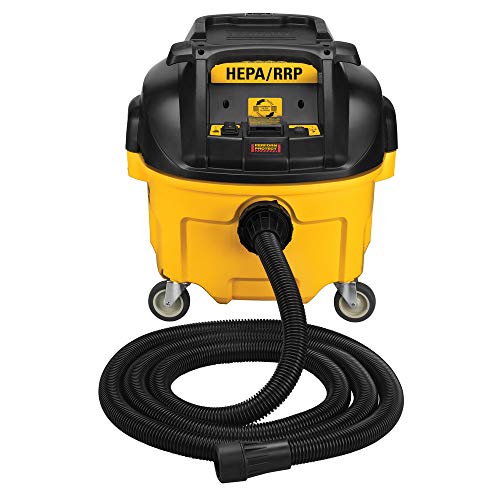
DEWALT DWV010 HEPA Dust Extractor 8 Gallon

Bosch VAC090AH Portable 9 Gallon Dust Extractor

Mullet Cyclone Dust Collector
More Details On Our Top Picks
That 9-gallon body and 157 CFM airflow make this Metabo feel built for messy renovation days, not just light cleanup. Auto-clean filter action matters a lot in concrete dust work, because the filter keeps clearing itself instead of choking at the worst moment.
In a garage, workshop, or basement remodel, that can save you from stopping every few minutes to shake out the canister. The trade-off is size, since a machine with this much capacity takes more storage space than the smaller DEWALT separator kits lower on the list.
Strong Points
- Auto-cleaning support helps keep suction steadier during fine dust jobs.
- 9-gallon capacity suits longer cleanup sessions without constant emptying.
- 157 CFM gives you strong air movement for heavier site debris.
- HEPA filtration is a solid match for fine powder control in enclosed spaces.
- Good fit for remodelers who need one machine for mixed debris.
Things To Consider
- Its larger footprint takes more room in a packed van or shop.
- The extra capacity is helpful, but it also adds bulk to move around.
- Owners commonly end up checking filter maintenance more often after very dusty cuts.
Key Specs
Whose Shelf It Belongs On
Concrete contractors, remodelers, and shop owners who deal with repeated fine dust cleanup will get the most from this pick.
A Better Fit Elsewhere
DEWALT Dust Separator DXVCS003 10 Gallon Stainless Steel Tank suits you better for rougher, more debris-heavy work where tank material and capacity matter more than an all-in-one vacuum body.
This separator is for you when your shop vac needs help staying cleaner during concrete sanding or sawdust-heavy work. The 6-gallon poly tank keeps the setup lighter than the stainless steel DXVCS003, and the cyclone design is meant to catch most of the debris before it reaches your vacuum filter.
That 99.5% efficiency figure speaks to how aggressively it separates material, though real-world results still depend on hose fit and how dusty the job gets. The honest read is that it makes the most sense as a system helper, not a full replacement for a dedicated extractor.
What We Like
- Cyclone separation helps protect the main vacuum from fast filter clogging.
- Poly tank keeps weight and handling more manageable.
- Compact layout fits cleaner into smaller shops and utility spaces.
- Useful for contractors who already own a compatible shop vac.
Areas To Watch
- It works best as part of a paired setup, not as a stand-alone vacuum.
- Plastic tank construction is lighter, though it may not feel as rugged as metal.
- You’ll want to check hose and lid fit so the separator stays efficient.
Feature Snapshot
Right Fit For
Home remodelers and small-shop owners who already have a shop vac and want cleaner filter life will appreciate this setup most.
Swap It Out When
Metabo ASR 35 AutoCleanPlus 9 Gallon Vacuum is the better match for you when you want a single self-contained unit instead of a separator paired with another vacuum.
The step up from the 6-gallon DEWALT separator is mostly about capacity and tank material. Stainless steel tends to feel better suited to rougher worksite handling, and the 10-gallon size gives you more breathing room during long cleanup runs.
For concrete dust, sawdust, and mixed debris, that extra space can reduce how often you stop to dump the tank. The trade-off is simple, since the bigger body is less convenient in tight storage spaces and more awkward to carry than the poly version.
Upsides
- 10-gallon tank reduces how quickly you run out of collection space.
- Stainless steel build feels better suited to tougher job-site use.
- Cyclone action helps keep the attached vacuum from loading up too fast.
- Good choice for users who tackle dusty cleanup in longer stretches.
Small Caveats
- The larger tank takes more storage room than the 6-gallon version.
- Metal construction adds weight, which you’ll notice during transport.
- It still depends on a compatible vacuum, so setup planning matters.
Core Details
Built With In Mind
Contractors and serious garage users who want a tougher separator for repeated dusty work will get the most from this model.
Another Choice May Suit
DEWALT Dust Separator DXVCS002 6 Gallon Poly Tank makes more sense for smaller work areas and lighter carrying needs.
Compared with the louder, heavier-feeling workhorses above, this Fein leans into comfort and reach. A 13-foot hose and 19-foot cord give you room to move around a room or service area without constantly repositioning the unit.
The anti-static system matters around fine dust because static buildup can make cleanup more annoying than it needs to be, especially during indoor sanding. You may find the 5.8-gallon capacity a little tight for large concrete demo cleanup, but it’s a smart size for controlled indoor work.
Highlights
- Very long hose-and-cord setup helps you cover more ground.
- 151 CFM suction is strong for a compact wet/dry extractor.
- Anti-static system suits indoor dust work where static control matters.
- Smaller tank is easier to place in finished rooms or tight hallways.
Room For Improvement
- Capacity is modest for bigger concrete cleanup jobs.
- Long cords and hoses are handy, though they need tidy storage.
- It feels more specialized than the broader-purpose Metabo vacuum.
Technical Sheet
Perfect Match For
Indoor remodelers, finish carpenters, and anyone working in occupied spaces will appreciate the quieter, longer-reach setup here.
Where A Sibling Pick Shines
Metabo ASR 35 AutoCleanPlus 9 Gallon Vacuum fits you better for larger debris loads and more continuous concrete cleanup.
This DEWALT sits in a very useful middle zone, larger than the Fein but more compact than the Metabo. Automatic filter cleaning is the big practical hook, since concrete dust can load a filter fast and make suction drop right when the job gets messy.
For sanding, small demo cleanup, or repeated grinder work, that feature can keep the machine feeling more consistent over the course of the day. The catch is that an 8-gallon body still takes real space, so it suits a van or garage better than cramped apartment storage.
Bright Spots
- Automatic filter cleaning is a major convenience during dusty sessions.
- 8-gallon size lands in a practical middle ground.
- HEPA setup is a solid match for fine powder collection.
- Works well for repeat use across many kinds of job-site cleanup.
Worth Noting
- It still needs a fair amount of storage room.
- More automatic features usually mean a little more upkeep around the system.
- Users focused on very large debris loads may prefer the 9-gallon Metabo.
Feature Rundown
Who Should Grab It
You’ll appreciate this one most as a contractor or remodeler who wants a dependable middle-size extractor for recurring dusty work.
Look Elsewhere When
Fein Turbo I Wet/Dry Dust Extractor 5.8 Gallon is the smarter fit for you when quieter operation and longer reach matter more than extra capacity.
Bosch takes a familiar route here, with a portable 9-gallon body, automatic filter cleaning, and HEPA filtration in one package. That combination makes sense for concrete dust because it blends capacity, maintenance help, and fine-particle handling without going all the way to a heavier-duty site machine.
In practice, it suits contractors who bounce between shops, garages, and interior workspaces. The main compromise is that it doesn’t have the same specialty feel as the Fein’s long-reach setup or the Metabo’s stronger all-purpose presence.
Standout Traits
- 9-gallon capacity gives you decent room for dust and debris.
- Auto filter cleaning helps reduce manual maintenance during long sessions.
- HEPA filtration is a strong match for fine concrete dust.
- Portable format makes it easier to move between work areas.
Softer Spots
- It sits in the middle rather than leaning heavily into one specialty.
- Storage needs are still substantial compared with separator-only setups.
- Some users may want the tougher tank feel of the DEWALT stainless option.
Details At A Glance
The Right Fit
You’ll get the most from this Bosch if you want a portable extractor for regular contractor use across different job types.
Skip It When
DEWALT DWV010 HEPA Dust Extractor 8 Gallon is the better fit when your priority is more aggressive automatic filter cleaning for sanding-heavy days.
This is the budget-minded route for people who already own a shop vac and want to slow down filter clogging from fine concrete dust. The cut-to-fit PVC setup gives it a more hands-on feel than the plug-and-play extractors above, so it rewards a little patience during setup.
That trade-off makes sense in a garage or small workshop where you want to separate heavy debris and keep the vacuum itself from doing all the work. It’s less polished than the DEWALT and Bosch units, but it can be a smart helper in the right setup.
Best Bits
- Designed to separate fine dust before it reaches the vacuum.
- Can help extend filter life in a shop-vac setup.
- Cut-to-fit PVC approach gives you compatibility flexibility.
- Useful for users who want a simpler add-on rather than a full extractor.
Minor Gripes
- Setup takes more hands-on fitting than a ready-built extractor.
- It depends on your existing vacuum, so results vary by system.
- Not as convenient for users who want one sealed, self-contained machine.
Core Details
Who Will Love This
DIYers and small-shop owners who already have a compatible vacuum and want a simpler separator will get the most from this pick.
Reach For A Different Pick When
Metabo ASR 35 AutoCleanPlus 9 Gallon Vacuum is the smarter choice for you when you want a complete vacuum instead of a separator add-on.
How To Choose The Right Vacuum For Concrete Dusts
Match The Machine To The Dust Load
Concrete dust is fine enough to overwhelm a weak filter quickly, so capacity and filtration matter more than glossy extras. A HEPA filter, which stands for high-efficiency particulate air, is useful because it’s designed to trap very small particles rather than just the visible grit.
For short grinder sessions, a separator like the Mullet can make sense. For repeated slab grinding or indoor cutting, a full extractor such as the Metabo, Bosch, or DEWALT DWV010 usually feels more practical.
Think About Movement And Reach
Hose length, cord length, and overall weight shape daily use more than many shoppers expect. The Fein Turbo I stands out here because its 13-foot hose and 19-foot cord let you stay farther from the unit while working in finished rooms or narrow hallways.
That same reach can become a storage nuisance, though, especially in a crowded truck bed or small garage. Compact separators avoid some of that bulk, but they shift the burden to the shop vac you already own.
Choose Between Standalone And Add-On Setups
A standalone dust extractor is simpler to manage, since everything lives in one body and the airflow path is easier to understand. Add-on cyclone separators are more modular, which helps when you already trust your existing vacuum and just want to protect the filter.
The trade-off is convenience versus flexibility. Standalone units cost more to own and store, while separators ask more from your setup skills and hose compatibility.
Look At Maintenance Before You Look At Capacity
Auto-clean filter systems are worth attention because concrete dust loads filters faster than ordinary household dirt. That feature shows up on the Metabo, the DEWALT DWV010, and the Bosch, and it can save time during long sanding days.
Still, no cleanup machine is maintenance-free. Bags, hoses, lids, and tank seals all matter, and the easier they are to empty or wipe down, the less annoying the whole job feels.
What To Weigh Before You Decide
Mistakes Worth Dodging
One common slip is choosing capacity without thinking about the worksite. A large tank helps on big concrete jobs, but it can feel clumsy in a narrow basement stairwell or a crowded garage.
Another is treating a separator like a complete extractor. It can work well as a helper, but it still depends on the vacuum attached to it.
The Upgrade Payoff
Higher-tier extractors usually cost more because you’re getting stronger airflow, better filtration, and more helpful filter-management systems. That extra spending matters most for contractors, remodelers, and serious DIYers who deal with fine powder week after week.
You also tend to get better reach, sturdier tanks, and more refined handling. For occasional cleanup, a simpler separator may be enough, but daily use makes the upgrade easier to justify.
Frequently Asked Questions
What makes a vacuum suitable for concrete dust?
Strong airflow, fine filtration, and a filter that resists clogging matter most. Concrete dust is so fine that a basic shop vac can lose efficiency fast.
Do you need HEPA filtration for this kind of cleanup?
HEPA is a strong match because it handles very small particles well. That said, the rest of the system still needs good hose fit and steady suction.
Is a cyclone separator enough on its own?
No, it needs a compatible vacuum behind it. A separator is a helper that protects the main filter and collects heavier debris first.
Which pick suits smaller shops best?
The DEWALT DXVCS002 and the Mullet separator both keep the footprint lighter. The right one depends on whether you want a paired vacuum setup or a stand-alone add-on.
What size should you look for in a dusty remodel?
For repeated sanding or cutting, 8 to 10 gallons is a practical starting point. Smaller units work, but they need more frequent emptying.
Final Thoughts
The right vacuum for concrete dust depends on whether you want a full extractor or a separator that supports the vacuum you already own. Metabo, Fein, Bosch, and the DEWALT units serve different work styles, while the Mullet keeps things simpler for shop-vac users. Match the machine to your space, your dust load, and how often you clean up after the cut. That’s the surest path to a setup that feels helpful instead of fussy.