You want less racket without giving up useful airflow, and that’s exactly where this category earns its keep. A quieter compressor matters in a garage under the house, beside a workbench in a shared space, or during trim work when the rest of the room is already busy. The models below span cordless inflators, compact portable tanks, and larger workshop units, so you can match noise level, capacity, and portability to the job instead of guessing.
The Shortlist At A Glance

NOCO Air AL5 Cordless Tire Inflator

DEWALT DWFP55130 Quiet Trim Compressor

Metabo HPT EC28M 1-Gallon Quiet Air Compressor

Master Airbrush TC-326T Cool Runner II

Stark USA 3.5HP 10-Gallon Horizontal Compressor

HOTECHE 10.5-Gallon Silent Oil-Free Compressor

Klutch 29-Gallon Oil-Free Vertical Compressor

VEVOR 10-Gallon Steel Tank Compressor
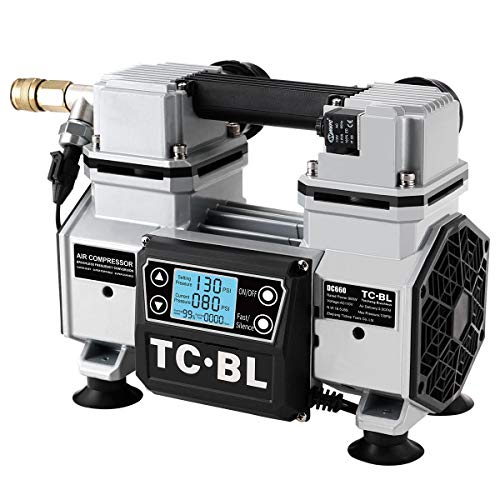
TC·BL Portable 110V Quiet Air Compressor

Makita MAC320Q Quiet Series 3-Gallon Compressor
More Details On Our Top Picks
Roadside top-offs and driveway tire checks are where the NOCO Air AL5 makes the most sense. The cordless design keeps you away from wall outlets, and the digital gauge helps you watch pressure without guessing. Auto-shutoff is the kind of detail that matters most when you’re juggling a valve stem and a busy curbside stop.
The trade-off is obvious, though, because a portable inflator like this is built for convenience rather than shop-level output. Compared with the heavier tanked units later in the list, it fits drivers who want a tidy grab-and-go tool more than a compressor for nailers or paint gear.
Strong Points
- Cordless operation keeps setup simple at home or on the road.
- USB-C charging fits modern charging habits and reduces cable clutter.
- Digital pressure readout supports more precise tire inflation.
- Auto-shutoff helps you stop at the target setting without hovering over the dial.
- Compact form slips into a trunk, glove box area, or garage shelf.
Things To Consider
- It’s aimed at inflation tasks, not tool-driven workshop work.
- Battery-powered convenience means you’ll want to keep it charged before trips.
- Tall truck or oversized tire setups may call for a more substantial compressor.
Feature Snapshot
Who It Suits Best
Commuters, suburban households, and drivers who want a quiet trunk companion will get the most from this one.
A Better Fit Elsewhere
For garage work that needs a tank, the DEWALT DWFP55130 suits finish carpentry far better.
Trim carpentry asks for pressure headroom, and the 200-PSI ceiling is the feature that gives this DEWALT room to breathe. Compared with the NOCO inflator, this is the more serious shop-side choice, the kind of unit you’d keep near a finish nailer instead of in a car console.
Quiet operation matters here because trim work often happens inside finished rooms where loud compressor cycling gets old fast. The honest read is that you’re paying for a more work-focused setup, so it suits you best when low noise and trim-tool support matter together.
What We Like
- 200-PSI max gives useful pressure reserve for trim tasks.
- Quiet running helps in occupied homes and shared workspaces.
- Compact portable form is easier to store than a larger shop tank.
- Well matched to finish carpentry and other light pneumatic tools.
Minor Gripes
- It’s more specialized than a general-purpose garage compressor.
- You’ll want to keep hoses and fittings organized so setup stays quick.
- Users who need larger reserve air may prefer a bigger tanked unit.
Core Details
Who Will Love This
Finish carpenters and serious home remodelers who want a quieter portable compressor will appreciate the pressure range here.
Where A Sibling Pick Shines
For smaller inflating tasks and no-cord portability, the NOCO Air AL5 suits daily driving better.
A 59 dB sound level is the detail that stands out here, because it points to a quieter working experience in close quarters. The 1-gallon tank keeps the package small, so it fits bench work, hobby spaces, and quick jobs where a larger compressor would feel like overkill.
Compared with the DEWALT above, this Metabo HPT leans harder toward compact convenience than pressure reserve. You also get a universal quick coupler, which speeds up tool changes and helps the whole setup feel less fussy during short projects.
Highlights
- 59 dB operation supports quieter use near living spaces.
- 1-gallon tank keeps the footprint manageable on crowded benches.
- Oil-free design cuts down on routine upkeep.
- Universal quick coupler makes swapping compatible tools easier.
- Lightweight build helps when you move it between rooms or shelves.
Room For Improvement
- Small tank size limits how long it can run heavier tools.
- Bench-level jobs fit best, while bigger framing work calls for more capacity.
Feature Rundown
Made For
Hobbyists, apartment garage users, and anyone doing small pneumatic tasks in tight spaces will get along well with this one.
Another Choice May Suit
The Klutch 29-Gallon Compressor fits you better for longer nailing or painting sessions that need more stored air.
Airbrushing puts a different kind of demand on a compressor, and the twin cooling fans are the feature that makes this kit stand out. They help the unit run longer without building heat as quickly, which matters during detailed artwork, model painting, or other extended sessions.
Compared with the Metabo HPT, this pick is less about general shop use and more about steadier output for fine work. The included regulator, water trap, and holder add convenience, so your setup feels more complete right out of the box.
Upsides
- Dual cooling fans support longer work sessions.
- Single-piston layout is straightforward for airbrush-focused use.
- Regulator lets you manage output more precisely.
- Water trap helps keep moisture out of the line.
- Holder included, which is handy on a cluttered bench.
Worth Noting
- It’s specialized gear, not a broad-purpose compressor for shop tools.
- Airbrush users still need to keep the trap and line clean.
- People chasing larger workshop volume will need a different class of compressor.
Feature Card
Best Suited To
Model painters, custom art hobbyists, and bench-based creators who need controlled airflow will like this setup most.
Look Elsewhere When
The VEVOR 10-Gallon Compressor makes more sense for auto repair or spray painting outside the airbrush world.
Ten gallons gives this Stark USA unit a more practical home-garage rhythm than the smaller bench compressors above. The horizontal tank layout also makes placement feel more grounded on a workshop floor, and the adjustable pressure feature adds a useful bit of control for mixed DIY tasks.
The 8.37 CFM figure points to better air delivery than the compact inflator and 1-gallon picks, so it suits tools that ask for more sustained output. The trade-off is simple: a unit this size needs more room, so storage and movement matter more than they do with the Metabo HPT or NOCO.
Bright Spots
- 10-gallon capacity gives more usable air for common garage work.
- Horizontal tank format can sit neatly along a wall.
- Adjustable pressure helps match different DIY tasks.
- 8.37 CFM supports broader utility than smaller portable units.
Points To Note
- It needs floor space, so it’s less convenient for cramped sheds.
- Moving a larger horizontal unit takes more planning.
- Noise-sensitive indoor spaces still benefit from a dedicated corner or garage bay.
Details At A Glance
The Right Fit
DIYers who split time between inflation, cleanup, and light tool work will find this size easier to justify than the smaller niche picks.
Swap It Out When
The NOCO Air AL5 is the smarter grab for drivers who only want a carry-anywhere tire inflator.
Dual cylinders are the headline here, and they usually point to steadier airflow for jobs that need a bit more consistency. The 10.5-gallon tank puts this HOTECHE in the same general size band as the Stark USA model, but the oil-free layout makes routine upkeep simpler for a garage or workshop.
The 150L/min flow figure gives you a good clue about its home in painting, air tools, and broader repair work. You may find the unit a little more involved to place than the compact models, yet that’s the price of having a more serious shop companion.
Standout Traits
- Dual-cylinder design supports more consistent airflow.
- Oil-free construction keeps routine maintenance simpler.
- 10.5-gallon tank gives useful reserve for workshop tasks.
- 150L/min flow suits painting and general air tool work.
Areas To Watch
- Bigger footprint makes storage planning more important.
- Best suited to garage or workshop settings rather than carry-everywhere use.
- Moisture management still matters for painting projects and line care.
Spec Overview
Built With In Mind
Home garage owners and weekend workshop users who want quieter output with more air reserve will get strong value from this setup.
A Better Fit Elsewhere
The Master Airbrush TC-326T is the tighter fit for detailed airbrush work on a bench.
The 29-gallon tank changes the tempo completely, because you get more reserve for longer nailing or painting sessions. The vertical design helps the compressor occupy less floor area than a broad horizontal tank, which matters in a crowded shop.
Compared with the Stark USA 10-gallon unit, this Klutch feels more prepared for sustained work rather than occasional DIY bursts. The large wheels and maintenance-friendly tank drain are practical touches that make day-to-day ownership easier, especially once the unit becomes part of a fixed workspace.
Best Bits
- 29-gallon capacity supports extended shop use.
- Vertical design saves floor space in a packed garage.
- 5.1 CFM at 90 PSI helps with longer tool cycles.
- Large wheels improve movement within the shop.
- Tank drain design makes routine moisture release less annoying.
Softer Spots
- It’s large, so storage planning matters from day one.
- More compressor than casual inflating needs usually require.
- Shop users with limited electrical setups should confirm placement carefully.
Technical Sheet
Whose Shelf It Belongs On
Serious garage tinkerers and weekend project regulars who need a larger quiet compressor will get the most out of it.
Another Choice May Suit
The VEVOR 10-Gallon Compressor is the easier fit for mixed use in a smaller garage.
A steel tank tends to feel reassuring in a garage setting, and the 10-gallon size gives this VEVOR a practical middle ground. The 78 dB rating keeps the sound profile in a more restrained zone than many loud shop units, which helps during auto repair or spray painting in a shared space.
Compared with the Klutch, this model gives up some reserve and maximum pressure, but it also stays in a friendlier size range for mixed household use. The oil-free layout keeps upkeep lighter, and that matters when you want a compressor that doesn’t ask for much special attention.
Positives
- 10-gallon steel tank balances size and usefulness.
- 78 dB sound profile is friendlier than many workshop units.
- 2HP motor supports everyday garage tasks.
- Oil-free design reduces routine maintenance effort.
- 125 PSI ceiling covers a wide spread of common jobs.
Small Caveats
- It’s still a floor-standing compressor, so storage space matters.
- Users who need extended run time may want a larger tank.
- Paint work still benefits from careful line and moisture management.
Core Details
Who Should Grab It
Home mechanics and garage users who want a middle-sized compressor with a quieter profile will find this one easy to live with.
Skip It When
The Klutch 29-Gallon Compressor is the better move for long painting or nailing sessions that need more reserve.
This TC·BL unit keeps the footprint small and the structure light, which is the main reason it belongs on a quiet-compressor shortlist. The 110V power setup makes it feel at home in standard household spaces, and the oil-free build keeps upkeep from turning into a chore.
Compared with the VEVOR and Klutch options, it gives you a simpler path for basic inflating and light-duty work rather than broad workshop range. That makes it a sensible fit for a laundry room corner, small garage shelf, or another spot where you want usable air without a bulky machine.
Reasons To Buy
- Lightweight design is easy to shift and store.
- Oil-free setup keeps routine maintenance simple.
- 110V compatibility suits standard household power.
- Small size works well in tight storage areas.
Areas To Watch
- It’s best for light-duty jobs rather than broad tool use.
- Small form factor means less reserve air.
- Users who want a workshop anchor should move up to a tanked model.
Feature Snapshot
Right Fit
Apartment garages, utility rooms, and casual users who only need a small quiet compressor will appreciate the straightforward format.
Reach For A Different Pick When
The Stark USA 10-Gallon Compressor suits you better once your jobs outgrow simple inflating.
The Makita MAC320Q feels tailored to people who want a quieter compressor with a cleaner, more polished small-format footprint. The 3-gallon size keeps it compact, yet the 1-1/2 HP motor gives it more substance than the tiny inflators and bench units earlier in the list.
Compared with the TC·BL, this pick sits in a more refined class for workshop use, though it still stays manageable for home storage. The oil-free design helps with upkeep, and that matters when you want a compressor that feels ready without much fuss.
Plus Points
- Compact 3-gallon tank suits tighter storage spaces.
- 1-1/2 HP motor adds useful capability for small shop tasks.
- Oil-free construction keeps ownership simple.
- Quiet Series positioning makes it easier to live with nearby.
Honest Caveats
- Small tank size limits extended tool runtime.
- It makes more sense for lighter shop use than heavy production work.
Feature Rundown
Built With In Mind
Home workshop users who want a quieter, more polished compact compressor will get the most from this Makita.
Where Another Pick Suits Better
The Klutch 29-Gallon Compressor is the stronger fit for longer nailing or painting runs that need a bigger air reserve.
How To Choose The Right Ultra-Quiet Air Compressors
Match Noise Level To Your Space
Sound matters most when the compressor lives near people, pets, or finished walls. A low-noise inflator like the NOCO Air AL5 works for curbside use, while a 59 dB unit like the Metabo HPT EC28M feels far more comfortable beside a bench or in a garage with the door open.
Decibel ratings are not the whole story, because tank size and duty cycle change how often the unit kicks on. A quieter compressor that runs constantly can still feel intrusive, so think about the whole pattern of use rather than one spec alone.
Choose Capacity For The Work You Actually Do
Tiny inflators suit tires and quick top-offs, while 1 to 3 gallon units make more sense for small tools and hobby tasks. Once you move into 10 gallons or more, you’re shopping for longer runtime and less waiting between cycles.
That’s the reason the Stark USA 10-gallon, HOTECHE 10.5-gallon, and Klutch 29-gallon models sit in very different parts of this roundup. Bigger tanks help with sustained work, but they also need more storage room and a bit more planning around placement.
Look At Output, Pressure, And Recovery
CFM, or cubic feet per minute, tells you how much air a compressor can deliver over time. Pressure, usually shown in PSI, tells you how hard that air can be pushed, and both numbers matter once you move beyond simple inflation.
Fast recovery helps during trim work, nailing, and painting because it shortens the pause between cycles. The DEWALT DWFP55130, Klutch 29-Gallon, and VEVOR 10-Gallon all appeal to you for different reasons, but each gives a clearer path to tool use than the small portable inflators.
Think About Maintenance And Storage
Oil-free designs reduce routine care, which is helpful for garage users who want a simpler setup. Vertical tanks save floor space, horizontal tanks can feel more stable in a fixed corner, and lighter portable units make sense when you move gear around often.
Moisture control still matters on many compressors, especially for painting and finish work. A tank drain and a regulator are not glamorous details, yet they make day-to-day ownership smoother than raw horsepower ever will.
What To Weigh Before You Commit
Wrong Turns To Avoid
Many shoppers start with noise and forget the job. That leads to a quiet compressor that feels too small for nailers, spray work, or longer garage sessions.
Another common miss is storage. A 29-gallon unit may be calm on your ears, but it asks for a real corner of the shop and a plan for moving it.
The Upgrade Payoff
Higher-tier compressors usually cost more because they add larger tanks, stronger motors, better airflow, and more stable runtime. You also often get smoother extras like regulators, water traps, quick couplers, or wheels that make ownership less clumsy.
That upgrade makes sense when your compressor becomes part of routine work instead of an occasional convenience. For light inflation, a compact cordless unit is enough, but regular carpentry, painting, or multi-tool use rewards the jump to a sturdier machine.
Frequently Asked Questions
What makes an air compressor feel quiet?
Lower decibel ratings are the starting point, but tank size and how often the motor cycles also shape the experience. Oil-free construction and slower recovery patterns can help keep the noise from feeling harsh.
Do you need a tank for quiet use?
Not always, because cordless inflators can stay very manageable for tire top-offs. Tanks matter more once you start using tools that draw air repeatedly.
Which size works best for home garages?
Ten gallons is a practical middle ground for many home garages. Smaller units fit compact tasks, while larger ones suit longer tool sessions.
Is oil-free worth it?
Oil-free compressors are easier to live with for routine ownership because they remove a maintenance step. That trade-off often makes sense for casual and mid-duty use.
What should you check before ordering?
Match the compressor to the tools and tasks you already own. Also check available storage space, power needs, and whether portability matters more than air reserve.
Closing Thoughts
You have plenty of good paths here, but the right one depends on how you actually work. For road trips and tire care, the NOCO Air AL5 keeps things simple, while the DEWALT, Makita, and Klutch models move you into more serious shop territory. Quiet matters, but capacity, output, and storage shape daily happiness just as much. Pick the compressor that fits your space first, then let the noise level be the final filter.