Small air compressors earn their keep in garages, on job sites, and in the back of a vehicle when you need air without hauling a giant tank around. You may be topping up tires, running trim tools, or handling quick nailer work, and the right size matters as much as raw pressure. The picks below focus on portability, tank size, airflow, and the sort of day-to-day use that makes sense for home projects and weekend jobs.
The Shortlist At A Glance

NOCO Air AL5 Cordless Tire Inflator

DEWALT Air Compressor for Trim DWFP55130

VEVOR 6.3 Gallon Air Compressor 2 HP 3.35 CFM

DEWALT Air Compressor 225-PSI Max D55146

Craftsman Air Tools 2 Gallon Portable Air Compressor CMXECXA0200243

VEVOR 2.1 Gallon Air Compressor 1.2HP 2.2 CFM
ECOMAX Air Compressor 6 Gallon 150 PSI Pancake Tank
Ironton Air Compressor 3-Gallon 0.3 HP 110 PSI
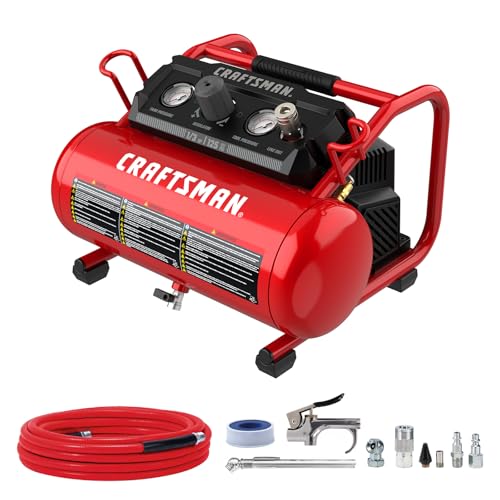
CRAFTSMAN Air Compressor 2 Gallon Portable Air Compressor 1/3HP
JACO 4X4 TrailPro Heavy Duty Portable Air Compressor
More Details On Our Top Picks
Roadside convenience is the whole point here, and the cordless design keeps the NOCO Air AL5 easy to grab from a trunk or garage shelf. The digital gauge and auto-shutoff setup also makes it friendlier for routine tire top-offs, especially for commuting vehicles and family SUVs with tires up to 31 inches.
Compared with the tank-based picks farther down the list, this one is about mobility first, not shop throughput. You may find the USB-C charging setup especially handy for travel bags and tidy storage, though the trade-off is obvious: it is built for inflation tasks, not repeated air-tool use.
Strong Points
- Cordless format keeps it useful in parking lots, driveways, and roadside stops.
- Digital readout helps you track pressure without guessing.
- Auto-shutoff reduces the chance of overfilling during routine checks.
- USB-C charging fits modern charging habits and cuts down on cable clutter.
Things To Consider
- It’s aimed at inflation, so it does not replace a workshop compressor.
- Battery-based gear needs regular charging before a trip or long commute.
Feature Snapshot
Who It Suits Best
Commuters, road-trippers, and drivers who want a grab-and-go tire inflator with minimal setup will get the most from it.
Where Another Pick Suits Better
DEWALT Air Compressor for Trim DWFP55130 suits finish carpenters and trim work better, since it’s built for a steadier air-tool role rather than portable tire care.
Trim work asks for steady air delivery more than flashy features, and this DEWALT model fits that brief with a 200-PSI maximum. In a finish carpentry setup, that higher ceiling can help you keep useful pressure in reserve for nailers and other trim tasks.
Compared with the cordless NOCO inflator, this is a workshop machine that expects a proper setup and some floor space. The honest read is that it makes far more sense for someone trimming a room than for someone topping off tires in a parking lot.
What We Like
- Higher max pressure gives you more headroom for trim-related air tools.
- Quiet operation suits garages, basements, and indoor project spaces.
- Well matched to finish work, where consistent output matters more than portability.
- DEWALT’s familiar layout is comfortable for tool-focused home setups.
Worth Noting
- It takes a more permanent spot than the smaller carry-friendly inflators.
- Quiet operation does not mean silent, so placement still matters in a shared space.
- It’s a specialization piece, not the broadest option for every garage chore.
At A Glance
Who Will Love This
Finish carpenters and home DIYers doing trim work will appreciate the way it leans toward tool support rather than travel convenience.
A Better Fit Elsewhere
Craftsman Air Tools 2 Gallon Portable Air Compressor CMXECXA0200243 is the better call for shoppers who want a smaller, easier-to-stow compressor for lighter household jobs.
This VEVOR lands in the more serious home-shop lane, with a 6.3-gallon tank and 3.35 CFM at 90 PSI. CFM, or cubic feet per minute, tells you how much air the machine can move, and that matters for tasks that keep drawing air instead of stopping and starting.
Compared with the DEWALT trim unit, it’s better suited to broader garage work, from tire inflation to spray painting and nailing. You may find the oil-free tank easier to live with too, since it removes one maintenance step that older compressors often ask for.
Highlights
- 6.3-gallon tank gives you a more workable buffer for steady tasks.
- 2 HP output supports a wider spread of garage jobs.
- Oil-free design keeps day-to-day upkeep simpler.
- Good match for homeowners who bounce between inflation, nailing, and painting.
Points To Note
- It takes more floor and storage room than the smaller 2-gallon choices.
- Larger-tank units are less grab-and-go for vehicle travel.
- For small apartments or tight closets, the size may feel generous in the wrong way.
Core Details
Made For
Home garage users who want one compressor for inflation, nailing, and occasional finishing work will get strong utility from this size class.
Skip It When
DEWALT Air Compressor 225-PSI Max D55146 is the smarter route for users who want higher pressure in a more workshop-focused format.
The hand-carry body with wheels makes this DEWALT feel built for moving between spots without treating it like luggage. That matters on busy job days, because 4-1/2 gallons of capacity and a 225-PSI ceiling give you a more capable base than the smaller homeowner tanks.
Compared with the 6.3-gallon VEVOR, this one leans toward portability and higher pressure rather than outright tank volume. You may appreciate the balance more than the raw numbers, especially in a garage that still needs some elbow room.
Upsides
- 225-PSI maximum pressure gives you a high headroom figure for versatile tool use.
- Wheels help move it around a shop or garage more easily.
- 4-1/2-gallon tank offers a middle ground between compact and bulky.
- Good fit for users who want more capability than a tiny inflator.
Room For Improvement
- It still asks for storage space compared with true carry-only inflators.
- The wheel-and-carry format suits garages better than trunk kits.
- That higher pressure rating matters most when your tools can actually use it.
Technical Sheet
Best Suited To
Shop owners and serious home mechanics who move between stations will get the most from the wheel-assisted format.
Where A Sibling Pick Shines
VEVOR 2.1 Gallon Air Compressor 1.2HP 2.2 CFM makes more sense for cramped storage spots and lighter-duty setups.
The hot-dog tank shape keeps this Craftsman compact without making it feel toy-like, which is a useful middle ground for home garages. A 2-gallon tank and 1/3 HP motor point toward lighter-duty tasks, so you get a sensible fit for trim touch-ups, inflation, and small repairs.
Compared with DEWALT’s bigger wheel-assisted unit, this one is easier to tuck away after the job. The trade-off is output headroom, and that’s a fair exchange for someone who values portability over longer run sessions.
Best Bits
- 2-gallon size keeps it easy to store on a shelf or in a corner.
- Oil-free design cuts down on routine maintenance needs.
- 125-PSI maximum works well for light household compressor tasks.
- Hot-dog layout helps it sit neatly in tighter garages.
Small Caveats
- The smaller tank means more frequent cycling during longer jobs.
- It’s better for lighter use than for sustained air-tool work.
Feature Rundown
Right Fit For
Homeowners who want a compact compressor for garage shelves, weekend fixes, and modest inflation jobs will find the size appealing.
Another Choice May Suit
ECOMAX Air Compressor 6 Gallon 150 PSI Pancake Tank suits users who want a larger tank and a more complete accessory bundle.
This VEVOR is the smallest tank in the main compressor group, and that matters for storage as much as it does for use. A 2.1-gallon tank with 1.2 HP and 2.2 CFM at 90 PSI gives you a compact footprint for quick jobs, though not the kind of reserve you’d want for longer air-tool sessions.
Compared with the Craftsman 2-gallon unit, it sits in the same light-duty lane but with a slightly different output profile. One thing worth considering is that this kind of compressor feels most comfortable in a small garage or workshop where space is tight.
Reasons To Buy
- Very small tank size keeps storage simple.
- Oil-free construction makes upkeep more straightforward.
- Good match for light inflation and short, simple jobs.
- Lower physical bulk helps in crowded work areas.
Areas To Watch
- Smaller tank capacity means less buffer during longer jobs.
- It is not the pick for sustained spray or nailing sessions.
- The compact design is useful, but not every task needs such a small format.
Details At A Glance
Built With In Mind
Shoppers with cramped storage and modest air needs will get the most practical use from this smaller format.
Look Elsewhere When
VEVOR 6.3 Gallon Air Compressor 2 HP 3.35 CFM is the better match for users who need more reserve and broader garage versatility.
Six gallons and a 150-PSI ceiling put this ECOMAX into practical garage territory without pushing it into bulky shop-only territory. The included 10-piece accessory kit matters too, because a starter setup often feels more complete when you do not need to assemble every small piece separately.
Compared with the Craftsman 2-gallon model, this one gives you more tank room and a broader starting kit. The honest read is that it suits first-time compressor setups well, especially for homeowners who want fewer missing parts on day one.
Bright Spots
- 6-gallon pancake shape is a familiar, easy-to-store format.
- 150 PSI gives a comfortable margin for common home tasks.
- Accessory kit adds usefulness right out of the box.
- Oil-free tank keeps routine upkeep simpler.
- Good balance for garage inflation and light tool use.
Minor Gripes
- The broader feature set still needs enough storage room to be practical.
- Accessory kits help, but they can also mean extra pieces to keep organized.
Core Details
The Right Fit
Starter garages, weekend fixers, and homeowners setting up their first compressor station will appreciate the included accessories and usable tank size.
Swap It Out When
Ironton Air Compressor 3-Gallon 0.3 HP 110 PSI is the simpler option for users who want a smaller compressor that stores even more easily.
The Ironton leans hard into simplicity, with a 3-gallon oil-free tank and a pancake shape that should sit neatly in a garage corner. For light workshop chores, that kind of no-nonsense setup can be exactly what you want, especially when easy storage matters as much as output.
Compared with the ECOMAX 6-gallon unit, this one is the calmer, smaller-footprint choice. You may find the lower horsepower and lower PSI ceiling perfectly reasonable for basic air-tool use, though it is not the pick for heavier sessions.
Positives
- 3-gallon tank keeps the footprint manageable.
- Oil-free setup means less routine maintenance fuss.
- Pancake form is easy to tuck away in a garage.
- 110 PSI suits light shop and garage use.
Room For Improvement
- It is a modest-output compressor, so large jobs call for patience.
- The lower horsepower rating places it in a lighter use class.
Spec Overview
Whose Shelf It Belongs On
Homeowners who want a compact, easy-to-store compressor for light garage work and occasional inflation will get the most practical value here.
Reach For A Different Pick When
DEWALT Air Compressor 225-PSI Max D55146 is the stronger route for users who want higher pressure and more mobility around a larger work area.
This CRAFTSMAN sits in the same light-duty class as the earlier 2-gallon Craftsman model, but the lighter-weight framing nudges it toward easier carrying. A 1/3 HP motor and 125 PSI maximum keep it in the zone where quick household inflation and minor repairs make the most sense.
Compared with the Ironton 3-gallon unit, this one gives you a similar compact mindset with a slightly different portability angle. The trade-off shows up in runtime, so it fits best where short jobs matter more than extended air supply.
Strong Points
- Lightweight build helps when you move it between rooms or garages.
- 2-gallon tank keeps storage straightforward.
- Oil-free operation reduces maintenance demands.
- 125 PSI gives usable pressure for common light tasks.
- Accessory kit adds practical value for first-time setup.
Softer Spots
- It is still a small compressor, so it is not built for long, continuous output.
- The light-duty frame works best for quick jobs rather than demanding tools.
Technical Sheet
Perfect Match For
Apartment garages, small storage rooms, and homeowners who want a lightweight compressor for brief tasks will appreciate this format.
Skip It When
VEVOR 6.3 Gallon Air Compressor 2 HP 3.35 CFM is the stronger choice for users who want more tank reserve and broader shop use.
This JACO is the off-road specialist in the group, built around 12V, 33A power and 3.5 CFM for trail tire work. That makes it a much more vehicle-centered choice than the garage tanks above, especially for overland rigs and recovery kits.
Compared with the cordless NOCO inflator, it leans harder into trail readiness and sustained tire support rather than grab-and-go simplicity. You may find the dedicated off-road focus worthwhile if your setup lives in a truck or 4×4, but it is less of a general garage all-rounder.
What We Like
- 3.5 CFM output gives it strong tire-inflation relevance for off-road use.
- 12V, 33A setup fits vehicle-based systems.
- Heavy-duty construction suits trail gear and recovery kits.
- Good match for larger tires and regular overland travel.
Honest Caveats
- It’s designed around vehicle use, so it is not as versatile in a home workshop.
- The off-road focus makes it less useful for people who mainly want garage inflation.
Core Details
Who Should Grab It
4×4 owners, overlanders, and drivers who keep a compressor in the vehicle for tire work will get the most from this setup.
Where A Sibling Pick Shines
NOCO Air AL5 Cordless Tire Inflator makes more sense for drivers who want a lighter, battery-powered option for everyday tire checks.
How To Choose The Right Small Air Compressors
Tank Size, Pressure, And Airflow
Tank size affects how long you can run a tool before the compressor has to refill. Pressure, measured in PSI, tells you how much force the air can deliver, while CFM shows how much air moves each minute, which matters more for tools that keep drawing air.
For tire inflation and quick blow-off work, smaller tanks can be enough. For nailers, trim tools, and paint-related jobs, the combination of tank size and CFM matters more than a single headline number.
Portability And Storage Reality
Portable compressors only help when they fit your space and your routine. A cordless inflator makes sense in a trunk or storage bin, while a 6-gallon pancake tank belongs closer to a garage wall or workshop corner.
Wheel kits and hand-carry frames can make a big difference in a shop with multiple work spots. On the other hand, smaller tanks are easier to lift, but they usually ask for more frequent cycling during longer tasks.
Oil-Free Or Oil-Lubricated
Oil-free compressors suit owners who want less routine upkeep and simpler storage. They are common in compact home units because they remove one maintenance step that can feel annoying in small-space setups.
Oil-lubricated models are often used in more demanding shop settings, though none of the picks above depend on that style. For most home garages, oil-free is the easier path, especially when your compressor sits unused between weekend projects.
Match The Compressor To The Job
Think in terms of tasks, not only size. Tire filling, finish carpentry, accessory kits, and off-road inflation all ask for different mixes of pressure, airflow, and mobility.
A cordless inflator suits drivers first. A larger tank suits home projects better. That simple split keeps you from paying for capability you won’t use.
Things Worth Knowing First
Common Shopping Slip Ups
Many people focus on PSI alone and skip airflow, which leaves them with a machine that sounds strong but struggles with tools. Others overlook size, then end up with a compressor that clogs a corner of the garage.
Accessory bundles can also distract from the core fit. A kit looks handy, but the compressor itself still needs the right tank size and output for your work.
The Case For Spending Up
Higher-tier compressors usually buy you more tank capacity, stronger pressure ceilings, steadier airflow, and better mobility hardware. That extra money often goes into parts that make the compressor feel less strained during repeat use.
The upgrade makes sense for busy garages, job-site tasks, or anyone using air tools beyond occasional inflation. For simple tire checks, the premium route can be more machine than you need.
Frequently Asked Questions
What size air compressor works for home use?
A 2 to 6 gallon compressor covers many home tasks without taking over your storage space. Cordless inflators handle tire care, while larger tanks suit nailers and light shop work.
Is oil-free better for small compressors?
Oil-free designs are easier to live with because they cut down on routine upkeep. That simplicity is a strong fit for garages and occasional use.
What does CFM mean on a compressor?
CFM means cubic feet per minute, which is a way to measure airflow. Higher CFM helps tools that need a steady air supply instead of short bursts.
Do I need wheels on a portable compressor?
Wheels help once the tank gets large enough to feel awkward in hand. Smaller inflators and 2-gallon units usually stay easier to lift.
Which type suits vehicles best?
Battery inflators and 12V trail compressors suit vehicle use better than shop tanks. They’re easier to carry, store, and keep ready in the trunk or cargo area.
Closing Thoughts
The right small air compressor depends on how you really work, not on the biggest number on the page. A cordless inflator keeps tires simple, a 2-gallon unit handles light home jobs, and a 6-gallon pancake or wheel-assisted model gives you more room to grow. For shop work, airflow matters; for travel, portability wins. Choose the size that fits your space and your routine, and the tool will feel useful instead of oversized.