Cat litter scatter has a way of showing up in hallways, under chairs, and along baseboards just when you thought the floor was clear. This roundup focuses on robot vacuums and self-cleaning litter boxes that make daily upkeep easier in homes with pets, hard floors, mixed flooring, or multiple cats. You’ll also see which picks suit tighter spaces, heavier shedding, and low-touch cleaning routines.
The list mixes floor-cleaning robots with litter-box options, because the right answer depends on whether your bigger headache is tracked litter or the box itself. A slim vacuum can handle the grit around the box, while a self-cleaning litter system can cut down on manual scooping. That split matters more than flashy specs.
Quick Look At The Shortlist
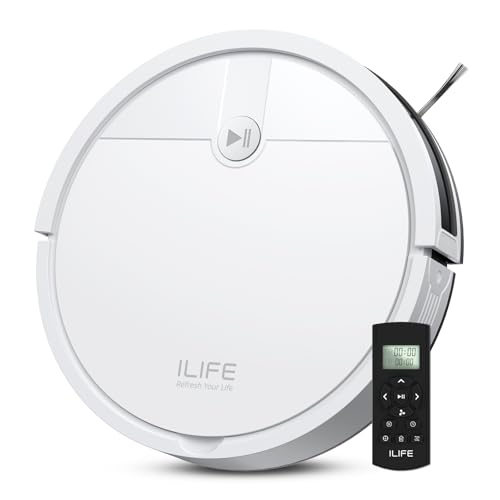
ILIFE V2 Robot Vacuum Cleaner Slim Self-Charging

MONSGA Robot Vacuum and Mop Combo 8000Pa LiDAR

Furbulous Self-Cleaning Packing Litter Box
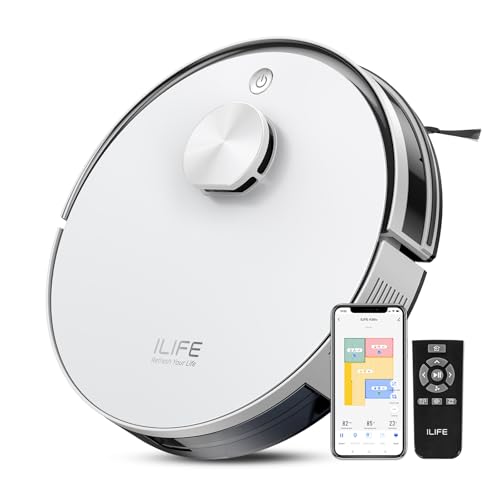
ILIFE A30s Robot Vacuum 10000Pa LiDAR

Robot Vacuum and Mop 2.87-Inch Slim Design
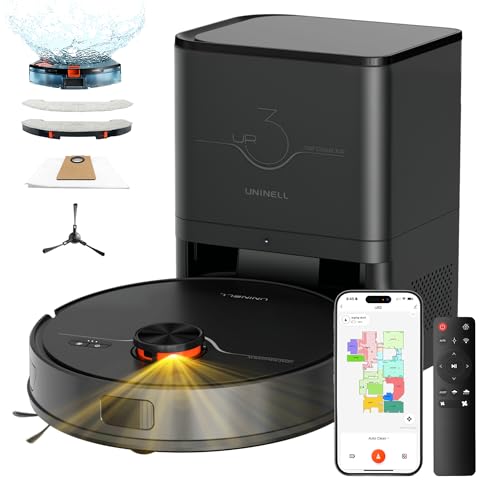
Robot Vacuum and Mop Self-Emptying Station 7000Pa

FEELNEEDY Automatic Self-Cleaning Litter Box 65L

Petcove PurrTek Smart App Litter Box
More Details On Our Top Picks
Tracked litter around a box on hard floors is exactly the kind of mess this ILIFE model fits well. The slim body helps it work under furniture and along edges, and the tangle-resistant suction setup makes sense in homes where pet hair and grit show up together.
The 120-minute runtime matters more than it sounds, because longer sessions can cover a small apartment or a few connected rooms without a mid-job pause. It’s a practical match for simple floor plans, though you may want a more map-driven robot later if your home has lots of closed-off spaces.
Strong Points
- Low profile reaches under many couches and cabinets.
- Self-charging keeps routine upkeep simple.
- Good fit for pet hair on hard flooring.
- Tangle-aware suction helps reduce brush fuss.
Points To Note
- Basic navigation can feel less precise than LiDAR models.
- Carpet-heavy homes usually need more capable pickup control.
Feature Snapshot
Who It Suits Best
You want a straightforward robot for hard floors, especially around a litter area where loose granules keep reappearing.
A Better Fit Elsewhere
MONSGA Robot Vacuum and Mop Combo 8000Pa LiDAR suits you better if mapping, auto-empty convenience, and stronger all-around coverage matter more.
This MONSGA combo steps up the feature load right away, especially with LiDAR mapping, which uses laser-based room scanning to build cleaner routes and better room awareness. For homes with mixed flooring and a litter box in a predictable spot, that kind of mapping can save you from the robot wandering around the same patch.
The self-emptying station is the real convenience play here, since you’re not emptying the dust bin as often. The trade-off is a more involved setup and more floor space around the dock, so it fits best in homes where convenience outranks a compact footprint.
What We Like
- 8000Pa suction gives it serious pickup headroom.
- LiDAR mapping helps it handle room layouts more cleanly.
- Self-emptying reduces day-to-day bin handling.
- Anti-tangle design suits homes with pet fur.
- Vacuum-and-mop format helps with fine litter dust.
Softer Spots
- The dock needs more room than a basic charging base.
- Mop upkeep adds another cleaning step.
- More features can mean a longer learning curve.
Core Details
Made For
You want a more automated vacuuming setup and don’t mind a larger dock beside the litter area.
Swap It Out When
ILIFE V2 Robot Vacuum Cleaner Slim Self-Charging works better for a smaller space where a simpler dock and leaner footprint matter more.
This is the most different item in the lineup, because it tackles the litter box itself instead of the floor around it. The self-packing and refill approach matters for households tired of bagging waste by hand, and the extra-large interior gives more breathing room for larger cats or multi-cat use.
The sensor package is there to help the box react to a cat’s presence, while the app support adds remote monitoring and weight tracking. That said, you’ll want to keep up with washable parts and app setup, since convenience systems still need regular care.
Bright Spots
- Self-packing design reduces direct waste handling.
- Auto-refill system cuts down on refill chores.
- Sensor set adds a useful safety layer.
- Quiet operation suits apartments and shared rooms.
- App control helps you check usage remotely.
Small Caveats
- App-driven gear asks for a bit more setup time.
- Washable parts still need routine attention.
- Size makes it less discreet than a standard tray.
Details At A Glance
Right Fit For
You want a high-convenience litter box for a larger cat or a multi-cat home, and you’re fine with a more involved setup.
Look Elsewhere When
FEELNEEDY Automatic Self-Cleaning Litter Box 65L makes more sense if you want a simpler app-led litter box with a different style and a more compact feature set.
Among the floor-cleaning options, this ILIFE model leans hardest into suction and mapping. The 10000Pa figure points to stronger pickup on pet hair and litter dust, while LiDAR navigation and no-go zones give you more control over where it cleans and where it stays out.
That longer 150-minute runtime suits larger layouts, or a first floor that collects mess in several zones. It’s the kind of machine that makes sense for busy homes, though the more advanced controls may feel like extra homework for anyone who just wants a simple spin around the kitchen.
Upsides
- High suction helps with stubborn litter scatter.
- LiDAR mapping improves room-by-room planning.
- No-go zones give you better boundary control.
- App, voice, and remote control widen convenience options.
- Long runtime helps with larger floor plans.
Room For Improvement
- Feature depth can feel busy at first.
- Works best when your floor plan is laid out clearly.
Feature Rundown
Who Should Grab It
You want a stronger all-around vacuum for a larger home where tracked litter and pet hair both show up often.
Where A Sibling Pick Shines
ILIFE V2 Robot Vacuum Cleaner Slim Self-Charging is the easier fit for a smaller apartment where simple floor care matters more than deeper controls.
Space matters here, and this robot’s 2.87-inch profile makes that obvious. Low-clearance furniture, toe-kick edges, and the dust line near a litter station are exactly the kind of places a slimmer body can reach more easily than a bulkier combo unit.
The 2-in-1 vacuum-and-mop format adds value for hard floors, especially where fine litter dust sticks around after the visible pieces are gone. The trade-off is that the more tasks you ask of it, the more often you’ll want to pay attention to tank care and routine upkeep.
Best Bits
- Very slim body fits under low furniture.
- Vacuum-and-mop setup helps with dusty floors.
- Wi-Fi, app, and voice control add convenience.
- 3D obstacle avoidance helps it work around furniture legs.
- Self-charging keeps it ready for routine use.
Areas To Watch
- The slim frame can mean smaller onboard capacity.
- Mop care adds maintenance after wet cleaning.
- Complex rooms still benefit from clear floor paths.
Spec Overview
The Right Fit
You live with low furniture and want a slim, multi-surface robot that can help with litter dust on hard floors.
Skip It When
MONSGA Robot Vacuum and Mop Combo 8000Pa LiDAR suits you better if room mapping and a more advanced cleaning dock matter more than a slim body.
Sometimes the smartest setup is the one that keeps the routine light, and this one leans into that with a self-emptying station. The 7000Pa suction level sits in a practical middle ground for pet hair on carpets and litter dust on hardwood, which makes it feel steady rather than flashy.
LiDAR navigation and no-go zones add the sort of control that helps in multi-floor homes, especially when one area has a litter box and another has scattered toys or bowls. The quieter operation is a nice touch, though the dock footprint still deserves a real corner instead of a tight squeeze.
Reasons To Buy
- Self-emptying base cuts down on routine bin work.
- LiDAR support helps it map rooms clearly.
- No-go zones give you better placement control.
- Quiet operation suits shared living spaces.
- Works well across hardwood and carpet.
Minor Gripes
- The dock takes meaningful space near the wall.
- Voice control only helps once your setup is finished.
- More features mean more pieces to keep clean.
Quick Facts
Whose Shelf It Belongs On
You want a more hands-off floor cleaner that still stays manageable for an everyday home.
Another Choice May Suit
ILIFE A30s Robot Vacuum 10000Pa LiDAR suits you better if stronger suction and longer runtime matter more than a self-emptying station.
The cat-ear design gives this box a more playful look, but the useful part is the 65L capacity and real-time app monitoring. For multi-cat homes, that combination can make it easier to keep tabs on usage without checking the box every hour.
Safety sensors are the main reassuring detail, since automatic litter systems need to behave predictably around pets. You’ll still have routine tasks like trash bag handling and general cleaning, but the day-to-day load is lighter than a standard open tray.
Highlights
- Large 65L size suits shared cat spaces.
- App monitoring helps you track litter-box activity.
- Safety sensors support careful automatic operation.
- Distinct design makes it feel less utilitarian.
Worth Noting
- You still need to handle waste bags regularly.
- App features add setup steps at the start.
- Themed styling may not suit every room.
Core Details
Built With In Mind
You want a self-cleaning litter box for a busy household and like keeping an eye on usage through an app.
A Better Fit Elsewhere
Furbulous Self-Cleaning Packing Litter Box is the more advanced option if self-packing waste handling matters more than the playful design.
Petcove leans into the polished end of the litter-box category, especially with 5GHz Wi-Fi and smart app control. That faster wireless band can be useful in busy homes with crowded networks, where a steadier connection often makes app features feel less fussy.
Triple odor control is the headline comfort feature, and the quiet operation gives it a calmer profile than many bulkier auto boxes. The advanced safety sensors round out the package, though you’ll still want to keep a close eye on setup and cleaning routines, because premium gear usually asks for a bit more attention.
Best Bits
- 5GHz Wi-Fi suits connected homes with heavier network traffic.
- Triple odor control adds extra comfort around the box.
- Quiet operation works well in shared rooms.
- Advanced sensors support cautious automatic use.
- Smart app control keeps management close at hand.
Honest Caveats
- App and wireless setup can take patience.
- More advanced features usually mean more upkeep.
- Works best in a spot with enough surrounding space.
Technical Sheet
Perfect Match For
You want a more refined automatic litter box and value app control, quieter operation, and steadier connectivity.
Reach For A Different Pick When
FEELNEEDY Automatic Self-Cleaning Litter Box 65L suits you better if a larger, more playful box style feels like the better fit for your space.
How To Choose The Right Robotic Vacuum For Cat Litters
Match The Machine To The Mess
Tracked litter behaves differently from loose pet hair, so suction matters more than glossy marketing language. A robot vacuum with stronger pickup and a low body works better near litter boxes, especially on hard floors where granules spread fast.
Floor layout matters too. A simple robot can suit an open apartment, while LiDAR mapping helps in homes with hallways, furniture clusters, or rooms you want cleaned in a set order.
Think About Maintenance Before Features
Auto-empty docks, mopping pads, and app controls all sound convenient until cleaning day arrives. Each extra system adds parts you’ll need to empty, rinse, or keep charged, so the easiest pick is often the one with the fewest steps you won’t mind repeating.
That’s especially true near litter, where dust and debris collect quickly around brushes and bins. A brush that resists tangles and a bin that empties cleanly can matter more than a long feature list.
Choose By Room Style And Pet Routine
Homes with one litter station and a predictable path benefit from compact robots and straightforward controls. Multi-cat homes, or homes with more than one floor, usually get more value from mapping, no-go zones, and self-emptying bases.
For litter boxes, the big question is whether you want less scooping, less odor, or remote monitoring. Those goals point to different designs, so the right choice is the one that fits your cleaning rhythm instead of asking you to create a new one.
What To Weigh Before You Decide
Wrong Turns To Avoid
Many shoppers focus on suction alone and ignore the dock, body height, or navigation style. That can backfire in homes where the robot needs to slide under furniture or work around a tight litter nook.
Another common miss is buying a litter box system with more automation than you actually want to maintain. A simpler setup often serves better than a fancy one that adds chores in a different place.
When Paying More Pays Off
Higher-tier models usually cost more because they add LiDAR mapping, stronger suction, self-emptying docks, better app control, or more careful sensor systems. In this category, those upgrades are about fewer interruptions and less manual handling.
That extra spend makes sense in multi-cat homes, bigger floor plans, or places where litter scatter shows up every day. It matters less in a small space with one cat and a simple cleanup routine.
Frequently Asked Questions
What makes a robot vacuum work well around cat litter?
Strong suction, a slim body, and a brush system that handles grit without constant tangling help a lot. Navigation also matters, because the robot needs to cover the litter zone without getting stuck on furniture legs.
Do self-emptying docks help with pet mess?
Yes, they cut down on how often you empty the dust bin by hand. That helps most in homes where litter dust and fur build up quickly.
Is mopping useful near a litter box?
It can be, especially on hard floors where fine dust lingers after the visible pieces are gone. It does add another part to clean, so you’ll want that trade-off to make sense for your routine.
What helps most in a multi-cat home?
A larger litter box, better sensors, and app monitoring can make day-to-day management easier. For floor care, mapping and stronger suction help keep the surrounding area under control.
Should you choose a robot vacuum or a self-cleaning litter box?
That depends on where the biggest mess starts. A robot vacuum handles the scatter around the box, while a self-cleaning litter box reduces the work inside the box itself.