Dust control changes the whole feel of sanding, whether you’re smoothing cabinet panels, shaping trim, or tackling ceiling texture in a renovation room. A good orbital sander with vacuum attachments keeps debris moving away from the work surface, so your finish stays easier to read and your cleanup stays less stubborn. That matters even more in a garage, shop, or home office that doubles as a project space. The list below focuses on tools that suit different jobs, from compact finishing work to heavier drywall removal.
The Shortlist At A Glance

Protmex Drywall Sander 1000W Popcorn Ceiling Tool
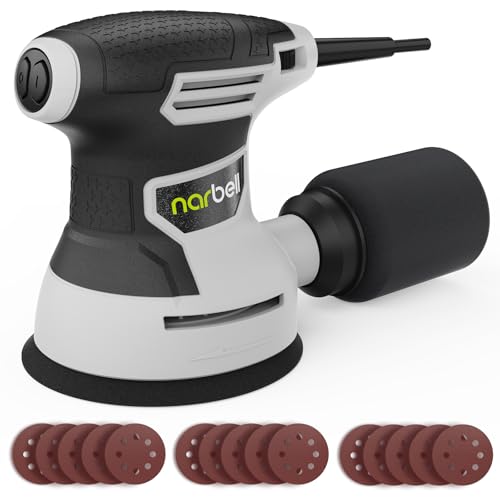
NARBELL Orbital Sander 3.0AMP 360W 5-Inch Palm Sander

Metabo HPT 5-Inch Random Orbit Finishing Sander SV13YST

Niusken Cordless Car Buffer Polisher Kit 2x 21V Batteries
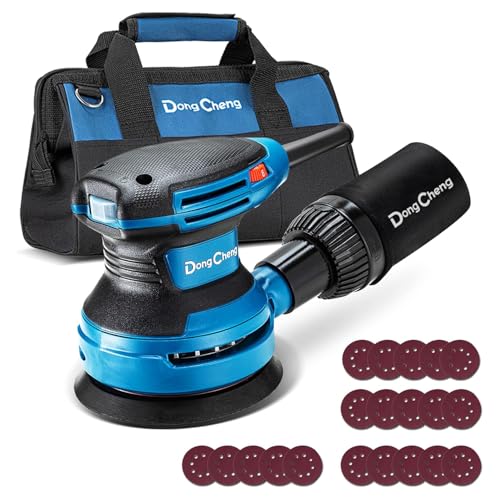
Dong Cheng 5-Inch Random Orbital Sander 3.2A
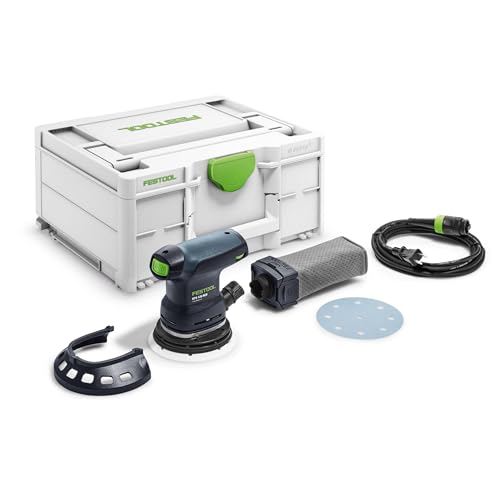
Festool 576070 Random Orbital Sander ETS 125 REQ-Plus

DEWALT Random Orbit Sander 5-Inch DWE6420

MAXXT Electric 5mm Random Orbital Sander Brushless Motor
More Details On Our Top Picks
Ceiling work gets easier to live with when the sander is built for reach, not just raw motion. This Protmex setup pairs a 1000W motor with vacuum dust collection, an LED light, and a handle that folds or extends, so you can work overhead without dragging a ladder from spot to spot every minute.
The six speed settings, from 800 to 2200 RPM, give you room to slow down on delicate patches or open it up for faster material removal. The honest trade-off is size, because this kind of tool fits renovation days better than casual shelf-sanding, but for drywall and popcorn ceiling removal it makes sense.
Strong Points
- Vacuum dust collection helps keep debris off the floor and out of your line of sight.
- Foldable and extendable handle makes overhead work less awkward in taller rooms.
- Six speed settings help you match the pace to the surface you’re smoothing.
- LED lighting matters in dim corners, especially along ceiling edges and trim lines.
- The included sanding disc pack gives you enough material to start a project without hunting for extras.
Things To Consider
- The size and purpose make it a poor match for small detail jobs.
- Overhead sanding still takes setup time, especially in rooms with furniture you need to move.
- Dust collection helps, but you’ll still want routine cleanup around the work zone.
Feature Snapshot
Who It Suits Best
Renovators handling ceilings, drywall seams, or larger wall patches will get the most from this setup.
Where A Sibling Pick Shines
Metabo HPT SV13YST suits you better for furniture prep and lighter finishing, since it feels more compact than the Protmex ceiling sander.
For general sanding, this NARBELL lands in a very usable middle ground. The 5-inch pad size, 3.0AMP motor, and six speed choices make it a sensible fit for shelf edges, cabinet parts, and the kind of sanding that happens before paint or stain.
The dust bag keeps the setup simple, which is handy in a small garage or spare room where dragging out a full hose system feels like too much. Compared with the Protmex drywall tool, this one is far more compact, though it gives up the overhead reach that ceiling jobs demand.
What We Like
- Five-inch pad size works well for common home workshop tasks.
- Six speeds let you ease into delicate work or move faster on rough stock.
- Dust bag keeps the tool self-contained for quick setups and shorter jobs.
- Included sandpaper means you can start on the same day it arrives.
- The 14000 RPM top speed gives you a strong ceiling for general material removal.
Small Caveats
- A dust bag is simpler than a full vacuum hookup, so heavier sanding still leaves more cleanup.
- The tool is better suited to standard shop work than large flat renovation surfaces.
- You’ll want to empty the bag regularly so airflow stays more consistent.
Core Details
Built With In Mind
Home DIY sanders and weekend woodworkers who want a straightforward palm sander should feel at home here.
Another Choice May Suit
Dong Cheng 5-Inch Random Orbital Sander 3.2A fits better for you if you want a little more power and a larger sandpaper bundle in the box.
This Metabo HPT model feels aimed at finishing work, not heavy shaping. The palm-style grip and compact, lightweight build matter most on longer sanding sessions, where hand fatigue can creep in faster than you expect.
The 230W, 2.8 amp motor sits in a lighter-duty lane than the Protmex drywall tool, but that’s part of the appeal for trim, cabinets, and finer surface prep. You also get a hose connector for dust collection, which makes it a better fit for a tidier shop setup than a plain bag-only sander.
Highlights
- Palm-style grip helps you stay more settled during finishing passes.
- Compact, lightweight build suits overhead edges and bench work.
- Dust collection hose connector supports cleaner sanding stations.
- Variable speed makes it easier to move from touch-up work to broader smoothing.
Worth Noting
- The lighter motor class suits finishing more than aggressive stock removal.
- A hose setup usually asks for a little more planning than a simple dust bag.
- It’s not the tool you’d pick for ceiling texture removal.
Details At A Glance
Whose Shelf It Belongs On
Cabinet builders, furniture finishers, and weekend woodworkers who value control over brute force will get the most from it.
Look Elsewhere When
Protmex Drywall Sander 1000W Popcorn Ceiling Tool suits you better for renovation dust and overhead scraping work.
This Niusken kit steps away from wall sanding and into car detailing, so the use case changes fast. Two 21V batteries, a six-speed dial, and an LED display make it a practical cordless setup for paint-safe polishing around a driveway or garage bay.
The random orbital motion is helpful here because it spreads motion in a way that feels more controlled than a straight spin, especially on curved panels. Compared with the Metabo HPT and DEWALT sanders, this one serves a different job altogether, so it belongs with car care rather than wood finishing.
Bright Spots
- Cordless design keeps you from working around a power cord near a vehicle.
- Two batteries give you better continuity between detailing sessions.
- Six speed levels help you slow down for more careful polishing passes.
- LED display makes the control setting easier to read at a glance.
- The 18-pad assortment gives you a broader starting point for detailing tasks.
Points To Note
- This is a polishing tool, not a wood sanding substitute.
- Battery tools need charging discipline, especially before longer garage projects.
- The pad assortment helps, but pad care still matters for even results over time.
Feature Rundown
Perfect Match For
Car owners who do their own polishing and want cordless control around the garage will get the most from this kit.
Skip It When
D ong Cheng 5-Inch Random Orbital Sander 3.2A is the better route for you if your project is wood, panel prep, or finishing before paint.
Dong Cheng keeps the formula simple: a 5-inch palm sander, 3.2A motor, six speed settings, and a detachable dust bag. That mix works well for sanding boards, panel surfaces, and furniture parts where you want everyday control without a bulky setup.
The 20-piece sandpaper bundle gives you a more ready-to-start feel than the Metabo HPT, while the detachable bag makes emptying and cleaning a little less fussy. It’s a steady, practical option for a garage shelf or workbench, though it still sits in the midrange rather than the premium end of the category.
Upsides
- 3.2A motor gives you solid power for routine sanding and smoothing.
- Six speeds help you adapt to different woods and finish stages.
- Detachable dust bag makes cleanup and storage more manageable.
- Included sandpaper adds convenience for first-time setup.
- 5-inch format stays versatile for common home workshop projects.
Areas To Watch
- A dust bag is useful, though it won’t manage dust as fully as a hose or central vacuum setup.
- Middleweight sanders can feel less refined during long finishing sessions than premium models.
- The accessory kit helps at first, but you’ll still need to replace paper as jobs stack up.
Quick Facts
Right Fit For
Home project sanders who want a straightforward, no-frills palm sander with a decent accessory pack will appreciate this one.
A Better Fit Elsewhere
Festool 576070 Random Orbital Sander ETS 125 REQ-Plus suits you better for a more polished finishing feel and a more premium setup.
Festool’s ETS 125 REQ-Plus sits in a different lane from the midrange 5-inch sanders above it. The form factor is built around detail sanding, so it makes sense for finishes, small panels, and tighter work where a smaller tool helps you stay more exact.
That premium positioning usually matters most in a shop that values control and a cleaner process more than raw material removal. You won’t reach for this to strip a ceiling, but for refined sanding on furniture parts or trim, the compact detail format makes a strong case.
Best Bits
- Detail-sander format gives you better access to smaller, tighter surfaces.
- Compact size helps with edge work and fine finishing.
- Festool’s tool family tends to suit organized shop setups very well.
- It’s a sensible step up for finish-focused projects that demand more control.
Rooms For Improvement
- The narrower format is less suited to broad panel sanding.
- It makes the most sense for precision work, so it’s not a general-purpose substitute.
- Premium positioning means you’ll want to be sure the form factor matches your projects.
Spec Overview
Who Will Love This
Finish carpenters, furniture builders, and detail-minded shop users will get the most value from this compact sander.
Swap It Out When
DEWALT Random Orbit Sander DWE6420 is the better fit for you if you want a broader all-purpose 5-inch tool for general sanding duty.
The DEWALT DWE6420 is the kind of 5-inch random orbit sander that fits a broad range of workshop tasks without needing much explanation. PSA means pressure-sensitive adhesive, the paper backing style that sticks to the pad, and that setup is familiar to many shop users who want uncomplicated paper changes.
It sits close to the Dong Cheng in overall category fit, but the DEWALT name and the simple 5-inch format make it a familiar, steady choice for general sanding. You’ll likely appreciate it most in a garage or small shop where consistency matters more than extra bells and whistles.
Positives
- 5-inch form factor fits a wide range of sanding jobs.
- PSA paper attachment style is straightforward for frequent paper swaps.
- Familiar layout makes it easier to slot into an existing tool setup.
- Works well as a general-purpose sander for common home projects.
Softer Spots
- PSA paper can feel less convenient than hook-and-loop styles for some users.
- The tool is broad-purpose, so it lacks the specialty focus of the Festool or Protmex picks.
- Dust management depends on the setup you pair with it, so planning matters.
Technical Sheet
Made For
General-purpose DIY sanding, light furniture prep, and garage projects are a natural fit for this model.
Reach For A Different Pick When
MAXXT Electric 5mm Random Orbital Sander suits you better if your setup revolves around central vacuum dust handling and a brushless motor.
MAXXT leans hard into shop-ready sanding, with a brushless motor and central vacuum support standing out right away. Brushless motors use electronic control instead of physical brushes, which usually means fewer wear parts in the motor itself and a cleaner fit for regular woodworking use.
The 5mm orbit gives you a middle ground between fast removal and a smoother finish, and the choice of 5-inch or 6-inch pads adds flexibility. Compared with the DEWALT and Dong Cheng picks, this one feels more tuned for dust-managed benches and more deliberate panel work.
Reasons To Buy
- Brushless motor suits regular woodworking and panel processing.
- Central vacuum support helps keep the work area cleaner.
- Choice of 5-inch and 6-inch sanding pads adds flexibility.
- 5mm orbit gives a useful middle path between cutting and finishing.
- Orange body makes it easy to spot in a crowded shop.
Minor Gripes
- Central-vacuum setups require a compatible shop arrangement.
- The extra flexibility is useful, though it can feel more involved than a simple dust-bag sander.
- It makes more sense for woodworking benches than casual one-off household touch-ups.
Core Details
The Right Fit
Woodworkers who already use a dust-extraction setup and want a more workshop-focused sander will get the most from this model.
Where A Sibling Pick Shines
NARBELL Orbital Sander 3.0AMP 360W 5-Inch Palm Sander suits you better for a simpler, lower-setup general sanding tool.
How To Choose The Right Orbital Sander With Vacuum Attachments
Match The Dust Setup To Your Space
Vacuum attachments matter most when your work area stays enclosed, shared, or easy to clutter. A hose connector like the one on the Metabo HPT SV13YST fits a shop bench, while a central-vacuum design like the MAXXT model makes more sense in a fixed woodworking station. A dust bag is simpler, but it gives you less cleanup control than a tool that ties into a vacuum path.
That trade-off shows up fast during longer sanding sessions. The cleaner the dust path, the easier it is to keep the surface visible and the paper working well.
Size And Orbit Change The Feel
Pad size tells you how much surface you cover with each pass, and orbit describes the small circular path the pad follows. A 5-inch sander, like the DEWALT DWE6420 or Dong Cheng model, sits in a flexible middle zone for most home projects. A detail sander, like the Festool ETS 125 REQ-Plus, gives you more control on edges and narrow parts, but it’s slower on larger panels.
Orbit size matters just as much. The MAXXT’s 5mm orbit aims for a balanced feel, while the NARBELL and Metabo HPT models lean toward more conventional random-orbit finishing use. For furniture work, trim, and cabinets, that balance usually matters more than sheer speed.
Power Should Match The Job
Higher wattage or amperage usually points to more aggressive sanding, but it doesn’t automatically mean a better finish. The Protmex drywall sander’s 1000W motor makes sense for ceilings and wall prep, while the lighter Metabo HPT 230W setup suits finishing work where control matters more than muscle. You get the best results when power matches the material you plan to remove.
The same logic applies to speed ranges. Six speed levels help you slow down for delicate passes or open up for quicker shaping, and that flexibility is useful in a mixed-use garage or shop.
Comfort And Cleanup Affect Daily Use
Grip shape, weight, and paper-change style matter more than they look on a listing page. A palm-style body can feel easier during long cabinet sessions, while a larger drywall tool helps on overhead work but asks more from your arms and shoulders. Dust bag maintenance also deserves attention, because a full bag or clogged hose can change how the sander feels in your hands.
That’s the part many people notice after the first project: a tool that seems similar on paper can feel very different once the dust starts flying.
What To Weigh Before You Commit
Wrong Turns To Avoid
Many shoppers focus only on motor numbers and forget the shape of the job. A drywall sander like the Protmex model is useful for ceilings, but it’s too specialized for simple furniture touch-ups, while a detail sander like the Festool is the reverse. The better match comes from the surface, the dust setup, and how often you plan to use the tool.
Another easy miss is overlooking how dust gets managed. A hose connector, dust bag, and central-vacuum port each ask for a different shop setup, so the neatest-looking sander is not always the easiest one to live with.
The Upgrade Payoff
Higher-tier models usually spend more on the parts you feel every minute: motor smoothness, body balance, dust routing, and pad control. That’s why the Festool and MAXXT picks sit above the simpler bag-based sanders, because the build is better suited to regular shop use and more careful finishing.
Spending up makes the most sense for you once sanding becomes a repeat job instead of a one-off repair. For occasional weekend work, a straightforward midrange sander is enough, but regular cabinet, trim, or panel work starts to reward the better-controlled tools.
Frequently Asked Questions
What does an orbital sander with vacuum attachment actually do?
It sands the surface while sending dust away through a bag, hose, or vacuum port. That keeps the work area clearer and makes the finish easier to inspect.
Is a central-vacuum sander better than a dust-bag model?
A central-vacuum setup usually handles dust more effectively in a workshop. A dust bag is easier to set up and works well for lighter, shorter jobs.
What size orbital sander works for most home projects?
A 5-inch random orbit sander covers a wide range of jobs without feeling too bulky. It suits shelves, cabinet panels, and many prep tasks around the house.
Do variable speed settings matter much?
They matter a lot when you move between rough sanding and finish prep. Lower speeds give you more control, while higher speeds help on faster material removal.
Which pick makes sense for ceiling or drywall work?
The Protmex Drywall Sander 1000W Popcorn Ceiling Tool is built for that job. Its reach, dust control, and LED light make more sense there than a standard palm sander.