Choosing the right compressor gets easier once you sort the small portable units from the garage workhorses and the lubricant products that keep them running smoothly. Some jobs only need a compact tank for inflating tires or firing a nailer now and then, while others call for steadier airflow and a larger tank for sanding, painting, or longer tool runs. You’ll find both styles here, along with a few oils and lubricants that matter just as much as the tank size. The result is a practical shortlist for home workshops, weekend projects, and busier spaces.
Quick Look At The Shortlist
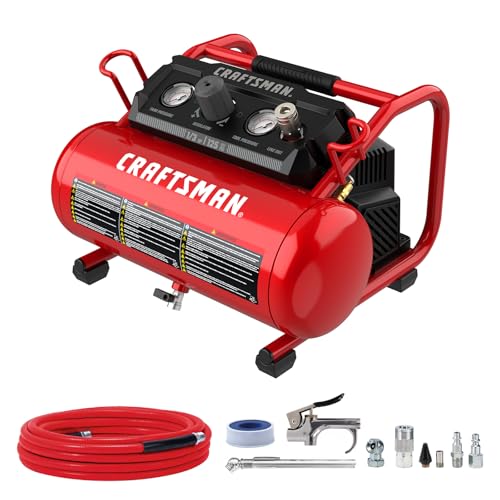
CRAFTSMAN 2 Gallon Portable Air Compressor

3-IN-ONE Professional Grade Pneumatic Tool Oil

UniSport Translucent Clear 8oz Air Tool Pneumatic Lubricant

TRIAX Kompressor ISO 46 SAE 20 Full Synthetic Air Compressor Oil 1 Quart
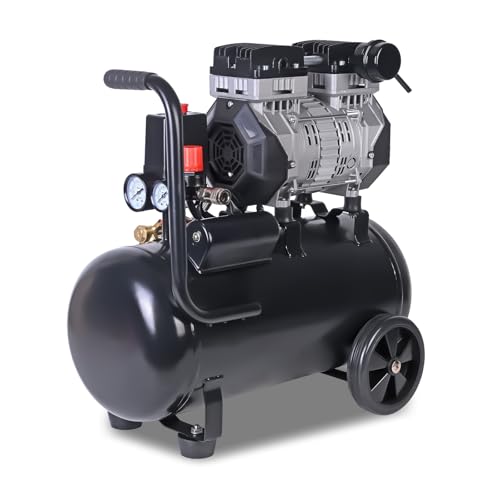
AAIN 6.3 Gallon Air Compressor 1.5 HP Oil-Free Electric Compressor Tank

Ingersoll Rand 38436721 OEM All Season Select Synthetic Lubricant 1L Bottle

Klutch 29-Gallon Air Compressor 2.5 HP 120V 175 PSI 5.1 CFM

Klutch 20-Gallon Air Compressor 2 HP 120V 175 PSI 4.2 SCFM
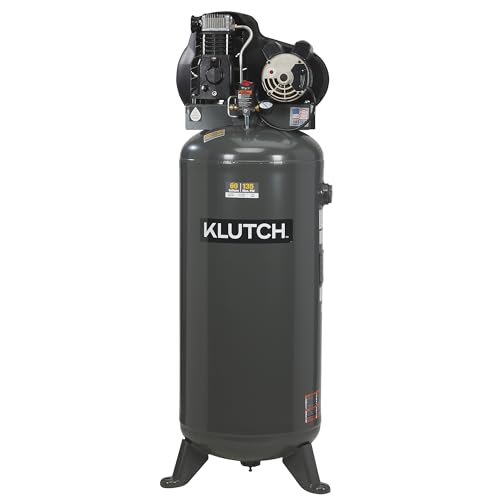
Klutch 60-Gallon Vertical Air Compressor Single-Stage 3.7 HP 230V

Albott 20 Gallon Electric Air Compressor 1.8 HP Vertical Wheeled Tank
More Details On Our Top Picks
This small CRAFTSMAN unit makes sense for tire top-offs, trim work, and quick tasks around a garage or apartment storage area. A 2-gallon tank keeps the footprint manageable, while the 1/3 HP motor and 125 PSI ceiling suit light-duty use more than long spraying sessions.
You’ll notice the oil-free design right away, since it cuts down on routine lubrication and keeps upkeep simple. Compared with the larger Klutch options later in the list, it trades stamina for portability, and that trade-off is exactly why it fits casual use so well.
What We Like
- Small tank size helps it fit tight storage spaces.
- Oil-free operation keeps routine upkeep straightforward.
- Low weight makes it easier to move between rooms or a vehicle.
- The included 10-piece accessory kit gives you a practical starting point.
Points To Note
- Short sessions are the sweet spot, since the small tank is not built for extended tool runs.
- Light-duty power is fine for inflation and simple blow-off jobs, but not for heavy shop use.
Feature Snapshot
Who It Suits Best
Homeowners and first-time compressor shoppers who want something easy to carry and simple to keep on hand will get the most out of it.
Where A Sibling Pick Shines
Klutch 20-Gallon Air Compressor 2 HP 120V 175 PSI 4.2 SCFM suits you better for shop tools, because it brings more tank capacity and steadier airflow than this compact CRAFTSMAN.
This bottle belongs in the same conversation as the compressors because air tools need care too. The 4-ounce size is convenient for regular oiling of pneumatic tools, and the drip-style format keeps the application simple in a busy garage or workshop.
Compared with the larger synthetic compressor oils in this roundup, this one is more about everyday tool maintenance than filling a crankcase. That makes it a strong fit for nailers, ratchets, and other air tools that see frequent use and benefit from regular attention.
Bright Spots
- Compact bottle is easy to keep near your tool storage.
- Drip format helps you add oil without much fuss.
- Works well as a simple maintenance item for air-powered tools.
Small Caveats
- Small capacity means you’ll replace it more often in a busy shop.
- Best suited to tool lubrication, not compressor crankcase service.
Core Details
Made For
You get the most from this bottle if your air tools see frequent use and you want a simple lubricant close at hand.
Another Choice May Suit
Ingersoll Rand 38436721 OEM All Season Select Synthetic Lubricant fits better for reciprocating compressors, because it serves equipment that needs compressor oil rather than general pneumatic-tool oil.
The clear, translucent look matters more than it sounds, because it helps you handle lubrication without adding visual clutter around seals, O-rings, or machine parts. An 8-ounce bottle gives you a bit more reach than the 3-IN-ONE option, so it suits people who maintain several air tools or keep a compressor setup in regular rotation.
The trade-off is straightforward: you get a general-purpose pneumatic lubricant, not a purpose-built compressor oil. For a garage with mixed gear, that broad fit can be useful, though dedicated compressor owners may still prefer a more specific lubricant.
Upsides
- Clear liquid makes it easier to see where it lands.
- Useful for tools, compressors, machines, and sealing parts.
- 8-ounce size offers a bit more room before you restock.
- Broad use range helps in mixed home-shop setups.
Areas To Watch
- General-purpose labeling can feel broad if you only want compressor oil.
- Keeping the bottle clean matters, especially around small fittings and seals.
Technical Sheet
Right Fit For
You’ll appreciate this lubricant most in a mixed tool setup where clear packaging and flexible use matter.
Swap It Out When
TRIAX Kompressor ISO 46 SAE 20 is the better match for a compressor-focused service routine, especially for rotary, vane, screw, or reciprocating equipment.
This is the most clearly compressor-centered lubricant in the group, and that focus shows in the format. The full synthetic base, multi-vis behavior, and non-detergent makeup point toward steady performance across different temperatures, which matters in a workshop that gets cold mornings and warm afternoons.
The quart size suits owners of rotary, vane, screw, or reciprocating compressors who want one bottle to handle a service cycle without constant restocking. Compared with the small pneumatic oils above, this one is built for the machine itself rather than the hand tools attached to it.
Reasons To Buy
- Full synthetic formula suits serious compressor maintenance.
- Multi-vis design helps in changing temperature conditions.
- Works across several compressor types, which adds flexibility.
- Quart size is practical for larger service needs.
Worth Noting
- It’s more specialized than the smaller tool oils in this list.
- Best value comes when you already own the right compressor type.
Feature Rundown
The Right Fit
You’ll get the most from this bottle if your compressor is a rotating, vane, screw, or reciprocating model that needs a dedicated oil.
Where A Sibling Pick Shines
3-IN-ONE Professional Grade Pneumatic Tool Oil is better for smaller air-tool upkeep, because it’s simpler and more convenient for spot lubrication.
The 6.3-gallon tank puts this unit in a comfortable middle ground for tire inflation, air blowing, and light nailing. A 1.5 HP motor and 5.5 to 6 CFM displacement give you a clearer sense of its practical range, while the oil-free design keeps routine maintenance simple.
The 70 dB sound level is a useful detail for garage or indoor use, because quieter operation tends to matter more than people expect once a compressor sits near a workbench. Compared with the smaller CRAFTSMAN, this one offers more staying power, though it still makes more sense for home and light shop use than long, demanding air-tool sessions.
Strong Points
- 6.3-gallon tank gives you more working room than a compact portable unit.
- Oil-free construction reduces routine maintenance.
- 70 dB rating is attractive for garage settings where noise matters.
- Useful for inflation, blowing dust, and light nailing jobs.
- Wheeled form helps with moving it around a workspace.
Softer Spots
- It still sits in the light-duty zone rather than the heavy shop tier.
- Owners who need long tool run times will want a larger tank.
Details At A Glance
Whose Shelf It Belongs On
Weekend garage users and homeowners handling tires, blow-off jobs, and small nailers will get the most from it.
Another Choice May Suit
Klutch 29-Gallon Air Compressor 2.5 HP 120V 175 PSI 5.1 CFM fits you better for bigger finishing jobs, because its larger tank is easier to live with for longer bursts of air use.
This one is aimed squarely at reciprocating compressors, so it belongs in any serious maintenance plan for that style of machine. The all-season synthetic blend is meant to hold up across temperature swings, which matters in garages that feel very different in January than they do in August.
The 1-liter bottle is a sensible service size for equipment owners who want a cleaner, more dedicated lubricant than a small drip oil. The honest read is that it makes less sense for general air-tool care, but that narrow focus is also what makes it useful.
Highlights
- Built for reciprocating compressor maintenance.
- Synthetic blend gives it a more service-focused profile.
- All-season behavior helps across changing room temperatures.
- 1-liter format works well for regular compressor upkeep.
Room For Improvement
- It is specialized, so it doesn’t replace general-purpose tool oil.
- Best fit depends on owning the correct compressor style.
Core Details
Best Suited To
You’ll get the strongest fit from this lubricant if your compressor is reciprocating and you want a dedicated service bottle.
Look Elsewhere When
UniSport Translucent Clear 8oz Air Tool Pneumatic Lubricant makes more sense for mixed-tool maintenance, because it’s easier to use on seals, O-rings, and general pneumatic gear.
This vertical Klutch moves the list into more serious garage territory. A 29-gallon tank, 2.5 HP motor, 175 PSI maximum pressure, and 5.1 CFM at 90 PSI give it the sort of profile that suits nailing, painting, and longer bursts of air use without feeling constantly on the edge.
The oil-free build keeps maintenance simpler than a lubricated pump, even though the tank size pushes it toward a more permanent garage spot than a small portable unit. Compared with the AAIN 6.3-gallon compressor, this one gives you much more reserve, and that extra headroom is the point.
Best Bits
- Large tank size supports longer tool sessions.
- 5.1 CFM at 90 PSI helps with demanding jobs.
- Vertical layout uses floor space efficiently.
- Large wheels make it easier to reposition in the shop.
- Tank drain access is handy for regular upkeep.
Trade Offs
- It is less grab-and-go than the smaller compressors in this list.
- The size makes storage planning more important.
- Garage users with tight space may find the vertical footprint still substantial.
Spec Overview
Built With In Mind
You’ll appreciate this model most in a garage or workshop where you need steadier air supply for finishing and inflation tasks.
Reach For A Different Pick When
Klutch 60-Gallon Vertical Air Compressor Single-Stage 3.7 HP 230V fits you better for a busier shop, because its larger platform is aimed at more demanding compressed-air use.
This 20-gallon Klutch sits neatly between compact home compressors and larger garage machines. The 2 HP motor, 175 PSI maximum pressure, and 4.2 SCFM at 90 PSI make it a sensible middle ground for shop air tools, and the 75 percent duty cycle is a useful clue about how it’s meant to be used.
The vertical oil-free design and easy-access tank drain suggest a setup that tries to stay manageable over time, not just on day one. Compared with the 29-gallon Klutch, you give up some reserve, but many garages will find the smaller footprint easier to live with.
Positives
- 20-gallon size balances capacity and floor space.
- 4.2 SCFM at 90 PSI supports common workshop tools.
- 75 percent duty cycle gives a helpful use guideline.
- Easy-access drain is handy for routine tank care.
Honest Caveats
- It still asks for a dedicated garage spot.
- Users needing heavy continuous airflow may want the 29-gallon Klutch or the 60-gallon model instead.
Feature Card
Who Will Love This
Home shop users who want more muscle than a compact portable unit, but less bulk than a 29-gallon setup, will likely land here.
Not Your Match When
Albott 20 Gallon Electric Air Compressor 1.8 HP Vertical Wheeled Tank may suit you better for a simpler garage setup, especially where the copper motor and oil-free design matter more than raw airflow.
This is the largest and most serious compressor in the roundup, and the numbers make that clear. A 60-gallon vertical tank, 3.7 HP dual-induction motor, 9.3 CFM at 90 PSI, and 135 PSI maximum pressure give it a strong case for busy shops that need dependable air output.
The cast iron single-stage oil-lubricated pump, stainless steel valves, splash lubrication, and ball bearing support point to a build meant for regular use rather than occasional inflation. Compared with the 20-gallon and 29-gallon Klutch models, it asks for more space and a bigger commitment, but it pays that back with real utility in a working garage.
What We Like
- 60-gallon tank gives you substantial air reserve.
- 9.3 CFM at 90 PSI supports heavier shop tasks.
- Oil-lubricated cast iron pump suits regular use.
- Vertical format helps keep the footprint organized.
- Maintenance access is a practical plus for long-term ownership.
Minor Gripes
- It needs more room than the smaller compressors here.
- 230V power means setup planning matters.
- The scale makes it a poor fit for casual one-off jobs.
Core Details
Who Should Grab It
You should look here for a garage or shop that sees frequent air-tool use and needs a more permanent compressor setup.
Skip It When
Klutch 20-Gallon Air Compressor 2 HP 120V 175 PSI 4.2 SCFM is the easier choice for smaller workspaces, because it brings a more manageable footprint and simpler installation.
The Albott takes a familiar 20-gallon vertical shape and pairs it with a 1.8 HP motor, a copper motor build, and a 120 PSI maximum pressure rating. That combination points toward garage air supply duties, tire inflation, and pneumatic tool support without asking you to manage a huge machine.
Compared with the Klutch 20-gallon model, it looks aimed a bit more toward straightforward home-garage use than heavier shop duty. The wheeled tank should help with moving it around, and the oil-free design keeps maintenance more approachable for a casual setup.
Best Points
- 20-gallon capacity gives useful air reserve.
- Vertical wheeled design helps with storage and movement.
- Copper motor is a notable build detail.
- Oil-free operation reduces routine upkeep.
- Handles tires and common garage air tasks well.
Points To Note
- 120 PSI ceiling is lower than the 175 PSI Klutch models above.
- It is better suited to home garage use than a heavy commercial shop.
Core Details
The Right Fit
This is a sensible match for home garages that need a medium-size compressor without moving into the heavier shop tier.
Where A Sibling Pick Shines
Klutch 20-Gallon Air Compressor 2 HP 120V 175 PSI 4.2 SCFM is the stronger fit for more demanding air tools, because it gives you higher pressure and better airflow.
How To Choose The Right Oil Lubricated Air Compressors
Pump Type And Service Needs
Oil-lubricated compressors are built around a pump that uses oil to reduce wear and help the moving parts stay smooth during operation. That matters most in machines that run often, especially in garages where the compressor sits in service for longer stretches than a quick tire-inflation tool.
Reciprocating models are common in home and shop settings, while rotary, vane, and screw designs show up more in larger or more specialized setups. The oil itself is not a side note, it’s part of the machine’s rhythm, so you want a lubricant that matches the pump type instead of a generic bottle that only half fits the job.
Tank Size Versus Air Demand
Tank size affects how long you can work before the compressor cycles again, and that changes the feel of the whole setup. A 20-gallon unit can suit nailers, inflation, and blow-off work, while a 60-gallon vertical compressor is built for a busier garage that needs a deeper reserve.
CFM, or cubic feet per minute, tells you how much air the compressor can supply at a given pressure. Higher CFM usually matters more than raw pressure for sustained tool use, so a small unit with high PSI can still feel outmatched by a modest tool load.
Oil-Free Versus Oil-Lubricated Choices
Oil-free compressors keep upkeep simpler, which is why many homeowners like them for inflation, light nailing, and occasional use. Oil-lubricated models usually make more sense once the compressor sees repeated duty, because the lubricated pump is designed with longer service in mind.
The trade-off is practical: oil-lubricated units ask for more attention, but they often suit heavier ownership patterns better. For a weekend garage, oil-free can be enough, yet a busy workspace usually benefits from the steadier feel of an oil-lubricated pump and the right service oil to match.
Noise, Mobility, And Placement
Noise matters more than many shoppers expect, especially in attached garages or small workshops. A quieter compressor can make the whole job feel less tiring, and a wheeled vertical design often helps you live with the footprint even when the tank is large.
Think through the floor plan before you commit. A 60-gallon compressor needs room, power, and a place to stay, while a 2-gallon portable unit can tuck away in a shelf or utility corner without much drama.
What To Weigh Before You Commit
Mistakes Worth Dodging
It’s easy to focus on pressure alone and miss the tank size or airflow rating. That usually leads to a compressor that sounds strong on paper but feels short on air during longer tool sessions.
Another common miss is choosing the wrong lubricant for the wrong machine. Compressor oil, pneumatic tool oil, and general-purpose lubricants serve different jobs, so matching the bottle to the equipment saves trouble later.
Where The Extra Money Goes
Higher-tier compressors usually cost more because of larger tanks, stronger motors, and more service-oriented pump construction. Features like cast iron pumps, ball bearing support, and better access for maintenance can make a real difference in a shop that runs often.
That extra spend makes sense for garage owners who use air tools regularly, especially for painting, nailing, and other tasks that punish small compressors. For occasional tire inflation, the upgrade is harder to justify, and a compact model will feel easier to live with.
Frequently Asked Questions
What Makes Oil-Lubricated Compressors Different?
They use oil in the pump to help manage wear and support repeated use. That setup usually suits more frequent work than a simple oil-free design.
How Often Should You Check Compressor Oil?
Check the level before regular use and follow the product guidance for service timing. A quick glance is smart after storage or heavy sessions.
Can You Use Pneumatic Tool Oil In A Compressor?
Not always, because tool oil and compressor oil serve different roles. The safest match is the lubricant type the machine calls for.
Is A Bigger Tank Always Better?
No, because a larger tank also means more space, more weight, and a less portable setup. The right size depends on how long your tools need air.
What Size Fits A Home Garage Best?
A 20-gallon compressor works well for many home garages because it balances space and usefulness. A 60-gallon unit makes more sense once the work gets more demanding.
Closing Thoughts
You can narrow this category fast by matching the compressor to your actual jobs instead of chasing the biggest numbers on the page. Small portable picks work well for inflation and quick fixes, while larger Klutch models make more sense once your garage starts behaving like a real shop. The lubricant bottles matter too, because the right oil keeps the machine and the hand tools in better shape over time. Pick the size and service routine that fits your space, and the rest becomes much simpler.