Yard cleanup feels a lot easier once you have the right machine pulling double duty. Leaf vacuum mulchers save you from raking the same pile twice, then bagging the mess again by hand.
This roundup focuses on cordless freedom, corded runtime, and the kind of bag capacity that matters in a real yard after a windy week. You’ll also see where each pick fits best, because a small patio, a large lawn, and a pool deck ask for very different tools.
Quick Look At Our Shortlist
SOYUS 40V Cordless Leaf Blower & Vacuum 3-in-1 45L Bag

WORX Cordless Leaf Blower WG583

Greenworks 40V Cordless Brushless Leaf Blower/Vacuum 5.0Ah Battery
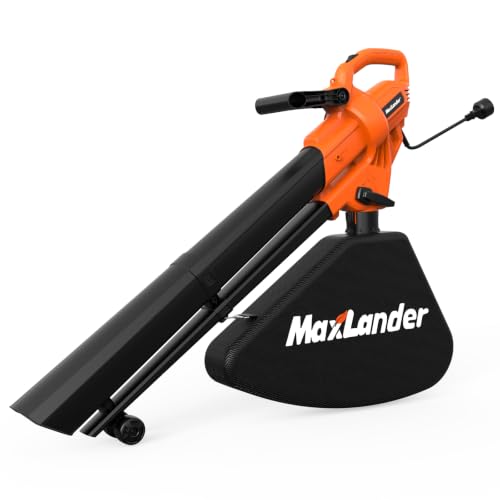
MAXLANDER 3 in 1 Electric Corded Leaf Blower 34L Bag
MAXLANDER Cordless Leaf Blower Vacuum Mulcher 40V 5-Speed Dial
WORX Trivac 3 in 1 Electric Leaf Blower WG505.2


Cordless Pool Leaf Vacuum Cleaner with Dual Filter Bags
More Details On Our Top Picks
SOYUS gives you the flexible shape many suburban yards need, because it works as a blower, vacuum, and mulcher in one cordless body. The 385 CFM airflow, meaning cubic feet of air moved per minute, points to decent clearing power for leaves on drives and patios without dragging a cord behind you.
The 45L bag helps when cleanup turns into a longer session, and the brushless motor usually means less internal friction than a brushed design. You may find the 5-speed control useful around mulch beds and lighter debris, though the trade-off is that more settings often mean more decisions than some people want.
Strong Points
- 3-in-1 setup covers blowing, vacuuming, and mulching without swapping tools.
- 45L collection bag reduces how often you stop to empty debris.
- Brushless motor suits longer chores better than basic brushed builds.
- Five speed steps give you more control near delicate landscaping.
Things To Consider
- Battery tools naturally need recharging once the pack runs down.
- Bulkier bag capacity can feel awkward during ladder-free roof edge cleanup.
- The extra control works best for shoppers who like tuning output, not only pulling a trigger.
Feature Card
Who It Suits Best
Homeowners with medium-size lawns and mixed hardscape spaces will get the most from this cordless 3-in-1 format.
Where A Sibling Pick Shines
WORX Trivac WG505.2 suits you better when corded power and a reusable bag matter more than battery management.
This WORX setup stands out because it leans into cordless convenience without stripping away the vacuum and mulching functions. The twin 4.0 Ah batteries give you a more comfortable cushion for longer cleanups, especially around a driveway edge, a fence line, or a row of shrubs.
Compared with the SOYUS pick, this one feels more like a battery-focused utility tool than a pure airflow story. The honest read is that the 2-speed control keeps things simple, which helps in fast weekend work but gives you less fine-tuning than higher-step models.
What We Like
- 3-in-1 layout handles blowing, vacuuming, and mulching in one body.
- Two included batteries help stretch work time across a bigger yard.
- Brushless motor is a sensible fit for regular seasonal cleanup.
- Simple two-speed control stays easy to manage in motion.
Room For Improvement
- Two speed levels give you less control than five-speed designs.
- Battery-based use still asks for charging breaks after heavier piles.
- The compact control layout is handy, but it also means fewer adjustment steps for tricky areas.
Core Details
Who Will Love This
Busy homeowners who want one cordless tool for the whole yard will get strong value from this format.
Swap It Out When
Greenworks 40V works better for you when stronger airflow matters more than carrying two batteries.
Greenworks puts airflow front and center, and the listed 505 CFM plus 230 MPH suggest a stronger clearing style than the more moderate SOYUS and WORX cordless options. That makes sense for driveways, long garden edges, and the kind of leaf build-up that appears after a stormy afternoon.
You also get a 5.0Ah battery, which is a larger-capacity pack than smaller amp-hour bundles, so the tool is better aligned with longer cleanup sessions. The trade-off is simple: stronger output and a bigger battery usually mean a bit more tool to carry, even when the body is described as lightweight.
Upsides
- Higher airflow rating gives you more push for heavier debris.
- 230 MPH adds useful reach for stubborn leaf lines and corners.
- Brushless motor fits regular use and helps keep operation efficient.
- Included 5.0Ah battery supports longer stretches between charges.
- Bagged vacuum setup keeps cleanup more contained after mulching.
Softer Spots
- More power usually means a little more physical presence in hand.
- A single high-capacity battery still needs downtime for charging later.
- Quiet operation is relative, so don’t expect whisper-level sound in thick leaf piles.
Details At A Glance
Best Suited To
You’ll like this most for larger yards where airflow matters more than featherweight handling.
Another Choice May Suit
MAXLANDER Cordless Leaf Blower Vacuum Mulcher 40V suits you better when five-speed control matters more than raw airflow numbers.
MAXLANDER takes a different route from the cordless group, and the corded design suits you if outlet access is easy in the yard. With 460 CFM and 170 MPH, it’s aimed at more aggressive cleanup, especially where leaves pile up along fences, foundations, or long driveway seams.
The 34L collection bag and 10:1 mulch ratio make the workflow feel efficient for bulk leaf season, because more debris gets condensed before you carry it away. The catch is the cord, of course, which can slow you down in larger lots or anywhere extension management becomes part of the job.
Best Bits
- High airflow helps clear wider yard sections with fewer passes.
- 10:1 mulch ratio reduces how much loose debris you end up carrying.
- 34L bag is a practical size for substantial backyard cleanup.
- Corded power avoids battery swaps during longer sessions.
Points To Note
- The cord limits range, so yard layout matters a lot here.
- Best suited to places where you can manage extension routing safely and neatly.
- Storage is a bit less grab-and-go than cordless tools.
Spec Overview
Right Fit For
Homeowners with outlet access and larger leaf loads will get the most from this corded setup.
Look Elsewhere When
SOYUS 40V Cordless Leaf Blower & Vacuum 3-in-1 fits you better for roaming cleanup across a wide yard.
This MAXLANDER lands in a sweet middle ground, with cordless flexibility and a 5-speed dial that gives you more control than the simpler WORX WG583. For most backyards, that extra range of adjustment helps you move from a light patio sweep to thicker leaf gathering without feeling stuck in one setting.
The 40V battery system, 360 CFM airflow, and 170 MPH output make it feel capable without pushing into the bulkier corded style of the previous pick. One thing worth considering is the balance between control and simplicity, because more speed steps are useful only when you like to tune the tool to the task.
Reasons To Buy
- Five speed levels give you more control than basic two-step tools.
- Brushless battery design suits recurring lawn maintenance.
- 360 CFM and 170 MPH cover common yard cleanup jobs well.
- 3-in-1 format keeps blowing, vacuuming, and mulching in one place.
Minor Gripes
- The extra controls are useful, but not everyone wants that much adjustment.
- Battery use still asks you to plan charging around longer jobs.
- Vacuum bags need regular emptying and cleanup after heavier leaf days.
Core Details
The Right Fit
You’ll appreciate this most if you want cordless convenience with more control than a basic two-speed setup.
Where A Sibling Pick Shines
Greenworks 40V fits better for you when higher airflow matters more than control steps.
WORX Trivac feels like the steady hand in this group, especially for homeowners who want a straightforward corded cleaner with a metal impeller. An impeller is the internal spinning part that helps break leaves down, and a metal version usually suits tougher yard debris better than lighter plastic designs.
At 350 CFM and 210 MPH, it doesn’t chase the biggest airflow figure in the roundup, but it does pair solid speed with a reusable bag. That combination makes sense for routine maintenance in small to medium yards, though you’ll still need to keep an eye on the cord just as you would with the MAXLANDER corded pick.
Highlights
- Metal impeller is a smart touch for repeated mulching work.
- Reusable bag cuts down on disposable bag waste and repeat purchases.
- 350 CFM and 210 MPH give you solid general-purpose clearing.
- Simple corded power keeps the setup predictable.
Small Caveats
- The cord still limits where you can roam.
- Air volume trails the stronger corded MAXLANDER option.
- Reusable bags need periodic emptying and occasional cleaning.
Feature Rundown
Whose Shelf It Belongs On
You’ll like this most if you want a familiar corded tool with simple upkeep and a durable mulching part.
Reach For A Different Pick When
MAXLANDER 3 in 1 Electric Corded Leaf Blower suits you better for bigger leaf loads and a larger collection bag.
The LM-Leaf Blower stands apart in this list because the supplied details are minimal, which usually points to a very simple, no-frills tool. That can suit you well for straightforward cleanup around a small entryway, a porch, or a tight side yard where you want less fuss and fewer extras.
Compared with the feature-heavy WORX and MAXLANDER options, this one is more about basic utility than broad capability. The honest read is that limited detail can also mean limited confidence about fit, so you’ll want to lean on the product page itself before you commit to a specific use case.
Positives
- Simple naming and minimal presentation suggest an uncomplicated tool.
- Likely easier to store than larger 3-in-1 yard machines.
Areas To Watch
- Very little source detail leaves performance and setup questions open.
- Best treated as a basic option rather than a feature-heavy choice.
- You may want to confirm fit and included parts on the listing page.
Key Specs
Made For
You’ll get the most from this if you want a basic yard tool and prefer to keep the setup as simple as possible.
A Better Fit Elsewhere
WORX Trivac WG505.2 suits you better when you want clearer specs and a mulching-focused corded build.
This PoolCent tool shifts the category into pool care, so it belongs here mainly for shoppers who want leaf removal in and around water rather than on turf. The 24GPM suction rating, meaning gallons per minute, suggests a brisk water-moving setup for leaf and debris pickup in above-ground or inground pools.
Dual filter bags matter because pool debris can get messy fast, and separate bags help keep cleanup more organized after a session. The trade-off is obvious: this is a specialized tool, not a lawn mulcher, so it makes sense only when the pool deck matters more than the backyard.
Bright Spots
- Pool-focused design suits waterline cleanup better than lawn tools.
- Dual filter bags help keep debris handling more organized.
- 24GPM suction gives you a strong sense of movement for pool debris removal.
Honest Caveats
- It does not replace a true yard mulcher.
- The specialized design limits it to pool-related work.
- Filter bags will need regular emptying and rinsing after messy jobs.
Core Details
Perfect Match For
You’ll get the most value from this if your cleanup routine centers on a pool rather than a lawn.
Where Another Pick Fits Better
Greenworks 40V Cordless Brushless Leaf Blower/Vacuum 5.0Ah Battery is the better match for full-yard leaf cleanup.
How To Choose The Right Leaf Vacuum Mulchers
Match Power To Your Yard Shape
Cordless models suit you when you move around beds, fences, and detached corners, because you aren’t tied to an outlet. Corded picks fit better for long, open runs where extension management stays easy and the work area is predictable.
Airflow matters in plain terms: CFM shows how much air moves, while MPH shows how fast it moves. Higher numbers help with heavier leaf mats, but they also tend to come with more noise, more weight, or more battery draw.
Pay Attention To Mulching And Collection
The mulcher stage matters more than many shoppers expect, because it shrinks the pile before it goes into the bag. A stronger mulch ratio means less frequent dumping, which pays off during peak leaf season.
Bag design also deserves attention. Larger bags help on bigger properties, while reusable bags cut down on replacement needs and suit people who clean up leaves often.
Think About Control And Handling
Speed settings affect how easy the tool feels around mulch beds, patios, and flower pots. Two-speed controls stay simple, while five-speed dials give you more room to fine-tune output.
Weight, grip shape, and balance influence how tiring the tool feels during a long cleanup. That matters more than flashy numbers for anyone clearing steps, roof edges, or a yard with plenty of turns.
What To Weigh Before You Choose
Hidden Buying Traps
Don’t let airflow numbers distract you from the job layout. A powerful corded machine can still be the wrong fit for a long driveway with poor outlet access.
Bag size and battery bundle details also deserve attention. A compact pack or a small bag can slow you down faster than a slightly lower airflow rating.
The Upgrade Payoff
Higher-tier models usually cost more because you’re paying for brushless motors, stronger batteries, larger collection bags, or more precise speed control. Those parts matter when you handle bigger yards, repeated fall cleanup, or mixed surfaces.
The upgrade makes sense for busy homes with regular debris loads, especially where tool comfort and runtime matter as much as raw output. For lighter patios or occasional touch-ups, a simpler model is often enough.
Frequently Asked Questions
Do leaf vacuum mulchers replace a rake?
They handle a lot of the lifting, but a rake still helps in tight corners and around delicate plantings. The two tools work well together.
Is corded or cordless better for yard cleanup?
Cordless gives you easier movement across a larger property with fewer trip points. Corded works well when your cleanup area stays close to an outlet.
What does a mulching ratio mean?
It shows how much leaf volume gets reduced before debris reaches the bag. Higher ratios usually mean fewer trips to empty collected material.
Are brushless motors worth it?
Brushless motors are a smart fit for frequent use because they usually reduce internal friction and can support smoother power delivery. That makes them a practical upgrade for busy yards.
Can you use these on wet leaves?
Some stronger models can handle damp leaf piles better than lighter units. Wet debris still takes more effort, so the most powerful option in this list is the better place to start.