You want an impact wrench that matches the job, not just the label. Some of these picks lean hard into raw torque for lug nuts and stubborn fasteners, while others make more sense for tight bays, mobile work, or lighter all-day handling.
This roundup keeps the focus on real use, like tire swaps in a home garage, brake work in a busy shop, or quick maintenance on a truck or mower. You’ll see where air power still makes sense, where cordless convenience helps, and where the trade-offs show up in weight, noise, or reach.
The Shortlist At A Glance
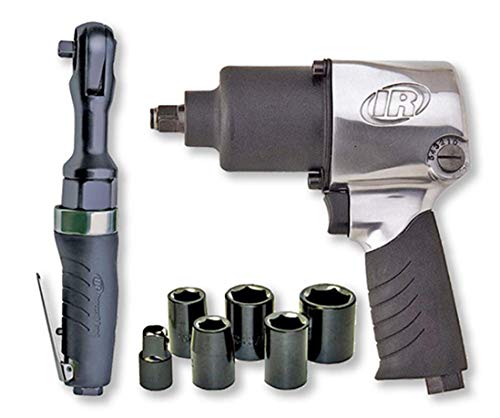
Ingersoll Rand 2317G Air Impact Wrench and Air Ratchet Kit

BESWELL BW-112BN 1/2-Inch Air Impact Wrench

AOBEN Cordless Impact Wrench 1/2 Inch Power Impact Gun Kit
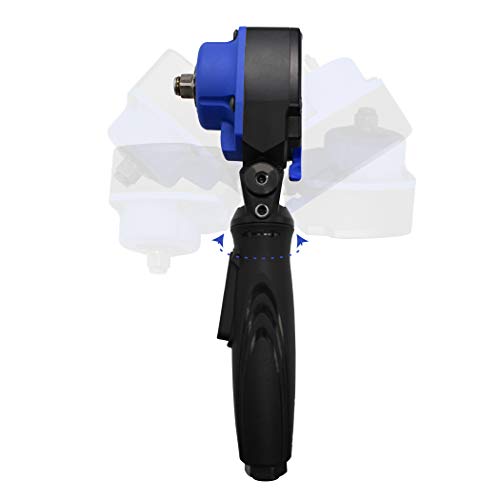
Astro Tool 1834 Nano Flex-Head Angle Impact Wrench

AIRCAT 1250-K Nitrocat Composite Twin Clutch Impact Wrench

Ingersoll Rand 2130 1/2-Inch Air Impact Wrench

Astro Tool 1894 ONYX THOR Impact Wrench

MAGSEN 1/2-Inch Cordless Impact Wrench

Ingersoll Rand 232TGSL 1/2-Inch Air Impact Wrench

Ingersoll Rand 36QMAX 1/2 Air Impact Wrench
More Details On Our Top Picks
That combo format makes this set easy to understand, because you get a 1/2-inch impact wrench for stubborn fasteners and a 3/8-inch air ratchet for quicker, lighter work. In a home garage, that split saves you from reaching for a different tool every few minutes.
The carrying case and five-piece socket set make the kit feel ready for general maintenance right away. For weekend wrenching, that convenience matters more than flashy specs, especially compared with single-tool options like the BESWELL BW-112BN.
Strong Points
- Two tool types cover both breakaway and faster snugging tasks.
- The included case helps keep parts together between jobs.
- The socket set gives you a basic starting point for garage use.
- Good sense for DIY maintenance where space and time both matter.
Things To Consider
- Tool kits can take up more storage room than a single wrench.
- The value here leans toward flexibility, not raw muscle.
Feature Snapshot
Who It Suits Best
Weekend mechanics who want a practical starter set will get the most from it.
A Better Fit Elsewhere
The BESWELL BW-112BN suits you better for tire work that needs more raw torque from a single air wrench.
High torque is the point here, and the BW-112BN leans into that job with a twin-hammer layout, which means two internal hammers strike the anvil in quick succession. For lug nuts, suspension fasteners, or body shop work, that design gives you the kind of force people usually want from a full-size air wrench.
Compared with the Ingersoll Rand kit, this one is more focused and less versatile, which suits a shop that already has other tools on hand. The honest read is that it makes more sense as a dedicated workhorse than as an all-in-one starter path.
What We Like
- Max torque is aimed at stubborn fasteners and heavy shop tasks.
- Twin-hammer action suits fast breakaway work.
- Air power keeps it attractive for garage lines that already have a compressor.
- Simple format makes setup and storage straightforward.
Points To Note
- Air tools depend on compressor capacity and hose setup.
- It is less flexible than the combo kit above.
- Regular cleaning of the air system helps keep performance steady.
Core Details
Made For
Shop-focused users who want a purpose-built air wrench for automotive jobs will appreciate it most.
Swap It Out When
The AOBEN Cordless Impact Wrench suits you better for driveway work where hose-free movement matters more than compressor tie-in.
Cordless convenience changes the rhythm of a job, and this AOBEN kit leans into that with a 4.0Ah battery, charger, six sockets, and a storage case. For mobile repairs, driveway tire changes, or RV maintenance, that bundle cuts down on extra gear.
Compared with the BESWELL air model, you give up the simplicity of a hose-fed shop setup, but you gain freedom from compressor drag. That trade-off suits you well when the work shifts around the driveway, the yard, or a travel trailer lot.
Upsides
- Cordless design helps you move around a vehicle without hose management.
- The 4.0Ah battery supports longer jobs than tiny packs usually allow.
- Included sockets and case make it more ready for travel use.
- Good match for RV owners and occasional roadside maintenance.
Room For Improvement
- Battery tools need charging discipline, especially before planned maintenance.
- The kit approach can add bulk in a packed vehicle.
Details At A Glance
Right Fit For
Drivers who want portable torque for occasional garage and travel use will get the most out of it.
Where Another Pick Suits Better
The Ingersoll Rand 36QMAX is the cleaner fit for overhead work where a lighter air tool helps reduce arm strain.
Angle-head tools earn their keep in places a straight body just cannot reach, and the 1834 Nano is built around that problem. In cramped engine bays, around exhaust components, or near brackets, the flex-head layout gives you a better line to the fastener.
The 400 ft/lb rating is useful context, but the real story is access rather than brute force. Compared with the air-first picks above, this one is the specialist you reach for after the obvious tool runs out of room.
Bright Spots
- Flex-head design helps around awkward angles and tight clearances.
- Compact format suits engine work with limited swing space.
- Good companion tool for mechanics who already own a straight impact wrench.
- The smaller footprint can make repetitive underhood work less tiring.
Minor Gripes
- Angle tools are specialized, so they are not the main wrench for every task.
- Access-first design matters more here than sheer force.
Quick Facts
Whose Shelf It Belongs On
Mechanics who spend time in tight engine compartments will find the shape especially useful.
Skip It When
The AIRCAT 1250-K fits better for shop work that needs stronger torque and a more conventional straight-body feel.
The AIRCAT 1250-K stands out for a mix of torque, noise control, and handling detail that matters in a real shop. Its composite housing keeps the body from feeling overly bulky, and the quiet-tuned exhaust is a welcome touch during long repair sessions.
That 950 ft-lb maximum torque, along with 1,300 ft-lb loosening force, gives it a serious work profile without turning the experience into a brute-force chore. Compared with the Astro angle wrench, this is the choice for straight-on access and a more polished feel in daily use.
Reasons To Buy
- High torque figures suit stubborn fasteners and frequent tire service.
- Quiet-tuned exhaust helps keep the workspace easier on your ears.
- Composite housing can feel less tiring during longer sessions.
- The flip lever supports quick direction changes.
- Ergonomic handle design matters for repetitive shop work.
Areas To Watch
- Composite bodies can feel different from all-metal tools, which some users prefer.
- Its strength and comfort focus may be more than casual users need.
Technical Sheet
Best Suited To
Busy garages and shop users who want strong output with a calmer feel will appreciate it.
Look Elsewhere When
The Ingersoll Rand 2130 suits you better for a more traditional heavy-duty air wrench with a straightforward pistol-grip layout.
This model sits in that useful middle ground where the tool feels serious without chasing the highest torque number in the lineup. For brake jobs, wheel service, and regular garage maintenance, the 650 ft-lb rating gives you a good sense of its purpose.
It looks like the kind of wrench you keep within arm’s reach because it handles common tasks without drama. Compared with the AIRCAT 1250-K, you give up some quiet-tuned polish, but you keep a simpler, familiar pistol-grip shape.
Positives
- Solid torque range covers many everyday automotive tasks.
- Pistol-grip layout feels familiar for routine wrenching.
- Good choice for shops that want one dependable air wrench for general duty.
- Less aggressive than top-end models, which can feel easier to live with.
Softer Spots
- Serious rusted hardware may call for more force than this class provides.
- Air setup and hose management still matter in everyday use.
Feature Rundown
The Right Fit
Mechanics who want a no-nonsense air wrench for regular garage jobs will be comfortable with it.
Reach For A Different Pick When
The MAGSEN cordless wrench suits you better for portable work where batteries matter more than compressor access.
The THOR naming says a lot about the shape of this pick, because it’s built for access and a distinct working angle rather than a plain straight body. That can be a relief in messy engine bays where a conventional wrench feels clumsy.
Compared with the earlier Astro flex-head model, this one is even more about fitting the space in front of you. For technicians who live inside tight mechanical layouts, that can matter more than an extra torque bump on paper.
Best Bits
- Angle-focused layout helps you work around obstacles.
- Useful in crowded mechanical spaces where straight tools struggle.
- Distinct design can pair well with a larger standard wrench.
Small Caveats
- Specialized geometry narrows the jobs it fits best.
- It makes more sense as a secondary tool than a lone shop staple.
Core Details
Built With In Mind
You’ll appreciate it most in repair settings where reach matters as much as force.
Another Choice May Suit
The Ingersoll Rand 2317G makes more sense for a general-use garage kit that mixes impact and ratchet work.
Three variable speeds, an LED light, a brushless motor, and two 4.0Ah batteries make this kit feel built for real errands instead of just bench talk. For driveway use, mower work, or pickup maintenance, the cordless setup keeps you moving without hunting for air lines.
Against the AOBEN kit, it looks even more focused on extended cordless convenience, thanks to the second battery and speed control. The trade-off is the usual one for battery tools, namely keeping packs charged and stored in good shape between jobs.
Highlights
- Brushless motor design often suits longer service life and efficient runtime.
- Two batteries reduce interruptions during longer home jobs.
- LED light helps in dim wheel wells and undercarriage spots.
- Three speed settings give more control than a single-speed tool.
- Five sockets add useful starter value for casual maintenance.
Worth Noting
- Battery packs add weight to the kit.
- Charging and storage habits matter more than they do with air tools.
Spec Overview
Perfect Match For
Home mechanics who want portable power with a few control extras will get a lot of use from it.
Where A Sibling Pick Shines
The Ingersoll Rand 2130 suits you better for a simpler air-powered setup with fewer battery concerns.
The 232TGSL lands in a familiar sweet spot for people who want a serious air wrench without moving into the heaviest-duty class. With 625 ft-lbs of max torque, it fits well in general garage work, especially for wheels and routine fastener service.
It feels like a steady, no-drama pick next to the louder personalities in this list. Compared with the 2130, this one is close in spirit, so the decision often comes down to the hand feel you prefer and the sort of jobs you do most.
Standout Traits
- Balanced output suits common automotive maintenance.
- Pistol-grip shape works well for familiar hand positioning.
- Good fit for garages that need a steady air tool, not a specialty piece.
Honest Caveats
- Deeply seized hardware may push this class harder than it likes.
- Air setup still adds hose management to the job.
Technical Sheet
Who Should Grab It
General repair users who want a steady shop tool with familiar handling will feel at home here.
Consider Something Else When
The MAGSEN cordless model suits you better for jobs that shift between the garage and driveway.
The 36QMAX is the kind of wrench that makes sense once you’ve spent time in overhead spaces or awkward angles, because the compact body and 2.4-pound weight are built for control. Quiet technology adds another layer of appeal for garages where a lighter tool is welcome.
With torque output up to 640 ft-lbs, it still brings enough force for regular service work without feeling oversized in the hand. Compared with the 232TGSL, it leans more toward comfort and compact handling than toward a traditional all-purpose stance.
Best Bits
- Lightweight build helps during overhead or extended use.
- Compact shape suits tight spaces and awkward approaches.
- Quiet technology is useful in shared work areas.
- Good control makes it appealing for detail-oriented garage tasks.
Points To Note
- Compact tools may feel less planted than larger wrenches on heavy breakaway jobs.
- For the hardest fasteners, a more force-focused model may suit you better.
Feature Card
Whose Shelf It Belongs On
You’ll like it most if comfort and reach matter more than brute force.
Where Shoppers Go Wrong
The AIRCAT 1250-K is the better fit for you if you want a more force-heavy air wrench for tougher shop jobs.
How To Choose The Right Impact Air Wrenches
Torque Only Tells Part Of The Story
Torque matters, but the number on the box does not tell you everything about ownership. A 1/2-inch drive suits common automotive sockets, while a higher ft-lb rating helps with rusted lug nuts, suspension hardware, and stubborn bolts that have lived a hard life.
The trade-off is simple: more force often means more weight, more noise, or more air demand. For regular tire work in a home garage, a mid-range model can feel easier to live with than a heavy hitter that’s overbuilt for your routine.
Air Tools And Cordless Tools Solve Different Problems
Air impact wrenches shine in shops with a compressor, steady hose routing, and repeat work. Cordless models make more sense on driveways, at storage lots, or around trailers where moving the tool matters more than managing air lines.
Battery kits often look richer because they include chargers, spare packs, sockets, and cases. The catch is upkeep, since charged batteries and storage habits become part of the tool’s normal life.
Shape, Weight, And Access Change The Job
Compact bodies help in wheel wells and overhead work, while angle-head tools solve access problems that straight wrenches cannot. A pistol grip feels familiar for many users, but a flex-head or ultra-compact body can save time in cramped engine bays.
That’s where the smaller Ingersoll Rand 36QMAX and the Astro angle models separate themselves from the heavier shop wrenches. You are choosing a shape as much as a torque rating, and that choice affects comfort every time you pick up the tool.
Noise, Comfort, And Daily Use Add Up
Quiet-tuned exhaust systems and lighter composite housings matter most during long sessions. They do not replace force, but they can make repeated use feel less wearing, especially in shared garages or close work areas.
For serious hobbyists and full-time technicians, that comfort difference can be worth more than a few extra headline numbers. A tool that feels manageable gets used more often, and that counts.
A Quick Reality Check Before You Decide
Common Shopping Slip Ups
One common mistake is focusing on max torque and ignoring access. A wrench that looks strong on paper can still frustrate you in a tight engine bay or around brake hardware.
Another slip-up is forgetting the rest of the setup. Air tools need a compressor, hose, and storage space, while cordless kits need battery care and a charging plan.
The Upgrade Payoff
Higher-tier models usually cost more because of quieter exhaust designs, better ergonomics, stronger internal mechanisms, or compact bodies that solve access problems. Those features matter most in busy garages, repeated tire work, or jobs that run long.
Paying up starts to make sense when the tool is used often and discomfort shows up fast. For occasional weekend work, a simpler pick usually covers the ground just fine.
Frequently Asked Questions
Do You Need A Compressor For An Air Impact Wrench?
Yes, air models rely on compressed air to work. That makes them a strong fit for garages and shops that already have the setup in place.
Is A 1/2-Inch Drive The Right Size For Car Work?
For many car and light-truck jobs, 1/2-inch is the common starting point. It fits the socket sizes you’ll see most often in wheel service and general repair.
Are Cordless Impact Wrenches Good For Regular Home Use?
They work well for driveway maintenance and mobile jobs. The key is keeping batteries charged and choosing enough runtime for your routine.
Why Do Some Impact Wrenches Have Flex-Head Or Angle Designs?
Those shapes help you reach fasteners in tight or awkward spaces. They are especially useful in engine bays and underhood repair work.
Should You Choose More Torque Or Less Weight?
More torque helps with stubborn hardware, but less weight helps during long sessions. The better choice depends on whether your jobs are heavy-duty or frequent.
Final Thoughts
The right impact air wrench depends on how you actually work, not on the loudest number in the listing. For shop use, the BESWELL and AIRCAT picks bring serious force, while the Ingersoll Rand 36QMAX and Astro angle models make more sense in tight spaces or overhead positions. Cordless options like the AOBEN and MAGSEN add freedom for driveway tasks, and that convenience can be worth a lot when you move between jobs. Choose the shape and power source that fit your space, and the tool will feel like a help instead of a hassle.