Hardwood floors show everything, from pet hair to dust lines around chair legs, so the right robot vacuum has to do more than circle the room. You want strong pickup, sensible navigation, and enough edge control to handle open living spaces without turning into a daily chore. Some of these picks lean hard into mapping and self-emptying, while others keep things simpler for smaller homes or tighter budgets. The best fit depends on how much floor space you cover and how hands-off you want cleanup to feel.
Quick Look At The Shortlist

Tikom L8000 Plus Robot Vacuum and Mop
ILIFE V2 Robot Vacuum Cleaner
ILIFE A30s Robot Vacuum

ZC WAS Robot Vacuum and Mop for Pet Hair

Airzeen Q20 Ultra Robot Vacuum and Mop
uninell Robot Vacuum and Mop with Self-Emptying Station

Bagotte Robot Vacuum and Mop Combo
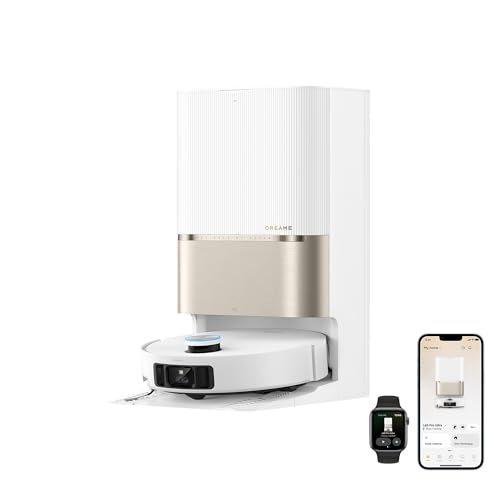
DREAME L60 Pro Ultra Robot Vacuum and Mop
More Details On Our Top Picks
This Tikom model leans into low-maintenance ownership, and that matters in a house where dust and pet hair show up fast on hardwood. The self-emptying base and 90-day dust capacity reduce how often you have to think about the bin, while LiDAR, or light detection and ranging, helps the robot build a map instead of wandering in loose loops.
You may find the blend of 6000Pa suction, mapping, and mop support especially useful in open living rooms with mixed flooring. The trade-off is straightforward, a fuller feature set usually means more dock space and a setup that rewards a little patience at the start.
Strong Points
- Self-emptying dock cuts down on daily bin emptying.
- LiDAR mapping helps it follow a more organized path.
- 6000Pa suction gives it real pull for pet hair and grit.
- Mop support adds a useful touch for light floor refreshes.
- Useful for homes where hardwood meets carpet in the same route.
Things To Consider
- The base takes up more room than a simple charging dock.
- App setup and mapping usually reward a careful first pass.
- Mopping still calls for normal floor prep and tank attention.
Feature Snapshot
Who It Suits Best
Households with pets, mixed floors, and a strong dislike of daily bin duty get the most from this setup.
A Better Fit Elsewhere
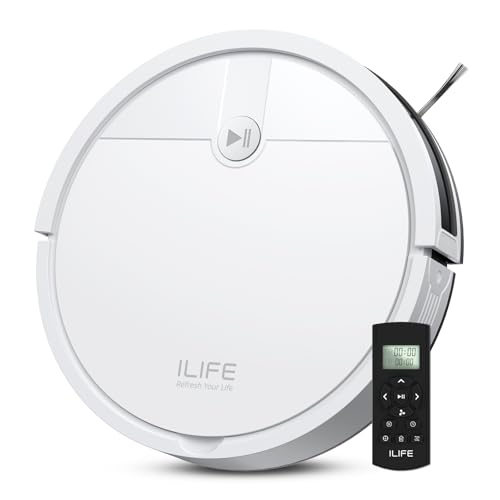
ILIFE V2 Robot Vacuum Cleaner suits smaller, simpler spaces better, especially when you want a slimmer machine with fewer dock demands.
The ILIFE V2 keeps the shape slim and the feature set straightforward, which suits hardwood rooms that need regular upkeep without a lot of app fiddling. Tangle-free suction helps around pet hair, and self-charging means it can return to its dock without you having to track it down.
That simpler approach can feel like a relief in apartments, guest rooms, or secondary floors. The honest read is that you give up the deeper mapping and self-emptying convenience you get from the Tikom or Bagotte, so this one fits a lighter routine.
What We Like
- Slim body can slide under many low pieces of furniture.
- Tangle-resistant suction helps keep hair from building up quickly.
- 120-minute runtime supports longer cleaning passes.
- Self-charging keeps the robot ready without extra effort.
Worth Noting
- Lacks the mapping tools found on the LiDAR-equipped picks.
- No self-emptying dock, so the bin needs more attention.
- Better suited to straightforward layouts than complex room plans.
Core Details
Who Will Love This
Apartment dwellers and anyone with a simple hardwood layout get the most value from this compact, low-fuss option.
Look Elsewhere When
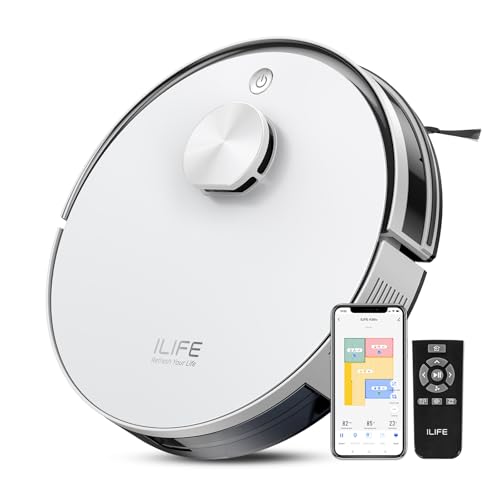
ILIFE A30s Robot Vacuum suits you better for larger homes, since its LiDAR mapping and longer run time handle more complex floor plans with less guesswork.
The A30s steps up the control story with LiDAR mapping, no-go zones, and app, voice, and remote operation, so you can shape how it moves through your rooms. That matters in homes where cords, pet bowls, or delicate corners make a loose roaming pattern annoying.
Its 150-minute runtime and 10000Pa suction put it in a stronger spot than the simpler ILIFE V2, especially on mixed hard floors and carpet edges. You may find it a bit more involved to set up at first, but the payoff is more precise cleaning routes once the map is built.
Reasons To Buy
- LiDAR creates a more orderly map of the home.
- No-go zones help keep it away from problem areas.
- 10000Pa suction gives it strong pickup for dust and pet hair.
- 150-minute runtime suits larger rooms and longer routes.
- App, voice, and remote control offer flexible day-to-day use.
Small Caveats
- Advanced controls ask for a more involved first setup.
- More features usually mean more learning at the start.
Details At A Glance
Best Suited To
Homes with larger floor plans and users who like setting room boundaries get the most from this model.
Another Choice May Suit
ILIFE V2 Robot Vacuum Cleaner makes more sense for smaller, simpler spaces where slim size and basic operation matter more than mapping depth.
At 2.87 inches tall, this ZC WAS combo is built for the kind of furniture gaps many bulkier robots miss. The slim body matters most in homes with low sofas, tight toe-kick space, or table bases that leave very little clearance.
Wi-Fi, app, and voice control add convenience, and 3D obstacle avoidance should help it move more calmly around clutter. The trade-off is that this kind of compact chassis usually leaves less room for a big bin or heavy-duty dock, so it suits lighter upkeep than the self-emptying picks.
Highlights
- Very low profile for reaching under furniture.
- 2-in-1 design gives you vacuuming and mopping in one pass.
- 3D obstacle avoidance helps it route around everyday objects.
- Wi-Fi, app, and voice control support easy scheduling.
Areas To Watch
- Compact machines usually need more frequent bin attention.
- Best suited to homes where floor clutter stays fairly manageable.
- Less emphasis on deep mapping than the LiDAR-heavy options.
Feature Rundown
Made For
Homes with low-clearance furniture and narrow cleaning gaps get the most from this slim 2-in-1 design.
Where A Sibling Pick Shines
Tikom L8000 Plus Robot Vacuum and Mop fits you better for a larger, busier floor plan, thanks to its self-emptying base and LiDAR mapping.
The Q20 Ultra leans on LiDAR mapping, scheduling, and app or voice control, so it feels built for homes that like a little structure. Bagless self-emptying also keeps the dust routine simpler, which helps in everyday hardwood spaces where crumbs and hair seem to reappear overnight.
Compared with the simpler ILIFE V2, this one offers a much richer control set, but that also means more setup decisions. The honest read is that it suits you best once you know your room layout and want the robot to follow it rather than improvise.
Bright Spots
- LiDAR mapping supports cleaner room-by-room coverage.
- Bagless self-emptying reduces mess at the dock.
- Scheduling makes routine cleanups easier to keep up with.
- App and voice control work well for hands-off use.
Points To Note
- Feature depth can mean a longer first setup.
- Best for users who like app-based control.
- Self-emptying docks need their own floor space.
Spec Overview
The Right Fit
Tech-friendly households that want scheduled cleaning and map-based control are a strong match for this pick.
Swap It Out When
ILIFE V2 Robot Vacuum Cleaner is the easier fit for a smaller, less demanding layout where you want fewer features and less setup work.
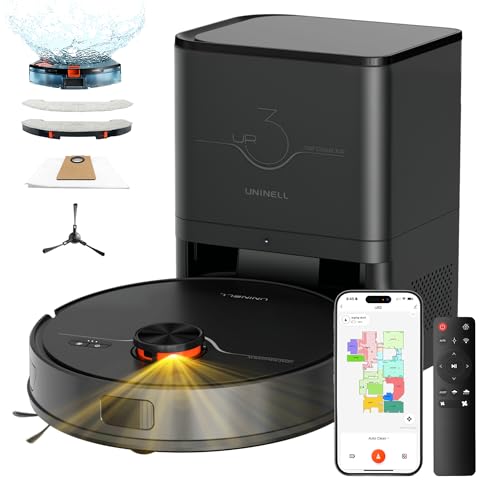
The uninell model sits in a useful middle ground, with a self-emptying station, LiDAR no-go zones, and 7000Pa suction for homes that need more muscle than a basic robot. In most hardwood homes, that mix gives you a cleaner path through pet hair without jumping all the way to the more expensive Dreame setup.
It also lists quiet operation and Alexa compatibility, which can matter in shared spaces where you do not want a loud machine circling during a work call. The catch is that smarter control usually pairs with a more involved dock footprint, so it fits better in homes with a little extra floor space near the wall.
Best Bits
- 7000Pa suction gives it solid pickup for everyday debris.
- Self-emptying station cuts down on frequent bin clearing.
- LiDAR no-go zones help protect problem areas.
- Quiet operation suits shared rooms and evening use.
Room For Improvement
- The dock asks for a more permanent corner of floor space.
- Alexa support is handy, but the setup still matters.
Technical Sheet
Whose Shelf It Belongs On
Hardwood homes with pets and a preference for quieter cleaning get the most useful mix from this model.
Reach For A Different Pick When
DREAME L60 Pro Ultra Robot Vacuum and Mop makes more sense for a larger home that wants more automation around mopping and obstacle handling.
Bagotte builds around the same crowd-pleasing formula as the Tikom, but it trims the pitch to fast home mapping and 90 days of hands-free operation. That makes it feel like a sensible match for routine hardwood cleanup, especially in homes where you want mapping and self-emptying without chasing the most complex feature stack.
The 6000Pa motor should suit pet hair and general debris well, though heavy traffic hallways may still benefit from more frequent runs. You may find the setup straightforward compared with higher-end machines, which helps if you want a cleaner floor without turning the robot into a weekend project.
Positives
- Fast mapping helps it get to work with less fuss.
- Self-emptying support reduces routine bin handling.
- 6000Pa suction handles daily floor debris with confidence.
- 90 days hands-free storage lowers upkeep frequency.
Softer Spots
- More complex room layouts may still need careful map review.
- Hardwood-heavy homes with lots of corners may want deeper obstacle handling.
- Like most combo units, mop upkeep still needs attention.
Key Specs
Built With In Mind
Routine hardwood maintenance for families and pet homes is where this Bagotte makes the most sense.
Skip It When
ILIFE A30s Robot Vacuum is the better call for you if deeper app control and longer runtime matter more than a simpler hands-free routine.
The DREAME L60 Pro Ultra sits at the ambitious end of this group, with auto-emptying, smart obstacle avoidance, and hot-water mop self-cleaning built around a very powerful suction claim. For a large hardwood home, that combination points to less frequent hands-on upkeep and a stronger fit for households that want the dock to do more of the dirty work.
The upside is obvious, but the trade-off usually shows up in complexity and space around the base station. You may find it most compelling after smaller, simpler picks feel too basic, especially if your floors take a beating from pets, kids, or frequent traffic.
What We Like
- Auto-emptying lowers the need for regular bin cleanup.
- Hot-water mop self-cleaning reduces the mess tied to mop care.
- Smart obstacle avoidance helps it move around cluttered rooms.
- Very high suction claim suits demanding cleaning jobs.
Minor Gripes
- The dock and automation stack ask for more floor space.
- Higher-end convenience can feel like more system to learn.
- May be more than you need for a simple apartment layout.
Core Details
The Right Fit
Large homes with busy floors and a strong preference for automation get the most from this Dreame.
Where Another Pick Suits Better
Bagotte Robot Vacuum and Mop Combo is the more approachable choice for you if you want mapping and self-emptying without paying for the most elaborate dock features.
How To Choose The Right Hardwood Robot Vacuums
Match The Navigation To Your Floor Plan
Hardwood rooms can look simple, but open layouts, long hallways, and chair-heavy dining areas change the game fast. LiDAR mapping, which uses laser-based room scanning, helps a robot build a cleaner route than a bump-and-drift pattern, and that matters once your home has multiple rooms or furniture clusters. For studio apartments and straight hallways, a simpler navigation system can still be enough. For larger homes, mapped movement usually saves you from repeated passes and awkward misses around table legs.
Think About Dust, Hair, And Dock Size
Pet hair on hardwood tends to collect in the same places, especially near baseboards and under couches. A stronger suction rating helps with that debris, but the dock design matters just as much because self-emptying stations and larger bases need room near a wall. Smaller homes often do better with a slim robot and a basic charger, while busier households tend to appreciate a dock that reduces daily attention. The right balance depends on whether you want light upkeep or a more automated routine.
Don’t Ignore Mop Design And Maintenance
A lot of hardwood shoppers want mopping because footprints and fine dust show up so clearly on bare floors. That said, a mop add-on works best as a maintenance tool, not a full substitute for manual cleaning in sticky spots or around kitchen spills. Removable pads, water management, and cleaning routines matter because any combo machine needs regular care to stay pleasant to use. The cleaner the dock and mop system are to maintain, the more likely you are to keep using it.
Buy For Your Household Rhythm, Not Just The Spec Sheet
Families with pets, kids, and frequent guests usually get more value from smart scheduling, room mapping, and self-emptying than from a very basic robot. On the other hand, a secondary floor, guest room, or small apartment often benefits from a slimmer, simpler machine that starts fast and stays out of the way. The honest read is that the best hardwood robot vacuum is the one you’ll actually run every week, not the one with the most impressive number on the page.
What To Weigh Before You Decide
Common Shopping Slip Ups
A lot of people focus on suction alone and forget about navigation, dock size, and maintenance. That can leave you with a powerful robot that still feels awkward in a cluttered living room or a dock that crowds your outlet strip.
Another easy miss is treating mopping like a full floor-wash replacement. Combo machines help with routine refreshes, but they still need pad care and sensible expectations.
The Upgrade Payoff
Higher-tier models usually spend more on mapping, obstacle handling, self-emptying, and mop maintenance. That extra money often goes into convenience, so your role shifts from frequent cleanup to lighter supervision.
The upgrade makes the most sense in larger homes, pet-heavy households, and spaces with lots of furniture to work around. For a small apartment or a spare room, a simpler robot often covers the need without adding dock clutter.
Frequently Asked Questions
Are robot vacuums good for hardwood floors?
Yes, hardwood floors suit robot vacuums well because flat surfaces help them move in a more predictable way. You still want good navigation and soft enough care around edges and furniture.
Do you need mopping on hardwood?
Mopping helps with fingerprints, dust film, and light everyday marks. It works best as a regular refresh, not a deep-clean substitute.
Is LiDAR worth it for hardwood homes?
LiDAR helps most in larger or more complex layouts because it improves mapping and route planning. In a simple open room, a basic robot can still do a fine job.
How often do self-emptying docks need attention?
Less often than standard bins, but they still need periodic care. You’ll still want to check dust storage and keep the dock area clear.
What matters more, suction or navigation?
Both matter, but navigation often decides how complete the cleaning feels. Strong suction helps pickup, while smart mapping helps the robot cover the room more cleanly.
Closing Thoughts
Hardwood floors reward robots that are tidy, careful, and easy to live with. Your best match depends on whether you want a slim helper for simple rooms, a mapped setup for bigger layouts, or a more automated dock that handles more of the upkeep. The Tikom and Dreame picks sit at opposite ends of that convenience range, while ILIFE, Bagotte, ZC WAS, Airzeen, and uninell fill in the middle with useful trade-offs. Choose the one that fits your rooms and your routine, and the floor care starts feeling a lot less like a chore.