Choosing an air compressor for a garage, shop, or jobsite is really about matching tank size, pressure, and airflow to the tools you use most. A bigger tank smooths out demand, while higher CFM, or cubic feet per minute, keeps impact tools, nailers, and paint work from stalling under load. Smaller vertical units still earn a place here because they fit tight corners and handle lighter routines without crowding the floor.
The picks below cover full-size workhorse needs and a few compact alternatives that make sense for less demanding spaces. You’ll also see where oil-free designs, wheel kits, and noise levels change day-to-day ownership in ways specs alone don’t show. For a busy garage, that difference matters almost as much as raw power.
Quick Look At The Shortlist

Klutch 29-Gallon Air Compressor 2.5 HP 120V 175 PSI 5.1 CFM

Klutch 20-Gallon Air Compressor 2 HP 120V 175 PSI 4.2 SCFM

VEVOR Air Compressor 15 Gallon Steel Tank 2HP 5.3 CFM

DEWALT Air Compressor 225-PSI Max Hand Carry with Wheels 4-1/2 Gallon D55146

Stealth 12 Gallon Ultra Quiet Air Compressor 1.5 HP Oil-Free Peak 150 PSI

Craftsman Air Compressor 20 Gallon Oil-Free 1.8 HP Max 175 PSI CMXECXA0232043
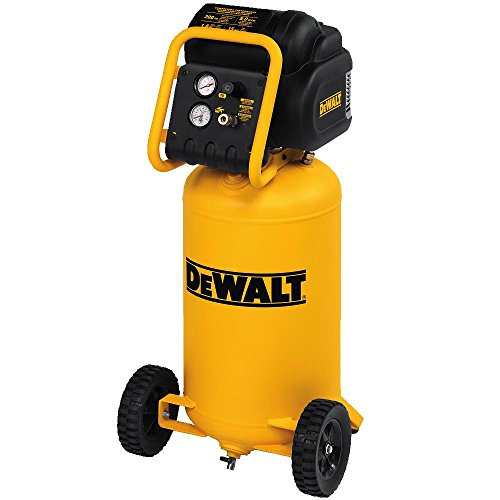
DEWALT Vertical Portable Compressor 1.9 Hp 200 Psi Oil Free High Pressure Low Noise D55168

Stealth Quiet Air Compressor with Wheel 64 Decibel 4.5 Gallon Peak 1.3 HP Max 150 PSI SAQ-1413

ECOMAX Air Compressor 6 Gallon 150 PSI Pancake Portable Oil-free Tank with 10 PCS Accessories Kit

Craftsman Air Compressor 10 Gallon Peak 1.8 HP Max 150 PSI 4.0CFM@90PSI 5.0 CFM@40PSI CMXECXA0331042
More Details On Our Top Picks
The 29-gallon tank gives you enough reserve for longer bursts, so nailers and paint work feel less stop-start in a garage with real projects going on. Its oil-free vertical layout also keeps upkeep simple, which matters more than you’d think once the compressor lives beside cabinets, lumber, and other shop clutter.
Compared with the smaller Klutch 20-gallon unit later in this list, this one gives you more buffer before the motor has to catch up. That extra breathing room helps during trim work or repainting, though the larger body takes a little more floor planning.
Strong Points
- 29-gallon capacity supports longer tool runs before pressure swings become annoying.
- 175 PSI max pressure gives you a healthy reserve for common garage tasks.
- 5.1 CFM at 90 PSI suits many finish tools and inflation jobs.
- Oil-free construction reduces routine maintenance and keeps ownership simple.
- Large wheels make it easier to roll around a crowded workspace.
Things To Consider
- The larger tank needs more room than the 20-gallon Klutch.
- Vertical storage helps, but the unit still feels substantial in smaller sheds.
- Tank drainage is easier than on some compact units, though it still needs regular attention.
Feature Snapshot
Who It Suits Best
Garage owners who want a single compressor for nailing, light painting, and general inflation should feel at home here.
Where A Sibling Pick Shines
The Klutch 20-Gallon Air Compressor 2 HP 120V 175 PSI 4.2 SCFM is a tighter fit for smaller garages that still need respectable recovery.
This Klutch keeps the same 175 PSI ceiling as the larger 29-gallon model, but the 20-gallon tank makes it easier to fit into a tighter garage corner. The 75% duty cycle tells you it’s built for repeated use with rest periods in mind, which is helpful for shop air tools that ask for steady output without pushing the machine nonstop.
You may like the smaller footprint more than the bigger tank if your workbench already fights for space. It trades some reserve capacity for easier placement, so it feels better matched to regular household work than to long paint sessions.
What We Like
- 20-gallon size leaves more breathing room in compact shops.
- 175 PSI max pressure gives you a familiar working margin.
- 4.2 SCFM at 90 PSI supports a wide mix of air tools.
- 75% duty cycle suits recurring tasks better than occasional use only.
- Large wheels make moving it across concrete less awkward.
Points To Note
- It gives up some reserve compared with the 29-gallon Klutch.
- Smaller storage means pressure recovery can feel less relaxed during longer jobs.
- The tank drain still needs routine attention after use.
Details At A Glance
Built With In Mind
Weekend garage users who need dependable output without giving up too much floor space fit this model well.
Look Elsewhere When
The Klutch 29-Gallon Air Compressor 2.5 HP 120V 175 PSI 5.1 CFM suits longer-duty work and bigger tool bursts more comfortably.
That 15-gallon steel tank lands in a useful middle ground, big enough for more than casual inflation but still easier to place than the Klutch 29-gallon units. The quieter 78 dB rating matters in shared spaces, since a compressor that keeps conversation from getting swallowed up can feel much less intrusive in a home garage.
It also brings a 125 PSI max pressure and 5.3 CFM at 90 PSI, which makes the airflow look healthy for its size. The honest read is that the quieter build and moderate tank suit smaller repair zones better than heavy, all-day tool rotation.
Bright Spots
- 15-gallon steel tank feels sturdier than many lighter portable shells.
- 5.3 CFM at 90 PSI gives the unit a strong output profile for its size.
- 78 dB noise rating is easier on nearby conversation and shared work areas.
- Oil-free layout keeps routine maintenance simple.
Small Caveats
- It holds less reserve than the 20- and 29-gallon Klutch models.
- 125 PSI max pressure sits below the larger shop-oriented picks here.
- The compact size is helpful, though it is not a long-session powerhouse.
Core Details
Right Fit For
Home garages, tire work, and smaller spray tasks suit this VEVOR better than bigger shop compressors.
Another Choice May Suit
The Stealth 12 Gallon Ultra Quiet Air Compressor 1.5 HP Oil-Free Peak 150 PSI makes more sense for very noise-sensitive work zones.
The smaller 4.5-gallon tank sounds modest beside the Klutch and Craftsman units, yet the 225 PSI ceiling pushes the pressure side harder than most of the list. That makes it a smart fit for crews who care more about compact carry-and-go handling than about large stored volume.
Wheel support helps offset the hand-carry format, which matters on concrete floors, truck beds, or short hops between job areas. For portable finish work, that mix of carry size and pressure can feel very practical, though the trade-off is less reserve for longer bursts.
Highlights
- 225 PSI max pressure gives it the highest ceiling in this group.
- Hand-carry format stays friendly for transport and fast repositioning.
- Wheels soften the move from truck to work area.
- Compact tank size helps it fit into tighter transport spaces.
Area To Watch
- The 4.5-gallon tank offers less stored air than the larger garage units.
- Smaller capacity means it suits portable bursts more than extended tool runs.
- Storage planning matters because the shape is carry-focused rather than floor-stable and bulky.
Technical Sheet
Whose Shelf It Belongs On
Field crews and mobile tradespeople who value carry convenience and high pressure will get the most from this DEWALT.
Where A Sibling Pick Shines
The Craftsman Air Compressor 20 Gallon Oil-Free 1.8 HP Max 175 PSI CMXECXA0232043 is better for garage users who want more tank reserve at the expense of portability.
Noise is the headline here, and a 68-decibel rating puts this Stealth in a much friendlier lane for attached garages or shared workspaces. The 12-gallon oil-free tank gives you enough capacity for steady household tasks without taking over the room like the larger Klutch models.
Its 5 CFM at 40 PSI and 4 CFM at 90 PSI point toward useful everyday flow, though not the quickest pace for sustained paint work. You may appreciate it most when the workday stretches into evening and you’d rather not make the whole house listen.
Reasons To Buy
- 68-decibel operation keeps noise more manageable in home settings.
- 12-gallon size stays workable without feeling oversized.
- Oil-free design lowers routine maintenance concerns.
- Wheel support improves movement around a garage or shed.
Worth Noting
- Tank size is smaller than the 15-, 20-, and 29-gallon picks here.
- Airflow is good for many tasks, but long paint sessions may call for more reserve.
- The quiet focus can be more valuable than raw output, depending on your setup.
Quick Facts
Made For
Home garages and attached workshops that need calmer sound levels will suit this compressor well.
Swap It Out When
The VEVOR Air Compressor 15 Gallon Steel Tank 2HP 5.3 CFM is the better match for a little more storage and stronger tank capacity.
The two quick couplers set this Craftsman apart in a way that matters the moment two people need air access in the same shop. Add the 20-gallon tank, 175 PSI max, and oil-free design, and you get a compressor that feels especially sensible for shared garage work or one-tool-at-a-time routines.
Compared with the Klutch 20-gallon model, this one stands out for the dual outlets rather than the recovery story. That little difference can save time in a busy workspace, although the overall footprint still asks for a committed corner.
Upsides
- Two quick couplers make back-to-back tool use easier.
- 20-gallon tank gives you solid mid-range storage.
- 175 PSI max pressure supports a wide spread of tasks.
- Oil-free design keeps routine upkeep simple.
Minor Gripes
- It is still a sizeable unit for small sheds.
- Dual outlets help, though they do not replace a larger tank for long painting sessions.
- Regular tank draining remains part of ownership.
Spec Overview
The Right Fit
Shared garages, home workshops, and task lists that benefit from two hoses at once fit this Craftsman well.
Another Choice May Suit
The Klutch 20-Gallon Air Compressor 2 HP 120V 175 PSI 4.2 SCFM is a cleaner match for shoppers who care more about recovery than dual couplers.
The vertical footprint is the point here, because it helps the compressor occupy less floor space while still reaching a 200 PSI ceiling. That makes it appealing for garages where wall space is easier to spare than open square footage, especially for users who want pressure headroom without a bulky horizontal tank.
The low-noise angle also matters in real spaces where tools, storage, and parking all compete. It feels like a clean answer for compact workshops, although the specific tank size is less generous than the larger Klutch picks and the output focus is more about pressure than stored reserve.
Best Bits
- 200 PSI max pressure gives you a high working ceiling.
- Vertical body helps conserve floor area.
- Oil-free design trims routine maintenance needs.
- Low-noise positioning suits garages with nearby living space.
Softer Spots
- Vertical storage helps, though the footprint still needs a clear corner.
- Pressure focus matters more here than large tank reserve.
- It is a better fit for compact spaces than for very long tool runs.
Feature Rundown
Best Suited To
Space-conscious garages and users who want pressure headroom in a smaller shape should look closely at this DEWALT.
Reach For A Different Pick When
The Craftsman Air Compressor 20 Gallon Oil-Free 1.8 HP Max 175 PSI CMXECXA0232043 makes more sense for a shared shop that values dual outlets over vertical form.
At 64 decibels, this Stealth is clearly aimed at quieter work environments, and that matters in attached garages or mixed-use spaces where noise travels quickly. The 4.5-gallon tank and 1.3 HP motor keep it compact, so it behaves more like a light support tool than a high-volume shop compressor.
That makes it a sensible companion for occasional inflation, trim work, and lighter tool duty. The trade-off is obvious: you get easier movement and calmer sound, but not the reserve that the 12-, 15-, or 20-gallon picks can offer.
Positives
- 64-decibel operation is friendly in shared or enclosed spaces.
- Wheel support helps with short moves around the garage.
- 4.5-gallon size keeps storage simple.
- Oil-free air pump reduces routine maintenance steps.
Room For Improvement
- Small tank size limits how long it can stay ahead of heavier tools.
- 1.3 HP output suits lighter-duty work more than demanding tasks.
- The compact body is easy to place, though it is not built for long air draws.
Feature Card
Who Will Love This
Noise-sensitive garages and small workshops that value easy rolling storage will appreciate this Stealth most.
Not Your Match When
The DEWALT Vertical Portable Compressor 1.9 Hp 200 Psi Oil Free High Pressure Low Noise fits better for shoppers who want more pressure headroom in a taller shell.
The pancake shape keeps this ECOMAX compact, which is exactly what helps in a garage that sees sporadic projects rather than all-day tool use. The 6-gallon tank and 150 PSI ceiling make it a reasonable starter unit, and the included accessories kit gives you a more complete setup out of the box.
That bundle matters for first-time ownership because it trims down the number of extra pieces you need to gather separately. It won’t match the recovery or reserve of the larger Klutch and Craftsman models, but it does make short tasks easier to get moving quickly.
What We Like
- Pancake layout is easy to store and move.
- 150 PSI max pressure handles common light-duty jobs.
- Oil-free tank simplifies routine upkeep.
- Accessories kit helps you start using it sooner.
Things To Consider
- 6-gallon storage is much smaller than the mid-size shop compressors in this roundup.
- Best suited to light tasks rather than extended air-tool sessions.
- The accessory bundle is handy, though it does not change the tank’s small capacity.
Feature Snapshot
Who Should Grab It
Weekend DIY tasks, light inflation, and small home projects fit this ECOMAX well.
Skip It When
The Craftsman Air Compressor 10 Gallon Peak 1.8 HP Max 150 PSI CMXECXA0331042 is the better fit for shoppers who want a larger tank and more headroom.
A 10-gallon tank puts this Craftsman in a useful middle zone, bigger than a pancake compressor but still easier to store than the 20- and 29-gallon units. The 4.0 CFM at 90 PSI and 5.0 CFM at 40 PSI tell you it’s tuned for practical home tasks, not marathon shop runs.
That balance makes sense for homeowners who want one compressor for inflation, brad nailers, and general cleanup. The wheel helps with movement, and the oil-free setup keeps maintenance straightforward, though longer paint or trim sessions will still favor the larger Klutch picks.
Best Bits
- 10-gallon tank gives you more reserve than smaller portable units.
- 4.0 CFM at 90 PSI supports common home and garage tasks.
- 5.0 CFM at 40 PSI helps with lower-pressure use.
- Oil-free design keeps ownership simpler.
- Wheel support makes movement easier around the house or garage.
Areas To Watch
- It still trails the 20- and 29-gallon compressors for extended air demand.
- The tank is practical, though not large enough for serious all-day shop use.
- Drain care stays part of regular upkeep, as with most tanks.
Core Details
The Right Fit
Household garages and weekend projects suit this Craftsman better than larger, more stationary shop compressors.
Where A Sibling Pick Shines
The Klutch 29-Gallon Air Compressor 2.5 HP 120V 175 PSI 5.1 CFM fits longer tool sessions and repainting jobs more comfortably.
How To Choose The Right 120 Gallon Air Compressors
Tank Size And Pressure Work Together
Tank size decides how much air sits ready before the motor starts rebuilding pressure, while PSI, or pounds per square inch, sets the pressure ceiling. For nailers, inflation, and short bursts, a moderate tank can still do useful work, but long spray sessions need more reserve.
Shop spaces with repeated tool use benefit from bigger tanks because they smooth out pressure swings. Smaller garages can still do fine with a compact vertical unit, but the trade-off shows up in more frequent refill cycles.
CFM Tells You More Than HP
CFM matters because it shows how much air the compressor can deliver at a given pressure. Horsepower sounds impressive, yet a strong HP number does not help much if the airflow cannot keep up with your tool.
Look at the tool’s demand first, then match the compressor’s output to that need. That approach makes more sense for impact wrenches, paint gear, and nailers than chasing the biggest motor label on the page.
Think About Noise And Layout
Noise level becomes a real factor in attached garages, basement shops, and shared work areas. A quieter oil-free unit can make routine tasks feel less intrusive, even if the raw output is lower than a louder shop tank.
Vertical tanks save floor space, while wheel kits help when the compressor needs to move between tasks. The best shape is the one that fits your storage, your power outlet, and the way you actually work.
Maintenance Shapes Ownership
Oil-free compressors simplify upkeep because you skip oil changes, but tank drainage still matters. Moisture left in the tank can shorten the useful life of the unit, so a drain that’s easy to reach saves frustration later.
That detail is worth more than it first sounds. In a busy garage, easy draining is the kind of small convenience that keeps the compressor ready instead of becoming one more neglected machine in the corner.
What To Weigh Before You Choose
Common Shopping Slip Ups
Many shoppers fixate on tank size and overlook airflow, which is where performance actually shows up for tools. A large tank with modest CFM can still feel slow under load.
Another common miss is ignoring footprint and mobility. A compressor that looks manageable online can crowd a narrow garage fast, especially once hoses and tools join the setup.
What The Higher Tier Buys
More expensive compressors usually pay for stronger output, better pressure headroom, and more thoughtful build details like easier mobility or quieter operation. In this category, those upgrades matter most for anyone running tools often or sharing a workspace.
The jump is worth it when your compressor becomes part of daily work instead of an occasional helper. For light weekend use, a mid-range model often feels more sensible.
Frequently Asked Questions
What size compressor works best for a garage?
A 10- to 29-gallon unit suits most home garages because it balances storage with usable air reserve. Larger tanks help more when your tools draw air for longer stretches.
Is oil-free better for low-maintenance use?
Oil-free compressors simplify routine care because you do not have to manage oil service. You still need to drain the tank and keep the unit clean.
Why does CFM matter so much?
CFM shows how much air the compressor can deliver while tools are running. That number is often more useful than horsepower for judging real tool compatibility.
Are quieter compressors usually smaller?
Not always, but quieter models often lean toward slower, more compact designs. A lower-noise unit can feel easier to live with in an attached garage or shared workspace.
What is the best shape for tight storage?
Vertical compressors usually make the most sense when floor space is limited. Pancake and carry-style units also help, but they give up tank reserve.
Closing Thoughts
Your best match comes down to how much air your tools need, how often you use them, and where the compressor has to live. For bigger garage jobs, the Klutch 29-gallon and Craftsman 20-gallon options feel especially practical. For quieter or more portable work, the Stealth and DEWALT picks solve different space problems with less bulk. Choose the one that fits your shop rhythm, and the machine will feel useful instead of oversized.