You’re here because tire fill-ups, suspension setup, and trail-side air jobs get old fast when the tool is underpowered or awkward. The right dual-cylinder or twin-motor setup can save time in a garage, on an overland rig, or on a long day with a truck, SUV, or RV. This roundup focuses on practical fit, not hype, so you can match each pick to how you actually use it.
Some of these choices suit portable tire inflation, while others are better for lockers, air tanks, bags, or mounted systems. You’ll also see where a digital gauge, a preset pressure control, or a continuous-duty design matters, and where it’s just extra complexity.
Quick Look At The Shortlist

ALL-TOP Air Compressor Kit, Dual Cylinder 12V Portable Inflator 12.35 ft³/Min

ARB CKMTA12 12V On-Board Twin Air Compressor

VIAIR 444C Dual Air Compressor for Air Suspension (Chrome)

ALL-TOP 12V Air Compressor w/LCD Control Panel
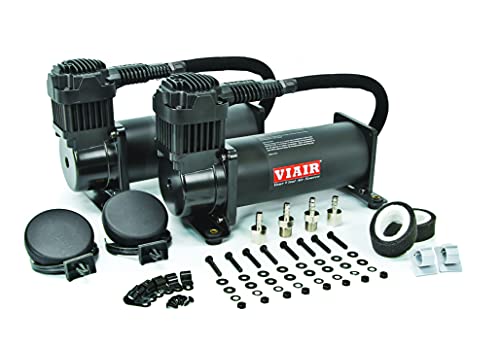
VIAIR 444C Dual Air Compressor for Air Suspension (Stealth Black)

ALL-TOP 4 Tire Inflation & Deflation System
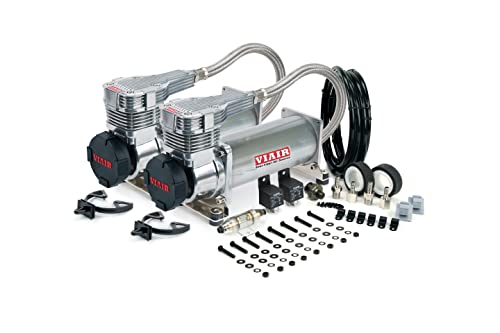
VIAIR 485C Dual Air Compressor for Air Suspension (Platinum)

ALL-TOP Dual Cylinder Air Compressor with Digital Pressure Gauge Tire Inflator Kit

VEVOR 10.6 CFM Heavy Duty Air Compressor

12V Twin Air Compressor Replacement for CKMTA12
More Details On Our Top Picks
Trail rigs and work trucks tend to punish small inflators, and this ALL-TOP unit leans into that problem with a dual-cylinder layout and a stated 12.35 ft³/min airflow. That kind of output matters because it shortens the wait on larger tires, especially on a packed day with a camper or tools in the back.
The trade-off is plain enough, it’s built more for utility than for a tiny storage cubby. You’ll get the most from it in an overland garage or truck bed setup where the extra bulk is easier to live with.
Strong Points
- Dual cylinders help move air with less lag on larger tires.
- 150 PSI capacity covers common off-road and RV inflation needs.
- Portable 12V design fits roadside use and garage top-offs.
- Useful for truck tires, 4×4 setups, and bigger weekend builds.
Things To Consider
- The housing looks geared toward function, so storage space matters.
- Longer runs can call for a pause, depending on tire size and ambient heat.
- You’ll want a tidy place to keep hoses and leads between trips.
Key Specs
Who It Suits Best
You’ll get the most from this pick in a truck, 4×4, or RV setup where a stronger portable inflator earns its keep.
Another Choice May Suit
ALL-TOP 12V Air Compressor w/LCD Control Panel is a better fit for you if preset pressure control matters more than raw portability.
Mounted twin compressors like this ARB unit make the most sense when you want a more permanent air source instead of hauling a portable pump around. It’s aimed at air lockers, locking differentials, tire inflation, and pneumatic tools, so the use case is broader than a simple roadside inflator.
The honest read is that this suits organized builds more than casual top-offs. If your rig already has the electrical planning and space for an on-board system, the payoff is cleaner integration and less clutter.
What We Like
- On-board format keeps the compressor ready for repeated use.
- Two-motor layout suits lockers, tires, air horns, and tools.
- Better fit for planned installs than a loose portable unit.
- Works well in rigs where air needs come up often.
Worth Noting
- Installation takes more planning than a plug-in inflator.
- The setup makes more sense in a dedicated vehicle build.
- Overkill for shoppers who only top off tires now and then.
Technical Sheet
Made For
You’ll appreciate this most in a built-out 4×4 or truck where a fixed air system is part of the plan.
Look Elsewhere When
ALL-TOP Air Compressor Kit, Dual Cylinder 12V Portable Inflator is the easier fit for you if you want portability over a mounted install.
Air suspension setups ask for a compressor that can keep up without feeling flimsy, and the 444C line is built around that job. The continuous-duty cycle design means it’s made for repeat operation rather than quick one-off fills, which is exactly why it shows up in air tanks, bags, and air horn builds.
The chrome finish gives it a more polished look than the blacked-out version later in this list, though the real value is still the duty-cycle focus. For custom suspension projects, that matters more than looks, even if the shiny housing does help in an exposed install.
Highlights
- Continuous-duty design suits repeated suspension cycling.
- 200 PSI capacity gives plenty of headroom for custom setups.
- Works well with air tanks, bags, and air horns.
- Two-pack format supports multi-part builds.
Points To Note
- Best suited to systems that need a mounted compressor.
- The chrome finish may show grime more readily than darker housings.
- Its purpose is specialized, so casual tire use feels secondary.
Feature Rundown
Right Fit For
This one belongs with you if your build revolves around air suspension, tanks, or horns more than basic tire filling.
Where A Sibling Pick Shines
ARB CKMTA12 12V On-Board Twin Air Compressor suits you better when lockers and broader onboard use matter more than a suspension-first setup.
The LCD control panel is the main reason this ALL-TOP model stands out, because preset target pressure takes a lot of guesswork out of topping off tires. For overland use, that kind of control feels handy when you’re moving between highway pressure and trail pressure often.
Compared with the simpler portable ALL-TOP unit earlier in the list, this one leans into convenience features a little more. That trade-off can be worth it for you if repeat inflation jobs are part of your weekly routine.
What We Like
- Preset pressure control makes routine fill-ups easier.
- 12.35 CFM airflow supports quicker tire inflation.
- 150 PSI ceiling gives flexibility for truck and RV use.
- LCD feedback helps keep the process more orderly.
Room For Improvement
- Screen-based controls add one more thing to keep clean.
- You may prefer a simpler unit for grab-and-go storage.
- The feature set is more useful in repeated use than in occasional use.
Core Details
Built With In Mind
You’ll like this most in a truck or overland rig where a preset pressure display saves time and attention.
Swap It Out When
ALL-TOP Air Compressor Kit, Dual Cylinder 12V Portable Inflator fits you better if you want a simpler portable pump without the display layer.
Same 444C platform, different finish, and that matters more than it sounds at first. The stealth black housing looks cleaner in an exposed engine bay or underbody install, especially if you prefer hardware that fades into the build rather than standing out.
In use, it lines up with the chrome version above, so your choice here is mostly about appearance and how the unit sits in the rest of your setup. That makes it a nice fit for custom projects where visual consistency matters as much as compressor output.
Best Bits
- Dark housing blends in better on custom installs.
- Continuous-duty design suits air suspension and tank work.
- 200 PSI rating gives generous operating headroom.
- Useful in builds that need repeated compressor cycles.
Small Caveats
- The key difference from the chrome model is the finish, not the core function.
- It still makes more sense in a planned install than in casual use.
- Mounted systems need careful routing and upkeep.
Details At A Glance
Who Should Grab It
You’re the right fit for this version if you want the 444C’s performance in a darker finish that blends into the vehicle.
Another Choice May Suit
VIAIR 444C Dual Air Compressor for Air Suspension (Chrome) works better for you if a brighter visible finish suits your build style.
This is less a single compressor and more a tire management setup, which is exactly why it earns a place here. The digital gauge and quick-fitting package are meant to make pressure changes cleaner across four tires, and that matters on trail days where uneven fill-ups waste time.
The 200-foot wheelbase limit gives it a very specific lane, so large rigs benefit more than compact SUVs. Compared with the portable inflators in this roundup, the workflow is more organized and more specialized at the same time.
Reasons To Buy
- Handles all four tires together for faster pressure changes.
- Digital gauge supports more consistent tire checks.
- Up and down functionality suits mixed road and trail driving.
- Long wheelbase support broadens its fit for larger rigs.
Areas To Watch
- The setup is more niche than a standard inflator.
- Setup and storage take more attention than a simple hand-held pump.
- You’ll want a clean place for the fittings and lines.
Spec Overview
Perfect Match For
You’ll like this most if you drive a larger overland rig and want one system for all four tires.
Reach For A Different Pick When
VEVOR 10.6 CFM Heavy Duty Air Compressor suits you better if you want a simpler portable inflator for mixed truck and SUV use.
The 485C sits in the same family as the 444C models, but it’s the more serious-looking platinum version and a strong fit for higher-demand suspension work. That upgrade path makes sense for custom builders who want a compressor that feels ready for heavier system use rather than occasional fill-ins.
Compared with the 444C, this one belongs in projects where you want the compressor to feel like a long-term part of the build. The trade-off is that it’s not the casual pick in this list, and that’s fine for the right garage.
Upsides
- Continuous-duty design supports repeated suspension operation.
- 200 PSI capacity leaves room for demanding setups.
- Strong fit for air tanks, bags, and air horn systems.
- The platinum finish gives the unit a cleaner visual profile.
Softer Spots
- Best suited to a planned install rather than a quick setup.
- The polish of the finish won’t matter much once it’s tucked away.
- Overkill for simple tire topping.
Feature Card
The Right Fit
You’ll want this version if your suspension build needs a stronger visual finish and a more serious compressor profile.
Skip It When
VIAIR 444C Dual Air Compressor for Air Suspension (Chrome) is the better match for you if the same platform with a brighter finish suits your build more naturally.
This ALL-TOP version lands in a useful middle ground, since you get the dual-cylinder format plus a digital pressure gauge without moving into full preset-control territory. That makes it a smart fit for off-road owners who want more feedback than a basic inflator can provide, but not the extra panel logic of the LCD model.
The hollow metal shell and aluminum cylinder point toward better heat handling, which matters during longer inflation sessions. For a typical truck or RV owner, that’s the kind of detail that feels small on paper and helpful on a hot day.
Bright Spots
- Digital gauge adds clearer pressure tracking.
- Dual-cylinder design helps it keep pace on larger tires.
- Hollow metal shell and aluminum cylinder support heat management.
- 150 PSI rating suits trucks, RVs, and 4×4 use.
Minor Gripes
- The source details point to function first, so the unit feels utilitarian.
- You still need a place to store the hose and lead.
- The gauge helps, but it isn’t the same as preset automation.
Quick Facts
Whose Shelf It Belongs On
You’ll like this if you want a strong portable inflator with a gauge and you’d rather keep the controls straightforward.
Where Another Pick Shines
ALL-TOP 12V Air Compressor w/LCD Control Panel is a better match for you if preset target pressure matters more than a simpler gauge-only setup.
VEVOR takes a straightforward route here, with 10.6 CFM and a dual-cylinder portable layout aimed at quick tire inflation. That makes it easy to place in the truck or SUV without feeling like you’re carrying a full shop setup around.
The listed 30-second inflation claim is clearly about a fast pace rather than a universal guarantee, so real-world results will depend on tire size and starting pressure. Even so, the overall shape of the product is attractive for drivers who want strong output without moving into the more specialized systems above.
Positives
- 10.6 CFM airflow gives it a solid work pace.
- Portable dual-cylinder layout keeps it useful on the road.
- 150 PSI ceiling covers many truck and SUV tasks.
- Adapters expand its reach across common vehicle types.
Honest Caveats
- The fast-fill figure is best read as a speed reference, not a universal outcome.
- The portable setup still needs organized storage for accessories.
- More niche systems above may suit dedicated suspension work better.
Feature Snapshot
Who Will Love This
You’ll get a lot from this if you want a practical portable compressor for trucks, SUVs, or 4×4 travel.
Not Your Match When
ALL-TOP 4 Tire Inflation & Deflation System is the better fit for you if your priority is adjusting all four tires together on larger rigs.
This GELUOXI unit exists for a very specific job, replacing a CKMTA12-style twin compressor in a compatible on-board setup. That narrow focus is a strength for you if your current system already matches the format and you want a repair-minded option instead of rebuilding the whole air path.
It’s the least general-purpose pick in the roundup, and that’s exactly why it can still matter. For a working off-road rig or a vehicle with a well-matched setup, a replacement part often feels less dramatic than a full compressor swap, but far more sensible.
Strong Points
- Direct replacement focus helps narrow the compatibility search.
- Useful for keeping an existing on-board system in service.
- Fits a repair-first mindset instead of a whole new build.
Points To Note
- It only makes sense for compatible CKMTA12-style setups.
- You won’t get the broader flexibility of the portable models above.
- Replacement parts need a careful match to the existing system.
Core Details
Best Suited To
You’re the right match for this if your current ARB-style setup needs a compatible replacement rather than a new platform.
Where Shoppers Go Wrong
ARB CKMTA12 12V On-Board Twin Air Compressor is the better fit if you need the whole compressor system, not just a replacement part.
How To Choose The Right Dual Air Compressors
Match The Duty Cycle To Your Use
Duty cycle means how long a compressor can run before it needs a break. A continuous-duty design suits air suspension, tanks, and repeated fill-ups, while a simpler portable inflator makes more sense for occasional tire top-offs.
Your routine should lead the decision. A truck that airs up after every trail run needs a different machine than a garage that handles a flat once in a while.
Think About Airflow Before Accessories
CFM, or cubic feet per minute, tells you how much air the compressor can move. Higher airflow usually means less waiting on larger tires, but it does not replace good hose routing, clean connections, or the right power setup.
That balance matters in real use. A lower-output model can still be fine for passenger tires, while a stronger unit earns its keep on 4x4s, RVs, and systems that need repeated fills.
Choose Control Based On Your Workflow
Some compressors keep things simple with a basic pump and gauge. Others add an LCD panel, preset target pressure, or a multi-tire inflation system, which saves time when you repeat the same pressure routine again and again.
Preset controls help most in busy garages and overland rigs. They add parts and complexity, so a plain design can be the smarter fit for anyone who wants fewer things to maintain.
Plan For Storage, Mounting, And Heat
Portable units need space for the compressor, hose, and fittings, and that gear can get messy fast without a clear storage spot. Mounted systems shift the burden to installation, wiring, and routing, which is worth it only when you want the compressor ready all the time.
Heat handling also matters, especially on longer inflation runs. Metal cylinders, dual-cylinder layouts, and continuous-duty designs usually signal better stamina, but the trade-off is more weight, more complexity, or both.
Things Worth Knowing First
Hidden Buying Traps
A common mistake is chasing only the highest pressure number. PSI matters, but airflow and duty cycle often decide whether the compressor feels quick or frustrating in daily use.
Another slip is ignoring where the compressor will live. A capable unit that has no clear storage or mounting plan usually becomes garage clutter.
The Upgrade Payoff
Higher-tier models cost more because they usually add stronger motors, better cooling materials, more complete control panels, or a mounted system layout. Those extras matter most when you inflate often, manage air suspension, or want a cleaner installed setup.
For a casual top-off, a simpler unit is enough. For repeated trail work or a built vehicle, the upgrade can save time and reduce hassle every month.
Frequently Asked Questions
What does dual-cylinder mean in an air compressor?
It means the unit uses two cylinders to move air, which can help support stronger airflow. That usually matters most on larger tires or longer inflation sessions.
Is continuous duty worth it for a daily driver?
It can be, especially for air suspension or frequent tire work. For occasional use, a portable inflator may be easier to own and store.
Do I need a digital pressure gauge?
No, but it can make tire management cleaner and easier to read. A basic gauge still works fine for simple top-offs.
Which style suits overlanding better?
Portable dual-cylinder inflators suit many overland setups because they travel well. A mounted on-board compressor makes more sense when you want air ready at all times.
Are replacement compressors worth considering?
Yes, when your current on-board system already matches the part. A replacement can be the most practical path for keeping a proven setup in service.
Closing Thoughts
You’ve got a useful spread here, from portable dual-cylinder inflators to on-board suspension systems and a dedicated replacement part. The right choice depends less on the label and more on how often you need air, how much space you have, and whether you want a simple pump or a built-in setup. For most truck, SUV, and overland use, the best match is the one that fits your routine without making storage or installation a headache. Pick the lane that fits your vehicle, and the tool will feel a lot less like an extra project.