Childrens robots can do a lot more than just spin in circles and flash lights. For your home, the right pick can turn screen time into hands-on play, keep a child busy during travel, or make early learning feel less like a chore. The best fit depends on age, patience, and whether you want movement, voice interaction, drawing, or fidget-style play. Some of these are full-featured robot toys, while others lean more toward sensory or learning use.
Quick Look At The Shortlist

GILOBABY Interactive Robot for Kids Ages 3-8
5PC Magnetic Robot Travel Toys for Kids
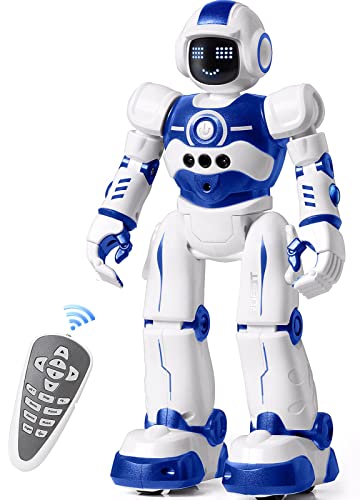
Robot Toys for Kids Programmable Remote Control Smart Walking Dancing Robot Toy
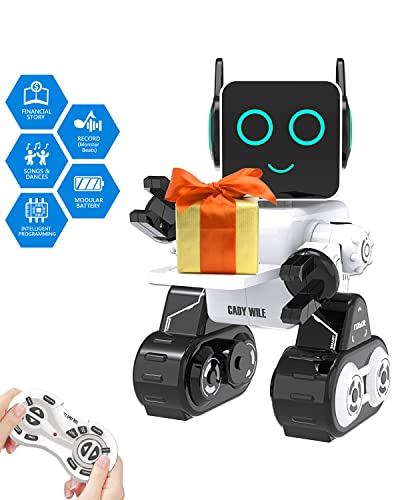
okk Robot Toy for Kids Smart RC Robots

RIVGOT Drawing Robot for Kids with 150 Cards
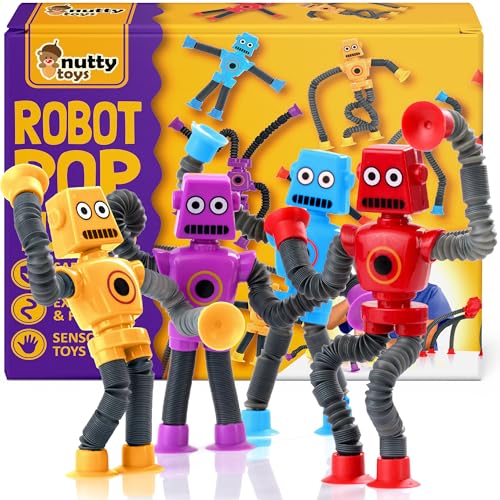
nutty toys Sensory Robot Toys 4pk Top Pop Tubes Fidget 2026

Remote Control Robot for Kids Intellectual Gesture Sensor Programmable Robots
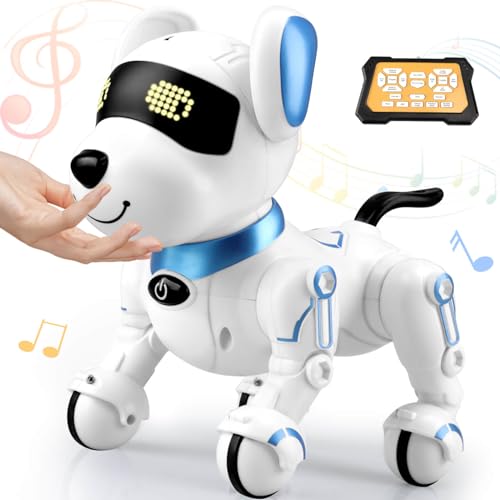
Robot Dog Toys for Kids 8-12 Remote Control Dogs
More Details On Our Top Picks
This GILOBABY robot leans into interactive play, so it feels more like a small companion than a simple wind-up toy. Touch control, voice play, singing, dancing, and recording make it a strong fit for younger kids who want something responsive on a desk or play mat.
The recording mode lets you capture up to 90 seconds, which adds a nice personal touch for families who like repetition and call-and-response games. The included USB charging setup also suits daily play better than a toy that burns through disposable batteries, though a full charge routine still needs a little planning.
Strong Points
- Touch sensing makes the robot feel interactive right away.
- Voice playback gives kids a simple way to hear their own words repeated.
- Singing and dancing help it hold attention during quiet play.
- USB charging is handy for a family room or bedroom setup.
- Up to 6 hours of play time suits longer stretches between charges.
Things To Consider
- The play pattern is lively, but it still suits structured toy time more than open-ended building play.
- Recorded audio is capped at 90 seconds, so it’s more for short clips than long messages.
- Charging time matters, especially before travel or busy weekends.
Feature Snapshot
Who It Suits Best
You’ll get the most out of this one for a child ages 3 to 8 who likes hands-on toys and simple voice interaction.
A Better Fit Elsewhere
RIVGOT Drawing Robot for Kids with 150 Cards suits a child who likes slower, guided creative play more than motion and sound.
These little magnetic robot figures are built for downtime on the move, not for a big tabletop setup. Their bendable shape and magnetic hands and feet make them easy to stick to a fridge, locker, or other metal surface, which is handy in a kitchen or travel bag.
The five-piece set brings variety without taking much space, and the bright colors help each piece stand out during car rides or waiting rooms. The trade-off is that this style is simpler than the touch-and-sound toys in the first slot, so it works more as a quiet fidget than a feature-heavy robot.
What We Like
- Five colorful figures give you variety in one set.
- Magnetic hands and feet make storage easy on metal surfaces.
- Bendable bodies add a small amount of poseable play.
- Lightweight pieces pack well for road trips and flights.
Room For Improvement
- The play style is simple, so it won’t satisfy kids who want lights, speech, or movement.
- Small pieces deserve a tidy storage spot after travel.
- Cleaning is straightforward, though the flexible shape can collect dust in creases.
Feature Card
Who Will Love This
This suits families who want a small, quiet travel toy for toddlers or early grade-school kids.
Another Choice May Suit
Britik Robot Dog Toys for Kids 8-12 fits an older child who wants a more animated pet-style robot with programming.
Compared with the simpler magnetic set above, this one is built around motion and control. Gesture sensing gives it a more hands-on feel, while the programmable remote side makes it better for kids who like repeating action sequences and watching the robot react.
Walking and dancing are the main draw here, so it fits a playroom floor or open living room better than a tight desk setup. The honest read is that this kind of toy works best for children who enjoy pressing buttons, waiting for a response, and then changing the move pattern again.
Best Bits
- Gesture sensing adds a natural, hands-on control style.
- Programmable play gives kids a taste of sequencing.
- Walking and dancing keep the toy active on open floors.
- Remote control makes it easier for younger kids to direct movement.
Points To Note
- It needs room to move, so cramped spaces can limit the fun.
- The action-led design matters more here than quiet play.
- Programmable toys usually need a little setup time before the fun starts.
Core Details
Right Fit For
This is a solid match for kids ages 4 to 10 who like movement, cause-and-effect play, and a bit of control.
Swap It Out When
GILOBABY Interactive Robot for Kids Ages 3-8 makes more sense for younger children who want voice playback and a gentler interaction style.
The built-in coin bank gives this one a more household-friendly angle than the action-first robot above. You get the usual movement and sound play, but the savings slot on top of the head adds a simple habit-building touch that feels natural on a shelf or dresser.
That mix makes it useful as both a toy and a keepsake-style object, which helps in gift situations where you want something playful without looking disposable. The trade-off is that the saving feature matters most when the child actually likes dropping coins in and reopening the drawer, so the appeal is partly personality-driven.
Highlights
- Coin bank storage gives it a practical side.
- Touch and sound control broaden the play style.
- Walking, dancing, singing, and talking create plenty of variety.
- It feels more gift-worthy than a basic novelty toy.
Areas To Watch
- The saving feature only matters for kids who enjoy using it.
- More moving parts and sound modes mean more to keep track of.
- It’s still a toy robot first, not a storage item with deep capacity.
Details At A Glance
Made For
This works well for kids who enjoy a toy with a playful function and a small saving habit built in.
Where A Sibling Pick Shines
nutty toys Sensory Robot Toys 4pk Top Pop Tubes Fidget 2026 is the better match for travel-heavy families who want quieter pocket-sized play.
This RIVGOT pick moves away from dance-and-talk play and heads straight into guided drawing. The included card set gives children a structure to follow, which suits quiet afternoons, classroom tables, or any spot where you want focus instead of noise.
Built-in music keeps the process from feeling too dry, and the step-by-step format can help children stay with an activity longer. Depending on the child, that structure feels comforting rather than restrictive, though kids who want open-ended play may outgrow the format faster than a motion robot.
Positives
- 150 cards provide a lot of drawing prompts.
- Music adds energy without taking over the activity.
- The step-by-step layout supports concentration and follow-through.
- Good for hand-eye coordination practice in a calm setting.
- Works well on a desk, craft table, or homeschool corner.
Small Caveats
- This is more of a guided art tool than a freeform robot toy.
- Card storage matters, so keeping pieces organized helps a lot.
- Children who want motion or voice interaction may find it too quiet.
Quick Facts
Whose Shelf It Belongs On
You’ll appreciate this most for a child who likes arts, tracing, and calmer table-top play.
Look Elsewhere When
EduCuties Robot Toys for Kids Programmable Remote Control Smart Walking Dancing Robot Toy fits a child who wants moving parts and remote-driven action instead of drawing structure.
Unlike the louder robots earlier in the list, this four-pack is built for simple tactile play. The telescoping tube style gives your child something to stretch, compress, and carry, which makes it useful on planes, in the car, or during restaurant waits.
The robot shape keeps the set on-theme without making it complicated, and the compact size is the real advantage here. One thing worth considering is that this is more of a sensory tool than a classic robot toy, so the value sits in feel and portability rather than motion or conversation.
Bright Spots
- Four pieces give you variety in one small pack.
- Easy to carry in a travel pouch or backpack.
- Telescoping movement offers hands-on sensory play.
- Works well during quiet downtime and transit.
Worth Noting
- There are no lights, speech, or remote controls here.
- Open the package carefully, then keep the pieces together for travel.
- It suits fidget-style use more than pretend robotics.
Spec Overview
The Right Fit
This suits families who want a quiet, pocketable fidget toy for children from preschool age through the tween years.
A Better Fit Elsewhere
GILOBABY Interactive Robot for Kids Ages 3-8 is better for a child who wants voice interaction and active movement instead of tactile squeezing.
This Suliper robot sits in a familiar middle ground, with infrared remote control and gesture sensing giving you two ways to direct the action. It also walks, dances, slides, and responds to hand movements, so it has enough variety for a child who likes to stay in control of the toy.
The CPC certification note is useful from a shopping standpoint because it signals a product marketed with children in mind, though the play value still matters more than any label. Compared with the more design-focused okk robot, this one feels more like a straightforward starter robot for kids who want movement and simple control first.
Reasons To Buy
- Two control styles give children flexibility.
- Walking, sliding, dancing, and singing create variety.
- Good stepping stone into basic robotics play.
- Gesture response can feel intuitive for younger kids.
Trade Offs
- It still needs enough floor space to move well.
- Repeated sound and motion modes may feel busy in a quiet room.
- The programming side is simple, so advanced kids may want more depth.
Feature Rundown
Best Suited To
You’ll get the most from this if your child is just starting to explore robotics-style toys and likes simple control.
Where A Sibling Pick Shines
Robot Toys for Kids Programmable Remote Control Smart Walking Dancing Robot Toy suits a child who wants deeper action sequencing and more programmable play.
This robot dog brings a more pet-like feel than the human-shaped robots earlier in the list. It tells stories, sings nursery rhymes, dances, teaches English, and imitates six animal sounds, so it covers both playtime energy and a little learning without feeling overly academic.
The programming feature adds another layer, since your child can line up actions and have the dog perform them in sequence. With more than 80 minutes of play time, it suits longer sessions better than a quick novelty toy, though the appeal will be strongest for children who already like animals or pretend pet care.
Upsides
- Story, song, and speech features add range.
- Programming helps children think in sequences.
- More than 80 minutes of play time supports longer sessions.
- The dog format feels friendly for older kids.
Honest Caveats
- Its pet style matters most for children who like dogs.
- Moving parts and programming usually need a little adult setup at first.
- It takes more shelf space than the smaller travel toys.
Technical Sheet
Built With In Mind
This suits older children who want a robot pet with voice features, movement, and a programming angle.
Reach For A Different Pick When
GILOBABY Interactive Robot for Kids Ages 3-8 is the better fit for younger children who want simpler voice play and a softer age range.
How To Choose The Right Childrens Robots
Start With The Type Of Play
Childrens robots split into a few clear styles, and that matters more than the branding on the box. Some models walk, dance, and respond to gestures, while others focus on drawing, magnetic fidget play, or pet-like storytelling.
For a child who likes motion and feedback, a remote-controlled robot makes sense. For a child who settles down better with a table activity, the drawing machine or a sensory pack usually works more smoothly.
Match The Age Range To Attention Span
Age labels help, but attention span tells you even more. Younger children often enjoy touch response, voice playback, and simple movement, while older ones usually want programming, sequencing, or a toy that feels more layered.
Ages 3 to 8 usually pair well with straightforward interaction, like GILOBABY. Children closer to 8 to 12 often stay interested longer when the toy offers control logic, extra modes, or a pet-style personality.
Think About Space And Noise
Some robots need room to walk and dance, which makes them better for living rooms and playrooms. Others are compact enough for a backpack, a desk, or a car seat, and those tend to shine during travel or waiting time.
Noise matters too, especially in shared spaces. A sound-heavy robot can be fun in a bedroom or family room, while a magnet set or pop-tube style toy feels easier in a car or restaurant.
Look At Maintenance Before The Fun Starts
Rechargeable models reduce battery swapping, but they still need charging time and a place to store the cable. Small parts, card sets, and magnetic pieces also benefit from a simple bin or pouch so nothing gets lost.
Plastic shells are usually easy to wipe clean, while bendable or telescoping pieces need a little more care around joints and corners. That small bit of upkeep often decides whether a toy stays in rotation or gets tucked away.
Things Worth Knowing First
Common Shopping Slip Ups
Some shoppers focus only on motion and forget the child’s age or patience level. A flashy robot can lose its appeal fast when it’s too noisy, too busy, or too complicated for the kid holding it.
Another common miss is space. Walking robots need open floor area, while travel toys and drawing toys make more sense in smaller spots.
The Upgrade Payoff
Higher-tier robots usually cost more because they pack in more control styles, more modes, or a fuller mix of speech, movement, and programming. You’re paying for a toy that does more than one job, not just a shell with lights.
The upgrade is worth it for kids who keep circling back to the same toy style. A child who likes sequencing, pet play, or longer sessions often gets more out of a feature-rich model than from a simple novelty piece.
Frequently Asked Questions
What age works best for a child robot toy?
Ages 3 to 8 usually pair well with simple voice, touch, or motion features. Older children often stay engaged longer with programmable controls or pet-style robots.
Which child robot is best for travel?
Small magnetic sets and sensory packs are the easiest to pack. They fit better in a bag and keep children busy without needing much room.
Are programmable robots hard to use?
Most of these toys use simple button sequences rather than complex coding. That keeps the setup manageable for children and still adds a useful logic element.
What kind of robot works best for quiet play?
Drawing robots and sensory fidget sets usually suit quiet time best. They keep hands busy without the constant movement and sound of a walking robot.
Do robot toys need much upkeep?
Rechargeable models need cable access and charging time, while card sets and magnetic pieces need storage. A small bin or pouch helps keep everything together.
Closing Thoughts
The right childrens robots are the ones that match the child’s daily rhythm, not just the ones with the most features on paper. A younger child may lean toward voice playback and touch response, while an older child often wants programming, a pet-like personality, or a stronger learning angle. For travel, keep things compact. For home play, go bigger and more interactive, and you’ll have a much better shot at keeping the toy in rotation.