You want a robot vacuum that handles daily dust, pet hair, and crumbs without turning into a project. These eight picks focus on useful extras like LiDAR mapping, self-emptying bins, slim bodies for low furniture, and app or voice control, so you can match the machine to your floor plan instead of guessing.
Some of these models lean simple and compact, while others offer stronger suction, longer runtime, or easier maintenance. That mix matters in real homes, especially when you have carpet edges, tight hallways, or a pet that sheds like it’s part of the routine.
The Shortlist At A Glance

Tikom Robot Vacuum and Mop 6000Pa Self-Emptying Base L8000 Plus
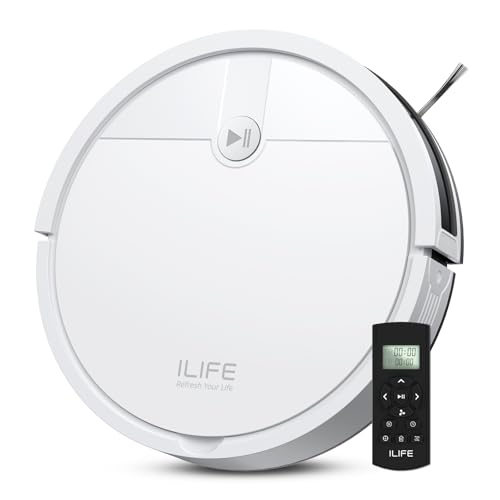
ILIFE V2 Robot Vacuum Cleaner Tangle-Free Suction 120 Mins Runtime Slim
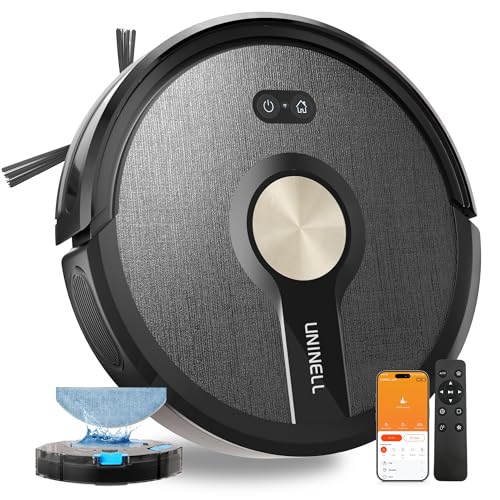
Robot Vacuum and Mop Combo 5000Pa 180mins Runtime UR1

Lefant M210 Pro Robot Vacuum 2200 Pa 6 Cleaning Modes White
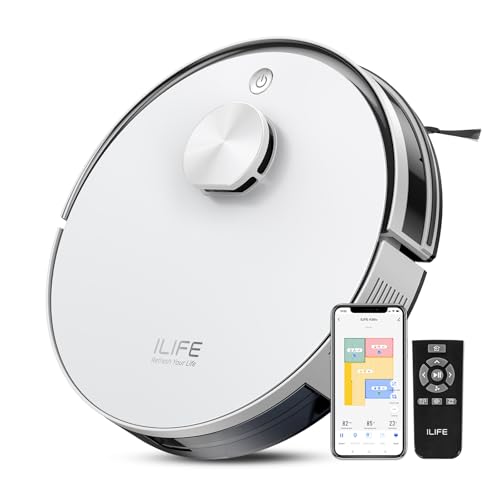
ILIFE A30s Robot Vacuum 10000Pa LiDAR Navigation Home Mapping

Robot Vacuum and Mop for Pet Hair 2-in-1 2.87 Slim Design

eufy C10 Robot Vacuum 2.85in Slim Design Self-Emptying LiDAR Navigation

Robot Vacuum and Mop Upgraded Bagless Self-Emptying 6000Pa Q20 Ultra
More Details On Our Top Picks
The self-emptying base gives this Tikom a clear advantage in a pet home, because less bin handling means fewer interruptions during the week. LiDAR navigation, short for light detection and ranging, helps it build a map of the layout so you get more orderly passes than a random-bounce machine.
The 6000Pa suction rating also puts it in a different lane from the slimmer, simpler ILIFE V2 and Lefant M210 Pro. You still need room for the dock, so this suits a real laundry room or hallway corner more than a cramped studio.
Strong Points
- Self-emptying dock reduces how often you handle dust and hair.
- LiDAR mapping helps it track rooms with more structure.
- 6000Pa suction gives you a stronger pull for carpets and pet fur.
- Mop function adds useful upkeep on hard floors.
- Good fit for homes where cleaning needs to happen often.
Room For Improvement
- The dock takes more floor space than a basic charging cradle.
- Self-emptying systems still need bag or bin attention over time.
- The stronger setup makes this less compact than the ILIFE V2.
Feature Rundown
Who It Suits Best
Pet owners and busy households that want a mapped clean with less daily upkeep will get the most from this layout.
A Better Fit Elsewhere
ILIFE V2 Robot Vacuum Cleaner suits smaller apartments better, especially when you want something slimmer and simpler to park.
The ILIFE V2 leans simple, slim, and easy to live with, which is exactly why it fits smaller apartments and tidy hard-floor spaces. Tangle-free suction points to a brush setup that’s meant to handle hair with less wrapping, a helpful detail in homes with pets or long strands on the floor.
Compared with the Tikom L8000 Plus, you give up mapping and self-emptying convenience, but you also get a lower-fuss machine that’s easier to place under furniture. The 120-minute runtime is solid for routine upkeep, though it’s still more modest than the longest-running picks in this list.
Upsides
- Slim body slips under many low pieces of furniture.
- Tangle-resistant suction helps keep hair from building up on the brush.
- Self-charging support makes routine use more hands-off.
- 120-minute runtime suits regular cleanups across compact spaces.
Points To Note
- No mapping system, so room coverage is less structured than LiDAR models.
- You’ll need to empty it yourself more often than a self-emptying option.
- Best results come from uncluttered floors and simple layouts.
Technical Sheet
Built With In Mind
You’ll appreciate this most in apartments, guest rooms, or homes that need a straightforward floor cleaner without app-heavy complexity.
Where A Sibling Pick Shines
Robot Vacuum and Mop Combo UR1 suits you better if you want longer runtime and app-based control for a larger floor plan.
The UR1 sits in a useful middle ground, especially for households that want app, remote, and voice control without stepping into the most expensive tier. Its 180-minute runtime gives you more breathing room than the ILIFE V2, which matters in open layouts or on days when you want one longer cleaning pass.
Because it combines vacuuming and mopping, it handles hard floors a little more completely than a vacuum-only model. The trade-off is that combo machines ask more of you during upkeep, since the mop side adds another part to rinse and manage.
What We Like
- Long runtime supports larger rooms and fewer charging pauses.
- App, remote, and voice control give you flexible control options.
- Two-in-one cleaning makes hard floors feel more finished.
- 5000Pa suction offers a strong middle-road spec for mixed floors.
Things To Consider
- Combo cleaning means more upkeep than a simple vacuum-only unit.
- Voice control works best in a home that already uses smart commands comfortably.
- The body is less bare-bones than the ILIFE V2, so setup feels a bit busier.
Quick Facts
Whose Shelf It Belongs On
This suits practical households that want one robot for scheduled cleanups, mixed floors, and everyday crumbs.
Look Elsewhere When
Tikom Robot Vacuum and Mop L8000 Plus fits better for you if self-emptying matters more than app variety.
The Lefant M210 Pro is the stripped-down option in this group, and that simplicity can be useful in a home that just needs steady floor touch-ups. Six cleaning modes give you some flexibility, while the 120-minute runtime keeps it relevant for routine passes on hard floors and light-pile areas.
It doesn’t bring the mapping polish of the Tikom L8000 Plus or ILIFE A30s, so it’s more about straightforward cleaning than room-by-room precision. Quiet operation is a nice touch for shared spaces, though you’ll still want to keep floors fairly clear so it can move without getting stalled.
Bright Spots
- Quiet operation suits homes where noise matters.
- Six modes offer more choice than bare-minimum robots.
- Self-charging helps keep the routine hands-off.
- 2200 Pa suction handles light debris on everyday hard floors.
Minor Gripes
- Lower suction makes it less aggressive on thicker carpet.
- No advanced mapping, so coverage feels simpler than LiDAR units.
- Works best when cords and clutter are kept out of the way.
At A Glance
Who Should Grab It
You’ll like this most in a small home that needs quiet, simple upkeep and doesn’t demand premium mapping.
A Better Fit Elsewhere
ILIFE A30s Robot Vacuum suits you better if you want stronger suction and LiDAR guidance for a more structured clean.
The A30s pushes harder than most of the list, with 10000Pa suction and LiDAR navigation giving it a more ambitious feel right away. That matters in homes with mixed flooring, since mapped movement usually makes better use of strong suction than a robot that wanders.
No-go zone control is a very practical detail, because it lets you keep the robot out of pet bowls, charging cables, or a child’s play corner. Compared with the UR1, you give up the combo mop format, but you gain a more focused vacuum-first setup that’s easier to trust on carpet-heavy days.
Reasons To Buy
- Very strong suction suits carpets, pet hair, and heavier dust.
- LiDAR mapping helps it work with more order in larger rooms.
- No-go zone control makes setup more tailored to the layout.
- App, voice, and remote control cover different routines cleanly.
- 150-minute runtime supports broad coverage without rushing the job.
Softer Spots
- The stronger feature set can feel like more robot than a very small apartment needs.
- Mapped features take a little more setup attention at the start.
- Vacuum-only design leaves hard-floor mopping to a separate tool.
Details At A Glance
Made For
You’ll get the most from this in a larger home with carpets, pets, and a layout that benefits from mapped coverage.
Swap It Out When
ILIFE V2 Robot Vacuum Cleaner is the simpler choice for a smaller place that doesn’t need this much navigation detail.
At 2.87 inches tall, this ZC WAS model is built for the kind of gaps many robot vacuums miss, especially under sofas and lower cabinets. The 3D obstacle avoidance should help it handle furniture legs and scattered objects with less bumping, which is useful in lived-in rooms rather than showroom-clean spaces.
The mop function adds some value on hard floors, but the real appeal is the slim body more than the headline feature mix. Compared with the bulkier Tikom L8000 Plus, this feels easier to fit into tight homes, though the trade-off is that a lower-profile machine usually brings a more modest feature set.
Highlights
- Very slim height reaches places bulkier robots can miss.
- 3D obstacle avoidance helps it move around common floor clutter.
- Wi-Fi, app, and voice control add practical flexibility.
- 2-in-1 cleaning supports light upkeep on hard floors.
Areas To Watch
- Low-profile designs can still struggle with tangled cords and loose rugs.
- It’s less feature-heavy than the LiDAR-based picks higher up.
- Mop upkeep adds another part to rinse and manage after use.
Core Details
Perfect Match For
You’ll like this most in a tight home with low furniture, mixed flooring, and plenty of everyday obstacles.
Another Choice May Suit
eufy C10 Robot Vacuum fits better if you want a slimmer body with self-emptying support and smarter mapping.
The eufy C10 feels especially well judged for everyday cleaning, because it combines a slim 2.85-inch profile with self-emptying support. That pairing helps in homes with low furniture and regular pet hair, where you want fewer handoffs between runs and less fuss around the dock.
LiDAR navigation and smart mapping give it a more intentional path than basic floor bots, and the edge expansion brush helps it reach along walls and baseboards more effectively. Compared with the Lefant M210 Pro, this is the more convenient step up, though the added dock means you’ll want a good parking spot for it.
Best Bits
- Self-emptying design reduces routine dust-bin chores.
- Very slim body fits under more furniture.
- LiDAR mapping supports cleaner room coverage.
- Edge expansion brush helps near walls and corners.
- Carpet detection adds useful awareness for mixed floors.
Honest Caveats
- The dock adds another item to place and maintain.
- Mapped cleaning works best once the layout has been set up well.
- Self-emptying convenience depends on keeping the base area clear.
Feature Card
Who Will Love This
This suits you best when you want slim access, mapped cleaning, and less day-to-day maintenance.
Skip It When
Lefant M210 Pro makes more sense if you want a simpler robot and don’t need self-emptying hardware.
The Q20 Ultra stands out for keeping the self-emptying idea while shifting to a bagless setup, which may suit you better if you dislike replacing disposable bags. LiDAR navigation, smart mapping, schedule support, and app or voice control put it in the more organized camp, much like the Tikom and eufy picks.
Its 6000Pa suction brings it closer to the stronger vacuum-first models, but the bagless design changes the maintenance rhythm a bit. That makes sense for households that want convenience without extra consumables, though you still need to clear and wash the dust path now and then.
Positives
- Bagless self-emptying setup reduces reliance on replacement bags.
- LiDAR and smart mapping improve room-by-room structure.
- 6000Pa suction gives it solid pull for everyday debris.
- Schedule support fits regular weekly routines well.
Small Caveats
- Bagless systems can mean more direct dust handling during upkeep.
- The feature mix makes this more involved than a basic robot.
- App and voice control feel most useful in a connected home setup.
Core Details
The Right Fit
You’ll like this most if you want mapped cleaning with a more hands-off dust system and a bagless dock.
Reach For A Different Pick When
Tikom Robot Vacuum and Mop L8000 Plus fits better if you want a more established self-emptying layout with a mop included.
How To Choose The Right Budget Robot Vacuums
Match The Machine To Your Floor Plan
Room shape changes everything. A LiDAR model, which uses laser-based mapping for room awareness, suits open layouts and homes with recurring furniture placement, while a slimmer bot without mapping works fine in simple apartments.
Long hallways, chair legs, and scattered toys reward smarter navigation. In a busy kitchen or family room, self-emptying and mapping save more effort than raw suction alone.
Focus On The Cleanup You Actually Need
Pet hair calls for stronger suction and a brush system that resists tangles. Hard floors respond well to a vacuum and mop combo, while carpet-heavy homes benefit more from suction power and carpet detection.
Think about maintenance too. A bagless dock cuts consumable use, but it also asks for more direct dust handling, so the convenience trade changes form rather than disappearing.
Look Closely At Height, Runtime, And Controls
Height matters more than many people expect. A 2.85-inch robot can reach under low sofas and cabinets, while a taller body may clean better on open floors but miss shallow clearance zones.
Runtime matters in larger homes, especially if you want one pass instead of a recharge break. App, remote, and voice control matter most when you want to start cleaning without hunting for the machine.
Spend Where Daily Use Gets Easier
Higher-tier budget robots usually earn their keep through better mapping, stronger suction, and more convenient dust management. Those features show up in daily life as fewer manual resets, more organized coverage, and less time spent babysitting the robot.
Basic models still make sense for compact spaces with simple floors. Once the layout gets busier, the extra money often goes toward reduced friction rather than flashy extras.
A Quick Reality Check
Traps First Timers Fall Into
Many shoppers focus only on suction numbers and miss the dock size, brush design, or floor height. That can leave you with a strong robot that still doesn’t fit under your furniture or in your storage spot.
Another common miss is buying a vacuum-and-mop combo for a home that rarely needs mopping. In that case, the extra maintenance can feel like baggage instead of help.
The Upgrade Payoff
Higher-tier machines tend to spend more on mapping, self-emptying systems, and smarter carpet handling. That’s where the price difference shows up most clearly, because those parts reduce hands-on cleanup and improve route planning.
The upgrade makes sense for larger homes, pets, and mixed flooring. In a small apartment, a simpler robot often delivers enough value without adding dock bulk or extra upkeep.
Frequently Asked Questions
Are budget robot vacuums good for pet hair?
Yes, many budget models can handle pet hair well, especially those with stronger suction and tangle-resistant brushes. Homes with heavy shedding benefit most from self-emptying support.
Do you need LiDAR navigation?
You don’t need it for every home, but it helps a lot in larger or more cluttered spaces. It gives the robot a clearer sense of the layout than basic bump-and-go movement.
Is a mop function worth having?
It helps when your home has mostly hard floors and you want lighter day-to-day upkeep. It matters less in carpet-heavy homes.
How important is a slim design?
Very important if you have low sofas, beds, or cabinets. A slim profile lets the robot clean places taller models often miss.
What matters more, suction or runtime?
Suction matters more for lifting dirt and pet hair, especially on carpet. Runtime matters more in larger homes where one pass needs to cover more ground.
Closing Thoughts
You have more than enough solid options here, and the right one depends on how your home actually lives day to day. A self-emptying LiDAR model makes sense for busier spaces, while a slim, simpler machine fits tighter homes and lighter routines. Focus on the parts that save you time, not the spec sheet that looks loudest. That’s the path to a robot vacuum you’ll keep using without thinking twice.