Air wrench guns earn their keep in garages, home workshops, and tire-heavy routines where hand tools start feeling slow. You want enough torque for stubborn fasteners, a grip that stays manageable through longer jobs, and a size that fits the space around the bolt head. The list below leans into those real-world differences, from compact angle tools to heavy-duty 1-inch options, so you can match the tool to the job instead of guessing.
Quick Look At The Shortlist
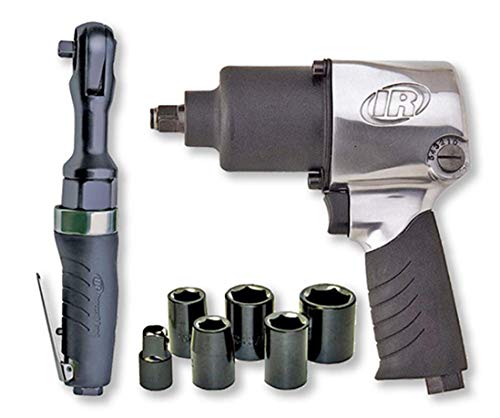
Ingersoll Rand 2317G Air Impact Wrench and Air Ratchet Kit

BESWELL BW-112BN 1/2-Inch Air Impact Wrench
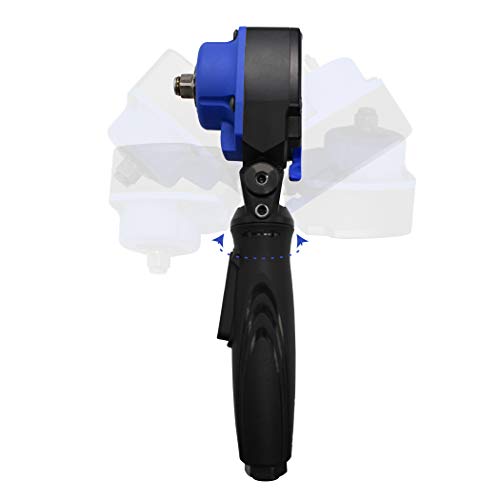
Astro Tool 1834 Nano Flex-Head Angle Impact Wrench

Ingersoll Rand 2130 1/2-Inch Air Impact Wrench

Astro Tool 1894 ONYX THOR Impact Wrench
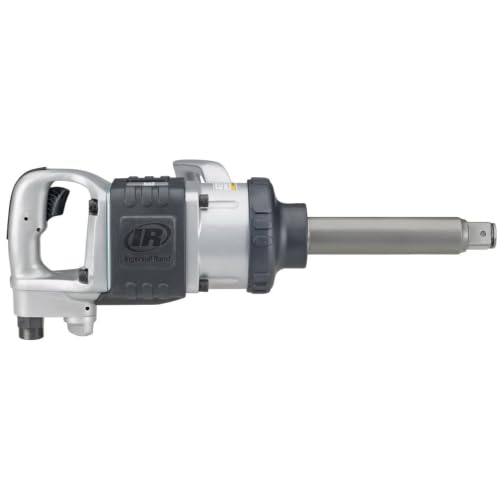
Ingersoll Rand 285B-6 1-Inch Extended Anvil Impact Wrench

Ingersoll Rand 232TGSL 1/2-Inch Air Impact Wrench

Ingersoll Rand 36QMAX 1/2 Air Impact Wrench

Goplus 1-Inch Impact Wrench with Extended Anvil
More Details On Our Top Picks
This kit makes sense for a home garage that needs both reach and impact force without buying two separate tools. The 1/2-inch impact wrench handles tougher fasteners, while the 3/8-inch air ratchet fills in for tighter assembly work and lighter teardown. The included five-piece socket set and carrying case help keep the setup organized, which matters more than it sounds once tools start wandering around a workbench.
Compared with the standalone picks below, this one is about coverage rather than raw muscle, so it suits mixed chores better than heavy truck work. The honest read is that you trade some specialization for convenience, and that trade makes sense for new garages, weekend maintenance, and anyone building a first pneumatic toolkit.
Strong Points
- Two tool types in one case, so your bench stays less cluttered.
- The socket set adds immediate usefulness right out of the box.
- Better for mixed repair sessions than a single-purpose wrench alone.
- The carrying case helps with storage and keeps small pieces together.
Small Caveats
- It is more of a versatile starter kit than a specialist’s torque monster.
- Users who already own quality sockets may not need the included set.
Feature Card
Who It Suits Best
DIY mechanics and first-time pneumatic tool shoppers will get the most out of this balanced setup.
A Better Fit Elsewhere
BESWELL BW-112BN makes more sense for you if your priority is stronger single-tool torque for repeated wheel and suspension work.
For tire rotations, brake jobs, and repeated break-loose work, this BESWELL model leans hard into torque-focused use. The twin-hammer mechanism, a design that uses two striking hammers for stronger impact bursts, points toward faster loosening on stubborn lugs and hardware. In a busy repair bay, that kind of emphasis can matter more than a pretty finish.
Compared with the Ingersoll Rand 2317G kit, you give up the extra ratchet and socket bundle, but you gain a more single-minded wrench for heavier tasks. You may find that trade worthwhile for car work, though occasional users with lighter maintenance needs could prefer the more complete kit above.
What We Like
- High-torque focus suits frequent tire and suspension jobs.
- Twin-hammer action is built for quick impact delivery.
- Simple single-tool setup keeps routine garage use straightforward.
- Good fit for fast-paced automotive work where speed matters.
Points To Note
- It is less versatile than a kit that includes a ratchet and sockets.
- Strong output can feel like more tool than casual maintenance needs.
- Regular cleaning and air-line care still matter for long-term smoothness.
Technical Sheet
Who Should Grab It
Auto enthusiasts and shop hands who handle repeated wheel service will appreciate the focused torque.
Reach For A Different Pick When
Ingersoll Rand 36QMAX is the calmer choice for cramped work zones where lighter handling matters more than brute force.
This one stands out because the head can flex, which helps in engine bays, around brackets, and anywhere straight tools start bumping into walls of metal. The angle format makes it easier to work where a standard body would be awkward, so it feels less like a brute and more like a problem-solver. The 400 ft/lb figure also gives you enough muscle for many service tasks without pushing into the oversized territory of the heaviest picks.
Compared with the BESWELL and Ingersoll Rand 2130, the appeal here is access rather than pure hand-filling force. That makes it a smart match for mechanics who spend time on compact assemblies, although you may want a straight-body wrench too for open-access jobs.
Bright Spots
- Flex-head design helps you reach awkward fasteners.
- Angle body suits engine compartments and tight brackets.
- Torque rating covers plenty of routine service work.
- Useful as a second wrench for specialized access.
Areas To Watch
- The angled format can feel less natural for plain open-bench work.
- It is a specialty tool, so it may not replace your main wrench.
Core Details
The Right Fit
Technicians who spend time in cramped bays or under-hood spaces will get the most from the flex-head layout.
Another Choice May Suit
Ingersoll Rand 2130 is the easier call for straight-ahead garage work where a classic pistol grip feels more familiar.
This pistol-grip wrench has the familiar shape that many garage users prefer, especially for repeated lug removal and general service work. The 650 ft-lb max torque gives you a strong middle ground, more than enough for many common automotive fasteners without jumping into oversized territory. In a busy home shop, that balance can feel easier to live with than a tool built only for extremes.
Compared with the Ingersoll Rand 232TGSL, this model reads a little more straightforward and less specialized on paper, which helps when you want dependable strength without a lot of fuss. The trade-off is that some heavier-duty users may still reach for the 1-inch Goplus or Ingersoll Rand 285B-6 when the hardware gets large.
Best Bits
- Classic pistol-grip shape feels familiar in everyday garage use.
- 650 ft-lb rating gives useful strength for common fasteners.
- Good middle-ground choice for mixed maintenance routines.
- Simple, no-frills format usually suits steady long-term ownership.
Softer Spots
- Heavier truck or equipment jobs may call for a bigger tool.
- It does not bring the extra accessories of the combination kit.
- Storage is straightforward, though hose management still matters.
Details At A Glance
Made For
Garage regulars who want a conventional wrench shape and solid midrange torque will feel at home here.
Swap It Out When
Goplus 1-Inch Impact Wrench makes more sense for truck tire work and larger hardware that needs a bigger drive size.
The THOR-branded Astro Tool brings a tougher, more purpose-built feel to the 1/2-inch category. It suits repair work that asks for repeated impact action and a tool body that feels ready for long sessions rather than light occasional use. That puts it in the same broad conversation as the BESWELL, though the mood here is more specialized and shop-centered.
You may find this a strong match for mechanics who want a wrench that leans into demanding service rather than casual garage tinkering. The catch is that the source details are thin, so the appeal rests more on the model’s positioning and the established Astro Tool name than on a long feature list.
Highlights
- Feels geared toward demanding workshop use.
- 1/2-inch format stays in the common automotive lane.
- Good fit for users who want a no-nonsense service tool.
Worth Noting
- Fewer source details make feature comparison less exact.
- It is better viewed as a focused tool than a kit centerpiece.
Feature Rundown
Whose Shelf It Belongs On
Service-minded mechanics who want a focused 1/2-inch wrench with a harder-working personality will likely appreciate it.
Where A Sibling Pick Shines
Ingersoll Rand 2317G is the smarter choice for you if you want sockets and a ratchet bundled in with the wrench.
Large fasteners call for a tool that feels built on a different scale, and this 1-inch Ingersoll Rand fits that lane cleanly. The six-inch extended anvil, an anvil being the part that holds the socket, gives extra reach around deep or awkward hardware. Two handles also point to better control during large-job positioning, which matters in equipment work where the tool can feel bulky.
Compared with the 1/2-inch picks, this one is far less about everyday flexibility and far more about serious hardware. The trade-off is size and specialization, so it makes the most sense for truck, agricultural, or heavy equipment work rather than casual driveway repairs.
Upsides
- 1-inch drive suits large sockets and bigger fastening jobs.
- Extended anvil helps you reach recessed hardware.
- Dual handles improve control during more demanding positioning.
- Better aligned with heavy equipment than standard car tools.
Room For Improvement
- It is oversized for most small garages.
- Storage and handling take more room than a 1/2-inch wrench.
- Specialized use means it is not the tool you reach for every day.
Core Details
Built With In Mind
Heavy-equipment owners and shop crews working on large vehicles will get the most from this format.
Look Elsewhere When
Ingersoll Rand 2130 is the more practical choice for standard car work and a smaller tool footprint.
This model lands in the dependable middle ground that many garage users want. The 625 ft-lb rating gives you a useful amount of power for typical automotive fastening, while the pistol-grip layout keeps the handling familiar. It sits close to the Ingersoll Rand 2130 in everyday feel, though the slight torque difference may matter more to you than it does on paper.
For routine vehicle service, it feels like a sensible tool to keep within arm’s reach rather than a specialty piece you only bring out for stubborn jobs. The honest caveat is that users chasing maximum force or larger hardware may still want to step up to the 1-inch Goplus or the 285B-6.
Positives
- Balanced torque suits common car maintenance tasks.
- Pistol grip keeps the tool easy to position.
- Good everyday option for shops that want steady output.
- Feels familiar to anyone used to standard 1/2-inch impacts.
Minor Gripes
- It does not bring the accessory bundle found in the combination kit.
- Users with larger equipment work may still need a bigger drive size.
- Regular hose and fitting upkeep still affects long-term smooth use.
Spec Overview
Perfect Match For
Home mechanics and light shop use are the sweet spot for this steady, middleweight wrench.
Where Shoppers Go Wrong
Ingersoll Rand 36QMAX makes more sense for cramped spaces, since its compact body is easier to live with in tight corners.
The 36QMAX is the one you notice for size control more than brute force. At 2.4 pounds, it stays light enough for overhead work and long sessions where wrist fatigue starts to matter, and the compact body helps in wheel wells, engine bays, and other cramped places. Quiet technology suggests a calmer working experience, which is welcome in garages where noise stacks up fast.
Compared with the Ingersoll Rand 232TGSL, this one gives up some old-school bulk in exchange for easier handling. That trade makes it especially appealing for service techs and home users who spend a lot of time in tight spaces, though heavy equipment work still belongs to the larger-drive picks.
Reasons To Buy
- Lightweight body helps reduce hand fatigue during longer sessions.
- Compact format works well in tight spaces.
- Quiet-operation focus suits garages where noise is a concern.
- Strong enough for many 1/2-inch automotive jobs.
Trade Offs
- Compact size can feel less substantial than bigger shop wrenches.
- Heavy truck hardware still calls for a larger drive size.
- Light tools are easier to store, though they still deserve dry storage after use.
Feature Snapshot
Who Will Love This
Commuter garage users, mobile service techs, and anyone working in tight quarters will appreciate the smaller frame.
Skip It When
Ingersoll Rand 285B-6 is the better fit for you if your jobs involve oversized hardware and heavy machinery.
The Goplus lands squarely in the heavy-duty lane, with a 1-inch drive and a carrying case that make it easier to organize a bigger tool setup. The included 1-1/2-inch and 1-5/8-inch sockets point to use around large hardware, while the 6-inch extended anvil helps reach recessed spots. For truck tire work or larger mechanical jobs, that mix can be more practical than a smaller wrench with stronger marketing language and fewer useful accessories.
Compared with the Ingersoll Rand 285B-6, this one looks like the more kit-friendly route for shoppers who want a big tool with some starter accessories included. The trade-off is that source details are limited beyond the headline numbers, so it fits best for people who know they need the size and can live with a less detailed feature set.
Upsides
- 1-inch drive suits oversized fasteners and heavier service work.
- Included large sockets make the kit more immediately useful.
- Extended anvil helps with deep reach around bulky hardware.
- Carrying case supports cleaner storage between jobs.
Honest Caveats
- It is too much tool for routine passenger-car use.
- Source details are thinner than some other picks here.
- Large tools need more storage room and a sturdier hose setup.
Core Details
Right Fit
Truck owners, heavy-equipment users, and shop setups that need big-drive coverage are the natural match here.
Where Another Pick Suits Better
Ingersoll Rand 2130 is the easier everyday choice for standard garage work where a 1/2-inch body is more manageable.
How To Choose The Right Air Wrench Guns
Match Drive Size To The Fasteners You Handle
Drive size changes the whole feel of the tool. A 1/2-inch wrench, like most of the picks here, fits everyday automotive jobs and common socket sets, while a 1-inch model is built for larger hardware and heavier vehicles.
The bigger the drive, the more space, hose support, and storage room the tool tends to ask for. That trade matters in a small garage where a compact 1/2-inch body can save time and hassle.
Torque Is Only Part Of The Story
Torque tells you how much turning force the wrench can deliver, and that matters for stubborn lugs, suspension bolts, and other stuck fasteners. Still, torque alone does not tell you how the tool handles in tight engine bays or overhead positions.
A 640 ft-lb compact wrench and a 650 ft-lb pistol-grip model can serve very different jobs because weight, body shape, and reach change the experience. For frequent car work, a balanced tool often feels more useful than the biggest number on the page.
Think About Form Before You Think About Force
Pistol-grip tools feel familiar and steady for general garage use. Angle wrenches and flex-head models are more specialized, but they can save you from dismantling extra parts just to reach one stubborn bolt.
That is where the use case really matters. In a crowded engine bay, a compact or angled body can feel like the right answer, while open shop work often favors a straight, more conventional wrench.
Accessories And Storage Matter More Than You Expect
A kit with sockets, a ratchet, or a carrying case can make the first few months much easier. You spend less time hunting for parts and more time actually using the tool.
That convenience has a trade-off, though, because a kit usually serves mixed work better than one focused wrench. For a first setup, that is often a fair exchange.
What To Weigh Before You Decide
Mistakes Worth Dodging
One common misstep is shopping only by torque and ignoring fit. A huge wrench can be awkward in a small garage, and a compact one may feel underpowered for truck work.
Another is forgetting the rest of the setup, especially hoses, sockets, and storage space. Pneumatic tools work best as part of a system, not as isolated gadgets.
The Upgrade Payoff
Higher-tier models often justify themselves through better control, smarter body design, or extra reach rather than just raw force. That matters in long sessions, where a lighter or more balanced wrench can feel easier to live with.
You also tend to get more specialized shapes, like flex heads or extended anvils, which help in awkward places. The extra spend makes sense when the tool matches a repeating job instead of sitting on the shelf most of the year.
Frequently Asked Questions
What size air wrench suits most car work?
A 1/2-inch wrench fits most common automotive jobs well. It gives you enough socket compatibility without moving into oversized tools.
Do you need high torque for tire changes?
Higher torque helps with stubborn lug nuts and older hardware. For routine car use, a midrange 1/2-inch wrench usually covers the task.
Are compact air wrenches weaker?
Not always, but compact designs often trade some raw heft for easier handling. That trade can feel worth it in tight spaces or overhead work.
Why choose a kit instead of a single wrench?
A kit gives you broader coverage, especially for mixed repair sessions. It also reduces the need to gather extra sockets and accessories later.
What matters most for long-term use?
Clean air supply, proper storage, and the right socket sizes matter a lot. A well-matched tool also stays more satisfying to use over time.
Closing Thoughts
The right air wrench gun depends less on brand hype and more on the work sitting in front of you. A compact 1/2-inch model suits most garages, a flex-head tool earns its keep in cramped spaces, and a 1-inch wrench belongs to heavier hardware and larger jobs. You do not need the biggest number on the page, you need the shape, size, and torque that fit your routine. Choose the one that matches your space and the fasteners you touch most often, and the tool will feel useful from the first job onward.