Air tools stay smoother when the lubricant matches the job, and the wrong bottle can leave you fighting sticky triggers, dry seals, or noisy compressors. You’re sorting through air tool oils for shop work, garage maintenance, or a tool kit that gets used on weekends and weekdays alike. The picks below focus on silicone blends, pneumatic oils, and compressor oils that fit different machines and maintenance habits. That mix matters because a nailer, an airbrush, and a rotary compressor do not ask for the same thing.
Quick Look At The Shortlist

Qucship Airsoft Oil 4 oz & 1 oz Needle Oiler

Super Lube 12004 Air Tool Lubricant 4 oz Bottle

3-IN-ONE Professional Grade Pneumatic Tool Oil 4 OZ
3-IN-ONE Professional Grade Pneumatic Tool Oil 4 OZ 12-Pack

UniSport Translucent Clear 8oz Air Tool Pneumatic Lubricant

TRIAX Kompressor ISO 46 SAE 20 1 Quart

Ingersoll Rand 38436721 OEM All Season Select Synthetic Lubricant 1L
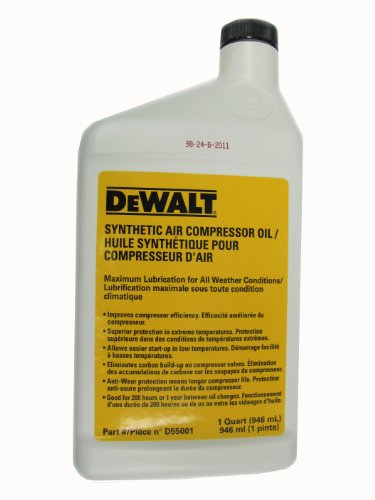
DEWALT Compressor Oil 1-Quart D55001

TRIAX Kompressor ISO 100 SAE 30 1 Gallon
More Details On Our Top Picks
The thin silicone mix suits airguns, rubber parts, plastic parts, valves, and O-rings, so your maintenance kit stays broad without getting bulky. The included needle oiler matters for small ports and tight access points, where a wider nozzle can feel clumsy.
Compared with Super Lube 12004, this Qucship bottle leans harder into airsoft and airgun care, not general shop lubrication. The honest read is that the two-bottle setup feels handy for a range bag or bench drawer, though you still want to keep silicone products separate from oils meant for compressors.
What We Like
- 100% silicone formula fits sensitive seals and polymer parts.
- Low-viscosity blend spreads fast across small moving surfaces.
- Needle applicator helps you place oil with less mess.
- Two bottle sizes make storage easier in a bench kit.
Small Caveats
- Its airgun focus makes it less useful for compressor maintenance.
- Silicone-only care means you need to match it to the right equipment.
Feature Card
Who It Suits Best
You’ll get the most value from this if you maintain airguns, airsoft gear, or small fittings that need precise silicone application.
A Better Fit Elsewhere
Super Lube 12004 Air Tool Lubricant suits general-purpose shop use better, especially for someone who wants one bottle for a wider mix of pneumatic tools.
A translucent clear oil makes a lot of sense at the bench, since you can see what you’re applying without a lot of guesswork. The 4 oz bottle keeps the footprint modest, which suits a toolbox, garage shelf, or small compressor station.
Compared with the Qucship silicone option, this one feels less specialized and easier to slot into everyday pneumatic maintenance. For most home garages, that broader fit is the draw, though a larger shop may move through a 4 oz bottle quickly.
Positives
- Clear liquid helps you monitor application more easily.
- Small bottle size stores neatly beside common hand tools.
- Works well as a general-use lubricant for pneumatic gear.
Areas To Watch
- Four ounces suits light maintenance better than heavy volume use.
- The compact bottle can mean more frequent refills in busy shops.
Core Details
Who Will Love This
You’re the best match for this bottle if you want straightforward upkeep for air tools without a lot of extra bulk.
Another Choice May Suit
UniSport Translucent Clear 8oz Air Tool Pneumatic Lubricant fits a user who wants a larger bottle for a wider spread of shop tasks.
This one lands in the middle ground that many garages need, a no-drama pneumatic oil for regular upkeep. It fits the sort of maintenance routine where you want one bottle to cover common tool service without overthinking the chemistry.
Compared with Super Lube 12004, the 3-IN-ONE bottle feels more like a classic shop staple than a specialty clear-oil option. You may find that straightforward positioning useful in a mixed toolbox, especially alongside compressor gear that sees occasional rather than constant use.
Reasons To Buy
- Professional-grade labeling points toward routine tool service.
- Compact 4 oz size stays easy to store and carry.
- Simple format works well for periodic lubrication habits.
Points To Note
- Small bottle size suits regular maintenance better than high-volume use.
- You may still want a separate product for compressor-specific needs.
Quick Facts
Right Fit For
You’ll appreciate this most if you maintain air tools on a regular but not heavy-duty schedule.
Where A Sibling Pick Shines
3-IN-ONE Professional Grade Pneumatic Tool Oil 4 OZ 12-Pack suits a small repair setup that keeps several workstations supplied.
The 12-pack format changes the conversation from a single maintenance bottle to a supply plan. That helps shops, shared garages, or anyone who keeps multiple nailers and air tools in circulation.
Compared with the single 3-IN-ONE bottle, this version is about reducing refill trips and keeping a spare on hand. The trade-off is plain, since bulk only makes sense when you know you’ll use it steadily and have shelf space for the extra bottles.
Bright Spots
- Multipack format supports larger tool fleets.
- Same 4 oz size keeps each bottle easy to handle.
- Useful for workshop shelves that need repeat stock.
- Helps reduce the need for frequent reordering.
Room For Improvement
- The pack size takes more storage room than a single bottle.
- It fits best where usage is steady, not occasional.
Feature Rundown
Built With In Mind
You’re the right match if you run a shop, manage several pneumatic tools, or like keeping supplies lined up in advance.
Look Elsewhere When
DEWALT Compressor Oil D55001 fits the person who only needs one quart for a single compressor and less shelf clutter.
An 8 oz bottle gives you a bit more breathing room than the smaller 4 oz options above, which matters in a shop that keeps several pneumatic tools moving. The clear fluid also helps you track application more comfortably around seals, O-rings, machines, and compressors.
Compared with 3-IN-ONE’s single-bottle option, this UniSport pick leans toward broader task coverage and a little more capacity. The honest read is that the size feels sensible for routine upkeep, though the larger bottle is still only useful if your storage area can spare the space.
Highlights
- 8 oz size offers more usable volume than compact bottles.
- Clear appearance helps during careful application.
- Works across tools, seals, O-rings, and compressor parts.
- Good fit for one bottle serving several jobs.
Minor Gripes
- The broader size is less pocketable than a small bench bottle.
- Large enough to notice in a crowded storage drawer.
Details At A Glance
Perfect Match For
This suits someone who wants one medium-size lubricant for a garage with mixed pneumatic equipment.
Swap It Out When
Super Lube 12004 Air Tool Lubricant is the tidier choice for a smaller kit that stays on the portable side.
This is the first bottle in the list that really reads like a compressor specialist, not a general tool oil. The ISO 46, also called SAE 20 in this listing, points you toward a viscosity grade, meaning the oil’s flow thickness is tuned for a specific operating range rather than a vague all-purpose promise.
That matters for rotary, vane, screw, and reciprocating compressors, especially in settings that run hot or stay under regular load. Compared with the smaller air tool oils above, this one is built for the machine itself, and that’s the real distinction.
Standout Traits
- Full synthetic base suits demanding compressor service.
- Multi-vis behavior helps it cover changing operating conditions.
- Non-detergent formula matches the product’s compressor focus.
- Works across several compressor styles listed by the brand.
Worth Noting
- It’s a compressor oil, so it’s less relevant for hand tool upkeep.
- The specialty fit makes sense only for compatible equipment.
Spec Overview
Whose Shelf It Belongs On
This suits compressor owners who want a specialty oil for heavier-duty, machine-level maintenance.
Not Your Match When
Qucship Airsoft Oil 4 oz & 1 oz Needle Oiler is the better fit for airguns, rubber seals, and small precision parts.
The all-season synthetic blend makes this bottle feel like a sensible middle path for reciprocating compressors that see changing room temperatures through the year. Ingersoll Rand keeps the message simple here, which helps when you want a compressor oil that reads like routine maintenance rather than a niche chemistry lesson.
Compared with TRIAX Kompressor ISO 46 SAE 20, this bottle is less about specifying a tight industrial grade on the page and more about broad seasonal suitability. That softer positioning can suit home shops, though a user managing hotter commercial equipment may still prefer the more explicit compressor-grade TRIAX option.
Upsides
- Synthetic blend supports year-round compressor use.
- 1L bottle gives you a solid maintenance supply.
- OEM branding may appeal to users who want a matching-service feel.
Softer Spots
- It speaks most directly to reciprocating compressors, not every air tool.
- The listing gives less detail than some of the more technical bottles.
Feature Snapshot
Made For
You’ll like this best if your compressor lives in a home garage or a small shop with changing temperatures.
Reach For A Different Pick When
DEWALT Compressor Oil D55001 is the simpler choice for someone who just wants a familiar 1-quart format.
A 1-quart bottle is the kind of format that feels easy to understand, easy to store, and easy to use for ordinary compressor upkeep. The listed package dimensions and weight also hint at a container that sits comfortably on a shelf without becoming awkward to handle.
Compared with the Ingersoll Rand synthetic lubricant, this DEWALT option is more straightforward in presentation and easier to size up at a glance. For a garage owner who wants a familiar quart bottle for regular compressor care, that simplicity has real appeal, even without fancy language around it.
Best Bits
- Quart size suits standard compressor maintenance routines.
- Package dimensions make the bottle easy to stash.
- Weight stays manageable for pouring and storage.
Things To Consider
- The listing presents fewer technical details than some rivals.
- It’s shaped for compressor care, not broader tool lubrication.
At A Glance
The Right Fit
This suits a homeowner or small-shop user who wants a compact, familiar compressor oil bottle for routine maintenance.
Where A Sibling Pick Shines
TRIAX Kompressor ISO 46 SAE 20 is the more technical match for heavier compressor use and a more specific viscosity target.
The gallon size immediately tells you this bottle belongs in a shop that moves through lubricant at a steady pace. ISO 100, also shown here as SAE 30, points to a thicker compressor oil profile than the ISO 46 bottle above, which can matter in equipment that calls for a heavier grade.
Compared with TRIAX ISO 46 SAE 20, this one is the bigger, heavier-duty route for rotary, vane, screw, and reciprocating compressors. The trade-off is simple, since a gallon is more than you need for occasional home use, but it makes a lot of sense for fleet maintenance or shared work areas.
Strong Points
- One-gallon size suits high-use compressor setups.
- Full synthetic build fits serious maintenance routines.
- Multi-vis design gives it a broad operating profile.
- Works across several compressor styles named by the brand.
Honest Caveats
- The large container is more than most home garages need.
- Storage space matters more once you step up to gallon volume.
Technical Sheet
Who Should Grab It
You’re the best match for this bottle if you manage several compressors or go through oil at a commercial pace.
Where Shoppers Go Wrong
3-IN-ONE Professional Grade Pneumatic Tool Oil 4 OZ 12-Pack is easier to manage for smaller air-tool stations that do not need gallon volume.
How To Choose The Right Air Tool Oils
Match The Lubricant To The Machine
Air tools and compressors do not share one perfect oil. Silicone formulas suit airguns, rubber seals, and plastic parts, while compressor oils are built around the needs of rotary, vane, screw, or reciprocating units.
That split matters because the wrong viscosity or chemistry can make maintenance awkward. A thin silicone oil like Qucship’s feels right for precise parts, while a compressor blend like TRIAX ISO 46 or ISO 100 serves a more demanding machine.
Pay Attention To Viscosity And Bottle Size
Viscosity means how thick or thin the oil flows. Lower-viscosity oils spread quickly, which helps tiny ports and small moving parts, while thicker compressor grades stay suited to machines that call for a heavier film.
Bottle size changes your day-to-day experience too. A 4 oz bottle stays easy to stash in a drawer, but an 8 oz, 1L, or 1-gallon container makes more sense when you service tools on a regular schedule.
Think About Where You’ll Store And Pour It
A narrow needle tip helps when you’re dealing with tight access points or want to keep oil off surrounding surfaces. Clear or translucent bottles also make it easier to see what you’re dispensing, which can matter in a crowded bench area.
The trade-off is that small bottles run out sooner, while larger jugs ask for more shelf space and a steadier maintenance habit. For a home garage, compact packaging usually feels friendlier, but a shared shop often benefits from bulk.
Separate Airgun Care From Compressor Care
Airgun oil and compressor oil solve different problems, even when both live under the air tool umbrella. Silicone lubricant helps the small seals and moving parts in airsoft or airgun gear, while compressor oil supports the pump system itself.
That difference saves hassle later. A quick mismatch can leave you with a bottle that sits unused, so a clear use case is worth more than a vague all-purpose label.
Things Worth Knowing First
Mistakes Worth Dodging
Many shoppers grab compressor oil for a tool that really wants silicone, or the other way around. That’s an easy miss, and the fix is simple, just match the bottle to the equipment type before you buy.
Another common slip is choosing too little volume for a busy setup. A 4 oz bottle is tidy, but it can feel small fast in a shop with several air tools on rotation.
When Paying More Pays Off
Higher-tier compressor oils tend to cost more because they use synthetic bases, narrower viscosity targets, and broader operating claims. Those traits help in machines that run hot, run often, or need cleaner long-term upkeep habits.
The upgrade makes sense for commercial compressors and fleets. For light home use, a simpler quart bottle often covers the job without asking you to overbuy.
Frequently Asked Questions
Can You Use One Oil For Every Air Tool?
No, a single bottle rarely suits every air-driven device. Silicone airgun oil and compressor oil serve different parts and operating needs.
What Does ISO 46 Mean On A Compressor Oil Bottle?
ISO 46 is a viscosity grade, which tells you how thick the oil flows. It helps you compare compressor oils with a more technical frame.
Why Do Some Bottles Say SAE 20 Or SAE 30 Too?
Those markings are another way to describe thickness. In this list, TRIAX ISO 46 pairs with SAE 20, while TRIAX ISO 100 pairs with SAE 30.
Is A Bigger Bottle Always The Better Choice?
Not always, because storage and usage rate matter. A gallon makes sense for steady shop work, while a small bottle fits a light home setup.
Should You Favor Silicone For Airguns?
Silicone is the more relevant match for many airgun parts, especially seals and polymer components. It’s better to keep that oil separate from compressor-specific lubricants.
Closing Thoughts
The right air tool oil keeps maintenance calm and predictable, which is exactly what you want when the workday is already busy. Qucship and Super Lube cover smaller airgun and general-tool needs, while the TRIAX and DEWALT compressor oils lean into machine-specific care. Pick the bottle that matches your equipment first, then decide whether you want portability, capacity, or a more specialized viscosity. That’s the cleanest path to a shelf that actually works for you.