Choosing an air compressor around the 6 CFM mark comes down to how you actually work. You want enough airflow for nailers, inflation, spray work, and light finishing, without ending up with a machine that hogs floor space or sounds like a runaway shop vac.
This roundup focuses on practical fits, from compact garage units to heavier steel-tank models. You’ll see where extra tank size helps, where quieter operation matters, and which picks suit home workshops, weekend repairs, and more demanding tool use.
Quick Look At The Shortlist

Makita MAC5200 Big Bore Air Compressor

Stark USA 3.5HP 10 Gallons Air Compressor Tank

NorthStar Single-Stage Air Compressor 20-Gallon 2 HP

MZB 13.2 Gallon Ultra Quiet Air Compressor

VEVOR Air Compressor 15 Gallon Steel Tank 2HP

VEVOR 6.3 Gallon Air Compressor 2 HP

VEVOR Air Compressor 20 Gallon Steel Tank 4HP

CRAFTSMAN 12 Gallon Ultra Quiet Oil-Free Air Compressor
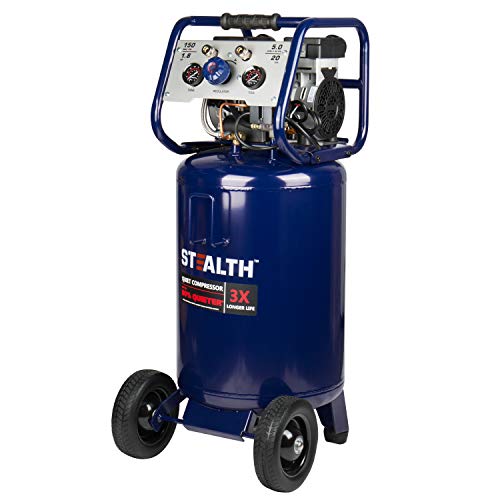
Stealth 20 Gallon Ultra Quiet Air Compressor 1.8 HP

DEWALT Air Compressor D55146 4-1/2 Gallon
More Details On Our Top Picks
For garage owners who want more muscle without jumping to a stationary shop unit, this Makita lands in a useful middle ground. The Big Bore design points to larger cylinder and piston sizing, which helps explain why it’s often chosen for tougher pneumatic work and regular weekend use.
It also suits you better than a compact tank when your tools need steadier delivery over longer bursts. The honest read is that portability still matters here, so the frame has to serve both hauling and durability, which usually means a little more bulk than lighter 6 CFM-style options like the VEVOR 6.3 Gallon model.
Strong Points
- Big Bore build supports stronger air delivery for tool-heavy garage work.
- Portable format gives you more freedom than a fixed compressor setup.
- Good fit for nailers, inflation tasks, and other recurring shop jobs.
- Makita’s reputation for jobsite gear makes parts of the ownership experience feel familiar.
Things To Consider
- More output usually comes with more bulk, so storage space matters.
- It makes more sense in a real workshop than in a tight apartment garage.
- Transport is manageable, but you still feel the weight compared with smaller portable units.
Core Details
Who It Suits Best
You’ll get the most from this pick in a home garage or small workshop where stronger airflow matters more than ultralight carry.
Where A Sibling Pick Shines
Stark USA 3.5HP 10 Gallons Air Compressor Tank fits better for DIYers who want a quieter horizontal layout and a more approachable setup for casual home tasks.
This one leans into a friendly garage layout, with a horizontal tank that tends to sit more naturally along a wall or under a bench. The 8.37 CFM figure makes it more comfortable for users who want extra headroom for general shop tasks, and the quieter positioning is a real plus in a shared home space.
Compared with the Makita MAC5200, the Stark USA unit reads more like a practical home-shop anchor than a rough-and-ready portable workhorse. The trade-off is that a horizontal footprint can eat a longer patch of floor, so narrow sheds and crowded corners may feel it more than the vertical NorthStar.
What We Like
- Horizontal tank shape works well along garage walls.
- 8.37 CFM gives you useful airflow headroom for common tasks.
- Quiet operation helps in home settings where noise matters.
- Adjustable pressure gives you more control across light jobs.
Minor Gripes
- Horizontal storage needs more floor length than a vertical tank.
- It feels better suited to stationary home use than frequent hauling.
- Large footprint can be awkward in compact utility areas.
Feature Rundown
Made For
You’ll appreciate this model most in a DIY garage where space is available and quieter operation matters during evening work.
Another Choice May Suit
NorthStar Single-Stage Air Compressor 20-Gallon 2 HP suits you better when a vertical tank and tougher workshop orientation matter more than the Stark USA unit’s laid-back home setup.
A vertical 20-gallon tank changes the story here, because it lets you save floor space without giving up tank capacity. That matters in a cramped workshop, especially when you want the compressor tucked out of the way but still ready for nailers, fastening tools, and maintenance work.
The 5.0 CFM rating is a bit below the larger-output picks in this list, so it fits better as a steady workshop companion than a high-demand spray rig. You may find the maintenance-friendly access useful over time, since compressors with easier reach points tend to feel less annoying to own once the dust starts building up.
Highlights
- Vertical tank helps preserve a smaller workshop footprint.
- 20 gallons gives you more reserve than compact portable models.
- Good match for regular pneumatic-tool tasks in a fixed space.
- Maintenance access is helpful for routine upkeep and cleaning.
Points To Note
- 5.0 CFM is workable, but not as strong as the bigger VEVOR 20-gallon model.
- It suits stationary workshop use better than repeated transport.
- Heavy-duty framing usually means you’ll plan placement once and leave it there.
Spec Overview
Right Fit For
You’ll like this most in a dedicated shop where the compressor can stay parked and serve repeated tool work.
Swap It Out When
VEVOR Air Compressor 20 Gallon Steel Tank 4HP suits you better if higher airflow matters more than the NorthStar’s space-saving vertical shape.
Noise matters more than people expect in a garage that shares walls with living space, and this MZB model leans into that concern with a 70 dB claim. The steel tanks add a sturdier feel than lighter plastic-heavy builds, while the oil-free design keeps upkeep simpler for owners who prefer less routine fuss.
Compared with the NorthStar, this pick feels more tuned for quieter general use than a more traditional workshop layout. The trade-off is that you’re shopping with noise and convenience front and center, not raw airflow bragging rights, so it makes more sense for moderate jobs than constant heavy tool cycling.
Bright Spots
- 70 dB rating makes it a calmer choice for shared spaces.
- Oil-free setup cuts down on routine maintenance steps.
- Steel tanks add confidence for long-term garage storage.
- 13.2-gallon capacity gives you a comfortable buffer for light to medium work.
Areas To Watch
- Noise is lower than many shop units, but it still takes compressor space and attention.
- It makes more sense for moderate output than very demanding air tools.
- Steel tanks are sturdy, yet they still add weight during setup moves.
Details At A Glance
Built With In Mind
You’ll appreciate this in a garage or basement workshop where lower noise is part of the buying decision.
Look Elsewhere When
Stealth 20 Gallon Ultra Quiet Air Compressor 1.8 HP suits you better when you want a larger tank and a slightly more defined airflow profile for shop routines.
VEVOR gives you a useful middle-size tank here, and that often hits the sweet spot for homeowners who want more reserve than a compact portable unit without stepping into a full shop beast. The 5.3 CFM at 90 PSI helps it stay relevant for auto repair, tire inflation, and spray work, which is exactly the kind of range many garages need.
Relative to the Stark USA pick, this one feels a bit more portable-friendly and a touch more task-focused. The honest caveat is that 78 dB is not silent, so you still want to think about where you’ll place it in a garage or shed that shares walls.
Reasons To Buy
- 15-gallon steel tank gives you a balanced capacity for common home projects.
- 5.3 CFM at 90 PSI supports a solid range of garage tasks.
- Oil-free design keeps routine care simpler.
- 125 PSI ceiling gives you extra headroom for practical use.
Softer Spots
- Noise remains present, so placement matters in shared spaces.
- Best suited to medium-duty work rather than nonstop heavy tool sessions.
- The steel tank adds durability, but it also adds heft.
Feature Card
Whose Shelf It Belongs On
You’ll get the best use from this in a garage where auto work, inflation, and light refinishing all share the same space.
A Better Fit Elsewhere
Makita MAC5200 Big Bore Air Compressor makes more sense for you when stronger shop performance matters more than the VEVOR unit’s middleweight balance.
This is the kind of compressor you notice for what it doesn’t do, it doesn’t dominate a small garage. The 6.3-gallon tank and 3.35 CFM at 90 PSI point to light-duty ownership, so it suits inflation, fastening, and small repair jobs more than extended spray or tool-heavy sessions.
Compared with the 15-gallon VEVOR model above, this one asks for less floor space and gives you a simpler fit in tighter corners. The trade-off shows up in runtime reserve, so you’ll want to accept more frequent cycling in exchange for a more manageable footprint.
Best Bits
- Small tank size makes it easier to store in tight spots.
- Oil-free design keeps day-to-day care straightforward.
- Good match for tire inflation and lighter nailer work.
- 2 HP output fits the unit’s compact, easy-to-place character.
Room For Improvement
- 3.35 CFM is modest, so heavier tools will ask more from it.
- Smaller tank means shorter reserve between compressor cycles.
- Best suited to short jobs rather than long workshop runs.
Quick Facts
The Right Fit
You’ll like this most in a compact garage or storage area where space matters as much as basic air power.
Where A Sibling Pick Shines
CRAFTSMAN 12 Gallon Ultra Quiet Oil-Free Air Compressor suits you better when you want a vertical tank and a roomier setup for more frequent household projects.
Among these picks, this is the one that most clearly leans into higher airflow, thanks to the 10.6 CFM at 90 PSI figure. That makes a real difference for users running more demanding pneumatic tools, and the 20-gallon steel tank gives the compressor enough reserve to feel less strained during repeated bursts.
It sits in a different lane than the 6.3-gallon VEVOR, since this model is about keeping pace with heavier work rather than staying compact. The catch is the 220V, 60Hz requirement, so it makes more sense in a workshop with the right electrical setup already in place.
What We Like
- 10.6 CFM at 90 PSI gives you strong airflow for bigger tasks.
- 20-gallon tank supports longer tool sessions with less cycling.
- Steel construction adds a more grounded workshop feel.
- Oil-free design keeps routine care simpler than oil-based setups.
Points To Note
- 220V, 60Hz power means setup planning matters.
- Larger output makes it less suited to casual storage-and-forget use.
- It feels more like a shop anchor than a mobile helper.
Core Details
Who Will Love This
You’ll get the most from this model in a dedicated garage or shop where higher airflow matters more than easy portability.
Skip It When
NorthStar Single-Stage Air Compressor 20-Gallon 2 HP is the more sensible choice for you if a smaller electrical footprint and simpler workshop placement matter more.
For common household projects, this CRAFTSMAN feels easy to live with because the vertical tank stores neatly and the oil-free setup keeps upkeep from becoming a chore. A 12-gallon tank usually hits a comfortable middle point for inflating, fastening, and trim work, especially in a garage where space is at a premium.
It doesn’t chase the bigger airflow figures of the VEVOR 20-gallon unit, and that’s part of its appeal. You get a calmer, more approachable compressor instead of a heavier-duty shop machine, which is often the smarter balance for routine home use.
Upsides
- Vertical tank stores neatly and uses less floor width.
- Oil-free design keeps maintenance simple for casual owners.
- 12-gallon capacity fits a lot of household tasks well.
- Quiet operation is easier to live with in home spaces.
Small Caveats
- It is more about everyday utility than heavy professional output.
- Vertical form helps storage, but it can still feel tall in low-ceiling spaces.
- Best suited to light-to-moderate use rather than sustained shop demands.
Feature Snapshot
Perfect Match For
You’ll like this most in a home garage where you want quiet, simple operation without giving up a useful tank size.
Where Another Pick Suits Better
Stark USA 3.5HP 10 Gallons Air Compressor Tank makes more sense for you if adjustable pressure and a more horizontal garage layout matter more than the CRAFTSMAN’s vertical convenience.
The Stealth model brings together a 20-gallon tank, oil-free design, and a 68-decibel claim, which makes it feel very garage-friendly on paper. The 5.5 CFM at 40 PSI and 5 CFM at 90 PSI also give you a clearer sense of how it behaves under lighter and medium tasks, so you can place it more confidently in a home shop.
Compared with the CRAFTSMAN, this one offers a bigger tank and a more explicit airflow story, which helps if you want something a little more workshop-ready. The wheel-equipped body also makes sense for a garage where you may shift it around, though it still belongs more to grounded shop use than true travel.
Positives
- 20-gallon tank gives you a roomy buffer for shop chores.
- 68-decibel claim keeps the noise profile relatively calm.
- Airflow figures at 40 PSI and 90 PSI help you judge job fit more easily.
- Wheel setup makes repositioning less awkward inside the garage.
Room For Improvement
- It is still a substantial unit, so storage planning matters.
- Better for garage use than for moving between job sites.
- Airflow is solid, though not in the class of the strongest 20-gallon VEVOR model.
Technical Sheet
Best Suited To
You’ll appreciate this most in a garage workshop where quiet operation and practical air reserve both matter.
Reach For A Different Pick When
VEVOR Air Compressor 20 Gallon Steel Tank 4HP is the better fit for you when airflow is the priority and the 220V setup works for your space.
This DEWALT is the most portable-feeling pick in the group, with a hand-carry layout and wheels that make sense for moving between tasks. The 225-PSI maximum stands out, because higher pressure can be useful when you want a compact unit to feel a little more flexible on the job.
It compares neatly with the larger-tank models above by choosing mobility over reserve. The trade-off is obvious, though, since 4-1/2 gallons won’t give you the same runtime cushion as the 20-gallon compressors, so it fits better for quick-duty use than long tool sessions.
Plus Points
- Hand-carry design makes transport more manageable.
- Wheels help you roll it between work areas.
- 225 PSI ceiling gives the compact format extra flexibility.
- Good fit for quick, mobile tasks around a house or jobsite.
Honest Caveats
- Small tank means less stored air for longer work.
- Best suited to short bursts rather than extended pneumatic duty.
- It makes the most sense where portability outweighs capacity.
Feature Rundown
Made For
You’ll like this most if you move between work zones and want a compact compressor that still feels capable.
Look Elsewhere When
Makita MAC5200 Big Bore Air Compressor is the stronger fit for you when shop power matters more than compact carry.
How To Choose The Right Air Compressor With 6 Cfms
Match Airflow To The Tools You Actually Use
CFM, or cubic feet per minute, tells you how much air the compressor can supply over time. For nailers, inflation, and light spray work, a modest airflow figure can be enough, but larger pneumatic tools need more headroom so the motor doesn’t fall behind.
You’ll want to look at the rating tied to the pressure your tools need, not just the biggest number in the listing. A compressor that feels generous for trim work can still feel strained in a busy garage with frequent trigger pulls.
Tank Size Changes How Often You Hear The Motor
Tank capacity affects how much stored air you get before the compressor cycles again. A 6-gallon model works for short jobs, while 15- or 20-gallon tanks give you more breathing room for repeated use in a workshop.
Bigger tanks do not create more airflow on their own, but they smooth out the experience. That matters in real use, because fewer starts and stops usually feel calmer and less disruptive.
Noise, Layout, And Mobility Matter More Than People Expect
Ultra-quiet models help in garages near living spaces, basements, and shared workshops. Vertical tanks save floor width, while horizontal tanks can be easier to tuck under benches or along long walls.
Mobility also changes the fit. Hand-carry units and wheel-equipped frames help when you move between spaces, but larger steel tanks usually trade easy carrying for steadier operation.
Think About Power And Maintenance Up Front
Some compressors run on standard household outlets, while others need a heavier electrical setup. That detail matters more than many listings make it seem, especially in older garages where the circuit layout is already spoken for.
Oil-free designs tend to simplify routine care, and steel tanks generally feel more confidence-inspiring for regular use. The right choice is the one that fits your space, your tools, and how often you want to think about upkeep.
What To Weigh Before You Click Through
Common Shopping Slip Ups
A lot of people focus on horsepower alone and miss the airflow rating tied to real use. That can lead to a compressor that sounds strong on paper but struggles once your nailer, sprayer, or inflator starts cycling.
Another common miss is tank shape. A tall vertical unit can solve a cramped footprint, while a horizontal tank can become awkward in a narrow corner.
Where The Extra Money Goes
Higher-tier compressors often pay for larger tanks, stronger airflow, quieter operation, and sturdier construction. Those upgrades matter most in garages where the compressor runs often and you want less waiting between bursts.
The premium step also tends to improve the ownership feel. Wheels, steel tanks, and better pressure ceilings can make the difference between a tool you tolerate and one you reach for often.
Frequently Asked Questions
What Does 6 CFM Mean In Practical Use?
It refers to the volume of air the compressor can supply each minute. That level usually suits light-to-moderate garage tasks better than nonstop industrial work.
Is A Larger Tank Better Than Higher CFM?
Not by itself. A larger tank gives you more stored air, while higher CFM helps the compressor recover faster under load.
Do Oil-Free Compressors Need Less Attention?
They usually involve simpler routine care because you are not managing oil changes. They still need normal cleaning, placement checks, and general upkeep.
Are Quiet Compressors Worth It For A Home Garage?
Yes, especially near living areas or shared walls. Lower noise can make routine work much easier to live with.
Which Size Suits Occasional Weekend Projects?
A compact 6- to 12-gallon unit often fits that use well. You can move up to 15 or 20 gallons once your tools or project frequency grows.
Final Thoughts
The right air compressor comes down to how you work, how much space you have, and how much noise you can live with. A compact portable model makes sense for quick jobs, while larger steel-tank units feel better for repeat garage work and more demanding tools. For many homes, the sweet spot sits somewhere around a quiet, oil-free machine with enough CFM to keep pace without constantly chasing recovery time. Choose the shape and airflow that fit your shop, and the rest gets a lot easier.