Picking the right compressor comes down to the jobs on your list, not just the tank size on the box. Some setups suit tire topping and roadside use, while others make more sense for nailers, paint tools, or a garage that sees regular weekends of work. You’ll see compact 120V options here alongside larger shop-style units, so you can match power, portability, and noise to your space. That keeps the choice practical instead of guesswork.
The Shortlist At A Glance

Slime 40045 Home Tire Inflator

Klutch 29-Gallon Air Compressor 2.5 HP

Klutch 20-Gallon Air Compressor 2 HP

VEVOR 6.3 Gallon Air Compressor 2 HP

ALL-TOP Air Compressor Kit Dual Cylinder

VEVOR Air Compressor 1 Gallon Steel Tank

Craftsman Air Tools 2 Gallon Portable Air Compressor
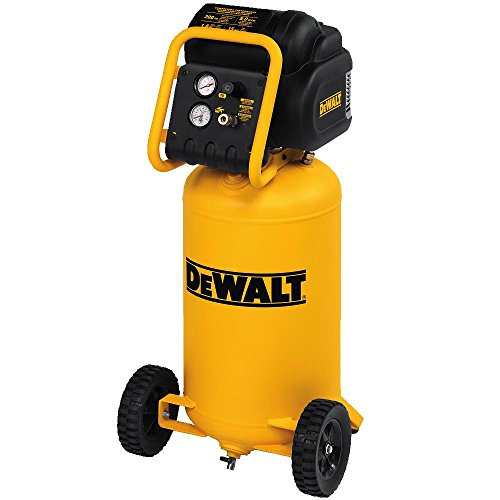
DEWALT Vertical Portable Compressor D55168

ECOMAX Air Compressor 6 Gallon Pancake

Craftsman Air Compressor 10 Gallon 1.8 HP
More Details On Our Top Picks
For garage tire care, the wall-mounted format keeps the unit parked out of the way while still leaving a long hose within reach. The analog 100 psi dial gauge is straightforward, and the LED light helps in a dim driveway or late-evening tire check.
The trade-off is obvious, though: this setup makes more sense in a fixed spot than in a moving tool kit. That makes it a sharp fit for homeowners who want a dedicated inflator for cars, SUVs, or 4x4s, while the Klutch and Craftsman tank models suit broader workshop jobs.
Strong Points
- Wall-mounted layout keeps floor space clear.
- Long hose helps reach all four tires without dragging the unit around.
- Analog gauge keeps pressure checks simple at a glance.
- LED lighting adds convenience for dim garages and driveways.
- Best suited to routine tire topping, not bench-tool work.
Things To Consider
- Fixed placement limits portable use.
- It is aimed more at tires than broader air-tool duty.
- The hose-and-mount setup asks for a little planning during installation.
Feature Card
Who Will Love This
You’ll get the most from this in a home garage, especially for drivers who want a permanent tire inflator close at hand.
Where A Sibling Pick Shines
The Craftsman Air Compressor 10 Gallon fits you better for nailers, inflating, and other small shop tasks that need a tank, not a mounted station.
The 29-gallon tank puts this in a very different lane from the Slime inflator. You get a vertical footprint, oil-free upkeep, and enough capacity to feel at home with nailing, painting, and repeated air-tool use in a busy garage.
Its 5.1 CFM at 90 PSI, which means cubic feet per minute at working pressure, points to better sustained airflow than the smaller options here. For most home workshops, that extra reserve matters more than raw peak pressure, though the size and weight make it less casual to move around.
What We Like
- Large 29-gallon tank supports longer tool sessions.
- Vertical form saves some floor footprint for the size class.
- Oil-free design lowers routine maintenance needs.
- Large wheels should help with garage repositioning.
- Tank drain access is handy for regular upkeep.
- Good match for nailers and painting tools.
Areas To Watch
- Not the lightest choice to move frequently.
- Its scale makes more sense in a garage than a cramped shed.
- Space planning matters because vertical units still need a stable home base.
Quick Facts
Best Suited To
You’ll appreciate this most in a home garage or workshop where air tools see regular use and the compressor can stay in one place.
Another Choice May Suit
The Klutch 20-Gallon Air Compressor suits you better for a smaller workshop that still needs solid airflow without stepping up to the 29-gallon footprint.
This one keeps the Klutch family’s shop-friendly feel but trims the scale a bit. The 20-gallon tank, 75% duty cycle, and 4.2 SCFM at 90 PSI make it a sensible middle ground for home workshops that want more than a small pancake unit without jumping to a larger cabinet.
The honest read is that it suits steady hobby use better than nonstop production work. That said, the oil-free build and easy-access tank drain make upkeep simple enough for homeowners who’d rather spend time on projects than maintenance.
Highlights
- 20-gallon tank gives you a useful air reserve.
- 75% duty cycle is a helpful indicator for regular shop work.
- Oil-free construction keeps routine care lighter.
- Large wheels make garage movement easier than fixed cabinets.
- Good airflow for nailers, trim work, and occasional painting.
Small Caveats
- Still large enough to need a dedicated storage spot.
- Not the compact answer for tight apartments or tiny sheds.
- Better for intermittent tool use than long, continuous sessions.
Technical Sheet
Who Should Grab It
You’ll fit this best if you want a garage compressor for household projects, trim tools, and general weekend work.
Reach For A Different Pick When
The DEWALT Vertical Portable Compressor D55168 suits you better for higher-pressure needs and a stronger workshop emphasis.
This VEVOR keeps things compact without drifting into toy territory. The 6.3-gallon tank and 3.35 CFM at 90 PSI make sense for tire inflation, small paint jobs, and woodwork nailing in a garage where storage space matters.
The max pressure of 116 PSI is lower than the 175 PSI models above, so it is a more modest choice by design. For many home tasks, that trade-off feels reasonable, especially when you want a lighter footprint and an oil-free tank.
Upsides
- Smaller tank size fits tighter storage areas.
- Oil-free setup keeps upkeep simpler.
- Good match for inflation and light finish work.
- Enough output for casual shop tasks.
Minor Gripes
- Lower max pressure than the larger Klutch units.
- Not the right call for long air-tool sessions.
- Best kept on a stable floor surface in use.
Details At A Glance
Whose Shelf It Belongs On
You’ll make good use of this in a small garage or utility area where a compact compressor is easier to live with than a big vertical tank.
A Better Fit Elsewhere
The Klutch 20-Gallon Air Compressor 2 HP is the better match for you if your tool use leans more toward repeated shop work.
This is the outlier in the group, because it runs on 12V instead of the 120V setup most of the list uses. That makes it a better road and trail companion, with the dual-cylinder layout and 12.35 ft³/min output aimed at truck tires, 4x4s, and RV travel.
For overland trips or roadside tire correction, the portability matters more than workshop framing. The trade-off is simple, since it is not trying to be a garage compressor at all, but that narrow focus is exactly why it earns a place here.
Reasons To Buy
- Dual-cylinder design supports strong airflow for tire work.
- 12V power keeps it tied to vehicle use.
- Good fit for truck, RV, and off-road gear.
- Portable format travels more easily than tank compressors.
Room For Improvement
- Not a substitute for a garage plug-in compressor.
- Best suited to inflation, not air-tool duty.
- Road use often means you’ll want to keep the kit organized and packed well.
Core Details
Built With In Mind
You’ll like this most if your routine includes trail runs, road trips, or keeping a truck and RV ready to roll.
Look Elsewhere When
The Slime 40045 Home Tire Inflator fits you better for a fixed garage setup that stays plugged in at home.
For small garages and indoor workspaces, this 1-gallon VEVOR keeps its footprint tight and its role clear. The 78dB noise figure, 1 HP motor, and 1.5 CFM at 90 PSI suggest a light-duty machine that suits tire inflation, trim nailing, and other modest tasks without taking much room.
That smaller tank is the trade-off, of course, so it is not the compressor for long paint sessions or repeated tool cycling. The steel tank and oil-free design are useful ownership details, since they point to a tougher shell and less routine attention than some older-style units.
Best Bits
- Very small tank size suits tight storage spaces.
- Steel tank adds a sturdier feel for home use.
- Lower noise rating is helpful in shared spaces.
- Oil-free design keeps maintenance lighter.
Softer Spots
- 1-gallon capacity limits longer tool sessions.
- Not the right fit for heavier shop work.
- Compact units like this need a stable, dry storage area.
Spec Overview
The Right Fit
You’ll get the most from this in a small house, apartment garage, or utility corner where quiet, compact gear matters more than raw output.
Skip It When
The Klutch 29-Gallon Air Compressor suits you better for long, repeated work with nailers, paint tools, or a busier garage.
This Craftsman leans into familiar, no-fuss portability. The 2-gallon tank, 1/3 HP motor, and max 125 PSI keep it in the zone for small inflating jobs, brad nailers, and quick household tasks where you want something easy to move and easy to store.
Compared with the VEVOR 1-gallon unit, you get a bit more tank room without jumping to a much larger cabinet. That middle position makes sense for you if you want a compressor that stays friendly to small spaces but still gives a little more breathing room.
Positives
- 2-gallon tank gives a useful step up from tiny units.
- Portable shape makes it easy to carry between rooms or a garage shelf.
- Oil-free build keeps routine care simple.
- Good for inflating, light nailing, and short jobs.
Worth Noting
- Not built for heavy tool cycling.
- Small capacity can feel limiting on longer runs.
- Hot-dog shape stores neatly, but it still needs a secure place so it does not roll around.
Feature Rundown
Made For
You’ll like this best for quick household inflation, small brad-nailing jobs, and storage-friendly use in a garage or shed.
Swap It Out When
The Craftsman Air Compressor 10 Gallon suits you better for a more versatile home-shop setup with stronger air reserve.
The DEWALT stands out for pressure first. With 200 PSI, a 1.9 HP motor, and an oil-free vertical body, it gives you the kind of headroom that makes sense for more demanding tools or work sessions where pressure reserve matters more than a tiny footprint.
Low noise is part of the pitch here, and that matters in a shared garage or enclosed work area. The honest read is that it feels more serious than the compact 2-gallon and 1-gallon models, though you’ll also want a bit more room for its vertical stance.
Bright Spots
- 200 PSI maximum gives strong pressure headroom.
- Vertical build helps it fit a narrower floor plan.
- Oil-free design keeps maintenance simpler.
- Low-noise focus suits indoor or shared spaces.
- Good choice for tasks that need extra pressure reserve.
Points To Note
- Vertical format still needs stable placement.
- Higher-pressure design may be more than casual inflating jobs need.
Feature Snapshot
Perfect Match For
You’ll suit this best if you want a high-pressure compressor for a workshop that sees regular use and has room for a vertical unit.
Where Shoppers Go Wrong
The VEVOR 6.3 Gallon Air Compressor fits you better if your space is tighter and your jobs are lighter-duty.
Accessory bundles change the ownership picture, and this ECOMAX leans into that. The 6-gallon pancake tank and 150 PSI ceiling make it a common-sense entry point for home projects, while the included 10-piece kit saves you from hunting down basic add-ons right away.
For first-time setup in a garage or shed, that’s genuinely useful. The pancake shape also helps it sit low and stable, though the smaller tank means you’ll still want realistic expectations for longer air-tool runs.
Best Bits
- 6-gallon tank offers a familiar home-shop size.
- 150 PSI max gives solid storage headroom.
- Pancake layout helps stability on the floor.
- Accessory kit adds convenience out of the box.
- Oil-free tank keeps routine care lighter.
Honest Caveats
- Still best for short-to-medium tasks, not marathon use.
- Accessory bundles help, but organization matters so parts stay together.
Core Details
Right Fit
You’ll get the most from this if you want a starter compressor for household projects and value having the basic accessories bundled in.
Where A Sibling Pick Shines
The Craftsman Air Compressor 10 Gallon suits you better if you want more tank room for repeat use and a bit more breathing space.
The 10-gallon Craftsman sits in a very workable middle lane. With 150 PSI, 4.0 CFM at 90 PSI, and 5.0 CFM at 40 PSI, it gives you enough reserve for many home jobs without asking you to commit to a large shop cabinet.
That balance is what makes it easy to recommend for a general garage setup. The wheel and oil-free build help with day-to-day ownership, while the tank size gives you more flexibility than the smaller 2-gallon and 6-gallon models above.
What We Like
- 10-gallon tank gives useful air reserve for home projects.
- 150 PSI maximum supports a broad task range.
- Two airflow figures help show how it behaves at different pressures.
- Wheel-equipped body makes repositioning easier.
- Oil-free design keeps routine care straightforward.
Areas To Watch
- More substantial than a small portable unit.
- Better for garages than cramped storage corners.
- Like most mid-size tanks, it needs a regular drain routine to stay in good shape.
Feature Card
Who Should Grab It
You’ll fit this best if you want one compressor for a garage that sees a mix of inflating, light nailing, and general home maintenance.
Not Your Match When
The DEWALT Vertical Portable Compressor D55168 is the better fit if your work leans toward higher pressure and more demanding tool support.
How To Choose The Right 120v Air Compressors
Match Tank Size To The Job
Tank size tells you how much stored air you have before the motor has to cycle back on. Smaller tanks, such as 1 to 6 gallons, suit inflation, brad nailing, and quick repairs, while 10 to 29 gallons work better for longer tool runs and repeated use.
The larger the tank, the steadier the airflow feels during demanding tasks, but the unit also takes up more space. For a garage that doubles as storage, a 10-gallon model can be the sweet spot.
Read PSI And CFM Together
PSI means pounds per square inch, which tells you the pressure available. CFM, or cubic feet per minute, tells you how much air the compressor can move while working, and that number matters more for air tools than the headline PSI figure.
A tire inflator can get by with far less airflow than a nailer or paint sprayer. That’s why the DEWALT and Klutch workshop models feel stronger for tool work than compact inflators with lower tank reserves.
Think About Noise, Shape, And Storage
Vertical tanks save floor area, pancake tanks sit low and stable, and wall-mounted inflators stay out of the way entirely. Noise also matters in shared garages, basements, and attached spaces, especially during evening use.
Oil-free designs usually mean lighter upkeep, which helps for home use. Oil-lubed models can bring other strengths, but the extra maintenance may not suit a casual setup.
Choose By Use Case, Not Just Size
Car owners often need a tire inflator more than a large compressor. Hobby woodworkers and weekend fixers usually do better with a mid-size tank that can keep up without taking over the room.
For off-road travel, a vehicle-powered inflator like the ALL-TOP makes more sense than a 120V garage unit. The right match is the one that fits how you actually work, not the one with the biggest tank label.
What To Weigh Before You Commit
Mistakes Worth Dodging
Many shoppers focus on tank size and ignore airflow at working pressure. That usually leads to a compressor that sounds capable on paper but feels slow with real tools.
Another common miss is forgetting storage space. A 29-gallon vertical unit can be great in a roomy garage, but it becomes awkward fast in a tight shed.
When Paying More Pays Off
Higher-tier models usually bring stronger motors, larger tanks, higher PSI, and better airflow. Those changes matter most when you use nailers, spray tools, or multiple air tools with any regularity.
You also tend to get nicer physical details, like better wheels, easier drains, and layouts that are less annoying to live with. That extra money makes sense when the compressor will be part of your weekly routine instead of an occasional helper.
Frequently Asked Questions
What does 120V mean on an air compressor?
It means the unit runs on standard household power in many homes and garages. That makes it easier to place than equipment that needs special wiring.
Is a bigger tank always better?
No, a bigger tank helps with longer jobs, but it also adds bulk and storage demands. A smaller compressor can be the smarter match for tire inflation and light household tasks.
What is more important, PSI or CFM?
PSI tells you pressure, while CFM tells you airflow. For air tools, CFM usually matters more than the headline PSI number.
Are oil-free compressors easier to live with?
They usually are, because routine maintenance tends to be lighter. The trade-off is that they may not suit every heavy-duty use case.
Which compressor style works best for small spaces?
Compact pancake units, small vertical models, and wall-mounted inflators all fit better in tight areas. Your best choice depends on whether you need tires, light tools, or a permanent garage station.
Final Thoughts
The best choice depends on your space and your workload, not just the size label on the tank. For tire care, the Slime wall-mounted inflator keeps things simple; for garage tools, the Klutch and Craftsman tanks give you more flexibility; for travel, the ALL-TOP stands apart because it lives in the vehicle world. A little honest match-making goes a long way here, and the right compressor tends to feel obvious once the use case is clear. Keep your setup, your storage, and your actual jobs in view, and you’ll land on a pick that earns its place.