Choosing the right compressor gets easier once you match tank size, noise level, and airflow to the work you actually do. A trim carpenter, a garage mechanic, and a small shop owner all want different things, even if the product page blurs the line. This roundup keeps the focus on fit, not fluff, so you can sort out which units suit a crowded garage, a serious workshop, or lighter household tasks.
Quick Look At The Shortlist

DEWALT Air Compressor for Trim (DWFP55130)
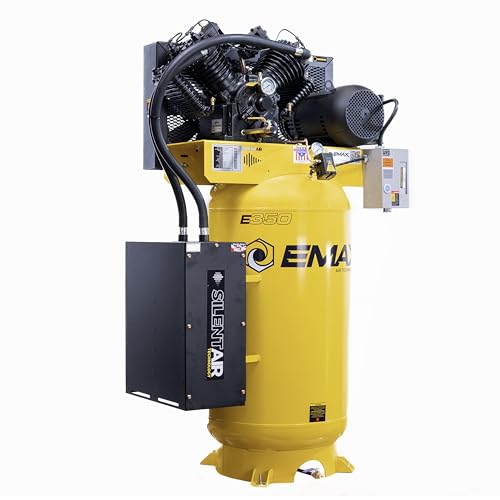
EMAX E350 Stationary Air Compressor ES07V080V1

Klutch 29-Gallon Air Compressor, 2.5 HP, 120V, 175 PSI

Klutch 20-Gallon Air Compressor, 2 HP, 120V, 175 PSI

Goodman ZR25K5EPFV800 Copeland Scroll Compressor

VEVOR 6.3 Gallon Air Compressor, 2 HP, 3.35 CFM@90PSI
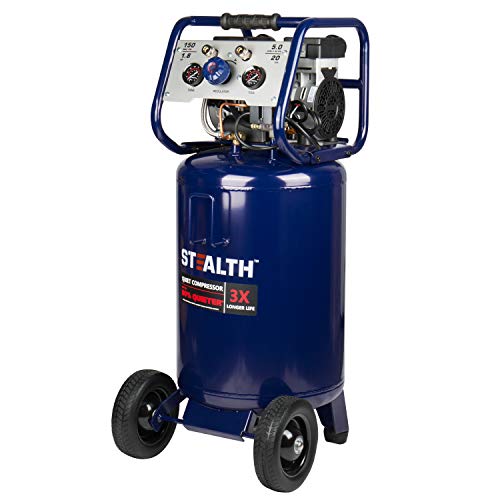
Stealth 20 Gallon Ultra Quiet Air Compressor, 1.8 HP

California Air Tools CAT-4610AC Ultra Quiet, Oil-Free Air Compressor

DEWALT Air Compressor, 225-PSI Max, 4-1/2 Gallon (D55146)

Craftsman Air Tools 2 Gallon Portable Air Compressor CMXECXA0200243
More Details On Our Top Picks
Trim work asks for steady pressure more than raw tank size, and this DEWALT keeps the focus there. Its quieter operation matters in a finished home or a small garage where loud compressor cycles can get old fast. You get a portable format that still feels serious enough for finish nailers and other lighter pneumatic tools.
The honest read is that it makes more sense for detail jobs than for long-running, high-demand tool use. Compared with the larger EMAX E350 later in this list, it’s far easier to move around and far less suited to industrial pacing. For trim carpenters, punch-list work, and homeowners doing occasional finish projects, that balance is hard to ignore.
Strong Points
- 200-PSI max pressure gives you useful headroom for finish tasks.
- Quiet operation helps in attached garages and interior job sites.
- Portable format keeps it easy to shift between rooms or vans.
- Well suited to trim tools that need crisp, consistent bursts.
Small Caveats
- It’s aimed at trim and lighter work, not continuous heavy output.
- The smaller footprint means less reserve air for longer tool runs.
- Like many portable compressors, storage space and hose management still matter.
Feature Snapshot
Who It Suits Best
Finish carpenters, remodelers, and careful home DIYers get the most out of it.
Where A Sibling Pick Shines
EMAX E350 Stationary Air Compressor ES07V080V1 suits a workshop that needs much higher output and a fixed installation.
The EMAX E350 is built for a shop that needs steady air delivery, not a weekend bench setup. Its 80-gallon tank gives you a large reserve, and the two-stage design means air gets compressed in two steps, which helps support tougher workloads. The pressure-lubricated pump is a meaningful detail for heavy use, because that style is generally chosen for durability in demanding environments.
Noise control is another meaningful angle here, since the brand describes a whisper-quiet system and a sound level reduction that matters in shared work areas. Compared with the DEWALT trim unit, this is far less about portability and far more about staying parked beside your main tools. You may find it most useful in a dedicated garage, small fabrication space, or service shop where airflow matters all day.
What We Like
- 7.5 HP output gives it real breathing room for demanding tasks.
- 31 CFM supports tools that need a lot of airflow.
- Two-stage layout suits heavier-duty shop use.
- Large 80-gallon tank helps reduce frequent cycling.
- Noise reduction is a welcome plus in occupied work areas.
Room For Improvement
- It’s clearly a fixed-installation choice, not a grab-and-go machine.
- The size makes placement planning important before delivery day.
- Oil-lubricated systems usually ask for more maintenance attention than oil-free designs.
Technical Sheet
Built With In Mind
Shop owners and service pros with a dedicated compressor bay will benefit most.
Swap It Out When
Klutch 29-Gallon Air Compressor suits garage users who want a smaller, movable unit with easier placement.
This Klutch lands in the middle ground that many garage setups need. The 29-gallon tank gives you a stronger reserve than small pancake units, while the vertical shape saves floor space in tighter shops. Add the oil-free pump and large wheels, and you get a unit that feels more practical to move and less fussy to keep clean.
Its 5.1 CFM at 90 PSI is the kind of number that matters for nailers and painting work, because it points to more usable air during active jobs. Compared with the Stealth 20-gallon model later in the list, this one gives you a bit more tank capacity, while Stealth leans harder into low-noise operation. For mixed garage tasks, that trade-off is fairly easy to understand.
Positives
- 29-gallon capacity gives you more buffer for repeated bursts.
- Oil-free design reduces routine upkeep around the pump.
- Vertical layout helps conserve precious shop floor space.
- Large wheels make repositioning less of a chore.
- Maintenance-friendly drain should make tank care simpler.
Points To Note
- It still takes up enough space that corner placement matters.
- Heavy use can shorten recovery time once demand stacks up.
- The higher-output setup is more than many light household projects need.
Details At A Glance
Who Will Love This
Garage tinkerers, weekend remodelers, and light trade work setups fit it well.
Another Choice May Suit
Stealth 20 Gallon Ultra Quiet Air Compressor is a better match for a home shop that puts low noise above tank size.
Smaller than the 29-gallon Klutch above, this 20-gallon version feels tuned for shops that want usable capacity without giving up too much floor space. The 75 percent duty cycle is a useful detail, because duty cycle tells you how long a compressor can run within a given time window before it needs to rest. That matters in real garages where nailers, blow-off jobs, and small air tools can stack up quickly.
Its 4.2 SCFM at 90 PSI is more modest than the bigger Klutch, so it fits lighter tool sessions better than continuous heavy work. The oil-free layout and easy-access tank drain are the kind of details that make routine ownership less annoying. Compared with the DEWALT trim model, this one is less specialized and better suited to a general shop corner.
Highlights
- 20-gallon tank gives you enough reserve for many garage jobs.
- 75 percent duty cycle helps it suit repeat tool use.
- Oil-free pump keeps daily upkeep simpler.
- Large wheels help with moving it around a shop.
- Easy-access drain is a welcome maintenance detail.
Areas To Watch
- Airflow is lower than the larger Klutch 29-gallon model.
- It works best for intermittent tasks rather than long stretches.
- Vertical storage helps, but setup still needs a steady corner.
Core Details
Right Fit For
Home mechanics and hobbyists with a modest tool lineup will get the most from it.
Look Elsewhere When
EMAX E350 Stationary Air Compressor makes more sense for a fixed shop that needs far higher output.
This Goodman unit sits in a different lane from the garage compressors above, since it’s tied to HVAC system work rather than nail guns or blow-off tools. The Copeland scroll design is the key feature here, because scroll compressors use interlocking spiral elements to move refrigerant smoothly and with fewer moving parts than some older compressor styles. That usually appeals to service work that values consistent system compatibility.
The 25,300 BTU R22 designation tells you it belongs in a specific air-conditioning context, so it’s not a broad-purpose compressor for every shop. Compared with the EMAX industrial unit, this one is much more specialized and should only be considered when you need the right HVAC match. For system replacement or repair work, that specificity is the whole point.
Best Bits
- Scroll design is well suited to HVAC system replacement needs.
- Purpose-built format helps narrow the field for service work.
- Specific capacity rating can simplify compatibility checks.
Trade Offs
- It’s a specialized component, not a general garage compressor.
- You’ll want to verify system match before choosing it.
- Installation and service knowledge matter more than with portable units.
Feature Rundown
The Right Fit
HVAC technicians and replacement work in compatible systems fit this part best.
Where A Sibling Pick Shines
Klutch 20-Gallon Air Compressor is the better path for garage users who need a versatile air tool machine.
The VEVOR keeps things compact enough for smaller garages while still offering more substance than a tiny inflator-style unit. A 6.3-gallon tank and 2 HP motor make sense for tire inflation, light spray work, and short bursts on nailers. For a weekend garage, that combination gives you a useful middle ground without demanding much floor space.
Its oil-free tank is easier to live with, especially for people who do not want extra pump maintenance hanging over every project. Compare it with the larger Klutch models, and you’ll see the trade-off right away: less reserve air, but more convenience in a smaller shell. You may find that balance right for auto repair corners, hobby benches, or one-car garages.
Reasons To Buy
- Compact 6.3-gallon tank fits smaller work areas.
- 2 HP motor keeps it versatile for light shop tasks.
- Oil-free design reduces routine pump upkeep.
- Works across inflation, paint touch-ups, and nailing jobs.
Softer Spots
- It won’t replace a larger tank for longer air-tool sessions.
- Small capacity means more frequent cycling under heavier use.
- It’s a better helper than a main shop anchor.
Feature Card
Made For
Hobby garages and homeowners who want a compact, general-use compressor fit it well.
Reach For A Different Pick When
Klutch 29-Gallon Air Compressor is a better match for larger tool loads and longer run time.
Noise is the reason this Stealth stands out, and that matters in a garage attached to living space or a shared workshop. The 68-decibel rating gives you a clear sense of the sound level, and that’s the kind of detail many shoppers wish more product pages would spell out plainly. Its 20-gallon tank and wheel set keep it grounded without making it impossible to shift around.
The 5.5 CFM at 40 PSI and 5 CFM at 90 PSI show a compressor that can keep up with common air tools better than tiny portable units. Compared with the Klutch 20-gallon model, this one leans more toward lower sound and slightly different airflow balance. For people who spend time in the same room as their compressor, that quiet-first approach is worth a close look.
Bright Spots
- 68-decibel operation is notably calmer than many shop compressors.
- 20-gallon size gives a useful middle ground for garage work.
- Oil-free setup helps keep maintenance lighter.
- Wheeled base supports easier repositioning.
Minor Gripes
- The lower-horsepower setup favors moderate workloads over heavy runs.
- Noise is low, but the unit still takes up garage space.
- Best results come from planned use rather than nonstop tool demand.
At A Glance
Whose Shelf It Belongs On
Garage users who value lower noise and steady general-purpose performance fit it best.
Another Choice May Suit
Klutch 29-Gallon Air Compressor gives you more reserve air if tank size matters more than quiet operation.
Portability is the big story here, and the twin-tank aluminum setup keeps the unit light enough to move between work areas with less strain. Aluminum matters because it usually trims weight without feeling flimsy, which is helpful for mobile setups and smaller storage closets. In a home workshop, that makes the compressor easier to bring out, use, and put away again.
The oil-free design keeps ownership simple, and the ultra-quiet profile suits indoor jobs where a loud compressor feels intrusive. Compared with the Stealth 20-gallon model, this California Air Tools pick gives up tank size in exchange for easier carrying and a smaller footprint. For light nailing, inflation, and occasional repair work, that trade can make a lot of sense.
Upsides
- Aluminum twin tanks help keep the unit easier to move.
- Oil-free pump reduces routine attention.
- Quiet operation works well in close quarters.
- Compact size helps in tight storage areas.
Points To Note
- Smaller tank capacity limits longer tool sessions.
- Low horsepower suits lighter tasks more than heavy-duty work.
- It is easier to carry, but still benefits from careful handling.
Spec Overview
Best Suited To
Home users who move a compressor between rooms, benches, or vehicles will appreciate it most.
Skip It When
EMAX E350 Stationary Air Compressor is the better call for a fixed shop that needs serious continuous output.
This DEWALT is built for people who want a compact compressor with a strong pressure ceiling. The 225-PSI maximum gives you more stored air than many smaller units, and the wheels matter more than they sound like they would, because a hand-carry compressor still gets old fast once you move it through a garage or up a few steps. That mix makes it a sensible fit for trim work and other quick-use jobs.
Compared with the smaller DEWALT trim compressor earlier in the list, this one gives you a little more portability hardware and a different balance of capacity and pressure. It still isn’t a substitute for a stationary shop unit, but it does a nice job of staying useful without becoming cumbersome. For finish carpenters and mobile repair work, that’s a solid middle lane.
Standout Traits
- 225-PSI max gives it strong pressure reserve.
- Hand-carry format with wheels helps during moves.
- Small tank keeps it manageable for transport.
- Well matched to trim and fast burst tasks.
Worth Noting
- Small tank size means less air stored for longer jobs.
- Portable format works best for short, repeated sessions.
- Wheel support helps, though it still needs carrying at times.
Feature Rundown
Perfect Match For
Trim carpenters and jobsite users who want a compact, high-pressure unit fit it best.
A Better Fit Elsewhere
Stealth 20 Gallon Ultra Quiet Air Compressor suits garage users who care more about low noise than carry size.
The Craftsman hot dog compressor is the simplest, smallest option in this group, and that can be a good thing for light-duty use. A 2-gallon tank and 1/3 HP motor point toward quick inflation, small repairs, and other jobs that don’t need much reserve air. In a cramped garage, that tiny footprint can feel like breathing room.
Its oil-free setup also keeps upkeep easy, which suits occasional users who want a machine that stays straightforward. Compared with the VEVOR 6.3-gallon model, this one is even more compact but gives up capacity and flexibility. For homeowners who only need basic air support now and then, that trade-off is easy to live with.
Plus Points
- 2-gallon size keeps storage needs very small.
- Oil-free design reduces routine upkeep.
- Works well for light inflation and small fixes.
- Hot dog shape fits neatly in compact spaces.
Areas To Watch
- Limited capacity makes it a light-duty helper only.
- Lower motor output won’t suit bigger shop tools.
- Short sessions make more sense than drawn-out use.
Core Details
Who Should Grab It
Homeowners with occasional light air needs and very limited storage space will fit it best.
Where Shoppers Go Wrong
Klutch 29-Gallon Air Compressor is the smarter step up for anyone expecting regular tool use.
How To Choose The Right Stationary Air Compressors
Start With Air Demand, Not Hype
CFM, or cubic feet per minute, tells you how much air the compressor can deliver. That number matters more than shiny branding, because nailers, paint guns, and impact tools all ask for different airflow levels.
Tank size changes how often the motor has to cycle. Bigger tanks help with repeated bursts, while smaller tanks suit short jobs and tight spaces.
Match Noise To Your Space
Noise matters more than many listings admit, especially in attached garages or shared workshops. A quieter unit can make long sessions feel less wearing, even if the air output is modest.
For a basement shop or a closed garage, low sound levels can be worth trading a little capacity. In a detached workshop, you may care more about raw output than quiet operation.
Think About Duty Cycle And Recovery
Duty cycle shows how long a compressor can run before it needs a rest. That matters for anyone running repetitive tools, because a machine that pauses too often interrupts the work rhythm.
Recovery time is the gap between pressure drops and the tank building back up. Faster recovery usually feels better in real use, especially for painting, framing, or any job with back-to-back bursts.
Oil-Free Or Oil-Lubricated, Choose For Ownership
Oil-free pumps usually ask for less routine care, which suits casual use and smaller shops. Oil-lubricated pumps often make more sense for heavier work, where a bit more maintenance is a fair trade for durability-minded design.
That choice affects cleanup, storage, and long-term attention, not just the first day you plug the machine in. For many home garages, the simpler option wins on convenience alone.
A Quick Reality Check Before You Choose
Mistakes Worth Dodging
Many shoppers size the tank first and ignore airflow, which leads to frustration once tools start cycling hard. It’s smarter to match the compressor to the tool list, then check whether the footprint still fits the garage or shop.
Noise gets overlooked too, especially in homes where the compressor sits near living space. A louder unit can become the thing you notice every time you open the garage door.
The Upgrade Payoff
Higher-tier compressors usually cost more because they bring stronger motors, larger tanks, quieter operation, or more stable airflow. That extra spend often makes sense in busy shops where downtime is annoying and tool demands stack up quickly.
For occasional inflation or small trim work, a compact unit usually feels enough. For daily use, the upgrade pays back in smoother pacing and less waiting between jobs.
Frequently Asked Questions
What size compressor works for trim work?
A compact compressor with enough pressure reserve and steady airflow usually handles trim work well. The DEWALT trim models in this list show that high pressure can matter more than a huge tank.
Do oil-free compressors need less maintenance?
They usually do, because there’s no oil level to monitor around the pump. You still need to keep the tank drained and the exterior clean.
Why does CFM matter so much?
CFM tells you whether the compressor can keep up while a tool is running. Lower airflow can feel fine for inflation, then fall short during painting or repetitive nailing.
Is a larger tank always better?
Not always, because size adds weight and takes up room. A smaller tank can be the smarter choice for short jobs, mobile use, or cramped garages.
What’s the main advantage of a quieter compressor?
Less noise makes long sessions easier to live with, especially in attached garages and shared spaces. It can also help the compressor feel less intrusive during home projects.
Closing Thoughts
The right compressor usually feels obvious once you match it to your space and workload. A stationary shop unit like the EMAX makes sense for demanding output, while smaller DEWALT, Klutch, Stealth, VEVOR, California Air Tools, and Craftsman picks fit lighter or more portable routines. The main thing is to choose the machine that suits your tools and your floor space, not the one with the loudest spec sheet. That keeps ownership simpler, and the work day runs more smoothly.