You want the right air setup without turning your shop into a maze of hoses, noise, and guesswork. Some of these picks handle quick tire top-offs and bike work, while others suit nailers, spray tasks, or steady garage use in tighter spaces.
The list below keeps the differences plain. You’ll see cordless inflators, wall-mounted hose management, and tank compressors in sizes that make sense for small garages, side bays, and hobby workbenches.
The Shortlist At A Glance

NOCO Air AL5 Cordless Tire Inflator

VEVOR Retractable Air Hose Reel 3/8IN x 50FT

Metabo HPT Quiet Air Compressor 1 Gallon EC28M

Park Tool Shop Inflator
AIPOWAY 180psi Tire Inflator Portable Air Compressor

Klutch 20-Gallon Air Compressor 2 HP

VEVOR 6.3 Gallon Air Compressor 2 HP

ALL-TOP Air Compressor Kit Dual Cylinder 12V
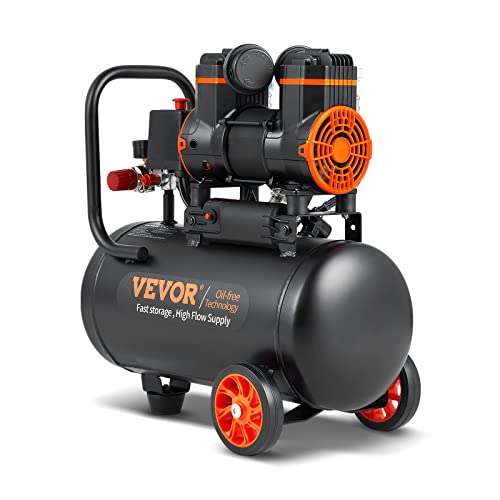
VEVOR 4.8 Gallon Air Compressor 1.2HP

DEWALT Air Compressor 4-1/2 Gallon D55146
More Details On Our Top Picks
The cordless format makes this NOCO easy to keep in a trunk, garage shelf, or utility drawer. For daily commutes and family vehicles, the digital gauge and auto-shutoff keep the process calm and tidy, which matters more than fancy language on a product page.
The trade-off is simple: this suits topping off tires and handling routine inflation more than powering a fixed shop line. Compared with the hose reel later in the list, it’s about mobility first, and that’s exactly why it fits drivers who want a grab-and-go tool.
Strong Points
- Cordless layout keeps it useful in parking lots, driveways, and roadside stops.
- Digital pressure readout helps you track fill levels without guessing.
- Auto-shutoff reduces overshooting the target, which is handy for uneven tires.
- USB-C charging fits modern charging habits and cuts down on cable clutter.
Things To Consider
- It’s built for inflation jobs, not for running air tools in a shop.
- Battery-based gear needs a charging routine, so storage habits matter.
- Larger tires can take longer than a hose-fed tank setup.
Feature Snapshot
Who It Suits Best
Drivers who want a portable inflator for routine tire checks and light travel use will get the most from it.
A Better Fit Elsewhere
The DEWALT D55146 suits a small shop better for you if you want a wheeled tank compressor with more room to support repeated tool use.
A hose reel is the sort of shop upgrade that pays off in daily irritation, not just specs. The 3/8-inch hose gives you a standard air-tool size, while the 50-foot length and swivel mount help the hose move with your workspace instead of tangling around it.
The enclosed reel is useful in cramped garages because it keeps the hose off the floor and out of the way. Compared with the cordless NOCO above, this one is less about travel and more about making a fixed bay feel organized.
Upsides
- Retractable storage keeps hoses from piling up on the floor.
- 50 feet of reach suits a garage where the compressor sits in one corner.
- Ceiling or wall mounting gives you flexibility in tight layouts.
- Swivel action helps the hose follow your movement more naturally.
Room For Improvement
- Mounting takes planning, so placement matters before installation.
- This is an accessory piece, not the compressor itself.
Core Details
Whose Shelf It Belongs On
Garage owners who want a tidy air line for everyday tool use will appreciate it most.
Swap It Out When
The Park Tool Shop Inflator makes more sense for bike work, since it’s built around inflation rather than hose storage.
Noise matters in a small shop, especially in a garage attached to living space or in a shared workshop. At 59 dB, this Metabo HPT model is positioned for people who want a calmer work session without giving up a real tank compressor.
The 1-gallon tank keeps the footprint modest, and the universal quick coupler makes tool swaps faster than fussing with loose fittings. Compared with the VEVOR hose reel, this is the more direct compressor choice, and the honest read is that its size makes sense for lighter, stop-and-start work.
Highlights
- Low-noise operation suits garages where loud compressors get old fast.
- Oil-free design cuts one maintenance task from your routine.
- Universal quick coupler helps you switch tools with less downtime.
- Compact build is easier to store near a bench or shelf.
Softer Spots
- One gallon leaves you with limited reserve for longer air-tool runs.
- It fits lighter shop work better than heavy repeated cycling.
- Noise is lower, but output still depends on the job size.
Details At A Glance
Built With In Mind
Small-garage hobbyists and bench users who want quieter operation will feel the fit right away.
Where A Sibling Pick Shines
The Klutch 20-Gallon Air Compressor suits you better for repeated air-tool work that needs more reserve and longer runtime.
Bike spaces need a different kind of air control than a general garage compressor. This Park Tool inflator makes sense for workstands, tire pressure checks, and tune-up routines where you want a purpose-built bike tool rather than a general shop tank.
The listing’s support and claims details add a bit of peace of mind for a portable tool used around busy workbenches. Compared with the Metabo HPT compressor, this is narrower in purpose, and that narrow focus is exactly why cycling setups tend to like it.
Bright Spots
- Bike-focused design fits repair stands and pump-up tasks cleanly.
- Simple inflation use keeps the learning curve low.
- Portable format works well in small cycling corners or mobile setups.
Minor Gripes
- Its narrow role means it’s not a general shop compressor.
- Bike-specific gear can feel too specialized for mixed work areas.
Feature Rundown
Who Should Grab It
Cyclists and home bike mechanics who want a dedicated shop inflator will get the clearest value from it.
Reach For A Different Pick When
The AIPOWAY inflator suits you better for mixed vehicle use, because it blends car, bike, and motorcycle chores in one portable package.
Some small-shop setups need one tool to cover several chores, and this AIPOWAY model leans into that idea. The 26,000 mAh battery, digital LCD gauge, LED light, and power bank function make it useful for a trunk, a work van, or a garage that sees more than one type of vehicle.
The trade-off is that multi-function gear usually asks you to accept a more compact scope than a dedicated tank compressor. Compared with the Park Tool inflator, this one reaches farther across daily life, while still staying portable enough to move between the driveway and the bench.
Best Bits
- Battery capacity supports portable use without dragging out a cord.
- Digital LCD gauge makes pressure checks easier to read.
- LED light helps in dim garages or roadside situations.
- Power bank feature adds a second use beyond inflation.
- Works across cars, bikes, and motorcycles, which helps in mixed households.
Areas To Watch
- Extra features can add complexity you may not need every day.
- Battery products need regular charging so they stay ready.
- It’s still a portable inflator, not a substitute for a shop compressor.
Quick Facts
Right Fit For
Drivers and cyclists who want one portable inflator for several common tasks will benefit most.
Look Elsewhere When
The NOCO Air AL5 is the cleaner fit for you if you want a lighter, more focused tire inflator without the extra feature set.
Once you move from inflators into real shop compressors, tank size and airflow start carrying more of the load. The Klutch 20-gallon design gives you more breathing room for regular tool use, and the 4.2 SCFM rating at 90 PSI matters because SCFM means how much air the compressor can deliver at a working pressure.
The vertical oil-free build, large wheels, and easy tank drain are all practical touches for a small shop that still needs mobility. Compared with the 1-gallon Metabo HPT, this is the far better fit for longer tool sessions, though it also asks for more floor space.
Reasons To Buy
- 20-gallon tank gives you a much larger air reserve.
- 175 PSI max pressure supports more demanding shop tasks.
- Large wheels make it easier to move around a garage.
- Easy-access tank drain helps with regular water management.
- Oil-free design keeps upkeep simpler than oil-lubed systems.
Points To Note
- Its footprint is larger than the compact portable models above.
- More capacity means more mass to store and roll.
- It suits tool work better than quick tire-only duties.
Spec Overview
The Right Fit
Home mechanics and small garage users who want a more serious compressor for air tools will get the most from it.
Another Choice May Suit
The VEVOR 4.8-gallon compressor works better for you if your space is tighter and you want a smaller tank with quieter operation.
This VEVOR sits in the middle of the pack in a useful way. The 6.3-gallon tank is big enough for practical garage tasks, yet still compact enough to avoid the footprint of the Klutch 20-gallon unit.
Its 2 HP motor, 3.35 CFM at 90 PSI, and 116 PSI max pressure make it a sensible fit for general air work such as inflation, nailing, and light repair tasks. The honest read is that it fits mixed-use spaces well, especially when you want more than a tire inflator but less bulk than a full shop tank.
Positives
- Mid-size tank feels manageable in smaller garages.
- Useful pressure and airflow range for varied light-duty tasks.
- Oil-free construction trims routine maintenance.
- Good size for users who share space with other gear.
Softer Spots
- It won’t match the air reserve of the 20-gallon Klutch.
- Some shops will still want more output for heavier cycles.
- Storage is easier than the big tank, but it’s still a compressor.
Technical Sheet
Made For
Small garages that want one compressor for several light tasks will appreciate the balance here.
Skip It When
The DEWALT D55146 fits better for you if higher-pressure portability matters more than keeping the size moderate.
Vehicle recovery and off-road tire work call for a different kind of compressor, and this ALL-TOP kit is aimed squarely at that job. The dual-cylinder layout and 12V portable design make sense for truck beds, 4x4s, and RV setups where you want serious output on the move.
The 12.35 cubic feet per minute figure is the headline here, and cubic feet per minute, or CFM, measures air output over time. That level of output is useful for larger tires, though it also means the kit makes more sense for vehicle use than for a small bench shop.
What We Like
- Dual-cylinder setup supports stronger air movement.
- 12V portability suits trail kits and vehicle storage.
- High output helps with truck and RV tire chores.
- Max 150 PSI gives it headroom for inflation tasks.
Small Caveats
- It is purpose-built for vehicles, not general shop tooling.
- Truck and RV users will value it more than casual garage owners.
- Portable mounting and storage still need planning in the vehicle.
Feature Card
Best Suited To
Off-road drivers, RV users, and truck owners who need a travel-ready compressor will get the clearest match.
Where A Sibling Pick Shines
The NOCO Air AL5 is the cleaner fit for you if you mostly need a lighter inflator for everyday tires and not a vehicle recovery kit.
This VEVOR leans quieter than many small tank compressors, which matters in a garage where noise carries into the house or through thin walls. The 4.8-gallon size keeps it compact while still giving you more reserve than a pocket inflator.
The 1.2 HP motor, 2.2 CFM at 90 PSI, and 116 PSI max pressure point to light shop work, tire inflation, and smaller nailing jobs. Compared with the 6.3-gallon VEVOR above, this one trims capacity in exchange for a smaller footprint and gentler noise profile.
Standout Traits
- Lower noise suits shared garages and close quarters.
- Compact tank size makes storage less awkward.
- Oil-free setup means one less maintenance step.
- Good for light repair, inflation, and small nailing work.
Worth Noting
- Smaller output means heavier air-tool jobs will ask more of it.
- It is still a tank compressor, so it takes dedicated space.
- The quieter profile does not change its light-duty focus.
At A Glance
Who Will Love This
Apartment garage users and hobbyists who want a quieter, smaller compressor will feel the fit most strongly.
Not Your Match When
The Klutch 20-gallon compressor is the better call for you if longer air-tool sessions matter more than keeping the footprint modest.
The DEWALT brings a more serious pressure ceiling to a carryable tank format, and that combination matters in a small shop where floor space is tight. Hand-carry portability with wheels makes it easier to roll between bench, bay, and storage corner without treating it like a fixed cabinet compressor.
The 4-1/2-gallon tank is smaller than the Klutch, yet the 225 PSI max pressure gives you a different kind of headroom. That trade-off works well for shop owners who want stronger pressure in a compact body, even though they’ll still want to respect the tank’s modest size.
Best Bits
- 225 PSI max pressure gives it strong storage headroom.
- Wheels help offset the carry weight during movement.
- Compact tank size fits tighter garage layouts.
- Good fit for users who want a tougher portable compressor.
Areas To Watch
- Smaller tank capacity means less reserve than the 20-gallon Klutch.
- It suits portable shop use better than stationary heavy cycling.
- Some small spaces will still need careful storage planning.
Feature Rundown
Perfect Match For
Small-shop owners who want a portable compressor with a higher pressure ceiling will appreciate this setup.
Where Shoppers Go Wrong
The VEVOR 6.3-gallon compressor suits you better if you value a bit more tank room and a middle-ground size over raw pressure headroom.
How To Choose The Right Small Shop Air Compressors
Match Tank Size To Your Work
Tank size shapes how often the compressor cycles and how long you can keep tools moving. Small inflation jobs can live with compact tanks or cordless inflators, but nailers, spray work, and repeated air-tool use benefit from larger reserves.
The practical question is not just capacity, it’s downtime. A 1-gallon unit stores far less air than a 20-gallon compressor, so your bench habits and the pace of your projects matter more than a spec sheet headline.
Check Air Delivery, Not Just Pressure
Pressure tells you the upper limit, while airflow, often listed as CFM or LPM, tells you how fast the unit can feed the job. That difference matters because a compressor can show strong pressure and still feel slow on tools that want steady volume.
For small shops, moderate CFM works fine for tire inflation, staplers, and light nailers. Compare that with the ALL-TOP kit, which is built around higher vehicle-oriented output, not bench-heavy workshop duty.
Think About Noise, Space, And Storage
A quieter compressor can make a big difference in a garage attached to a house or in a shared workspace. The Metabo HPT and VEVOR quieter model both lean toward that calmer feel, while bigger compressors ask for more room and more acceptance of sound.
Storage matters just as much. Wall-mounted hose management, wheel kits, and compact oil-free layouts can keep a shop easier to live with, especially when the space also holds tools, lumber, or bikes.
Choose The Format That Fits Your Routine
Cordless inflators suit commuters, travel kits, and mixed vehicle households. Tank compressors suit anyone who actually runs air tools, while hose reels help the whole setup stay usable instead of tangled.
That’s the simple filter, and it keeps the decision cleaner than chasing a single “best” spec. Pick the format that matches the work you do most days, then size up from there.
Things Worth Knowing First
Mistakes Worth Dodging
Many small-shop shoppers focus on max pressure and ignore airflow, which can leave them with a compressor that feels sluggish in actual use. Another common miss is buying a portable inflator for a task that really needs a tank and hose.
It also helps to plan around maintenance. Oil-free designs reduce one chore, but tanks still need drain care, and larger units need storage space that won’t get crowded out by everything else in the garage.
What The Higher Tier Buys
Spending more in this category usually gets you better capacity, stronger airflow, quieter operation, or more durable rolling hardware. Sometimes you also get easier controls, better hose management, or a setup that feels less tiring to use every week.
The upgrade makes sense when your compressor runs often or supports real work instead of occasional top-offs. If your projects stack up, the extra money often goes into fewer interruptions and a more comfortable workspace.
Frequently Asked Questions
What size air compressor works for a small shop?
A compact tank or mid-size portable compressor usually fits most small shops well. Tire inflation and light fastening need far less capacity than repeated air-tool use.
Is an oil-free compressor better for garage use?
Oil-free models usually keep routine upkeep simpler. They still need basic care, especially tank drainage and sensible storage.
Do you need a quiet compressor in a home garage?
A quieter unit helps a lot in attached garages or shared spaces. Lower noise does not change the work it can do, but it can make the whole setup easier to live with.
What does CFM mean on an air compressor?
CFM stands for cubic feet per minute, which describes air flow. Higher CFM helps tools that need a steadier stream of air.
Are cordless inflators enough for small shop use?
They work well for tires, bikes, and travel kits. For nailers or repeated tool work, a tank compressor makes more sense.
Closing Thoughts
You do not need the biggest compressor on the page to make a small shop feel capable. What matters is matching the format to your routine, then choosing the tank size, airflow, and noise level that fit your space. A cordless inflator handles quick tire work, while a mid-size or larger compressor opens the door to real tool use. Pick the setup that fits the way you work now, and your shop will feel easier every time you plug in or roll it out.