Removing popcorn texture is messy work, and the right sander with vacuum capture can keep dust from drifting through the whole house. You’ll see a mix here, from corded ceiling-focused tools to lighter hand and pole setups for smaller repair jobs. The goal is simple: help you match the tool to the room, the reach, and how much control you want while you work.
Quick Look At The Shortlist

Protmex 1000W Automatic Drywall Sander
CUBEWAY Electric Drywall Sander 780W 7-Speed

DEWALT 20V MAX Cordless Drywall Sander DCE800B

Gioventù Electric Drywall Sander with Vacuum
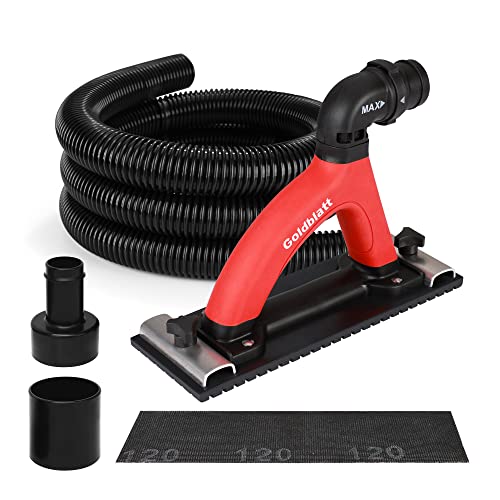
Goldblatt Dust Free Hand Sander
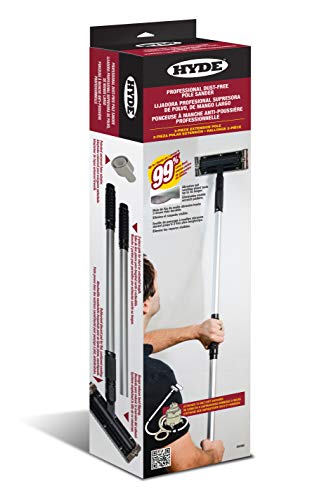
HYDE 09180 Dust-Free Vacuum Sander

Gioventù 780W Electric Drywall Sander with Vacuum Attachment
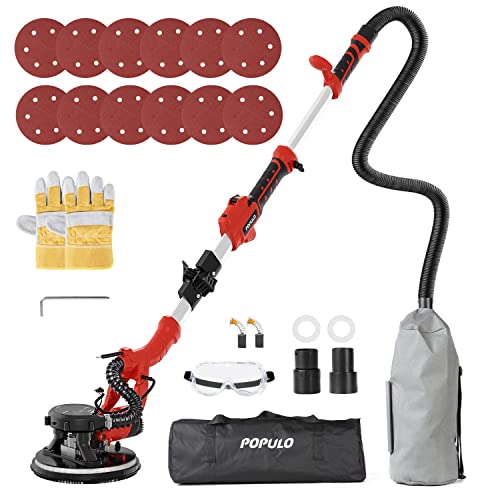
POPULO Drywall Sander with Vacuum 7.2A
More Details On Our Top Picks
The 1000W motor and six-speed range make this Protmex a strong fit for bigger renovation days, especially when you want more control across rougher texture and finishing passes. The foldable, extendable handle matters too, because ceiling work gets tiring fast and extra reach helps you keep a steadier angle.
The LED light is a practical touch in dim rooms, and the included sanding discs give you a starting point without hunting for extras right away. The trade-off is size and corded dependence, so it suits a work zone better than quick patch jobs.
Strong Points
- 1000W power suits heavier texture removal.
- Six speed settings help you match the surface and reduce over-aggressive sanding.
- Extendable handle gives better ceiling reach in taller rooms.
- Foldable design makes storage less awkward than a fixed long-body tool.
- LED illumination helps in shadowy corners and unfinished spaces.
Things To Consider
- Corded operation keeps you near an outlet.
- The larger format is less nimble for tiny repair spots.
- Dust collection still depends on correct hose and vacuum setup.
Core Details
Who It Suits Best
You’ll get the most from this on full-room ceiling projects, garage updates, or repeated drywall finishing where reach and power matter more than compact size.
Where A Sibling Pick Shines
CUBEWAY’s 780W model fits lighter all-purpose sanding better, especially for smaller homes where a little less power feels more manageable.
The 780W motor puts this CUBEWAY in a friendlier middle ground than the heavier Protmex above, and the seven-speed setup gives you one more step to fine-tune the feel. That mix works well for someone handling walls one day and ceilings the next, where a smoother range matters more than brute force.
The LED light helps in dim work areas, and the broad use range across walls, ceilings, and floors gives this model a flexible profile. One thing worth considering is that versatility can come with a bit less raw push than the 1000W pick, which is a fair trade for many homes.
What We Like
- Seven speeds help you dial in the sanding pace.
- 780W output covers common drywall and ceiling jobs.
- LED lighting improves visibility near edges and shadowed spots.
- Works across walls, ceilings, and floors, so you’re not boxed into one use case.
Minor Gripes
- Less power headroom than the 1000W Protmex.
- Large-format sanding still asks for room to maneuver.
- Vacuum capture depends on how well your dust setup is matched.
Feature Snapshot
Who Should Grab It
This suits home renovators who want one corded sander for mixed jobs and don’t need the heaviest motor in the set.
A Better Fit Elsewhere
Gioventù’s 26-foot cord model fits larger rooms better, especially where outlet hopping slows you down.
Cordless freedom is the big story here, and that makes this DEWALT especially useful on jobs where outlets are awkward or nonexistent. Tool-only packaging also signals a more modular setup, so it fits you best when your battery system is already in place.
Compared with the corded picks above, this one trades unlimited runtime for cleaner movement around scaffolding, stairwells, and rooms that are still half-furnished. The honest read is that it’s less about raw convenience in a shop and more about mobility on active job sites.
Upsides
- Cordless design removes the hassle of managing a power lead.
- Tool-only format can suit an existing DEWALT battery setup.
- Better fit for stair runs, isolated rooms, and quick service work.
- Brand ecosystem compatibility helps keep accessories and batteries in one lane.
Room For Improvement
- You need batteries and charger support separately.
- Run time depends on the battery you already own.
- Less appealing for long, uninterrupted ceiling sanding days than a corded unit.
Details At A Glance
Who Will Love This
You’ll appreciate this most on active job sites, punch-list work, or renovation spaces where moving freely matters more than staying plugged in.
Look Elsewhere When
Protmex’s 1000W corded sander suits you better for long overhead sessions that need sustained power from a wall outlet.
The 26-foot power cord is the detail that stands out here, because long reach cuts down on outlet changes in larger rooms. Add the labor-saving handle and patented ceiling fixture, and you get a tool that feels aimed at steady overhead work rather than quick touch-ups.
The 900 to 1800 RPM range is narrower than the Protmex at the top of the list, but that can make the feel more manageable for many households. In most homes, that balance is enough for ceiling texture removal and drywall cleanup without overcomplicating the setup.
Highlights
- 26-foot cord helps cover larger work areas without constant unplugging.
- Variable speed from 900 to 1800 RPM supports more controlled sanding.
- Labor-saving handle helps reduce strain during ceiling work.
- Patented ceiling fixture is geared toward overhead tasks.
- LED light helps in dim corners and unfinished rooms.
Points To Note
- It’s still a corded setup, so outlet planning matters.
- The speed range is less broad than some other picks here.
- Best results still depend on keeping the dust path clear and properly attached.
Feature Rundown
The Right Fit
This suits you well for bigger rooms, renovation cleanups, and ceiling jobs where cord length matters as much as sanding speed.
Skip It When
DEWALT’s cordless DCE800B is the more comfortable choice for mobile work where a trailing cord would slow you down.
This Goldblatt is a smaller, more controlled option than the electric ceiling sanders above, and that makes sense for patching, edges, and tighter work zones. The 6.5-foot hose gives you some breathing room between the sanding head and dust source, which helps keep the setup practical for localized jobs.
You won’t get the same ceiling coverage or powered speed of the larger units, but the hand-sander format keeps things simple. For homeowners doing occasional drywall touch-ups, that simplicity can be the whole appeal.
Best Bits
- Handheld format is easier to manage for small repair areas.
- 6.5-foot hose adds useful reach to the dust collection setup.
- Compact size stores easily in a utility closet or tool tote.
- Good match for touch-ups where a full motorized sander feels like too much.
Small Caveats
- Manual sanding takes more effort than powered models.
- It’s less suited to broad popcorn ceiling removal.
- Hose routing takes a little care in crowded rooms.
Technical Sheet
Best Suited To
This suits small drywall repairs, spot sanding, and tighter areas where a full pole or electric ceiling sander feels oversized.
Another Choice May Suit
HYDE 09180 fits better for larger overhead runs, especially when you want a pole sander that stays composed across broader surfaces.
As a pole sander, this HYDE 09180 leans into reach and steady pressure rather than powered speed, and that makes it a sensible choice for broad overhead surfaces. It fits the kind of job where you want a straighter, simpler setup and less bulk in your hands.
Compared with the motorized options, it asks more of your effort but less of your outlet planning. That trade-off can feel right for occasional remodel work, especially in spaces where a lighter tool path is easier to control.
Reasons To Buy
- Pole format helps you reach ceilings without a bulky motor housing.
- Simple design keeps the learning curve mild for basic sanding tasks.
- Works well for broad surface work where steadiness matters.
- Fits into a dust-managed sanding setup without much fuss.
Areas To Watch
- Manual effort is higher than with powered sanders.
- Less helpful for aggressive popcorn removal than motorized units.
- Long jobs can feel more physical, so pacing matters.
Spec Overview
Who Should Grab It
You’ll like this most for large ceilings, steadier finishing passes, and hands-on work where a powered head feels unnecessary.
Swap It Out When
Protmex’s 1000W automatic sander suits faster texture removal better, especially on bigger renovation days with more material to clear.
This Gioventù model keeps the formula straightforward, with 780W of power and a 26-foot cord that makes larger rooms easier to handle. For routine drywall work and popcorn ceiling cleanup, that combination feels sensible rather than flashy.
It sits close to the other Gioventù pick in the lineup, but this version is framed more around general sanding with vacuum attachment than the ceiling-specialized fixture of item 4. You may find that simpler balance better for mixed home projects where you want one tool to cover a lot of ground.
Bright Spots
- 780W motor handles routine sanding without feeling oversized.
- 26-foot cord gives you good reach in larger rooms.
- Vacuum attachment helps keep sanding mess more contained.
- Useful across drywall, ceiling texture, and common wall prep jobs.
Honest Caveats
- Not as specialized as the ceiling-fixture version in the same brand line.
- Long cord management still takes some care during setup.
- Best suited to home projects rather than very heavy commercial use.
Core Details
Made For
This suits home renovators who want a dependable corded sander for drywall finishing and ceiling cleanup without extra complexity.
Reach For A Different Pick When
CUBEWAY’s 7-speed sander makes more sense for shoppers who want a touch more control in the same general power class.
The foldable 9-inch head is the key detail here, because it gives you a broader sanding footprint while still keeping storage a bit friendlier than a fixed long-body tool. The 7.2A motor and 800 to 1800 RPM range make it a practical match for drywall finishing and popcorn ceiling removal in ordinary homes.
It’s not the most specialized option in the list, but that’s part of the appeal for general remodeling work. The broader head size helps cover more surface per pass, which is useful when the job is large enough to feel repetitive but not so huge that you need a commercial-grade setup.
Standout Traits
- Foldable 9-inch head helps balance coverage and storage.
- 7.2A power level suits a broad range of home sanding jobs.
- 800 to 1800 RPM range gives you usable control across different surfaces.
- Works for drywall finishing, wall sanding, and popcorn ceiling removal.
Worth Noting
- The broad head may feel less nimble in tight corners.
- Corded design still means you need outlet planning.
- General-purpose shape is useful, though not as specialized as the ceiling-focused picks above.
Feature Card
Built With In Mind
You’ll get the most from this on broad home projects, from wall prep to ceiling texture removal, where a wider head and flexible speed range both matter.
Where Shoppers Go Wrong
People often pick a powered sander that’s too aggressive for small patch work, then spend more time controlling it than finishing the surface. In this category, matching the head size to the room saves frustration.
How To Choose The Right Popcorn Ceiling Sander With Vacuums
Power, Speed, And Surface Control
Power tells you how confidently the sander can handle rough texture, while variable speed lets you soften the touch near seams and corners. A higher-watt corded unit like Protmex suits bigger texture removal jobs, while a mid-power option such as CUBEWAY feels easier to manage for mixed wall and ceiling work. Speed range matters because popcorn ceilings are rarely uniform, and a slower pass can help you avoid chewing into the underlying drywall.
For most homes, control matters as much as raw output. A tool with multiple speed steps gives you more room to adapt as the surface changes from thick texture to a thinner skim area.
Dust Collection And Reach
Vacuum capture only helps when the hose, head, and collection setup match well, so pay attention to how the tool routes dust away from the work area. That matters most in occupied homes, where dust can spread fast through hallways and vents. A pole sander like HYDE 09180 keeps the sanding head high, while a longer corded tool such as Gioventù’s 26-foot model helps you move through bigger rooms without constant outlet changes.
Reach also affects posture. Foldable or extendable handles reduce awkward overhead stretches, which can make a long ceiling day feel a little less punishing.
Corded Or Cordless
Corded models are usually the safer bet for long interior jobs because you won’t be watching battery level while finishing a room. Cordless tools, like the DEWALT DCE800B, make sense on sites where movement matters more than endless runtime. The trade-off is simple, corded tools favor steady work, while cordless tools favor mobility and quick repositioning.
For patching a few rooms, corded is often the easier path. For active renovations with stairs, scaffolding, or awkward power access, cordless can feel much more natural.
Head Size, Weight, And Storage
Larger sanding heads cover more area, which helps on broad ceilings, but they can feel less nimble in tight hallways or small closets. A 9-inch foldable head, like the one on POPULO, gives you a useful middle ground. Smaller hand tools, such as Goldblatt, are better for touch-ups and edge work where precision matters more than coverage.
Storage is worth thinking about too. Foldable handles and simpler pole designs tuck away more easily in a garage or utility room than a bulky powered rig.
Things Worth Knowing First
Wrong Turns To Avoid
Many shoppers go straight for the most powerful motor and forget that the room size matters just as much. A heavy unit can feel awkward in a small hallway, and a narrow repair job rarely needs a wide sanding head. Dust control is another common miss, because the sander may be capable while the hose connection is doing most of the work.
It also helps to match the tool to your stamina. Ceiling sanding lasts longer than it looks on paper, so handle design and weight balance deserve attention.
What The Higher Tier Buys
More expensive models usually spend the extra money on stronger motors, longer reach, better lighting, or more refined control over the sanding pace. That shows up in easier overhead work and less fatigue during larger projects. You’re paying for smoother handling and wider usability, not just a bigger number on the box.
The upgrade pays off most in full-room renovations, repeated drywall finishing, or any job where you’ll be sanding for hours instead of minutes. For small patch work, the added capacity can be more tool than you need.
Frequently Asked Questions
Can a popcorn ceiling sander replace hand sanding?
It can handle the heavy removal and flattening work much faster than hand sanding. Detail spots, corners, and small patches still often need a smaller hand tool.
Is a vacuum attachment enough to control dust?
It helps a lot, but the setup still depends on a good hose connection and compatible dust collection. Room prep matters too, especially in lived-in homes.
Do cordless drywall sanders make sense for ceilings?
They make sense when mobility matters more than nonstop runtime. Corded models still fit long ceiling sessions better for most homes.
What speed range works best for popcorn removal?
A variable-speed tool gives you more control as the texture changes across the ceiling. Slower settings usually help around edges and thinner areas.
Should you choose a pole sander or a powered sander?
A pole sander suits broad, steady work and simpler setups. A powered sander fits faster removal and more frequent renovation jobs.