Drywall sanding gets messy fast, and the right vacuum-assisted sander can keep dust from drifting through the rest of the house. You also want the tool to match the job, because a ceiling patch in a hallway calls for something very different from a full-room remodel.
This roundup focuses on cordless convenience, corded run time, pole reach, and dust-collection setup, so you can match the tool to your space and pace. That makes the decision easier for weekend remodels, garage work, and bigger wall-finish jobs alike.
The Shortlist At A Glance

WEN 20V Max Brushless Handheld Drywall Sander 20408

Protmex 1000W Popcorn Ceiling Removal Tool Drywall Sander
CUBEWAY Electric Drywall Sander with Vacuum Dust Collection

DEWALT 20V MAX Cordless Drywall Sander DCE800B

Gioventù Electric Drywall Sander with Vacuum 7 Variable Speed
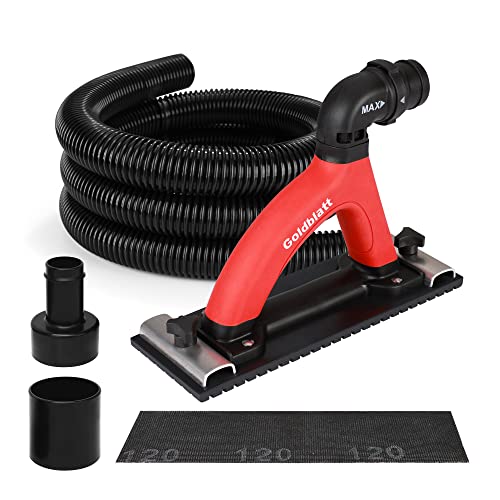
Goldblatt Dust Free Hand Sander Dustless Drywall Vacuum Sander
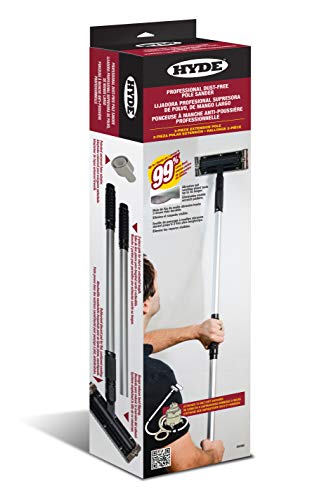
HYDE 09180 Dust-Free Vacuum Sander Professional Pole Sander

ZENY 800W Electric Drywall Sander Adjustable Variable Speed
More Details On Our Top Picks
Battery power gives this WEN model a clean fit for quick patch work, stairwell repairs, and the kind of touchups that don’t justify dragging a cord through the room. The brushless motor matters here because it usually means smoother output and less routine wear than older brushed designs, though cordless tools still ask you to keep an eye on battery charge.
You also get the battery and charger in the box, so you are not building the setup piece by piece. That makes it friendlier for newer DIYers, while experienced remodelers may still prefer a corded unit for longer wall runs.
What We Like
- Brushless motor design supports steadier use and less upkeep than basic brushed setups.
- Battery and charger are included, which makes the tool easier to put into service right away.
- Handheld format suits spot sanding in closets, corners, and tight rooms.
Small Caveats
- Battery tools trade endurance for freedom from cords, so long sessions can need a recharge break.
- Handheld reach is more limited than the pole-style models later in this list.
Core Details
Who It Suits Best
Weekend renovators and homeowners handling small drywall patches will get the most from this cordless setup.
A Better Fit Elsewhere
Gioventù Drywall Sander with Vacuum fits better for longer wall runs because the 26-foot cord keeps you from watching battery life.
Protmex leans into ceiling work, and that tells you a lot about its job. The 1000W motor, six speed settings from 800 to 2200 RPM, and LED light make it better suited to larger sanding areas where visibility and control both matter.
The foldable, extendable handle is the part that stands out for home projects, since ceiling sanding can feel awkward fast without the right reach. The trade-off is that a feature-heavy tool like this usually asks for a little more setup and storage space than a simpler hand sander.
Highlights
- High-wattage motor supports tougher sanding sessions and popcorn ceiling removal.
- Six speed settings give you room to slow down for detail work or speed up for broad passes.
- Foldable and extendable handle helps with ceiling reach and storage.
- LED lighting helps brighten shadowed work areas.
Points To Note
- More features usually mean a little more handling weight and setup time.
- Large-format sanding tools can feel less nimble in narrow hallways or around trim.
- The extra parts and discs need a bit more storage organization.
Feature Rundown
Who Will Love This
Home renovators tackling ceilings, textured surfaces, and broad wall sections will get the most value here.
Another Choice May Suit
WEN 20V Max Brushless Handheld Drywall Sander 20408 makes more sense for smaller repairs where cordless handling feels easier than a larger ceiling-focused tool.
CUBEWAY sits in the middle ground nicely, which helps when you need one sander that can move between walls, ceilings, and even floor-edge prep. The 780W motor is less aggressive than the biggest unit in this roundup, but the seven-speed range gives you more control over how fast the pad moves.
The LED light is a practical detail, not a flourish, because dim corners and overhead seams are where sanding accuracy starts to slip. You may find this a better fit than the Protmex model if you want a slightly simpler tool with broad-use appeal.
Best Bits
- Seven speed settings give you fine control across different drywall surfaces.
- LED light helps in shaded work areas and along ceiling lines.
- Works across walls, ceilings, and floors, so it has broad project range.
- The 780W motor keeps the tool substantial without pushing into the most aggressive class.
Worth Noting
- It is less forceful than the 1000W Protmex, so heavy texture removal can take longer.
- Multi-surface use can make cleanup and pad wear more noticeable over time.
Details At A Glance
Built With In Mind
DIY remodelers who want one machine for several rooms and surface types will find this a comfortable middle-ground choice.
Where A Sibling Pick Shines
DEWALT 20V MAX Cordless Drywall Sander DCE800B suits you better for cordless jobsite flexibility and a more pro-oriented setup.
DEWALT gives you the familiar cordless freedom that jobsite crews tend to value, especially when outlets are scarce or the work area shifts from room to room. Tool-only packaging means you are likely already invested in the battery platform, which is fine for experienced users but less convenient for first-time setup.
That trade-off is pretty normal with pro-leaning cordless tools, and it keeps the kit lean. For frequent remodels, the stronger brand ecosystem and cordless mobility can matter more than having everything in the box.
Strong Points
- Cordless layout keeps you moving without cord management.
- Tool-only format works well for anyone already using the same battery platform.
- Strong fit for jobsite-style drywall finishing and room transitions.
Softer Spots
- You need separate batteries and charger access, which adds setup cost and planning.
- Cordless runtime still depends on your battery capacity and job length.
Technical Sheet
Made For
Experienced remodelers and trades-focused users who already own matching batteries will get the cleanest fit here.
Look Elsewhere When
WEN 20V Max Brushless Handheld Drywall Sander 20408 is the easier starting point for a cordless setup that includes the battery and charger.
Gioventù stands out for reach, and the 26-foot cord is the detail that makes sense in larger spaces. The 7-speed range and 900 to 1800 RPM span let you slow things down for finishing passes or pick up pace across longer walls.
The labor-saving handle and patented fixture point to a tool built for overhead work, not just flat panels. That makes it useful for ceiling sanding in finished rooms, though the corded setup means you will want decent cable management as you move around.
Positives
- 26-foot cord gives you generous reach across rooms.
- Seven speed settings help you adapt to different sanding stages.
- Labor-saving handle supports longer overhead sessions.
- Patented fixture adds stability for ceiling work.
Areas To Watch
- Long cord management matters in tight rooms and around furniture.
- More reach can mean more setup space and a bit more cleanup afterward.
Feature Card
Right Fit For
Home remodelers dealing with larger rooms, ceiling patches, and longer sanding sessions will appreciate the reach here.
A Better Fit Elsewhere
Goldblatt Dust Free Hand Sander Dustless Drywall Vacuum Sander suits smaller detail work better, especially where you want a lighter hand tool and hose setup.
Goldblatt takes a simpler route, and that can be a relief for small projects. The 6.5-foot hose, sanding pad, and adapter keep the setup focused on hand sanding support rather than full-size machine coverage.
Because this is the most accessory-style pick in the lineup, it makes sense for people who already have a sanding workflow and want a cleaner connection to a vacuum system. For a small repair room or a careful corner pass, the lighter feel can be easier to live with than a pole unit.
Bright Spots
- Hand-sander format keeps the tool light and easy to place.
- 6.5-foot hose gives you workable reach to a vacuum connection.
- Adapter and sanding pad are included, which helps simplify setup.
Room For Improvement
- Accessory-style tools depend more on the rest of your sanding setup.
- The shorter hose reach can feel limiting in larger rooms.
Core Details
Whose Shelf It Belongs On
DIYers handling patch work, detail sanding, and smaller finishing chores will get the most from this simpler setup.
Swap It Out When
HYDE 09180 Dust-Free Vacuum Sander fits better for taller walls and ceiling work because the pole format gives you more reach.
HYDE is the reach-first option, and that suits ceiling seams, high walls, and broad overhead passes. A pole sander feels less compact than the Goldblatt hand setup, but the added extension matters a lot once ladders start becoming annoying.
You may find it especially useful in larger rooms where dust control and reach have to work together. The overall design stays straightforward, which is a plus for anyone who wants a purpose-built sanding accessory rather than a feature-heavy machine.
Best Bits
- Pole format helps you cover tall walls and ceilings.
- Dust-free design suits cleaner drywall finishing workflows.
- Straightforward build keeps the tool easy to understand and maintain.
Minor Gripes
- Extended reach is useful, but the tool is less compact for storage.
- It is more specialized than the full electric sanders in this roundup.
Quick Facts
The Right Fit
Contract-style DIY work and larger rooms with tall ceilings are the best match for this pole sander.
Where Shoppers Go Wrong
Gioventù Electric Drywall Sander with Vacuum 7 Variable Speed is the better all-around choice if you want a powered tool with more adjustment and cord length.
ZENY keeps things straightforward, and that is often what makes a budget-friendly sanding tool worth a look. The 800W motor and adjustable variable speed give you basic control for home drywall work without piling on extra complexity.
The six sanding pads are a practical inclusion, especially for someone finishing a small project over a weekend. The trade-off is simple: you get fewer premium touches than you do with DEWALT or Gioventù, but the core function is still well covered.
Upsides
- 800W power suits routine drywall sanding and patch prep.
- Variable speed helps you slow down for detail areas.
- Six sanding pads give you a starter set for repeat use.
Things To Consider
- It is less feature-heavy than the higher-priced sanders in this roundup.
- Accessory count is lighter, so you may need to plan future pad replacement.
Feature Snapshot
Built With In Mind
Homeowners handling occasional drywall repairs will appreciate the simple setup and lower-friction learning curve.
Another Choice May Suit
CUBEWAY Electric Drywall Sander with Vacuum Dust Collection is a better fit for you if you want more speed settings and a more versatile feature mix.
How To Choose The Right Drywall Sander With Vacuums
Corded Reach Or Cordless Freedom
Cordless sanders suit patch repairs, stairwells, and quick jobs where dragging a cord slows you down. Corded models make more sense for longer wall runs because they keep power steady over extended use.
Battery tools also ask you to think about charging and platform compatibility, especially with tool-only listings like the DEWALT. Corded tools are less portable, but they usually feel simpler once the work starts.
Power, Speed, And Surface Control
Motor power and speed settings shape how the tool behaves on real drywall. A stronger motor helps with texture removal or larger areas, while variable speed matters for finishing passes near corners, seams, and ceiling edges.
Higher RPM ranges can move material faster, but that only helps when you can still keep the pad controlled. For a small room, a simpler unit may be enough, while a full renovation often benefits from more adjustment.
Reach, Handling, And Job Size
Pole sanders and extendable handles are worth looking at for ceilings and tall walls. They reduce ladder moves and make overhead sanding less awkward, though they also take up more storage space.
Handheld styles are easier in closets, tight bedrooms, and small repair jobs. They trade reach for control, and that trade-off often works better than forcing a large tool into a cramped room.
Dust Collection And Cleanup Load
Vacuum dust collection matters most in finished homes, occupied spaces, and remodels where cleanup time matters. A hose, adapter, or built-in dust path can reduce how much powder settles on floors and trim.
The catch is that more dust control parts can mean more setup steps and more pieces to maintain. You get a cleaner work area, but you also want to store hoses, pads, and adapters in a way that keeps them easy to find.
What To Weigh Before You Click
Common Shopping Slip Ups
Many people focus on motor power and forget reach. A high-wattage tool still feels wrong in a ceiling-heavy room if the handle is too short or the setup is too awkward.
Another common miss is overlooking what comes in the box. Battery tools, pad sets, adapters, and hoses all change the real ownership experience, so the accessory list matters almost as much as the motor.
Where The Extra Money Goes
Higher-tier models usually pay for better ergonomics, more speed control, stronger reach options, and better dust management. Those details show up fast during larger jobs, where arm fatigue and cleanup time become part of the project.
That upgrade makes the most sense for frequent remodelers and anyone sanding ceilings or large rooms on a regular basis. For occasional patch work, a simpler model often does the job without asking you to spend for features you will barely use.
Frequently Asked Questions
Do vacuum drywall sanders really help with cleanup?
They usually help because the dust path is built into the tool or accessory setup. You still need some cleanup, but the mess tends to stay more contained.
Are cordless drywall sanders enough for larger rooms?
Cordless tools work well for spot repairs and smaller jobs. Larger rooms usually feel easier with a corded model or a tool that includes both battery and charger.
What matters more, motor power or speed control?
Both matter, but speed control often feels more useful on finished walls and ceiling seams. Power matters more when you are removing texture or covering broader sections.
Is a pole sander better than a handheld sander?
Pole sanders help most on ceilings and tall walls because they extend your reach. Handheld tools feel easier in tight rooms and for detail work.
Should you choose a tool with accessories included?
Yes, especially for a first setup, because pads, hoses, adapters, and batteries can add up fast. A more complete kit makes the job easier to start and easier to organize later.