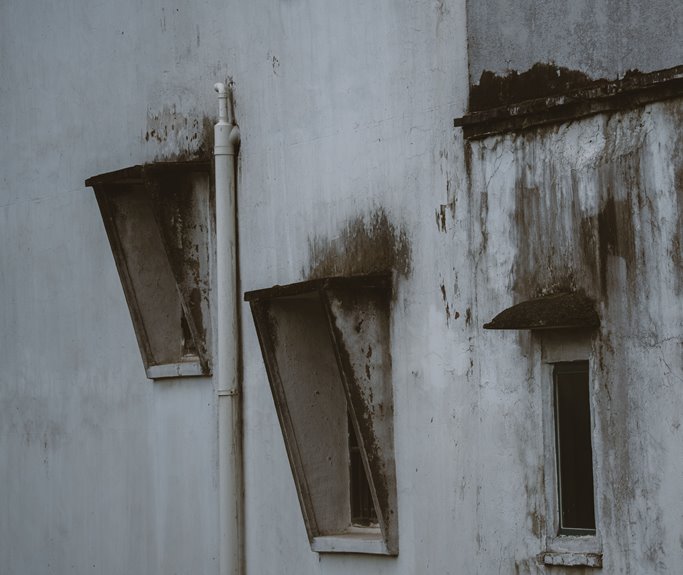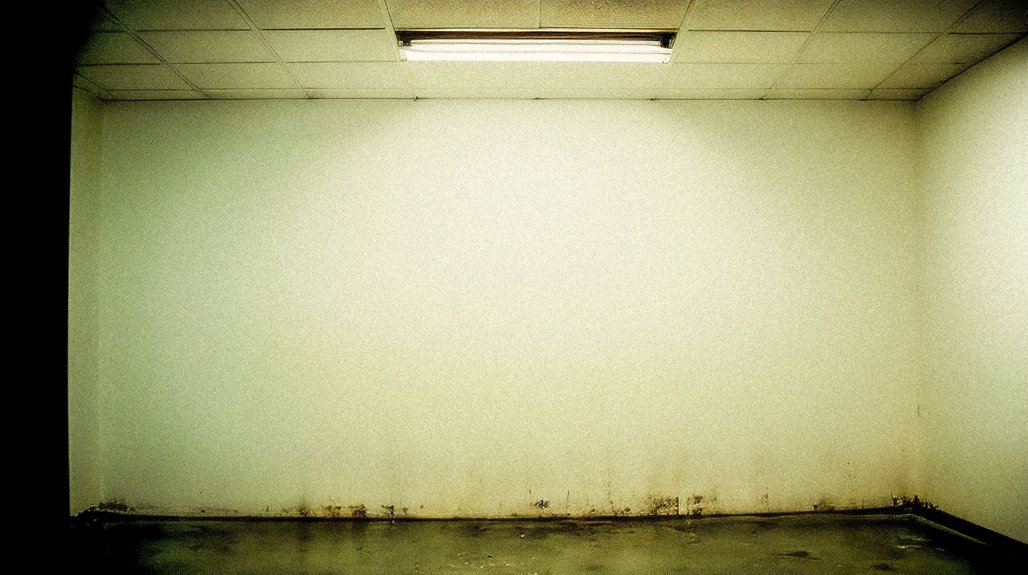
Ceiling stains usually come from water traveling along a path above the visible spot. Roof leaks, plumbing failures, overflowing tubs or washing machines, and trapped moisture can all leave similar marks. A stain that darkens after rain or showers signals an active leak above. Dry, faded stains often point to past leaks that no longer drip. Observing when the stain changes and tracing toward plumbing or roof areas helps narrow the source quickly.
Common Causes of Water Stains on Ceilings
In case you spot a water stain on your ceiling, it usually means moisture has slipped in somewhere it shouldn’t be. You’re not alone, and the problem often comes from roof leaks, pipe bursts, or a slow drip inside the walls.
Sometimes a loose seal around a vent or skylight lets rain in. Other times, a bathroom pipe or supply line breaks and sends water upward or across the ceiling.
Should the stain grow after storms, the roof might be the source. In the event it appears near a kitchen or bath, plumbing often needs attention.
You can feel better being aware these issues happen to many homes, and quick action can keep the damage from spreading. Small clues matter, and they can help you protect your space fast.
Leaky Roofs and Damaged Shingles
Whenever shingles crack, curl, or slip out of place, your roof can let water seep in long before you notice a drip.
You might feel fine inside, yet a small leak can quietly stain the ceiling and shake your peace of mind.
Damaged shingles often leave gaps that catch rain and wind. Then roof flashing around chimneys, vents, and valleys can fail, too, which gives water another path in.
Should gutter blockage make water back up along the edge, the damage can grow faster.
You’re not alone whenever this happens. Plenty of homes face it, and quick attention helps you protect your space.
Check for missing shingles, bent flashing, and dark patches after storms, so you can stop a small problem before it spreads.
Plumbing Leaks Above the Ceiling
Even though the shingles look fine, a ceiling stain can still come from a pipe, not the roof. You may notice a soft brown ring, a damp patch, or paint that bubbles. That often points to concealed piping above the ceiling, where a small crack can drip for days before you spot it.
Because the leak stays out of sight, water can travel along beams and show up far from the source. In some homes, attic seepage from a loose joint or corroded line adds to the mess. You can feel frustrated, but you’re not stuck guessing.
Check nearby ceilings, listen for faint dripping, and call a plumber soon. Quick action helps protect your home and keeps your space feeling safe again.
Bathroom and Laundry Room Overflows
A bathroom or laundry room overflow can soak a ceiling fast, and it often starts with a moment you barely notice. You’re not alone when this happens, and quick action helps your home feel safe again.
| Overflow source | Ceiling risk |
|---|---|
| Toilet bowl spill | High |
| Sink left running | Medium |
| Tub drain clog | High |
| Washer hose slip | High |
| Soap suds backup | Medium |
For overflow prevention, watch water levels and clear drains before you start a load. During laundry mishaps, shut off the machine, mop standing water, and check for wet baseboards or drips below. In the bathroom, keep an eye on slow drains and use small amounts of water when you assess fixtures. Provided you discover the mess promptly, you can protect your ceiling and avoid a bigger repair later.
When Condensation Causes Ceiling Stains
Whenever warm, moist air hangs around your home, it can leave humidity buildup that turns into ceiling stains.
You’ll often notice this where a cold surface meets that damp air, like near an attic edge or a poorly insulated spot.
In case your space doesn’t get enough ventilation, the moisture lingers, and those stains can show up before you even realize there’s a problem.
Humidity Buildup
Humidity buildup can quietly leave stains on your ceiling, and it often starts with simple indoor moisture that has nowhere to go. Whenever you notice it, you’re not alone, and you can fix the comfort in your space.
Watch for these clues:
- Steam lingers after showers.
- Air feels heavy in closed rooms.
- Ceiling spots spread slowly over time.
These humidity pockets can form in bathrooms, kitchens, and laundry areas, then drift upward and mark the surface. Use moisture mapping to track where damp air collects, so you can spot trouble initially.
Then, open windows, run fans, and keep doors ajar whenever you can. Small habits help your home feel fresher and keep your ceiling looking cared for, not overlooked.
Cold Surface Contact
Cold ceilings can make moisture show up in sneaky ways, especially after the air has been holding too much dampness. Whenever a ceiling stays cooler than the room, surface condensation can form and leave faint stains or damp patches. You could notice this near corners, beams, or spots with cold bridging, where heat slips out fast. That can feel frustrating, but you’re not alone, and it’s usually fixable.
| Spot | What you see | Why it happens |
|---|---|---|
| Ceiling edge | Ring-like mark | Cool surface |
| Beam line | Dark streak | Cold bridging |
| Corner patch | Soft dampness | Surface condensation |
| Paint finish | Blistering | Moisture beads |
| Dry area | Clear border | Uneven temperature |
If you catch these signs beforehand, you can protect your space and keep your home feeling comfortable.
Poor Ventilation
Poor ventilation can turn a small moisture problem into a stubborn ceiling stain, because damp air has nowhere to go and keeps settling on cooler surfaces.
Whenever your home traps stale air, you might notice the bathroom, kitchen, or laundry room feels muggy. That’s whenever condensation starts to collect and drip above you.
- Check for inadequate exhaust in fans and vents.
- Open windows whenever weather allows.
- Wipe away moisture after showers or cooking.
You’re not alone whenever this happens. Many homes struggle with airflow, especially in busy spaces where steam builds fast.
HVAC Leaks and Condensate Problems
Your HVAC system can quietly set the stage for ceiling stains once a leak or condensate problem starts inside it.
Whenever you skip HVAC maintenance, dust, clogs, and loose parts can block Condensate drainage and send water where it doesn’t belong. You may notice damp drywall, a soft spot, or a yellow ring that keeps growing near vents.
A cracked drain line, a dirty pan, or a frozen coil can all drip into the ceiling above you. That can feel frustrating, but you’re not stuck guessing.
Check the air handler, clear the drain, and watch for pooled water during startup. Should you catch it early, you protect your home and keep your space feeling safe, dry, and cared for.
Old Stain or Active Leak?
Sometimes a ceiling stain is just an old reminder, but other times it means water is still getting in. You can check the difference without feeling stuck. Look for these quick clues:
- The mark feels dry and looks flat.
- The color stays the same after rain.
- The spot grows, softens, or darkens.
An old discoloration often stays put and feels like part of the ceiling now. Active seepage usually changes over time, especially after storms, showers, or HVAC use. So, trust what you see and track it.
In case you live with others, you’re not alone in this worry. Many homes get a harmless stain, then a fresh leak later. Tape a small edge, jot the date, and watch for movement. That simple check can give you peace.
Signs of Mold, Rot, and Hidden Damage
Look closely at the stain, because mold often shows up as dark spots, a musty smell, or a fuzzy edge that keeps spreading.
You might also notice paint that bubbles, wood that feels soft, or drywall that starts to sag, and those are warning signs that damage could be hiding above the surface.
Once you catch these clues promptly, you can act before a small ceiling problem turns into a much bigger repair.
Mold Growth Indicators
Mold often shows up quietly after a ceiling water stain, and that’s why it pays to pay close attention to the details. You might notice a musty smell, dark specks, or fuzzy patches that seem to spread fast. Trust your gut; your home usually gives you clues before the mess grows.
- Check for green, black, or gray spots near the stain.
- Use spore identification when the color or texture looks unusual.
- Try humidity mapping to find damp spots that keep feeding growth.
Should paint start peeling or the area feel soft, you’re not imagining it. You belong in a dry, healthy space, and these initial signs help you act before the problem gets harder to handle.
Hidden Structural Damage
Even though the stain looks small, concealed damage can spread farther than you expect.
You might notice a soft ceiling spot, a musty smell, or paint that bubbles again after drying. Those clues often mean water has reached insulation, drywall, and wood above you.
Should you press the area and it feels spongy, structural rot could already be forming.
Dark rings, peeling tape, or tiny cracks can also point to concealed leaks that keep feeding the problem.
In older homes, you might even see joist corrosion near metal fasteners or pipes.
Don’t ignore these signs just because the room still feels normal. You belong in a safe home, so look closely, act quickly, and call a trusted pro before the damage grows quietly above your head.
What to Check Before Calling a Pro
Before you call a pro, take a close look at the stain and a few key clues around it, because that can save you time, stress, and money.
Start with a quick attic inspection whether you can reach it safely. Look for damp insulation, dark wood, or a drip trail that matches the spot below.
Then use this insurance checklist:
- Note the stain’s size, color, and edges.
- Check nearby lights, vents, and plumbing lines.
- Snap clear photos for your records.
In the event the stain feels soft, smells musty, or spreads after rain, you’ve got useful clues to share.
You’re not alone in this. A little prep helps you talk to the right person with confidence, and it makes the whole process feel less overwhelming.
How to Prevent Ceiling Water Stains
You can stop many ceiling water stains by staying ahead of the trouble that causes them in the initial instance. Start by checking your roof, attic, and plumbing often, especially after hard rain or freezing weather. Should you spot damp spots, fix them fast before they spread.
In bathrooms and kitchens, use ceiling sealants around weak seams and cracked edges so water can’t sneak in. Also, add moisture barriers in places that collect steam, since they help protect the ceiling from concealed dampness. Keep gutters clear, trim nearby branches, and make sure vents move air well.
Once you care for these small details, you protect your home and feel more settled. That steady attention can save you from a soggy surprise later.
Frequently Asked Questions
How Quickly Can Ceiling Stains Spread After a Leak Starts?
They can spread within hours as the leak progresses; you are not the only one to spot it. Moisture mapping helps you track the damage quickly so you can act before the stain grows and the ceiling weakens.
Can a Small Ceiling Stain Disappear Without Repairs?
No, you usually can’t make it vanish; it’s like a scar on your ceiling. When you fix minor condensation and improve attic ventilation you’ll protect your home and feel confident with your crew.
Do Ceiling Stains Always Mean Hidden Structural Damage?
No, you can’t assume every ceiling stain means concealed structural damage, but you should still inspect it quickly. You might encounter mold risk, and insurance claims often need prompt documentation from you.
Are Ceiling Stains More Common After Heavy Rain or Snowfall?
Heavy rain usually causes more ceiling stains, though snowfall can too as it melts and when ice dams build up. You’ll spot issues faster with post storm inspections and seasonal maintenance, and you’re not alone there.
Can Paint or Texture Hide a Water Stain Temporarily?
Yes, you can use stain masking or surface repainting to hide it temporarily, but you will still need to fix the source. You deserve a ceiling that feels welcoming, not worry covered.