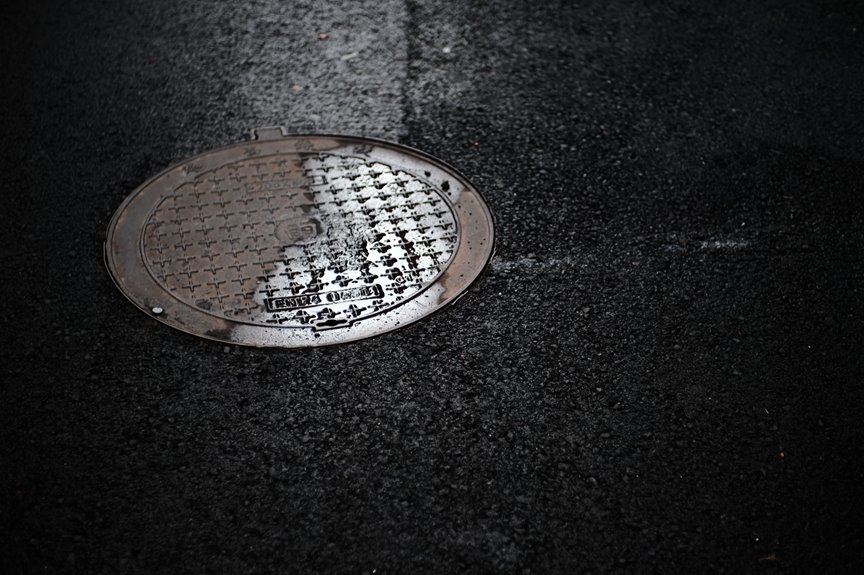
A rotten egg smell in a house usually comes from hydrogen sulfide gas. That scent can signal a natural gas leak, a sewer or drain problem, or bacterial activity in hot water heaters. Dead animals in walls or vents also produce a similar odor. Quick checks of gas lines, vents, and water heaters help pinpoint the source. Some causes are easy fixes, while natural gas leaks require immediate professional attention.
Why Does My House Smell Like Rotten Eggs?
Should your house smell like rotten eggs, it usually means something needs attention right away, and you’re right to take it seriously.
You might be noticing sulfur chemistry at work, since some smells come from drains, water lines, or concealed moisture. Sometimes, old plumbing traps let odors drift into rooms, and stale water can make the scent stronger.
In other cases, spoiled food, a dirty garbage disposal, or damp areas can mix with indoor allergens and make the air feel heavy too.
You don’t have to guess alone. Start by noticing where the smell is strongest, at what times it shows up, and whether one room seems worse. That small pattern can help you feel calmer and point you toward the source faster.
Check for a Gas Leak First
Assuming your house smells like rotten eggs, treat it as a possible gas leak right away because that odor can signal a serious danger.
Look for other signs like a hissing sound, dizziness, or dead plants near gas lines.
In case you notice any of these, leave the house fast, avoid switches or flames, and call your gas company or emergency services from outside.
Gas Leak Signs
A rotten egg smell can feel alarming, and your initial move should be to check for a gas leak. Should you notice a strong sulfur scent, listen for hissing near appliances, walls, or meters.
You might also see dead houseplants, dust blowing from cracks, or a pilot light that keeps going out. These signs often point to natural gas escaping into your home.
Because gas issues can overlap with poor air quality, keep carbon monoxide monitoring working too. Should the smell seem stronger in one area, that clue matters.
Trust your senses and stay calm. You’re not overreacting; you’re doing what careful neighbors do. The sooner you spot these signs, the easier it’s to understand what’s happening in your space.
Immediate Safety Steps
As soon as that rotten egg smell hits, don’t wait to see whether it fades on its own. You could be facing a gas leak, and your next moves matter for fire safety and your peace of mind. To begin, stop using switches, lighters, and phones inside. Then follow these steps:
- Open doors and windows provided you can do it safely.
- Leave the house with everyone, including pets.
- Call your gas company or 911 from outside.
Should you already use gas detectors, check them only after you’re out. Their warning can help confirm danger, but your nose is often the initial clue. Stay calm, move fast, and trust the concern you feel. Your home should feel safe, and your family deserves that care.
Find the Rotten Egg Smell in Drains
Next, check your drains, since a dry trap can let sewer gas slip back into your home and bring that rotten egg smell with it.
Run water in sinks, tubs, and floor drains you don’t use often, because that simple step can refill the trap and block the odor.
Should the smell fades after that, you’ve likely found the problem, and that’s a pretty good win for such a stubborn stink.
Dry Drain Traps
Should you catch a rotten egg smell near a sink, tub, or floor drain, a dry drain trap could be the reason. You’re not alone, and this fix is often simple. Whenever water in the trap dries out, odors can slip into your room. Check these spots initially:
- Pour a cup of water into unused drains.
- Run water in guest baths and laundry sinks weekly.
- Watch for dry traps after heat, travel, or low use.
If the smell fades, you’ve likely found the issue. Also, make sure nearby plumbing vents aren’t blocked, since they help your drains breathe and work right.
A little water can bring back comfort fast, and that’s one less mystery for your home.
Sewer Gas Buildup
Whenever the rotten egg smell keeps coming back from your drains, sewer gas buildup could be the real problem. You’re not imagining it, and you’re not alone. This smell often means gases are slipping past weak water seals or blocked plumbing vents.
Those vents help your drains breathe, so whenever they’re clogged, sewer odor can push into your home.
In case you use septic systems, a backup or vent issue can make the smell stronger. Start by running water in every drain, then check for slow sinks, gurgling pipes, or loose drain covers.
Next, look outside for vent blockages from leaves or nests. Should the odor persist, call a plumber fast. You deserve a home that smells clean, calm, and welcoming.
Why Sewer Gas Smells Like Rotten Eggs
Sewer gas smells like rotten eggs because it often contains hydrogen sulfide, a gas that forms as waste breaks down without enough oxygen.
Whenever you notice that sharp odor, you’re not imagining it, and you’re not alone.
It usually comes from sewage decomposition, and the smell can spread fast through drains or cracked lines.
- Hydrogen sulfide gives off that familiar sulfur scent.
- Sewer air can carry other waste gases too.
- A dry trap can let odors move into your home.
You deserve a home that feels safe and welcoming, so it helps to treat this smell as a real warning sign.
Even a small leak or blocked vent can let the odor drift in and make your space feel off.
How a Water Heater Causes Sulfur Odors
Your water heater can make your home smell like rotten eggs whenever the anode rod reacts with sulfur in the water and creates hydrogen sulfide gas.
You could also notice that bacteria can grow inside the tank, especially provided the water sits too long or the heat is set too low.
Once these two issues team up, the smell can get strong fast, but fortunately it usually has a fix.
Anode Rod Reaction
A water heater can be the sneaky source behind that rotten egg smell, and the anode rod is often the reason. You’re not imagining it, and you’re not alone.
Whenever the rod fights anode corrosion, it slowly gives up to protect the tank. As magnesium depletion grows, the metal reaction can release sulfur-like odors into your hot water.
- The smell might show up only at taps fed by hot water.
- The odor can get stronger after the heater sits unused.
- A worn rod often means the tank needs attention soon.
You can feel relieved understanding this problem is common and fixable. A plumber can check the rod, swap it when needed, and help your home smell clean again.
Bacteria in Tank
Once bacteria settle inside a water heater tank, they can turn an ordinary plumbing problem into that awful rotten egg smell. You might notice it most whenever you initially turn on hot water, because anaerobic bacteria thrive in low-oxygen spaces and feed on sulfur compounds. As they grow, they build tank biofilm on the inner walls, and that slimy layer helps the odor linger.
| Sign | What it means |
|---|---|
| Strong smell | Bacteria are active |
| Hot water only | Tank likely at fault |
| Slime buildup | Biofilm might be present |
| Worse after sitting | Stagnant water helps growth |
| Cleaner flush helps | Tank needs attention |
You’re not stuck with it, though. A simple flush, higher temperature setting, or professional cleaning can help you feel at home again.
Test Your Tap Water for Sulfur
Should that rotten egg smell seems strongest at the sink, start by examining your tap water for sulfur, because hydrogen sulfide can slip into your plumbing and make the whole house feel off. You’re not imagining it, and you’re not alone. Try this:
- Fill a clean glass and smell it right away.
- Let the water run, then check again.
- Use home testing strips or send a sample for lab analysis.
In case the odor shows up only in cold water, your water supply could be the source.
In case it stays in hot water too, the issue might sit in your heater or lines.
Either way, you can take control. A simple check helps you feel less stuck and more certain about what your home needs next.
Look for Rotten Egg Smells From Electrical Issues
Provided the rotten egg smell doesn’t come from your water, it’s time to check your home’s electrical system, because some electrical parts can give off a sulfur-like odor as they overheat or fail. You’re not alone in this worry, and a quick check can help you feel safer. Look at outlets, switches, and your breaker panel for heat, scorch marks, or buzzing. Those signs can point to electrical arcing or insulation breakdown.
| Area | What you notice | Why it matters |
|---|---|---|
| Outlet | Warm faceplate | Concealed fault |
| Switch | Crackling sound | Arcing risk |
| Panel | Burning smell | Overload sign |
Supposing you spot any of these, turn off power to that circuit and call a licensed electrician right away.
Check for Mold, Pests, or Dead Animals
Next, check for mold, pests, or a dead animal, because all three can leave behind a strong sulfur-like odor that’s hard to ignore. You’re not alone should that smell make you uneasy. Start with a quick scan in damp corners, attics, and behind stored items.
Then, use this simple list:
- Look for dark spots, musty patches, or peeling paint.
- Notice droppings, nesting material, or chewed packaging.
- Check for concealed carcasses in walls, vents, or crawl spaces.
In case you spot mold, arrange mold remediation soon so the smell doesn’t spread. Should you see signs of insects or rodents, schedule a pest inspection right away. Whenever you catch the cause promptly, your home feels safer, cleaner, and more like the place where you belong.
Fix Rotten Egg Smells From Drains and Pipes
A sewer-like rotten egg smell often starts at the drains or in the pipes, so don’t panic just yet. You can often fix it with simple drain maintenance.
Initially, run water in sinks, tubs, and floor drains to refill dry traps. Then clean the stoppers and remove trapped gunk, because buildup can hold odors like a tiny stink clubhouse.
Next, pour hot water down the drain and follow with a safe cleaner when needed. Should the smell lingers, try pipe flushing by running water for a few minutes to clear stale debris.
Also check for loose fittings under sinks and tighten them. Should one drain smells worse, focus there to begin.
With a steady routine, you can keep your home feeling fresh and welcoming.
Remove Sulfur Smell From Water
At the time your tap water smells like rotten eggs, the problem usually points to sulfur, not the whole house. You can often calm that smell with a few smart moves that fit your home and your routine.
- Examine the water initially so you know whether sulfur is the cause.
- Flush your cold tap, then check whether the smell fades.
- Add activated carbon filtration to catch odor and improve taste.
In case the odor keeps coming back, iron bacteria could be part of the mix, and they can make water feel swampy too. That’s frustrating, but you’re not stuck with it. A nearby water specialist can help you match the right fix to your system, so your kitchen feels fresh again and your family can trust every glass.
Stop Rotten Egg Smells Safely
As soon as you’ve ruled out the water source, the safest move is to look at the rest of your home without making the smell worse. Open windows for natural ventilation and let fresh air move through rooms, hallways, and closets. You can also place odor absorbers, like baking soda or activated charcoal, near the strongest spots.
Check trash cans, drains, laundry, and concealed food in cabinets, since these can trap the smell and make you feel boxed in. In case you find a source, clean it gently and keep the area dry. Wear gloves should you need to handle anything messy.
Keep fans running for steady airflow, but don’t mix strong cleaners, because that can create another problem. With a calm, step-by-step approach, you can take back your space and breathe easier.
When the Rotten Egg Smell Is an Emergency
When the rotten egg smell hits you hard, lingers near a gas appliance, or comes with dizziness, nausea, headaches, or trouble breathing, treat it like an emergency right away. You’re not overreacting; you’re protecting your people.
- Leave the area fast and avoid switches, flames, and phones.
- Call emergency services or your gas company from outside.
- Follow evacuation timing and emergency protocols exactly, then wait for clear instructions.
Should neighbors ask what’s wrong, tell them you smell gas and need space. That simple step helps everyone stay safe.
Stay together if you can, and help kids, older adults, and pets move out calmly. Trust your senses here. Whenever the smell feels strong and your body feels off, it’s time to act, not speculate.
How to Keep Your House Smelling Fresh
Once you’ve ruled out a gas emergency, the next step is to help your home smell clean again, and that starts with finding the source instead of masking it. Open windows for natural ventilation, then let fresh air move through each room. Use this simple plan:
| Step | What you do |
|---|---|
| Clean drains | Flush sinks with hot water and scrub buildup. |
| Wash fabrics | Launder rugs, curtains, and pet bedding. |
| Freshen air | Try scented diffusers with light, clean scents. |
You can also take out trash often, wipe spills right away, and empty the fridge before odors spread. Whenever you stay on top of these small tasks, your home feels calmer and more welcoming. That matters, because you deserve a space that feels like yours, not one that hides stale surprises.
Frequently Asked Questions
Can Rotten Egg Smells Come From New Furniture?
Yes, your new furniture can smell like rotten eggs from off gassing furniture, especially manufacturing adhesives. You’re not alone; many people notice this initially, and the odor usually fades as materials air out.
Why Does the Smell Get Stronger at Night?
Night falls like a curtain, and you’ll notice sulfur accumulation as ventilation patterns slow. Your home traps odors, so the smell seems stronger then. You are not alone; many households experience this nightly shift.
Can Weather Changes Affect Sulfur Odors Indoors?
Yes. Weather changes can worsen indoor sulfur odors. You may notice temperature swings and humidity shifts pull smells from drains, soil, or cracks more strongly, making your home feel off; you are not imagining it.
Do Houseplants Ever Cause Rotten Egg Smells?
Yes, your houseplants can sometimes create a faint funk if soil microbes or root decay kick in. You’ll likely feel less alone once you notice soggy soil, since overwatering often invites that unwelcome aroma.
Could Nearby Construction Cause a Sulfur-Like Smell?
Yes, nearby construction can cause that smell whenever heavy equipment and soil disturbance release sulfur compounds. You are not alone; neighbors often notice it too. If it is strong or persistent, you should investigate promptly.