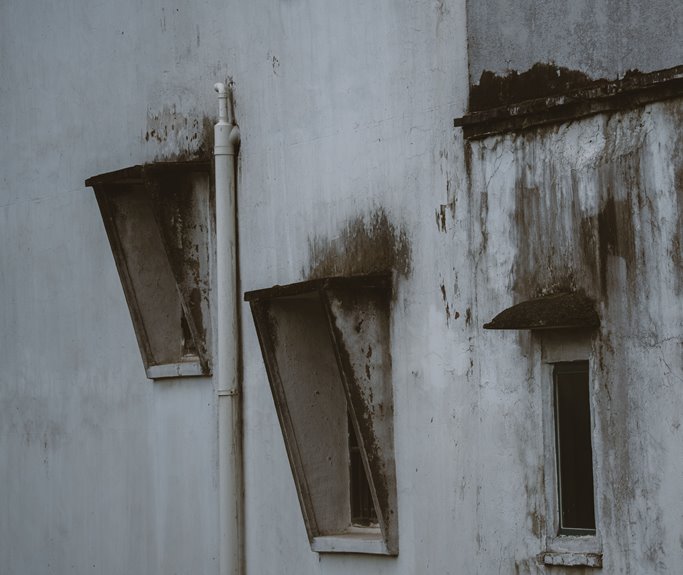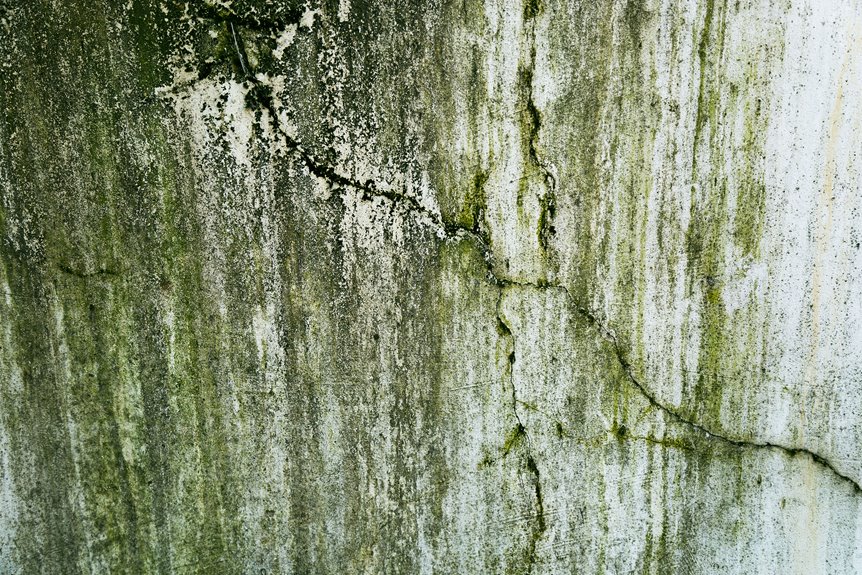
Black mold grows where excess moisture meets organic materials like drywall, wood, and fabric. Common causes include small leaks, poor ventilation, persistent indoor humidity, and condensation in enclosed spaces. Spores settle on damp surfaces and expand over days to weeks without visible signs. Early detection of moisture sources stops spread and reduces health risks. Practical steps such as fixing leaks, improving airflow, and controlling humidity keep mold from taking hold.
Main Causes of Black Mold in Homes
Most often, black mold starts once moisture stays trapped in the home for too long. You might notice it in damp corners, dark closets, or rooms that never fully dry. Poor ventilation can let humidity build up, and that gives mold a quiet place to grow.
Whenever warm air meets cool surfaces, condensation can also feed the problem. In homes with little airflow, even small damp spots can spread fast. That’s why Air quality screening helps you spot concealed trouble before it feels normal.
Should you live below grade, Basement remediation can clear out the conditions that keep mold coming back. You deserve a home that feels safe and comfortable, not one that keeps trialing your patience.
Leaks That Lead to Black Mold
Leaks often start small, but you can’t ignore concealed plumbing drips because they soak walls and floors long before you see the damage.
Roof leak damage can spread water into attics and ceilings, while window seal failures let rain creep in around frames and feed mold growth.
Once you catch these leaks promptly, you give black mold far less chance to settle in and spread.
Hidden Plumbing Drips
Quietly dripping behind walls or under sinks, concealed plumbing leaks can feed black mold before you ever notice a problem. You might hear faint tapping, see warped cabinets, or smell a musty hint that feels off.
Even slow drips from loose joints and pinhole leaks in older pipes can keep wood, drywall, and insulation damp long enough for mold to spread. Should you spot peeling paint, soft spots, or a rising water bill, act fast.
Check shutoff valves, inspect supply lines, and dry any wet area right away. Then call a plumber should the source stay concealed. Once you catch these leaks sooner, you protect your home and help your family feel safe, comfortable, and truly at home.
Roof Leak Damage
A small roof leak can turn into a big mold problem before you realize what’s happening.
You could see a stain on the ceiling, but water often spreads into insulation and wood first. That trapped moisture creates the perfect spot for black mold to grow.
In case you notice soft spots, musty smells, or peeling paint, check for roof rot and gutter overflow right away.
Whenever gutters back up, water can slip under shingles and soak the framing. Then your attic and walls stay damp, and mold can settle in fast.
You deserve a home that feels safe and cared for, so act promptly and fix leaks before they spread. Quick repairs and dry materials help you keep your space healthy and welcoming.
Window Seal Failures
Whenever roof problems are left alone, the next weak point is often your windows, since bad seals can let water creep inside just as easily. You may notice foggy glass, soft trim, or a musty smell near the frame. Those signs matter because even small leaks can feed black mold fast.
As soon as caulk cracks or weatherstripping wears out, water slips into concealed spaces and creates condensation pockets. Cold window edges can also cause thermal bridging, which makes nearby surfaces sweat and stay damp.
In case you catch these changes early, you protect your home and your peace of mind. So check seals after storms, fix gaps right away, and keep indoor air moving. That way, your windows stay dry, and your space stays healthier for everyone.
Poor Bathroom and Kitchen Ventilation
Poor bathroom and kitchen ventilation gives black mold the damp, still air it loves. Whenever you skip the exhaust fan, steam hangs around after showers and cooking. That trapped moisture settles on walls, ceilings, cabinets, and grout, so mold can get a head start.
You might notice a musty smell, dark spots, or peeling paint near sinks and tubs. In kitchens, missed vent use lets grease and moisture mix, which gives mold another place to grow.
Good airflow helps your home feel fresher and safer, and you don’t need fancy gear to start. Run the fan during and after use, keep doors open whenever you can, and check duct cleaning should airflow feels weak. Small habits like these protect your space and your peace of mind.
How Flooding and Condensation Lead to Mold
Flooding can set up black mold fast because it soaks building materials and leaves concealed moisture behind. You might feel inundated, but quick action can help you protect your home and your people. Start floodwater sanitation right away by removing damaged items, drying surfaces, and cleaning with care.
Water can hide in walls, floors, and insulation, so you’ll want to check every spot that stayed wet. Then look for condensation mapping, which helps you trace cool areas where droplets collect and feed mold growth. Once you understand how water moved, you can stop it from settling again.
Stay steady, work methodically, and trust that each careful step makes your space safer, cleaner, and easier to live in.
High Indoor Humidity and Moisture Buildup
After you’ve dried out flood damage, the next trouble often shows up in the air itself. Whenever your home stays humid, black mold can get a steady lift from damp, stale conditions.
You might feel it initially as sticky rooms, foggy windows, or that heavy smell that never quite leaves. Indoor humidifiers can help comfort you in winter, but too much use can raise moisture fast. That’s why moisture meters matter. They help you check whether your rooms are holding too much water.
Should readings stay high, you can lower humidity with better airflow, shorter showers, and less indoor drying of clothes. Small changes add up, and they help you protect the space where you and your family should feel safe, relaxed, and right at home.
Where Black Mold Hides in Homes
Black mold doesn’t just grow in one obvious spot and call it a day. It often hides where you rarely look, so you can feel blindsided upon finding it. Check behind furniture, under sinks, around window frames, and along bathroom edges.
In the attic, watch for damp attic insulation near roof leaks or poor airflow. Down low, basement corners often stay cool and still, which gives mold a quiet place to spread.
You should also look inside closets, around vents, and behind stored boxes that block air. If you spot dark patches, a musty smell, or peeling paint, trust your gut and inspect closer. You’re not being overly cautious. You’re protecting your home and giving your family a cleaner, safer place to belong.
Materials That Attract Black Mold
Wet wood, paper, and drywall are like a welcome mat for mold, because they soak up moisture fast and hold it longer than you’d expect.
You’ll also want to watch paper products, cardboard, ceiling tiles, and insulation, since they give mold a soft place to spread.
Natural fabrics like cotton, wool, and linen can do the same when they stay damp.
In your home, these items might seem harmless, but they can quietly support mold whenever leaks, spills, or humidity linger.
So, should you want your space to feel safe and welcoming, keep these materials dry and replace anything that stays wet too long.
That simple habit helps you protect the rooms you share and the comfort you count on each day.
Signs Black Mold Is Growing in Your Home
Often, the initial signs of black mold show up as little clues your home gives you before the problem grows.
You could notice a musty odor that lingers in bathrooms, basements, or around windows. Dark spots can appear on walls, ceilings, grout, or behind furniture, and they can spread fast.
You might also feel allergy symptoms like sneezing, coughing, itchy eyes, or a stuffy nose whenever you spend time in one room.
Sometimes, paint bubbles, wallpaper peels, or wood looks damp and stained.
Should the air feel heavy or one area seems worse than the rest, trust that feeling. Your home often speaks initially, and you deserve to catch the message promptly and keep your space comfortable for everyone who lives there.
How to Prevent Black Mold From Returning
To keep black mold from coming back, you need to control indoor humidity so moisture doesn’t settle into your walls, floors, or air.
Aim to keep your home dry with good ventilation, a dehumidifier in case needed, and a close eye on damp rooms like bathrooms and basements.
Also, fix leaks quickly because even a small drip can give mold the water it needs to return.
Control Indoor Humidity
Keep indoor humidity in check, and you cut off one of mold’s favorite helpers.
Aim for 30 to 50 percent indoor moisture, so your rooms feel fresh, not damp. Use a hygrometer to spot trouble promptly, then adjust fast.
For smart dehumidifier placement, set it where air stays still, like basements or laundry rooms, and keep doors open so dry air can move. Also, schedule air exchanger maintenance so it keeps bringing in cleaner, drier air instead of trapping moisture.
Run bath fans during and after showers, and vent kitchen steam right away.
In sleeping areas, give closets and corners a little airflow, too.
Whenever you stay steady with humidity, you make your home a place where your people can relax without mold sneaking back in.
Fix Leaks Quickly
Once you’ve brought indoor humidity under control, the next move is to stop leaks before they give mold a place to settle in.
Check under sinks, around toilets, and behind washers each week. Should you spot drips, stains, or soft drywall, make quick repairs right away, even though the leak seems small. Water can hide in walls and keep feeding black mold.
Next, look at roofs, windows, and basement cracks after storms, because a tiny opening can turn into a bigger mess fast. Whenever you can’t find the source, call for professional inspections so you and your home stay protected.
That extra set of eyes can catch problems you could miss, and it helps your space feel safe, dry, and truly yours again.
Frequently Asked Questions
Can Black Mold Affect Pets Differently Than Humans?
Yes, it can affect your pets differently because pet sensitivity and immune response vary. You may see more or fewer symptoms than you experience, so trust your bond and watch for coughing, sneezing, or lethargy.
How Quickly Can Black Mold Start Growing After a Leak?
Black mold can start growing quickly, sometimes within 24 to 48 hours after a leak provided conditions stay damp. You should act quickly; spore germination timing accelerates in warm, wet spaces, and you are not alone.
Does Black Mold Always Have a Noticeable Smell?
No, you won’t always notice a smell. You might detect a musty odor, but olfactory variability means some black mold stays scentless. Trust your instincts, and if something feels off, you’re not alone — check it.
Are Certain Home Ages More Prone to Black Mold?
Yes, older homes are often at higher risk, but newer construction can also trap moisture. You can promote a healthier home by checking for leaks, improving ventilation, and controlling humidity regardless of the house age.
Can Black Mold Grow Behind Walls Without Visible Water Damage?
Yes, like a quiet guest, it can thrive behind walls. You may miss concealed colonies in structural pockets even without visible water damage, so you are not alone; you will want to inspect for odors, leaks, and dampness.