Address
304 North Cardinal
St. Dorchester Center, MA 02124
Work Hours
Monday to Friday: 7AM - 7PM
Weekend: 10AM - 5PM
Address
304 North Cardinal
St. Dorchester Center, MA 02124
Work Hours
Monday to Friday: 7AM - 7PM
Weekend: 10AM - 5PM

Assuming your house smells dusty, you’re usually coping with more than just a little dirt. Dust hides in quiet places like under beds, behind furniture, in vents and inside carpets and curtains, where it can hold stale odors for weeks. Dry air, weak airflow and clogged filters can make that smell stick around too. Fortunately, once you know where it starts, you can start clearing it out and the fixes are often simpler than they seem.
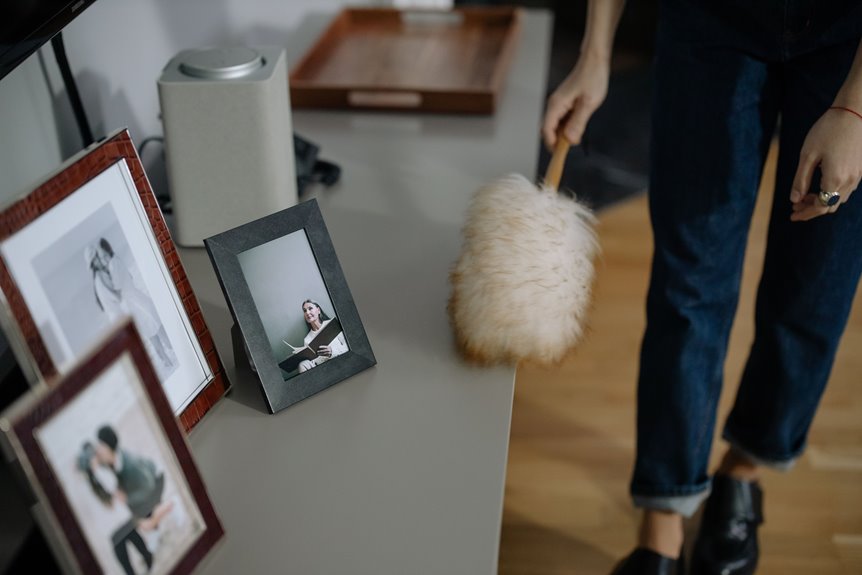
A dusty smell in a house comes from accumulated dust trapping stale odors in fabrics, carpets, and vents. Dust builds up in low-traffic spots like under beds, behind furniture, and inside HVAC systems. Dry air and poor ventilation make those odors linger longer. Clogged filters and dirty ducts circulate dust and its smell around rooms. Regular cleaning, better airflow, and filter changes remove the source and refresh indoor air.
A dusty smell can creep into your home and make the whole place feel stale, even though it looks clean.
You usually notice it whenever air sits still, fabrics hold onto odors, and tiny particles build up in everyday spaces.
Carpets, curtains, and furniture often trap dust, so the scent lingers and spreads.
Should you keep old books on shelves, their paper can add a dry, musty hint.
Pet dander can join in too, especially whenever your furry friend naps on beds or couches.
Even fresh rooms can start to smell off whenever you don’t move air around often.
You’re not imagining it, and you’re not alone.
With a little care, your home can feel warmer, fresher, and more inviting.
Dust can hide in the places you rarely check, and those concealed spots often hold onto that stale smell.
Look behind furniture, under beds, and along vents, because these hard-to-reach areas collect dust fast.
Whenever you clean them, your home can start to feel fresher straight away.
Concealed dust traps can make your home smell stale even although the rooms look clean, and that can be frustrating although you’ve already swept, wiped, and vacuumed. You may not notice dust hiding in attic insulation, behind appliances, or inside closed storage spots, but those places can still send a dusty smell through your rooms.
To fight back, check these tucked-away areas during your regular cleaning routine. Whenever you move a fridge or pull out a dryer, you give trapped dust less room to settle and spread. Also, fresh air helps, so open windows possibly you can and let the space breathe.
You’re not alone in this. Many homes deal with the same problem, and a few careful habits can make your place feel cleaner and more welcoming.
Hard-to-reach spots can hold onto dust long after you clean the open surfaces, and that can keep your house smelling stale. You’re not missing something obvious; dust just settles where your eyes don’t go. Whenever you clean these concealed places, you help your home feel fresher and more welcoming.
Use a vacuum with a hose or a damp cloth to reach tight spots. Then open windows for a little fresh air.
You don’t have to tackle everything at once. A few careful passes can make your space feel more like home.
A clogged HVAC filter or vent can make your whole house feel stale fast, and the smell often shows up before you even notice the problem.
Whenever clogged filters trap dust, your system keeps pushing that grit back into your rooms. A vent blockage can do the same thing, so you might smell a dusty puff each time the air starts.
Check your filter initially, since a dirty one can spread odors and strain your system. Then look at vents for buildup, pet hair, or furniture blocking airflow.
You don’t need to handle this alone, either. A quick cleaning or filter change can help your home feel fresher and more welcoming again, like everyone can breathe easier together.
Whenever dry air settles into your home, it can make dusty smells linger longer and spread farther. You might notice that the air feels sharp, and the room seems less fresh. That happens because low moisture lets odors float instead of settling down.
If you lift moisture a little, you help your home feel calmer and more welcoming. That small change can make it easier for your family to breathe well and feel at ease together.
Thick carpets, soft curtains, and stuffed furniture can hold a lot more dust than you might believe, and that trapped buildup often keeps a room smelling stale. You might notice it most whenever you sit down and the air feels a little heavy.
Dust settles deep in fibers, then works into carpet padding, where it lingers and feeds fabric mites. Your sofa, rugs, and drapes all act like quiet collectors, so even a tidy room can hide plenty of debris.
Because these materials touch daily life, they also hold skin flakes, pollen, and pet dander. That mix can make your space feel less fresh and less welcoming. Once you understand where the smell lives, you can care for your home with more confidence and ease.
Start by airing out stale rooms so trapped smells can move out and fresh air can move in.
Then vacuum your soft surfaces well, since dust loves to conceal in carpets, couches, and curtains.
After that, clean concealed dust traps like vents, baseboards, and behind furniture, because those sneaky spots can keep the smell hanging around.
Cracking a few windows can make a dusty room feel fresh again fast. Whenever stale air lingers, you don’t have to live with that heavy, old smell. Let clean air move through the space, and you’ll feel the shift almost at once.
This simple airflow helps your home feel calmer and more lived in, not trapped. Assuming the weather is mild, try airing out rooms daily.
You’re not just chasing odors. You’re making your space feel like it belongs to you again.
Vacuuming soft surfaces can clear out dusty odors faster than almost anything else, because fabric holds onto tiny particles like a sponge holds water.
You can start with sofas, chairs, curtains, and rugs, and you’ll often notice the room feels fresher right away. Use the upholstery tool and move slowly so your vacuum can pull out more dust.
Then refresh cushions and removable covers, and should the smell still hang on, try steam cleaning for a deeper clean.
After that, let everything dry fully so new odors don’t settle in.
You can also use fabric protectors to help surfaces resist future buildup.
Whenever you care for these shared spaces, your home feels more welcoming, and you get that clean, comfortable feeling everyone wants.
Even after you’ve freshened up sofas and rugs, dusty smells can still lurk in the places you don’t notice every day. You’re not alone, and you can chase them out fast with a few focused moves.
As you clear these concealed spots, the air starts to feel fresher, and your home feels more like your own.
To keep dust smells from creeping back, you need to make cleaning a steady habit instead of a one-time fix. Wipe surfaces weekly, and vacuum carpets and vents so dust never settles long enough to get stale. Use seasonal maintenance to check filters, wash bedding, and clean behind furniture, because concealed buildup can spread fast.
Provided that you have pets, stay ahead of pet dander with regular grooming and more frequent floor care. Next, keep humidity low, since damp dust smells stronger and lingers longer. Also, open windows whenever weather allows, and let fresh air move through rooms. Finally, store clutter in closed bins, so dust has fewer places to lurk. As long as you keep at it, your home starts to feel fresher and more welcoming.
Yes. Dusty smells can signal concealed mold or musty mildew. About 1 in 4 homes has moisture problems, so you are not alone. Check damp spots, clean filters, and inspect walls, basements, and bathrooms soon.
Yes, you can reduce dusty odors with air purifiers that use HEPA filters and activated carbon. You will trap particles and absorb smells, helping your home feel fresher and more welcoming for everyone.
You’re noticing more odor because vacuuming can stir up dust, bake off particles, and release textile fibers into the air; ironically cleaning initially makes the smell stronger. Keep vacuum filters fresh and you’ll fit in with fresher rooms.
Yes, your pets can make your house smell dusty. Their pet dander, fur, and litter odor can linger in carpets and vents, so you will want to groom often, clean regularly, and air things out.
Yes, dust’s smell can shift with weather, like a blanket changing weight. You’ll notice stronger seasonal pollen and humidity odors in damp months, while dry air can make musty nuances feel sharper and more familiar.
