Professionally staged properties sell faster, attract stronger offers, and recoup their upfront cost through measurable gains in sale price, according to consistent data across multiple studies. Industry surveys from the National Association of Realtors and the Real Estate Staging Association place the average premium between 5% and 15% over asking, while staged listings routinely close in a fraction of the time their unfurnished neighbors spend on the MLS.
Below, you will find the figures behind price premiums, time-on-market reductions, and buyer-agent perception, broken down so you can decide whether staging belongs in your next listing plan.
Why Staging Has Become a Data-Driven Decision for Sellers
Staging crossed from a decorating footnote into a measurable line item once online listings became the primary showing tool. Buyers scrolling Zillow and Realtor.com now form a price opinion from photos before they ever schedule a walkthrough, and empty rooms photograph like dead space. That shift made a furnished, well-lit interior less of a luxury and more of a baseline expectation for your listing.
Buyer’s agents, who field the actual showing requests, started telling sellers the same thing: empty rooms kill offers. Profile Insights data from the NAR survey of buyer’s agents confirmed that staging helps buyers visualize the property as a livable home, which in turn influences offer strength.
From Design Instinct to Measurable ROI
Two decades ago, staging was a feel-good add-on. Today it is logged in spreadsheets next to photography, pricing strategy, and concession budgets. Annual reports from the Real Estate Staging Association track dollar returns and days-on-market savings across thousands of staged listings, giving your agent a benchmark to defend the cost to skeptical sellers.
How Listing Photos Changed the Math
Buyers browse roughly 80% of inventory through a phone screen, where a dim vacant room reads as smaller, colder, and harder to evaluate. Staged rooms give the eye a reference point for scale, light, and furniture placement. Photos pull more clicks, click-throughs convert to showings, and showings convert to offers. Each step in that chain leaves a measurable fingerprint on days on market and final sale price for your listing.
That measurable fingerprint is exactly where the return on investment becomes visible in sale price data.
Sale Price and Return on Investment From Staged Listings
The resale numbers behind staged homes have been remarkably stable across multiple industry surveys. Most staged properties land in a 5% to 15% premium over asking, with a median staging investment sitting between $1,500 and $3,000 for a typical single-family listing.
Vacant properties often need full furniture rentals plus accessories, which can push your costs toward the upper end. Occupied homes that need only a consult, decluttering, and a few key pieces typically sit at the lower end of that range.
Typical Premium Over Asking Price
Multiple industry surveys converge on a 5% to 15% premium band for staged listings relative to non-staged comparable homes. On a $400,000 sale, that translates to a $20,000 to $60,000 bump, far above the median staging investment. The Real Estate Staging Association tracks these figures annually through its staging income reports, which draw on stager-reported transaction data.
The Dollar-Value Bump Buyer’s Agents See
Nearly half of buyer’s agents report that staging nudges buyers’ dollar offers up by 1% to 10%. That tracks with the buyer-agent observation that staged interiors feel move-in ready, which reduces the mental discount buyers apply for work they would otherwise have to do themselves.
Why Occupied vs. Vacant Changes the Math
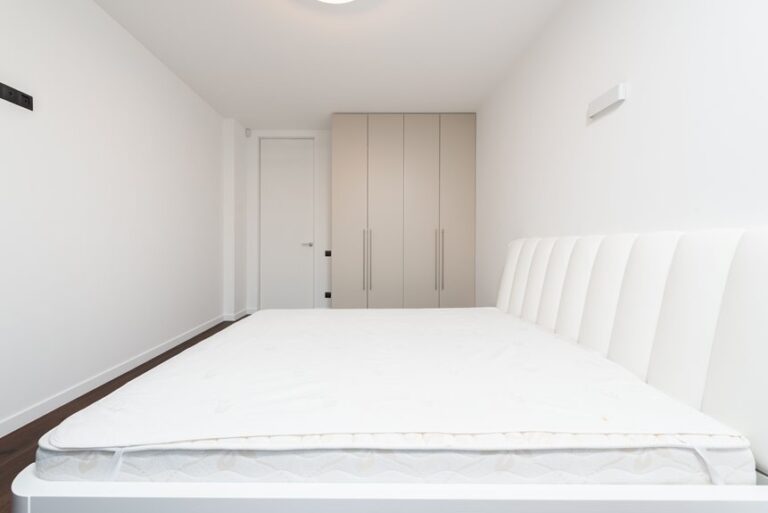
An occupied home with thoughtful decluttering and a few rented accent pieces often runs $1,500 to $2,000 in staging cost. A vacant property that needs a full furniture package can climb to $3,000 or higher because the stager is furnishing every visible room. The vacant premium shows up in the asking price, however, because empty rooms anchor buyer perception in a way furniture does not.
Empty rooms anchor perception, yet staged rooms tend to move listings faster once they hit the market.
| Property Type | Typical Staging Cost | Reported Premium Range |
|---|---|---|
| Occupied home (consult + light staging) | $1,500 to $2,000 | 3% to 8% |
| Vacant home (full furniture rental) | $2,500 to $3,000+ | 5% to 15% |
| Luxury vacant ($1M+ listing) | $5,000+ | 6% to 15% |
| Condo or townhome | $1,200 to $2,500 | 4% to 10% |
How Staging Shortens Time on Market
Days on market is where staging’s effect shows up most predictably for your listing. The widely cited industry figure has staged homes moving roughly 73% faster than non-staged counterparts. More than 90% of staged listings sell inside the first 30 days in many agent surveys, a sharp contrast to the month-plus timelines that vacant or cluttered homes routinely post.
The 73% Faster Figure
That 73% number traces to RESA surveys comparing staged and non-staged sales in similar price brackets and neighborhoods. The speed advantage tends to be largest at the entry-level price point, where buyers weigh online photos heavily before committing to a drive-by. As price climbs, the gap narrows but the staging effect on days on market stays positive.
More Than 90% of Staged Homes Sell in 30 Days
Many stager-reported surveys show that more than nine out of ten staged listings go under contract within the first month. That figure includes both occupied and vacant homes, though vacant homes benefit the most. Datasets from both IAHSP and RESA point to a similar compression of marketing time once a property is professionally furnished and photographed.
The Financial Cascade of Fewer Days on Market
Every extra week your home sits costs you in mortgage payments, tax carry, utilities, insurance, and HOA dues. On a $400,000 financed property, the monthly carrying cost often runs $1,800 to $2,500. A sale that closes 30 days faster than a comparable unstaged neighbor can save the seller $2,000 to $3,000 in holding costs alone, on top of the price premium. That cascade explains why agents push staging even when sellers flinch at the upfront invoice.
Faster sales are driven largely by which specific rooms and design choices buyers respond to most strongly.
Which Rooms and Strategies Move Buyers Most
Staging every square foot of a property is rarely necessary, and most stagers focus on the rooms where buyers form their strongest first impressions. Living rooms, kitchens, and primary bedrooms consistently rank as the spaces where staged furniture and styling shift offer behavior the most.
Living Rooms, Kitchens, and Primary Bedrooms
These three rooms carry the heaviest weight because buyers mentally move their own furniture into them first. A staged living room signals how a sofa, media console, and rug layout fit the footprint. A staged kitchen shows off counter space, cabinet scale, and traffic flow around an island. A staged primary bedroom communicates rest and storage rather than emptiness.
Curb Appeal and the Entry-Level First Impression
The first photo a buyer sees is almost always the front exterior, which means curb appeal shapes your click-through rate more than any interior decision. Fresh mulch, a clean walkway, and a styled entry vignette pull buyers off the search page. Once inside, the entryway is the second make-or-break zone. Buyers form an opinion within seven seconds of walking through the door, and that opinion colors how they price the rest of the home.
Virtual Staging for Vacant Listings
Virtual staging costs a fraction of full physical staging, often $200 to $500 per property, and delivers a furnished look in the listing photos without moving a couch. It works well for investor flips, vacant rentals, and listings at price points where full staging does not pencil out. The trade-off is that buyers touring a virtually staged home sometimes feel misled when the actual room is empty, so flag virtual staging clearly in your listing description.
Translating Room Choices Into Online Engagement
Staged rooms tend to get more clicks, longer photo-viewing sessions, and more showing requests than the same rooms shot empty. Listing analytics from Zillow Premier Agent and Realtor.com both show that listings with more than 20 photos stay on the page longer than those with the default agent photo count. Staging the rooms that get photographed, rather than the rooms that get skipped, compounds that engagement for your listing.
What Buyers and Their Agents Actually Think About Staging
The buyer side of the equation is where most of the persuasive data lives. About 82% of buyer’s agents say staging helps buyers visualize the property as their future home. That figure has held steady across multiple NAR Profile Insights surveys and remains one of the strongest pro-staging statistics in the industry.
Staging is one of the few line items where buyer’s agents and seller’s agents agree. The buyer’s side sees it as a clarity tool, not a decoration expense.
The 82% Visualization Effect
When buyer’s agents walk buyers through a staged home, the typical reaction is faster emotional commitment. Buyers start talking in present tense, saying things like “we could put the crib here,” rather than conditional tense, such as “if we bought this, we might.” That shift matters because it reduces the buyer’s negotiated discount for unknown work they would otherwise price in to handle uncertainty.
Photo Quality as the Top Online Factor
Both NAR and Zillow consumer surveys rank listing photos as the single most influential factor in online home evaluation. Staging without professional photography wastes most of the investment, and professional photography without staging often captures rooms at their worst. The two work together, and skipping either usually costs you more than it saves.
Seller Perception vs. Buyer Expectations
Sellers frequently believe their personal furniture, family photos, and bold paint colors help a home feel warm. Buyers read those same choices as clutter, distraction, and a future to-do list. The gap between seller perception and buyer expectations is where a stager earns the fee, by translating lived-in warmth into the kind of neutral, aspirational space buyers picture themselves occupying.
Common Buyer Objections Staging Quietly Neutralizes
Staged homes deflect several objections before buyers ever voice them: small rooms feel larger with properly scaled furniture, awkward floor plans read as cozy rather than cramped, and dated finishes look intentional instead of tired. Buyers who would otherwise lowball for those reasons often offer closer to asking once they have walked through a furnished, well-lit version of the property.
Putting the Numbers to Work Before Listing
Translating these statistics into a concrete decision requires three inputs: the listing price, the expected days on market without staging, and the realistic offer range a staged version might pull. Running those numbers before hiring a stager usually takes less than thirty minutes and gives you a defensible answer when a seller asks whether the cost is worth it.
A Cost-Versus-Speed-Versus-Price Framework
Start with the carrying cost per month the seller will absorb if the home sits unsold. Add the staging fee. Compare that combined cost against the expected premium a staged listing will pull over a non-staged comparable. If the premium exceeds the combined cost by a clear margin, full staging pays off. If the margin is thin, partial staging on the high-impact rooms is the smarter bet for your situation.
When Full, Partial, or Virtual Staging Makes Sense
- Full physical staging: vacant homes in competitive price bands, listings that will sit more than 30 days without furniture, or luxury properties where the price ceiling is sensitive to interior presentation.
- Partial staging: occupied homes that need decluttering, a few accent pieces, and a stager’s eye on furniture placement. This is the highest-ROI option for most sellers who already live in the property.
- Virtual staging: investor flips, low-priced vacant rentals, or any listing where physical furniture costs more than the expected price premium. Always disclose virtual staging in the listing copy.
- Curb appeal only: listings in tight markets where competition is fierce and the interior is already strong. A fresh exterior and entry vignette often closes the gap without a full staging package.
Mistakes That Erode Staging ROI
- Over-personalization: family photos, bold paint colors, and niche-specific decor such as man caves or craft rooms push buyers out of the visualization moment and into a critique of the seller’s taste.
- Sparse vacant rooms: a single chair in a corner reads as forgotten staging. Either fully stage a vacant room or leave it photographed as a clean blank slate.
- Skipping professional photography: staging photographed with a phone loses most of its click-through value, even if the staging itself is excellent.
- Staging after the listing goes live: buyers who saw empty photos will not return for a furnished version. Stage before the photographer arrives, ideally two to three days ahead of the listing going active.
A Short Pre-Listing Decision Checklist
- Confirm the price band: below $300,000 often justifies partial staging only; above $500,000 usually justifies full staging on key rooms.
- Pick the high-impact rooms: living room, kitchen, primary bedroom, and the entryway should always be staged or restyled.
- Set the staging budget: aim for the $1,500 to $3,000 median band unless the property is vacant or luxury-tier.
- Book the stager before the photographer: staged spaces need a full day of photography to look natural under MLS lighting.
- Run the ROI math: premium range minus staging fee minus carrying cost should land clearly positive before you sign the contract.
Staging pays off when the property is priced to compete, the photography is professional, and the staged rooms match the price band the listing sits in. Skip any one of those and the ROI curve flattens for your situation.
Bottom Line on Staging ROI
The data behind home staging statistics points to a defensible return across sale price, days on market, and buyer-agent perception. A median investment of $1,500 to $3,000 routinely pulls a 5% to 15% premium, cuts marketing time by roughly 73%, and earns visual-support scores from about 82% of buyer’s agents in NAR surveys.
Run the math against your own listing price, expected carrying cost, and likely competing inventory before you sign a stager’s contract. When the premium range clears the combined fee plus holding cost, the decision is straightforward. When the margin is thin, target the high-impact rooms, lean on professional photography, and disclose virtual staging wherever you use it.
FAQ
Do staged homes really sell faster than non-staged homes?
Yes. RESA surveys show staged homes move roughly 73% faster than non-staged comparable listings, and more than 90% of staged properties go under contract within the first 30 days on market.
What percentage of home buyers are more willing to walk through a staged home?
NAR Profile Insights data shows that about 82% of buyer’s agents report staging helps buyers visualize a property as their future home, which translates into measurably higher showing request rates.
How much does home staging increase the sale price on average?
Industry surveys place the average premium between 5% and 15% over asking price, with nearly half of buyer’s agents reporting a 1% to 10% dollar-value bump in offers after staging.
What is the typical ROI for professional home staging?
The median staging investment runs $1,500 to $3,000 and typically returns 5% to 15% of the sale price, which can amount to several times the upfront cost on a typical single-family listing.
How many sellers hire a professional stager before listing?
Most REALTORS recommend sellers stage before listing, and the majority of staged homes are prepared by a member of the Real Estate Staging Association or the IAHSP working with the seller’s agent.
Which rooms have the biggest impact when staged?
Living rooms, kitchens, and primary bedrooms consistently rank as the rooms where staging shifts buyer behavior the most, followed by the entryway and the outdoor seating area when one exists.