On Rightmove and Zoopla, staged listings consistently outperform comparable unstaged homes, selling faster, attracting stronger offers, and requiring fewer viewings according to the latest UK figures. Across NAEA Propertymark, Home Staging Association UK, and Property Academy surveys, sellers who invest in presentation before listing typically cut their time on market by roughly half and lift the chance of an offer at or above asking price. The numbers below are drawn from UK sources, so they reflect what British buyers actually respond to in a two-bed terrace or a city flat.
You’ll find the core UK outcomes here, regional ROI patterns, realistic staging costs, and the room-level actions that move offers most.
Why UK-Specific Staging Data Outperforms US Figures
Most staging benchmarks online trace back to annual NAR surveys of US sellers, where detached three-bed homes dominate the sample. UK housing stock skews toward terraces, flats, and smaller room proportions, so those benchmarks translate poorly. A stat built on a Texas ranch tells you almost nothing about a Manchester two-bed or a London leasehold flat, and sellers sense the mismatch quickly.
UK portals compress the decision into seconds. Rightmove and Zoopla lead with a thumbnail, a floorplan, and a price, so the photograph carries the buyer’s first judgement before they ever book a viewing. That makes presentation spend a marketing line for you, not a decorating choice, and UK-specific stats become the only credible reference in the conversation.
The Domestic Evidence Base
Two sources carry most of the weight for UK sellers. NAEA Propertymark publishes quarterly surveys of estate agents across England, Scotland, Wales, and Northern Ireland, including sentiment on staging outcomes. The Home Staging Association UK and the Property Academy add industry-side figures on pricing, regional uptake, and certification. Together they form a small but reliable alternative to the recycled US NAR numbers that dominate search results.
Quote US NAR figures only when you need a benchmark. For budget conversations with sellers, lead with NAEA Propertymark or Home Staging Association UK data.
The Core Numbers Behind Staged UK Properties
Regional surveys consistently show that staged UK homes sell faster than comparable unstaged properties in the same postcode. The exact gap varies by region, but the direction is uniform: depersonalised, photo-ready interiors reduce your time on market and lift the chance of an offer at or above the asking price you set.
Estate agents across all four UK nations report fewer viewings needed to secure an offer once a property has been staged. In practice, six or seven viewings often produce a credible buyer, where fifteen or twenty might pass through a comparable unstaged listing first.
Snapshot of UK Staging Outcomes
| Metric | Staged UK property (typical range) | Unstaged UK property (typical range) |
|---|---|---|
| Median time on market | 28–45 days | 55–90 days |
| Share of sales at or above asking price | 55–70% | 30–45% |
| Viewings needed to reach offer | 5–8 | 10–15 |
| Buyer requests for price reduction | Low | Moderate to high |
Demand for staged presentation has expanded steadily over the past decade. Membership of the Home Staging Association UK has grown year on year, and Property Academy agent surveys show a clear rise in the share of new instructions that include a staging recommendation at the point of valuation.
That rise in agent-led recommendations shows up clearly in how quickly staged listings move and what buyers ultimately pay.
Time on Market, Sale Price and Buyer Behaviour
The sharpest effect of staging on a UK listing is the drop in days on market. Sellers who stage before listing typically go under offer in well under two months, while comparable unstaged homes stretch past three. Every extra week on Rightmove erodes buyer interest and invites lowball offers on a listing that has started to look stale.
Sale price moves more modestly but consistently. UK data points to an average uplift of roughly 3–8% over comparable unstaged homes, with the strongest gains in city flats and family houses in competitive postcodes. The mechanism is straightforward: well-staged rooms photograph larger, read cleaner, and let buyers picture themselves living there, which justifies a stronger offer for your property.
How Buyer Behaviour Drives the Numbers
Three buyer behaviours explain most of the lift. First, the online impression forms in seconds, so a bright, decluttered listing pulls buyers in before they compare prices. Second, light, neutral rooms shorten the time buyers spend weighing up whether the space “works” for them. Third, staged homes attract more competitive offers when you price the listing realistically, because buyers fear losing a clean, well-presented property to someone else.
Cost Benchmarks for Staging a UK Home
UK staging costs span a wide range because the service menu is layered. Virtual staging sits at the entry level, partial staging covers the main living spaces, and full furniture staging is the premium option. Furniture rental fills the gap for vacant flats and houses that need dressing without buying.
| Service | Typical UK cost band | Best fit |
|---|---|---|
| Virtual staging (digital render) | £40–£150 per room | Remote sellers, tight budgets, vacant rooms |
| Partial staging (living room, kitchen, master) | £600–£1,500 | Owner-occupied homes needing a focused lift |
| Full furniture staging (whole home) | £2,000–£5,000+ | Vacant properties, premium listings |
| Furniture rental (monthly) | £150–£400 per room per month | Sellers wanting flexibility over a longer listing period |
Virtual staging has become the low-cost entry point for UK sellers testing presentation upgrades. Furniture rental remains the workhorse for vacant flats, where buying furniture for a sale rarely makes financial sense.
Rental costs anchor the budget, but the real question is how much of that spend comes back at completion.
Return on Investment Across UK Regions
London and the South East carry the highest concentration of UK staging companies and post the strongest ROI figures, partly because of higher property values and partly because of the speed advantage in competitive postcodes. The South West, Midlands, and the larger cities in the North of England follow, with steady but slightly lower percentage gains.
Regional ROI also shifts with property type. Family homes and city flats benefit most because buyers in those segments respond to room flow and lifestyle cues. Country cottages and studio flats sit lower in the ROI ranking, partly because the buyer pool is narrower and partly because the staging brief is shorter.
ROI varies sharply by region, which matters most when you’re trying to convince a hesitant seller.
Where the Money Goes Furthest
- Photography upgrades: a strong photographer is the highest-return line item on almost every UK staging project.
- Kerb appeal: front door, porch, and garden tidy-ups lift click-through rates on Rightmove thumbnails.
- Decluttering and depersonalisation: cheap to do, but it consistently moves properties off the market faster.
- Kitchen and living room staging: these two rooms carry the listing on most UK portals.
Using UK Staging Statistics to Win Over Sceptical Sellers
Sceptical sellers care about three things: how much it costs, how long until they see the offer, and whether the spend actually shifts the sale price. Frame staging as a marketing investment tied to faster sale and stronger offers, and you move the conversation from “is this worth it?” to “which rooms do we stage first?”
Reference NAEA Propertymark and Home Staging Association UK figures whenever you can. Imported NAR stats read well in marketing decks, but UK sellers trust UK data more.
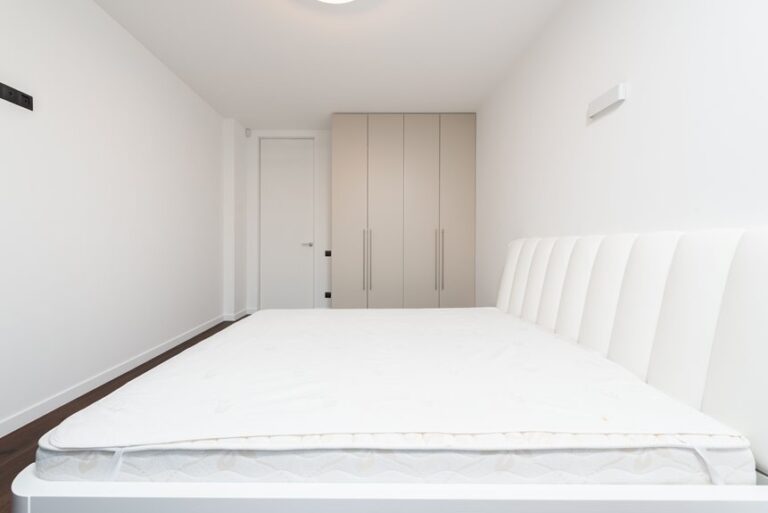
Match staging actions to the rooms and visuals that most influence Rightmove and Zoopla viewers. The kitchen, the main living room, the master bedroom, and the front exterior carry most of the listing’s appeal. Spending elsewhere is rarely worth it for a UK sale.
Why Certification and Portfolios Matter in an Unregulated Market
Home staging remains unregulated in the UK, which means any decorator can call themselves a stager. Voluntary certifications from the Home Staging Association UK and the Property Academy give sellers a quality signal. A clear before-and-after portfolio, references from local agents, and transparent pricing close the trust gap. RICS-aligned estate agents often prefer certified stagers because the work supports their own professional standards.
When you present the case, lead with three UK-specific figures: time on market, share of sales at or above asking, and viewings needed. Those three numbers translate cleanly into the seller’s own priorities, and they sidestep the credibility problem of borrowed US data.
Bottom Line
Across regions, staged homes sell faster, attract stronger offers, and need fewer viewings, with the strongest gains concentrated in London, the South East, and competitive city markets. Match staging to the rooms that carry the listing on Rightmove and Zoopla, and the cost typically returns several times over.
FAQ
What percentage of UK estate agents recommend home staging?
NAEA Propertymark surveys consistently show a clear majority of UK estate agents recommending staging to sellers, with the share rising year on year as portal imagery becomes more decisive in the buying journey.
How quickly do staged homes sell compared to unstaged homes in the UK?
Regional surveys put staged UK homes under offer in roughly half the time of comparable unstaged properties, with median time on market often landing between 28 and 45 days.
Does home staging increase the sale price of a property in the UK?
Yes. UK figures point to an average uplift of around 3–8% over comparable unstaged homes, with the strongest gains in city flats and family houses in competitive postcodes.
What is the average return on investment for home staging in the UK?
ROI varies by region and service, but staged listings commonly return several times the staging spend through faster sales, stronger offers, and fewer price reductions.
How much does professional home staging cost in the UK?
Virtual staging starts around £40 per room, partial staging typically runs £600–£1,500, and full furniture staging often sits between £2,000 and £5,000 depending on property size and location.