Two clear factions have emerged in 2025: movements that quietly raise a home’s value and quality of life, and looks that photograph beautifully but date the moment the algorithm moves on. Material and labor inflation pushed most owners toward smaller, higher-impact projects, while sustainability, smart-home retrofitting, and post-pandemic floor plan revisions reshaped what a current house actually feels like. Design fatigue from the all-white farmhouse decade broke, and warmer textures, defined rooms, and biophilic structure are filling the vacuum.
The rest of this piece walks through which trends earn their keep, what cost-versus-resale numbers look like in real markets, and how to layer these movements into an older home without tearing it down. It’s built for owners staring at Pinterest boards and a contractor’s estimate at the same time.
The Forces Reshaping Residential Renovation in 2025
Lumber, gypsum, and copper haven’t returned to pre-2021 prices, and skilled-trade labor climbed steadily through 2024. The combined pressure pushed most owners away from full gut renovations toward surgical projects: a bathroom refresh, a kitchen refront, a window package. Houzz’s annual renovation reports show project counts holding strong even as average budgets compressed, with owners consciously choosing fewer square feet of higher-spec work.
Sustainability Has Become Baseline, Not Bonus
Energy-efficient windows, better insulation, and heat-pump HVAC systems used to show up only on green-build checklists. Now appraisers weigh them, buyers expect them, and even modest renovations factor them in. That shift aligns with the National Association of Home Builders’ buyer preference studies, which rank energy efficiency in the top three desired features across every income bracket. Sustainability stopped being a story you tell and became a number in the appraisal.
Floor Plans Are Quietly Being Redrawn
Remote work is permanent for roughly a quarter of the US workforce, and households still need dedicated space for it. The post-pandemic open floor plan is everywhere, but it’s getting carved up. Pocket doors, scullery pantries, mudrooms, and home offices are reappearing inside layouts that looked wide-open a decade ago. Remodeling Magazine’s Cost vs. Value Report backs this up, showing strong ROI for mid-range additions that create functional rooms rather than expand footprint for its own sake.
Smart-Home Systems Are Now Retrofit-Friendly
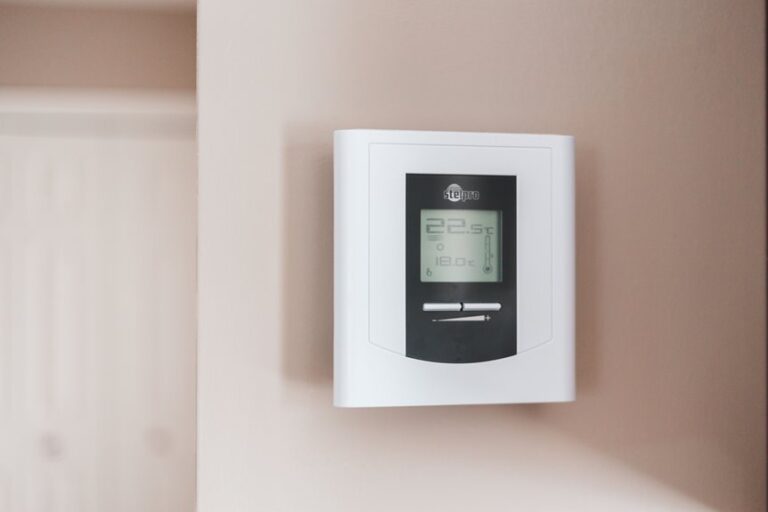
Matter and Thread interoperability standards have matured to the point where thermostats, lighting, leak sensors, and locks talk to each other across brands. A retrofit no longer requires ripping into walls. Most devices install in minutes, and Zonda Media’s quarterly builder surveys show smart-home packages standard in roughly 40% of new single-family starts. Existing homes can adopt the same toolkit room by room without dedicated low-voltage wiring.
Trends Worth the Money and Trends Set to Fade
Kitchens and bathrooms still anchor any resale-value conversation, but the finishes inside them rotate faster than the cabinetry. The comparison below separates what’s gaining durability from what’s about to look tired.
| Trend | Stability (1–5) | Why It Holds (or Doesn’t) |
|---|---|---|
| Warm-neutral cabinetry (oak, walnut tones) | 5 | Reads as classic; matches evolving palettes |
| Large-format porcelain slabs | 5 | Mimics stone without the cost or maintenance |
| Indoor-outdoor sliding walls | 4 | Strong buyer appeal; regional climate dependent |
| Biophilic structural elements | 4 | Living walls and timber ceilings signal permanence |
| Ultra-narrow tile (2″x2″ mosaic floors) | 1 | Labor-heavy; grout lines date quickly |
| Micro-zinc hardware finishes | 1 | Niche look, limited supply chain, scratches easily |
| Specific color stories (sage, terracotta) | 2 | Cyclical; often exhausts within 5–7 years |
Defined rooms are quietly returning, particularly in new construction and major remodels where owners want flexibility for guests, remote work, or aging parents. Indoor-outdoor transitions are no longer a West Coast regional feature. Large-format sliding glass walls and outdoor kitchens appear in Pinterest Predicts annual reports as a national expectation.
Where Design Fatigue Is Setting In
The all-white modern farmhouse look peaked somewhere around 2022 and now reads as the late-2010s version of Tuscan kitchens. Owners tired of fighting scuffs on shiplap walls and the cold hospitality of all-white cabinetry are leaning toward warmer woods, layered textures, and rooms with clear purposes. Fixr’s annual cost guides confirm the shift, showing warm earth tones and tactile surfaces overtaking stark minimalism as the leading design direction. A renovation that ignores that fatigue pays the resale penalty twice: once at install, again when the look expires.
With the fading trends identified, the harder question is which upgrades actually pay you back at resale.
Cost Versus Resale Value Across the Major Project Types
Hard data on renovation ROI lives in a handful of places. Remodeling Magazine’s annual Cost vs. Value Report compares what owners spend against what appraisers credit at resale in major US markets, and the patterns have stayed remarkably consistent.
| Project | Typical Cost Range | Estimated Resale Recovery |
|---|---|---|
| Mid-range kitchen remodel | $30,000–$75,000 | 60–75% |
| Upscale kitchen remodel | $80,000–$150,000+ | 40–55% |
| Mid-range bathroom addition | $50,000–$90,000 | 55–65% |
| Primary suite addition | $100,000–$250,000 | 50–60% |
| Window replacement (vinyl) | $15,000–$30,000 | 65–75% |
| Roof replacement (asphalt) | $12,000–$25,000 | 60–70% |
| Fiber-cement siding | $18,000–$35,000 | 75–85% |
| Refinished hardwood floors | $3,000–$8,000 | 100%+ (when existing floors are solid) |
| Luxury vinyl plank flooring | $4,000–$12,000 | 70–80% |
Upscale kitchens typically recoup a smaller percentage than mid-range kitchens even though the dollar return is larger. Appraisers apply diminishing returns once finishes cross a threshold of regional luxury expectation. Smaller projects like refinished hardwoods, updated lighting, and refreshed hardware routinely return their full cost because they read as well-maintained rather than redesigned.
Invisible Upgrades Often Outperform Cosmetic Ones
Energy-efficient windows, attic insulation, and HVAC upgrades show up on appraisal sheets but never on a designer’s mood board. They earn their keep in monthly utility bills and resale notes rather than magazine spreads. Smart-home device costs have dropped enough that thermostats, lighting, and leak sensors fit comfortably into mid-tier budgets, and buyers increasingly expect at least a baseline package.
How to Layer 2025 Trends Into an Existing Home Without a Full Gut
Most popular home renovation ideas can be added incrementally, but the order matters. Start with the systems that run the house and finish with the finishes that dress it. Here’s a practical approach that captures the current aesthetic without demolition.
- Swap cabinet fronts and hardware first. New doors, soft-close hinges, and brass or matte black pulls transform kitchens at a fraction of full-cabinetry cost.
- Use large-format porcelain where stone would go. Porcelain slabs and tiles mimic marble and quartz without the labor premiums of natural stone fabrication.
- Retrofit smart devices room by room. Thermostats, dimmers, and leak detectors install in minutes and let the home grow connected organically.
- Add biophilic elements through sightlines. A repositioned window or interior glass panel introduces green and daylight without structural green walls.
- Convert underused formal rooms with pocket doors. A dining room becomes a flex space, guest suite, or aging-in-place bedroom without changing the floor plate.
The same principle applies to flooring. Luxury vinyl plank reads as hardwood or stone at a fraction of the cost, and it installs over most existing floors. Curb appeal gets a similar treatment. Refresh entry doors, house numbers, planters, and exterior lighting rather than re-siding the whole house. These layered projects typically deliver 80–90% of the visual impact at 40–50% of the cost of a full remodel.
Designing for How Households Actually Live Now
Trend lists rarely address what happens when a household needs a Zoom call at 7 a.m., a toddler’s nap at 10, and dinner for six at 6. The best renovations solve that schedule rather than decorate around it.
Multifunctional Rooms Need Real Storage and Acoustics
A room that serves as office, gym, and guest quarters fails fast without built-in storage and proper acoustic treatment. Closed cabinets, Murphy beds, and layered window treatments let one space shift roles without visual chaos. AIA (American Institute of Architects) quarterly home design surveys consistently rank flexible space and integrated storage among the top three requested features in new homes.
Aging-in-Place Features Pay Double
Curbless showers, wider doorways (36 inches minimum), and lever hardware appeal to multigenerational buyers even when the current owner is 40-something. These modifications add minimal aesthetic cost, and they expand the buyer pool when the home eventually lists. Aging-in-place design reads as thoughtful, not clinical, when it’s done right.
Indoor-Outdoor Transitions Need Coordinated Finishes
Large sliding glass walls only look intentional when exterior finishes, rooflines, and interior palettes reference each other. Treating the outdoor room as an afterthought produces a patio that fights the rest of the house. Coordinate materials early, ideally before the sliding door is ordered.
Sustainability Starts With the Envelope
Insulation, air sealing, and window upgrades deliver more comfort and energy savings per dollar than any solar panel or smart thermostat. Department of Energy field studies estimate that sealing air leaks and adding attic insulation can cut heating and cooling costs by 15–30%. Sustainability earns its keep when it targets the highest-energy systems first.
Vetting Contractors, Materials, and the Trends Most Likely to Last
Trending materials often carry strong product warranties and thin installation support. A contractor who’s done dozens of kitchens may have never installed a mass timber ceiling or wired a Matter-compatible lighting system. Vet accordingly.
A contractor’s kitchen portfolio tells you nothing about whether they can hang a living wall or commission a smart-home hub. Ask for projects using the exact system or material you want.
Favor materials with at least a decade of field performance over newer entries with stronger marketing than track record. Engineered quartz countertops, for example, have a 20-year track record and predictable performance. Newly launched bio-based composites may be greener but lack the installer network to handle callbacks.
Ask for Written Warranties That Separate Coverage
Manufacturer warranties cover the product. Labor warranties cover the install. A trending finish with a strong product warranty but a one-year labor warranty leaves you exposed if the install fails in year three. Get both in writing, with start dates and exclusions spelled out.
Build a 10 to 15 Percent Contingency Into Trending-Material Projects
Unfamiliar systems run over budget more often than conventional ones. A material may require substrate changes, specialty adhesives, or longer cure times. Trending finishes also tend to have longer lead times and fewer substitutes if a shipment fails. Contingency funds absorb both.
Treat Trends as Accents Inside a Timeless Shell
Flooring, cabinetry layout, and major plumbing should outlive the color palette layered on top of them. A neutral shell lets you repaint, swap hardware, and update lighting every five to seven years without redoing structure. Trends become finishes, and finishes are cheap to change.
The Big Picture
The renovation trends worth chasing in 2025 are the ones that improve how a home lives, not just how it photographs: better envelope performance, smarter space planning, materials with proven track records, and a few carefully chosen accents from current design language. Spend on the shell, layer trends as finishes, and treat any system that runs the house as an investment rather than decoration.
FAQ
What are the biggest home renovation trends in 2025?
Warm-neutral palettes, defined rooms, indoor-outdoor transitions, energy-efficient envelope upgrades, and retrofit-friendly smart-home systems sit at the center of this year’s biggest shifts. Sustainability and aging-in-place features have moved from niche to baseline expectations among both homeowners and buyers.
Which renovation trends offer the best return on investment?
Kitchen and bath remodels consistently lead resale-value rankings. Fiber-cement siding, window replacement, and refinished hardwood floors routinely return 70–100% of their cost. Energy-efficient upgrades like insulation and HVAC often outperform cosmetic projects on appraisal impact even when they’re invisible to buyers.
How do I incorporate current design trends into an older home?
Layer trends incrementally rather than gutting the floor plate. Swap cabinet fronts, retrofit smart devices room by room, use large-format porcelain in place of stone, convert underused formal rooms with pocket doors, and add biophilic elements through sightlines rather than structural green walls.
Are smart home features worth the cost during a renovation?
Smart-home features are worth it when they’re retrofit-friendly and budget-conscious. Matter and Thread standards let thermostats, lighting, leak sensors, and locks install in minutes across brands, and Zonda Media surveys show smart packages standard in roughly 40% of new single-family starts.
What sustainable materials are trending in home renovations?
Energy-efficient windows, better insulation, heat-pump HVAC systems, large-format porcelain that mimics stone, and bio-based composites are now appearing in spec sheets across the industry. Department of Energy field studies estimate that sealing air leaks and adding attic insulation can cut heating and cooling costs by 15–30%.
How can I make my renovation feel timeless rather than trendy?
Keep flooring, cabinetry layout, and major plumbing in classic materials, then layer trends as finishes. Warm-neutral oak or walnut cabinetry, large-format porcelain slabs, and a neutral shell let you repaint, swap hardware, and update lighting every five to seven years without redoing structure.