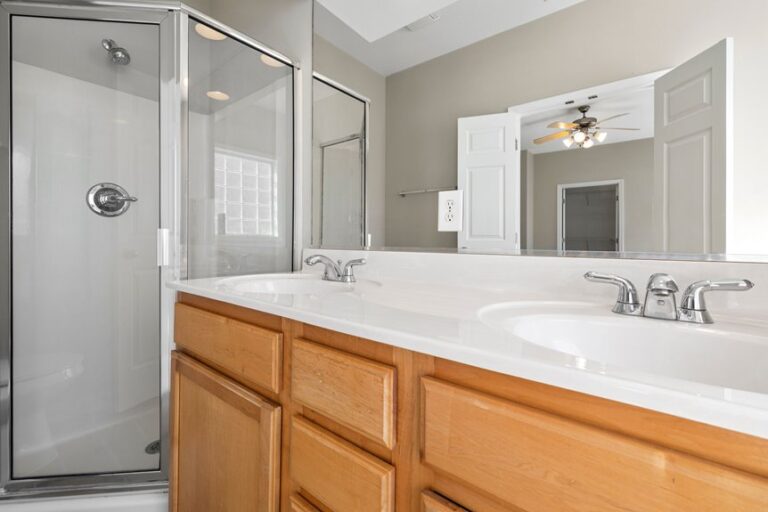
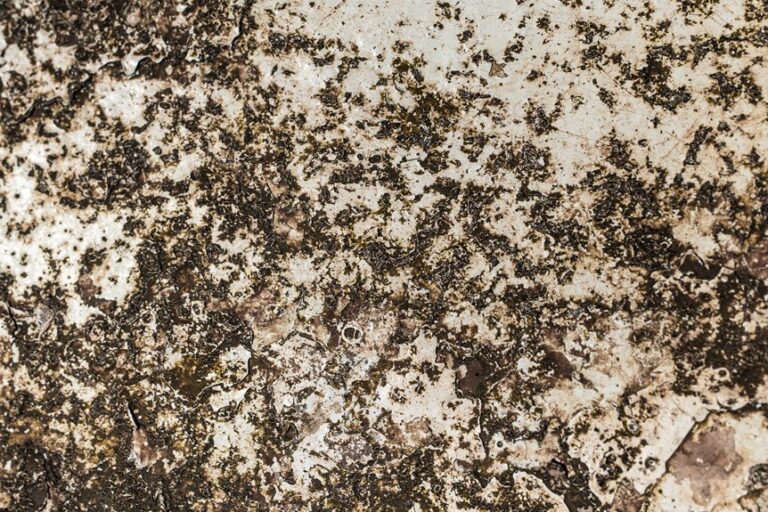
Tile floors ask for different tools depending on the mess. A kitchen needs quick pickup after crumbs and spills, a bathroom needs reach around tight corners, and larger hard floors need something that covers more ground without wearing you out.
That’s where this roundup helps. You’ll find dry dust mops, spray mops, steam options, bucket systems, and scrub tools, so you can match the mop to your floor, your routine, and the amount of cleanup you do each week.
The Shortlist At A Glance

CLEANHOME Microfiber Dust Mop for Hardwood Floor Cleaning
Steam Mop for Floor Cleaning, Multi-Purpose Steam Cleaner
JOYMOOP Flat Mop and Bucket System

Clorox Extendable Tub & Tile Scrubber

BPAWA Spray Mops for Floor Cleaning
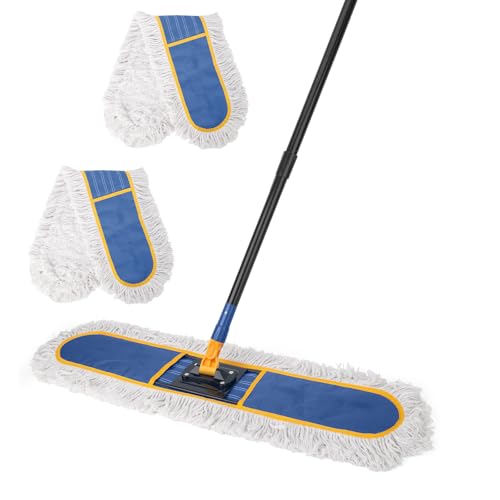
24″ Commercial Dust Mop for Floor Cleaning

Yocada Sponge Mop Home Commercial Use Tile Floor Cleaning

Collapsible Mop and Bucket Set with Scrub Mop and Brush

SOBONNE Dust Mop for Hardwood Tile Floor Cleaning
More Details On Our Top Picks
For kitchen crumbs, bathroom dust, and general tile upkeep, this CLEANHOME mop gives you a simple wet-dry setup without extra fuss. The microfiber head should suit routine touchups, and the baseboard angle makes sense for rooms where dust collects at the edges.
You may find it especially useful for quick passes between deeper cleans, since it keeps the process light and familiar. The trade-off is that a basic dust mop like this asks you to do a little more manual cleanup than spray or steam options.
Strong Points
- Microfiber suits both dry dusting and damp wiping.
- Baseboard use adds reach along wall edges.
- Light handling works well for everyday tile care.
- Useful for kitchens, bathrooms, and other busy floors.
Points To Note
- Basic format means you handle the cleaning solution yourself.
- It feels more practical than fancy.
Feature Snapshot
Who It Suits Best
Busy households that want a simple mop for frequent tile touchups get the most from this one.
Swap It Out When
BPAWA Spray Mops for Floor Cleaning suits you better if you want built-in liquid release and more speed on sticky spots.
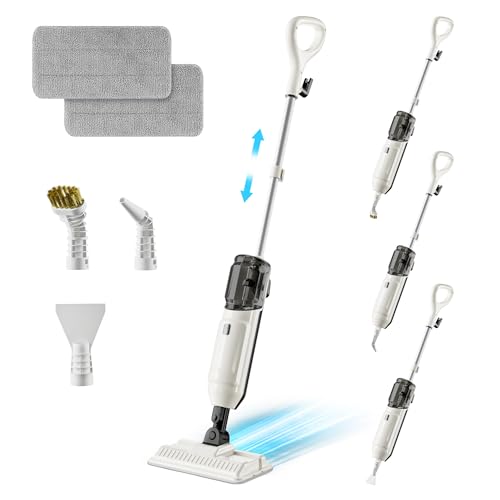
Steam changes the job here, because you’re not just moving dirt around, you’re using heated vapor for a more intensive floor pass. The handheld steamer adds range for nearby surfaces, and that makes this a stronger fit for homes where tile cleaning spills over into counters, corners, or tight bathroom spots.
The upside is clear for anyone who wants fewer separate tools in the closet. The catch is that steam mops ask for a little more setup and patience than a plain dust mop like the CLEANHOME, so they suit deeper routines better than fast daily sweeps.
What We Like
- Steam format handles deeper cleaning routines well.
- Handheld mode expands its everyday usefulness.
- Good fit for tile and hardwood floors.
- Helpful for homes with pets and frequent mess.
- Accessory support broadens the cleaning range.
Small Caveats
- Steam cleaning usually asks for more prep time.
- Heavier versatility can mean more pieces to store.
Core Details
Built With In Mind
Homes that want a more intensive mop for sealed hard floors will appreciate the extra reach and added attachment use.
Where A Sibling Pick Shines
JOYMOOP Flat Mop and Bucket System makes more sense for shoppers who want a simpler, no-heat routine with more direct water control.
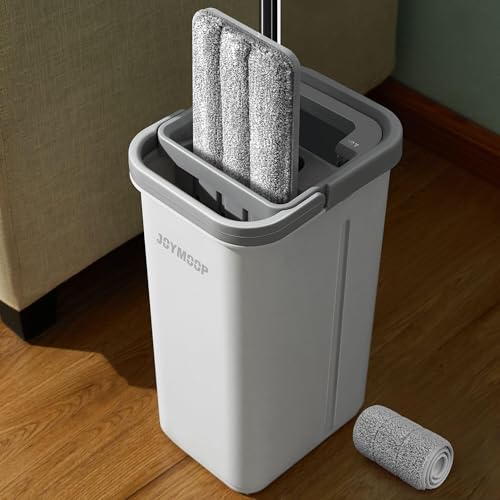
This bucket system is built for people who want more control over wet mopping without juggling a separate spray bottle. The 50-inch handle gives you better reach than a short handheld mop, and the microfiber pad should work across hardwood, tile, laminate, and vinyl in everyday homes.
Compared with the steam pick above, it asks less of your routine and less of your storage space, which helps in smaller homes. The trade-off is that the single microfiber pad means you may want extra pads on hand for bigger rooms or heavier grime.
Bright Spots
- Bucket setup offers more direct water management.
- Long handle helps reduce bending during use.
- Works across several common hard floor types.
- Good fit for routine mopping in family spaces.
Areas To Watch
- Single pad setup can slow larger cleaning jobs.
- Bucket systems usually need a bit more storage room.
Details At A Glance
Right Fit For
Apartment dwellers and smaller households often get the best balance of control and simplicity from this design.
Another Choice May Suit
BPAWA Spray Mops for Floor Cleaning is the easier match for someone who wants quicker spot work with one-handed sprayer control.
This is the tool for tiled walls, grout lines, and the awkward corners that a floor mop rarely handles well. The pivoting head and replaceable pad make it easier to work around tub edges, and the bonus refill gives you a little more runway before you need to replace parts.
The honest read is that this is more scrubber than mop, so it belongs in the bathroom section of your cleaning shelf rather than the whole-house rotation. Compared with the JOYMOOP bucket system, it solves a narrower problem, but it solves that problem with more focus.
Best Bits
- Extendable handle helps you reach awkward zones.
- Pivoting head makes angled scrubbing easier.
- Replaceable pad supports longer-term use.
- Good companion for bathroom tile and grout.
Room For Improvement
- Built for scrubbing, not broad floor coverage.
- Bathroom-specific use limits its all-purpose appeal.
Core Details
Whose Shelf It Belongs On
Bathroom-focused cleaners and anyone who keeps a tub area in regular rotation will get the most value here.
Reach For A Different Pick When
SOBONNE Dust Mop for Hardwood Tile Floor Cleaning fits better for broad, dry floor passes across larger hard-surface rooms.
For quick kitchen spills and daily tile upkeep, the spray function is the big convenience here. You can operate it with one hand, the bottle is refillable, and the three washable pads help you keep the same tool in rotation across hardwood, tile, laminate, wood, and vinyl.
That kind of flexibility is handy in homes with kids or pets, especially where you need a mop that can move fast without bending much. The trade-off, compared with a bucket system like JOYMOOP, is that the bottle format fits speed better than heavy-duty soaking and rinsing.
Highlights
- One-handed spray action keeps cleaning moving.
- Three washable pads support repeated use.
- Refillable bottle gives you more control over solution use.
- Fits several hard floor materials.
- Good for quick work around pets and children.
Worth Noting
- Spray mops work best for lighter to medium messes.
- Pad care matters because reuse depends on washing.
Feature Card
Made For
Shoppers who want fast spray-and-wipe cleanup in busy homes will appreciate how little setup this asks for.
Look Elsewhere When
Wotaste Steam Mop for Floor Cleaning suits deeper floor care better, especially for households that want a heated cleaning pass.
Large rooms, garages, and commercial-style spaces suit this mop better than smaller handheld styles. The 24-inch head covers more ground per pass, the 59-inch handle reduces bending, and the reusable cotton pads make sense for people who clean broad tile or concrete areas often.
Compared with the BPAWA spray mop, this one leans toward dry dusting and broad sweeps rather than quick liquid application. The trade-off is simple, and it’s a fair one, since a larger head can feel less nimble in narrow rooms or tight bathroom corners.
Positives
- Wide head helps cover big floors faster.
- Reusable pads reduce ongoing pad turnover.
- Long handle supports a more upright posture.
- Works across tile, marble, laminate, and concrete.
- Useful for garage and commercial cleanup.
Softer Spots
- Large head is less nimble in tight spaces.
- Better suited to sweeping and dusting than detail work.
Technical Sheet
Best Suited To
People who clean larger tile or hard-surface areas and want a straightforward floor duster will feel right at home here.
Skip It When
Clorox Extendable Tub & Tile Scrubber is the better fit for detailed bathroom corners and grout lines.
The sponge head makes this a strong fit for wet cleanup in bathrooms, garages, and other hard-working spaces. You also get a squeegee, which helps move water out of the way, and the handle adjusts from 42.5 to 52 inches so you can match it to your reach.
One practical note matters here, the box includes three sponge heads total, not four, so replacement planning should be part of your decision. Compared with the 24-inch KeFanta dust mop, this one is much more about water control than broad dry floor coverage.
Reasons To Buy
- Honeycomb sponge design helps with absorbency.
- Squeegee supports faster water removal.
- Adjustable handle gives you more reach control.
- Good for bathroom and garage cleanup.
Minor Gripes
- Only three sponge heads come in the box.
- Sponge tools need regular care to stay workable.
- Best for damp jobs rather than dry dusting.
Feature Rundown
Who Should Grab It
Homes that deal with wet tile messes in smaller rooms, especially bathrooms and utility spaces, get solid use from this design.
Where Shoppers Go Wrong
BPAWA Spray Mops for Floor Cleaning suits you better if you want quicker floor coverage and washable pads instead of a sponge system.
This set makes sense in homes that want a full mop-and-bucket routine without a bulky permanent setup. The collapsible bucket helps with storage, and the scrub mop plus brush gives you a little more versatility than a plain flat mop, especially in tile spaces that collect grime along edges.
Compared with JOYMOOP, this one leans more into storage convenience than a stripped-back bucket approach. The flip side is that extra parts can mean a little more sorting after cleaning, so it suits organized households better than people who want one-piece simplicity.
Upsides
- Foldable bucket helps save storage space.
- Scrub mop and brush add cleaning range.
- Washable microfiber pad supports reuse.
- Useful for tile, laminate, and hardwood.
Things To Consider
- More pieces can mean more cleanup after use.
- Bucket systems take a little planning to store.
Spec Overview
The Right Fit
Shoppers who want a compact bucket setup with a little extra scrubbing help will feel well served here.
Consider Something Else When
JOYMOOP Flat Mop and Bucket System is the cleaner choice for someone who wants a simpler bucket routine with less kit to manage.
This is the plain-spoken option in the group, and that’s not a bad thing. The 16-inch washable cotton pads, metal frame, and 56-inch iron handle point to a straightforward floor duster for tile, vinyl, laminate, and wood, with enough reach to keep you from crouching the whole time.
It lands between the lightweight CLEANHOME and the wider KeFanta commercial mop, so you can think of it as a middle-ground dusting tool. The trade-off is that it stays firmly in the dry and damp dusting lane, so it won’t replace a dedicated scrubber for bathroom buildup.
Best Bits
- Washable cotton pads support repeated use.
- Metal frame adds a sturdier feel.
- Long iron handle helps with reach.
- Works across several common hard floor types.
Honest Caveats
- Not built for heavy bathroom scrubbing.
- Dry-dust style use keeps its role focused.
At A Glance
Built With In Mind
Homes that want a simple reusable dust mop for mixed hard floors will get the most from this straightforward design.
A Better Fit Elsewhere
Clorox Extendable Tub & Tile Scrubber suits you better when your main concern is grout, tub edges, and other detailed bathroom surfaces.
How To Choose The Right Tile Cleaning Mops
Floor Type Sets The Tone
Tile itself is only part of the story, because grout, finish, and room traffic change the kind of mop that makes sense. A spray mop or flat mop works well for sealed tile in kitchens, while a scrubber has more value in bathrooms where corners and grout lines collect more buildup.
Large open rooms reward wider heads, like the KeFanta commercial dust mop, since you cover more ground with fewer passes. Narrow hallways or small bathrooms are a better match for lighter, more compact tools that turn easily.
Wet Cleaning And Dry Dusting Serve Different Jobs
Dry dust mops are best for hair, crumbs, and loose grit that would otherwise get pushed around. Wet mops handle sticky residue and everyday grime, and steam mops go a step further for people who want a deeper routine without swapping tools often.
The honest read is that a single mop rarely handles every job well. A lot of homes do better with two tools, such as a dry dust mop for quick pickup and a wetter option for weekly floor care.
Handle Length And Head Style Affect Comfort
Long handles matter more than they sound like they should, because they help you stay upright during longer cleanups. The Yocada sponge mop, for example, adjusts from 42.5 to 52 inches, while the KeFanta handle reaches 59 inches, so both reduce bending in different ways.
Head style matters too, since a wider head speeds up large rooms and a pivoting or slimmer head helps in tight spaces. A microfiber pad, sponge head, or scrub surface each changes how the mop feels in real use, so the right choice depends on the floor and the mess.
Reusable Pads And Storage Are Worth Thinking About
Washable pads lower ongoing clutter and usually make more sense for regular use than single-use styles. Collapsible buckets, removable pads, and replaceable heads also help the mop stay useful longer, which matters in homes that clean tile several times a week.
Storage is the quiet detail people overlook. A heavy-duty commercial mop can be excellent for a garage or big kitchen, but a foldable bucket set or lighter spray mop may fit better in a crowded laundry closet.
Things Worth Knowing First
Mistakes Worth Dodging
Many people choose a mop by room name alone and miss the floor condition. A bathroom tile floor with grout needs different cleaning support than a smooth kitchen tile floor with light crumbs.
Another common miss is ignoring replacement parts or pad count. A mop with only one pad can still work well, but it asks for more planning than a set with extras or washable replacements.
The Upgrade Payoff
Higher-tier mops usually cost more because they add range, not just polish. You’re paying for stronger materials, longer handles, replaceable parts, extra attachments, or a more controlled cleaning system like steam or a better bucket design.
That extra spend starts to make sense in busy homes, larger spaces, or bathroom-heavy routines where convenience saves real effort. For light weekly dusting, a simpler mop often does the job without adding clutter.
Frequently Asked Questions
What type of mop works best on tile floors?
Flat microfiber mops work well for everyday tile care because they pick up dust and handle damp wiping neatly. Steam mops and scrubbers make more sense for deeper cleaning or grout-heavy bathrooms.
Do you need a special mop for bathroom tile?
You do not need a special mop, but bathroom tile benefits from tools that reach corners and scrub edges. A tub-and-tile scrubber usually handles that space better than a broad dust mop.
Are spray mops good for tile?
Spray mops are a strong match for quick tile cleanup because they keep the process fast and controlled. They work best for light to medium messes, not heavy buildup.
Can one mop handle tile and hardwood?
Yes, many microfiber and flat mops work across both surfaces. The key is choosing a mop that stays gentle on finished wood while still moving enough grime on tile.
How often should you replace mop pads?
Washable pads last longer when you clean and dry them properly after use. Replace them once they stop gripping dirt well or start looking worn.