Rust shows up in different ways, so the right fix depends on the job in front of you. Some problems live on patios and siding after irrigation, while others cling to car parts, grills, tools, toilets, or bare metal that needs a fresh coat of paint. This roundup keeps the focus on practical rust removal solutions that fit everyday maintenance, not one-size-fits-all promises. You’ll see liquid stain removers, gel formulas, converters, and the plain old wire brush, because each one solves a different kind of mess.
Quick Look At The Shortlist

Rid-O-Rust Outdoor Rust Preventer 64 Fl Oz (4 Pack)

Permatex 81756 Rust Dissolver Gel 8 oz.

RID-O-RUST Outdoor Liquid Rust Stain Remover 1 Gallon (4 Pack)
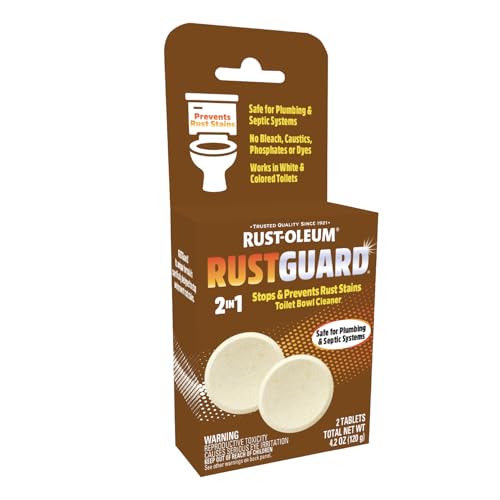
Rust-Oleum RustGuard Rust Stain Remover

Lavaxon Wire Brush Set Heavy Duty 10 Inch (2 Pack)
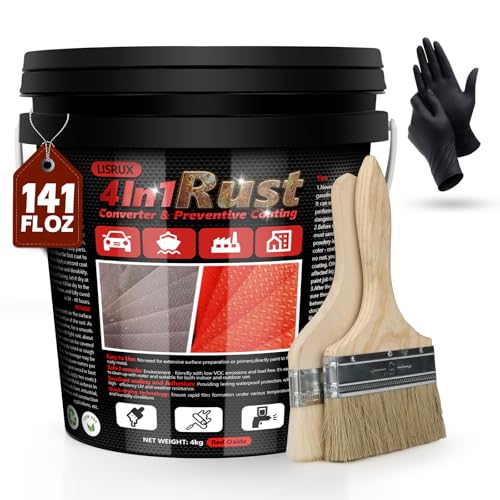
4-in-1 Rust Converter & Metal Primer 141 Fl Oz

Rust Kutter Gallon Rust Converter

Rust911 Rust Remover Dissolver 32-Ounce Bottle

Rust-Oleum Rust Dissolver Jelly 8 oz.

Magica Rust Remover Gel 8 oz.
More Details On Our Top Picks
Outdoor rust problems are different from surface rust on tools, and this formula speaks to that. It’s aimed at irrigation systems that carry iron-heavy water, so your driveway, siding, deck, and fence don’t end up marked with orange streaks. In a busy yard, that kind of prevention matters more than a quick cosmetic fix.
You also get a side benefit for sprinkler components, since less corrosion usually means less wear on the system over time. The honest read is that it’s a maintenance product, not a stain eraser, so it fits homeowners who want to stop new messes rather than scrub old ones away.
What We Like
- Targets iron in well water before it marks hardscapes.
- Helps protect driveways, patios, siding, and similar exterior surfaces.
- Fits routine irrigation care, which can reduce repeat maintenance calls.
- Concentrated format works well for ongoing yard upkeep.
Things To Consider
- It’s built to prevent stains, not remove old buildup.
- You’ll get the most value in properties with irrigation-related rust, not every outdoor setting.
Feature Snapshot
Who Should Grab It
Homeowners with sprinklers that leave rust marks on concrete, siding, or deck boards will get the clearest payoff.
Where A Sibling Pick Shines
Rust-Oleum Rust Dissolver Jelly 8 oz. suits you better for metal tools or car parts that already show rust.
Gel matters here because it stays where you put it. On a motorcycle bracket, a car panel, or a steel part with awkward curves, that thicker texture helps keep the formula on the rust instead of running off the edge. Compared with the outdoor-focused Rid-O-Rust option, this one is built for direct contact on iron and steel.
You brush it on, let it work, then wipe away the loosened rust, which is a simpler path than sanding for many small repairs. The trade-off is patience, since heavier corrosion can still call for more than one pass, and the red color may feel messy in a garage with a light-colored workbench.
Highlights
- Thick gel stays on vertical and uneven metal surfaces.
- Works on iron and steel, which covers common automotive parts.
- Can reduce the need for sanding or scraping.
- Good fit for repair jobs where precision matters more than volume.
Worth Noting
- Heavy rust may need another application.
- Brush-on use is hands-on, so cleanup and masking matter.
Details At A Glance
Built With In Mind
DIY garage work, especially around cars and bikes, is where this gel feels most at home.
Swap It Out When
Rust911 Rust Remover Dissolver 32-Ounce Bottle is the better match for larger soaking jobs on loose parts and hardware.
This one is aimed at visible staining on larger outdoor surfaces, so it feels more like a cleanup tool than a converter. Concrete, vinyl siding, and similar exterior materials are the obvious targets, and the liquid format makes sense when the stain covers more than a small spot. Compared with the first Rid-O-Rust formula, this is the pick for removing existing marks rather than preventing new ones.
It also reaches beyond rust and touches calcium and limescale, which matters in places with mineral-heavy water. The catch is that broader cleaning use can still mean careful application, especially around finishes you don’t want to spot or dull.
Upsides
- Built for stain removal on broad exterior surfaces.
- Also addresses calcium and limescale, which adds versatility.
- Four-gallon pack suits larger properties or repeated upkeep.
- Liquid form works well for poured, sprayed, or wiped application styles.
Small Caveats
- Best suited to cleaning jobs, not rust prevention.
- Large-volume storage takes more shelf space than a small bottle.
Core Details
Who Will Love This
Property owners dealing with stained sidewalks, porch slabs, or vinyl siding will get the clearest use from it.
A Better Fit Elsewhere
Magica Rust Remover Gel 8 oz. is better for smaller, more targeted stain jobs on mixed household surfaces.
Bathroom cleaning changes the equation again, because the main target here is a toilet bowl rather than patio stone or garage steel. The tablet format makes it easy to place and leave in the bowl, which fits routine upkeep in a busy home. Compared with the liquid outdoor removers, this one is more about convenience in a fixed spot than broad coverage.
You also get use on both white and colored toilets, which gives it a wider fit than a single-surface cleaner. The trade-off is simple, it’s specialized, so it won’t replace a general rust product for tools, siding, or exterior stains.
Positives
- Tablet format keeps the routine straightforward.
- Works on both white and colored toilets.
- Good fit for regular bathroom maintenance.
- Less messy than pouring liquid into a bowl.
Areas To Watch
- Purpose-built for toilet cleaning, not broader rust work.
- Tablets may feel too narrow a solution for whole-house rust issues.
Feature Rundown
The Right Fit
Households that want a toilet-focused rust cleaner with minimal fuss will appreciate this format.
Another Choice May Suit
Permatex 81756 Rust Dissolver Gel 8 oz. makes more sense for metal parts in a garage or driveway repair kit.
Sometimes the right rust solution is mechanical, not chemical, and this brush set fills that role clearly. Stainless and carbon steel bristles give you a tougher scrub for rust, welding slag, dirt, and paint build-up on grills or other rough metal surfaces. Compared with the gel and liquid products above, this is the hands-on option that gives you direct control.
The plastic grip helps during longer scrubbing jobs, though the brush itself will still wear down with use over time like most wire tools do. For a grill station, garage bench, or metal prep task, that’s often enough, especially when you want to clean an edge or corner that liquid formulas can’t reach well.
Best Bits
- Good for heavy scrubbing on rough metal.
- Stainless and carbon steel bristles give you firm cleaning power.
- 10-inch length offers reach without feeling unwieldy.
- Useful for slag, dirt, rust, and paint prep in one tool.
Room For Improvement
- Manual work takes more effort than a gel or spray.
- Wire bristles can wear down with repeated use.
Technical Sheet
Whose Shelf It Belongs On
Grill owners, welders, and anyone who prefers direct scrubbing over chemical soaking will use this most.
Look Elsewhere When
Rust-Oleum Rust Dissolver Jelly 8 oz. is the smarter match for smaller rusted parts where a clingy gel does the work for you.
This is the kind of product you reach for when rust removal and repaint prep need to happen together. A rust converter changes rusted metal into a more paint-friendly surface, while a primer gives the next coat something better to hold onto, so the job moves from repair to refinishing in fewer steps. Compared with the brush set, this is for coating and preservation, not scraping.
The source notes heat resistance and UV resistance, which matter on exposed metal that lives outdoors or near warmer equipment. The trade-off is that this isn’t a casual spot treatment, and the larger 141 fl oz size makes most sense when you’ve got a sizable project, not a tiny bracket.
Strengths
- Combines rust conversion and primer in one step.
- Large container suits bigger metal surfaces and repeat use.
- Heat and UV resistance help for exposed projects.
- Water-based formula is a practical fit for many shop and yard jobs.
Honest Caveats
- Best for prepared metal projects, not quick spot cleaning.
- The large size can be more than you need for small repairs.
- Surface prep still matters before application.
Spec Overview
Who It Suits Best
Property maintainers and hobby mechanics tackling larger, rusted metal surfaces will get the most out of it.
Reach For A Different Pick When
Permatex 81756 Rust Dissolver Gel 8 oz. is the easier choice for smaller automotive touch-ups and tighter work areas.
Rust Kutter leans into refinish work in a straightforward way. The product is meant to bond to rusted metal, shut down further corrosion, and leave a primed surface that’s ready for paint, which makes it useful in repair workflows rather than cleaning-only jobs. Compared with the larger 4-in-1 converter, this one is simpler in concept and feels aimed at classic rust repair.
The source also says rust must be present for it to work, so this isn’t the product for clean painted metal you plan to keep untouched. That detail matters, because it helps you avoid coating the wrong surface and makes the prep step feel less optional than it might with a more casual remover.
Bright Spots
- Converts rust and leaves a paint-ready base.
- Bonds to the surface to help keep moisture and oxygen away.
- Gallon size suits larger repair tasks.
- Clear workflow for rusted surfaces that need refinishing.
Points To Note
- Rust has to be present for the product to do its job.
- Not meant for painted metal you do not plan to refinish.
- Prep steps still matter before painting.
Core Details
Perfect Match For
Restoration projects and rust repair on larger metal surfaces suit this product well.
A Better Fit Elsewhere
Magica Rust Remover Gel 8 oz. suits smaller household stains where a focused gel is easier to control.
Rust911 is built around concentration, which makes it appealing for parts that can be soaked rather than brushed. The 32-ounce bottle is meant to make multiple gallons of working solution, so a small bottle goes a long way for hardware, detached parts, and other soakable metal pieces. Compared with the Rust Kutter converter, this is about dissolving rust away, not leaving a paint base behind.
The source notes a no-acid formula, which will matter to some people who want a gentler-feeling approach for metal cleanup. The flip side is that concentrate products ask for mixing discipline, storage space, and a little patience, especially when you’re dealing with a pile of corroded bolts or small parts.
Strong Points
- Ultra-concentrated format stretches into several gallons of solution.
- No-acid formula gives it a simpler profile for soak cleaning.
- Works well for detached parts and hardware cleanup.
- Reduces the need for sanding in many rust-removal jobs.
Trade Offs
- Requires mixing, so setup is less immediate than a ready-to-use bottle.
- More suited to soak jobs than vertical surfaces.
At A Glance
Best Suited To
Garage tinkerers and restoration hobbyists dealing with loose parts, bolts, or hardware will use this most.
Not Your Match When
Rid-O-Rust Outdoor Liquid Rust Stain Remover is the better fit for broad exterior stain removal on concrete and siding.
The thick jelly format is the reason this one stands out. It clings to metal longer than a thin liquid, so it’s easier to use on bolts, tools, grills, or other parts where a runny formula would slide away. Compared with Permatex’s gel, this one leans a bit harder into heavy rust on compact parts and awkward angles.
The source says medium to light rust may come off in 10 to 30 minutes or less, while heavier rust can need another application. That’s helpful because it sets expectations honestly, and the no-scrub cleanup route keeps the process approachable for quick garage jobs.
Reasons To Buy
- Thick jelly stays active on metal longer.
- Useful for tools, grills, bikes, bolts, and similar parts.
- No scrubbing needed for the rinse-and-wipe step.
- Handles heavy rust better than many thin formulas.
Minor Gripes
- Heavier rust can call for another round.
- 8-ounce size is better for focused tasks than large surfaces.
Quick Facts
Right Fit For
Small metal parts, garage touch-ups, and tool restoration jobs suit this jelly well.
Another Choice May Suit
Rust911 Rust Remover Dissolver 32-Ounce Bottle is a better match for soak-based cleaning of larger batches of parts.
Magica takes a targeted approach, which is useful when rust stains show up on more than one kind of surface. The gel form lets you apply it carefully on vertical or overhead areas, so it’s easier to manage than a runny cleaner in tight spots like a bathroom edge, wall patch, or detailed fixture. Compared with Rust-Oleum’s jelly, this one leans more toward stain work on mixed surfaces than heavy-duty metal parts.
The source says the formula turns rust stains into salts that can rinse away, and that explains the easy-clean idea behind it. The trade-off is the small 8-ounce size, which suits focused jobs far better than whole-driveway duty, and the name tells you it’s about stain treatment rather than grinding rust off by force.
What We Like
- Gel format makes focused application easier.
- Works on several surface types, including metal, concrete, fabric, and porcelain.
- Useful on vertical and overhead spots where liquid would be messy.
- Good for stain cleanup in bathrooms and other mixed household spaces.
Honest Caveats
- Small bottle size suits spot treatment, not wide-area use.
- Best for stain removal, not rust conversion or coating prep.
Feature Card
Who It Suits Best
Homeowners who need a compact gel for spot stains on mixed surfaces will get the clearest benefit here.
Where Another Pick Shines
RID-O-RUST Outdoor Liquid Rust Stain Remover suits you better for larger outdoor concrete and siding jobs.
How To Choose The Right Rust Removal Solutions
Match The Formula To The Surface
Rust removal works differently on a fence, a toilet bowl, a grill grate, and a car bracket. Outdoor prevention products like Rid-O-Rust are built around iron-heavy irrigation water, while gels such as Permatex and Rust-Oleum cling better to vertical metal and small parts. For broad exterior stains, liquids make more sense; for tight metal work, a gel or jelly usually keeps the active formula where you need it.
Decide Between Prevention, Removal, And Refinishing
Some products stop new staining, some dissolve existing rust, and others convert rust into a paintable surface. That difference matters because the wrong choice can leave you doing the job twice, or not solving the real problem at all. Rust Kutter and the 4-in-1 converter fit refinishing work, while Rust911 and the Rust-Oleum dissolver jelly focus on rust removal before you paint or reassemble.
Think About Reach, Cleanup, And Storage
A 32-ounce concentrate that makes multiple gallons can be a smart value for repeated part soaking, but it also asks for mixing and storage space. Small 8-ounce gels are easier to keep on hand in a garage cabinet, yet they are better for spot work than wide surfaces. Wire brushes stay simple and immediate, though they demand elbow grease and periodic replacement as the bristles wear.
Keep The Job Size In View
A bathroom tablet, a brush set, and a gallon converter each live in a different lane. The bathroom tablet is for routine toilet maintenance, the brush set is for rough scrubbing, and the converter is for larger rusted metal that needs repainting. The cleanest choice usually comes from the scale of the job, not from the strongest-sounding label.
A Quick Reality Check
Common Shopping Slip Ups
One easy mistake is choosing a remover when you really need a preventer, or a converter when you only wanted to clean a stain. Another is buying a large container for a one-time touch-up, then discovering you only needed an 8-ounce gel or a brush. Matching the product to the surface and job size saves you time and shelf clutter.
The Upgrade Payoff
Higher-tier formulas usually cost more because they do more than one thing, such as dissolve, convert, prime, or stretch into several gallons of working solution. That extra range is worth it for property maintenance, restoration work, or repeat garage projects. For a small bathroom spot or a single grill repair, a simpler and smaller option is often the better use of your space and effort.
Frequently Asked Questions
What’s the difference between a rust remover and a rust converter?
A rust remover dissolves or loosens rust so you can wipe, rinse, or scrub it away. A rust converter changes rusted metal into a surface that can accept paint more easily.
Are gel formulas better than liquids?
Gel usually clings better to vertical or awkward surfaces, so it stays where you apply it. Liquid works better for wide, flat areas or larger outdoor stains.
Can one product handle both stains and prevention?
Some can help with both, but many are designed for just one job. Outdoor preventers stop new staining, while removers focus on rust that’s already there.
What size works best for occasional use?
An 8-ounce gel is usually easier to store and enough for spot repairs or small household jobs. Larger bottles or concentrates make more sense for repeated maintenance or bigger surfaces.
Do you still need tools after using a rust remover?
Sometimes yes, especially on thick rust or rough surfaces. A wire brush, cloth, or rinse step often helps finish the job cleanly.
Final Thoughts
Your best rust removal solutions depend on where the rust lives and what you want the surface to become next. For outdoor staining, a preventer or liquid stain remover makes sense. For tools, cars, grills, and refinish work, a gel, jelly, converter, or brush gives you more control. The right choice feels less like shopping and more like matching the right tool to the right job, which is usually how the cleanest results happen.