Rust shows up in messy, ordinary places, on grill grates, knife blades, bike parts, bathroom fixtures, and the steel tools that get used more than they get pampered. The right rust cleaner for metal depends on what you’re restoring, because a knife-safe cream, a paintable reformer, and a thick jelly all solve different problems. This roundup keeps those use cases separate so you can match the product to the job without guessing.
Quick Look at the Shortlist

CLEAN MY STEEL Stainless Steel Rust Remover Cream 4 Fl oz

Dalstrong Premium Rust Remover & Eraser

Rust-Oleum 7830730 Stops Rust Rust Reformer Formula

CLR Brands Calcium, Lime & Rust Remover Free & Clear 26 Oz
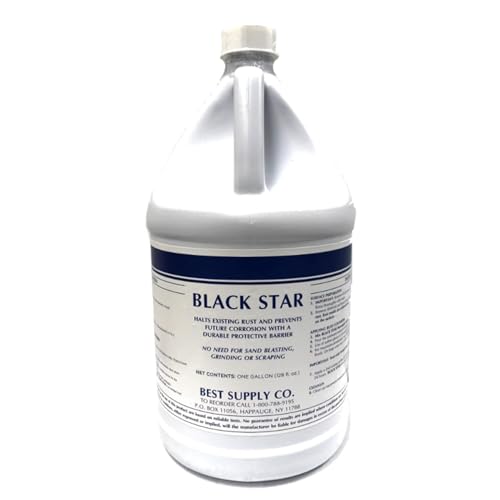
BLACK STAR MRO Chem Rust Converter 1 Gallon
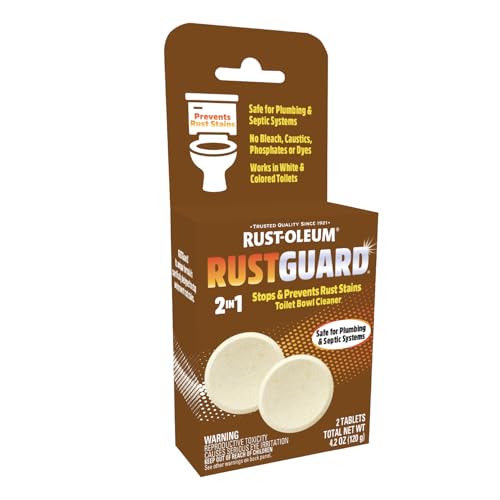
Rust-Oleum RustGuard Rust Stain Remover 2-Tablet Box

Rust-Oleum Rust Dissolver Jelly 8 oz

CLR Brands Calcium, Lime & Rust Remover with Cling 22 oz
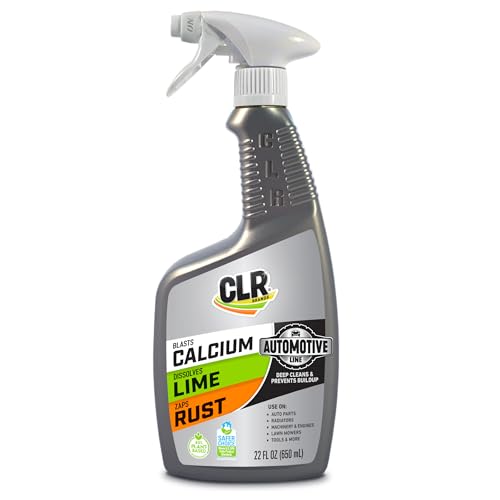
CLR Brands Automotive Calcium, Lime & Rust Remover Spray 22 oz

Abracadabra Magic Rust Remover 32 oz
More Details On Our Top Picks
Kitchen appliances and patio grills ask for a calmer touch than rough metal work, and this cream fits that kind of cleanup. The 4 fl oz size makes sense for spot treatment, not big restoration jobs, so you may find it best for recurring marks on stainless surfaces rather than heavily flaked rust.
The appeal here is the narrower use case, especially around appliances that live indoors and need a cleaner finish after maintenance. Compared with the heavier converters later in this list, CLEAN MY STEEL stays focused on surface care, which suits home cooks and anyone who wants a more restrained product for stainless steel.
What We Like
- Designed for stainless steel surfaces, which matters for appliances you want to keep looking tidy.
- Cream format gives you controlled application, so you can work around handles, edges, and trim.
- The small bottle size stores easily in a utility cabinet or under a sink.
- Better fit for regular touch-ups than aggressive stripping, which helps on finished surfaces.
Things To Consider
- The compact bottle suits smaller jobs, but it is not the right pick for broad corrosion patches.
- Stainless-specific focus means you will want another option for painted steel or mixed-material repair.
- Cream formulas usually call for a little more patience around corners and seams.
Feature Snapshot
Who It Suits Best
Home cooks, grill owners, and anyone handling stainless appliances in a busy kitchen will get the most from this cream.
A Better Fit Elsewhere
Rust-Oleum Rust Dissolver Jelly 8 oz suits larger, more stubborn metal parts better, especially for garage work and vertical surfaces.
Knife care changes the whole story, because you want rust removal that respects the edge as much as the finish. This Dalstrong piece leans into that narrower role, and the calcium carbonate base makes it feel more like a polishing helper than a harsh restoration compound.
That difference matters in real kitchens with scissors, cookware, and sharpening stones on the counter. Compared with CLEAN MY STEEL, this one is less about appliance cleanup and more about keeping hand tools presentable, so it suits cooks, hobbyists, and anyone who maintains blades often.
Highlights
- Made for knives and scissors, which gives it a clear purpose in the kitchen.
- Works on stainless steel pots and pans, so it covers more than just blades.
- Also listed for whetstones, a useful detail for people who sharpen at home.
- Calcium carbonate gives it a gentler polishing feel, which many tool owners prefer for routine care.
Small Caveats
- Its focused role means it is not the broadest choice for general household rust cleanup.
- You may find the polishing style slower on heavier corrosion than a converter product.
- Tool maintenance use means careful wiping and storage matter after each use.
Core Details
Who Will Love This
Home cooks, knife hobbyists, and tool-care enthusiasts who want a tidy, controlled rust remover will appreciate this one most.
Where A Sibling Pick Shines
Rust-Oleum 7830730 Stops Rust Rust Reformer Formula is the stronger match for workshop metal that needs to be made paint-ready.
This is the kind of formula you reach for after rust has already started changing the surface, not when you just want a light cosmetic clean-up. It chemically converts rust into a paintable finish, which makes it a strong match for garden tools, brackets, and other metal parts headed back into service.
The black finish matters because it signals a prep step, not a polished-clean look, so that trade-off is part of the appeal. Compared with the cream and eraser-style picks above, Rust-Oleum 7830730 is the more serious restoration step for DIYers who plan to repaint afterward.
Strong Points
- Converts rust into a surface that can be painted, which simplifies repair prep.
- Works as a bridge between cleaning and refinishing, useful on aging metal parts.
- Black output helps you see where the treatment has been applied.
- Better fit for workshop or garage projects than delicate indoor touch-ups.
Points To Note
- This is a conversion formula, so it is not meant for a polished stainless finish.
- Paint prep projects take planning, drying time, and a clear next step after treatment.
- The black result may not suit projects where you want the original bare metal look.
Technical Sheet
Made For
DIYers restoring metal furniture, brackets, or hand tools before repainting will get the most value from this reformer.
Another Choice May Suit
BLACK STAR MRO Chem Rust Converter 1 Gallon fits larger steel surfaces better when you need more volume for bulk work.
Bathroom rust stains often arrive with mineral buildup, so a cleaner that also handles calcium and lime can save you from juggling separate bottles. This Free & Clear version keeps dyes and fragrances out of the formula, which makes it a practical fit for households that prefer a simpler cleaner profile.
Compared with the more focused metal picks in this roundup, this one leans toward fixture care and descaling. The honest read is that it shines most on sinks, tubs, and other damp areas where rust is only part of the mess.
Upsides
- Handles calcium, lime, and rust in one cleaner, which trims down cabinet clutter.
- No dyes or fragrances keeps the formula straightforward for indoor cleaning routines.
- Large 26 oz bottle suits repeated bathroom maintenance.
- Works well as a general descaler around fixtures with mixed mineral staining.
Trade Offs
- It is aimed more at bathroom upkeep than bare-metal restoration.
- You may find it less specialized than a dedicated reformer on corroded steel.
- Cap and bottle storage take a bit more shelf room than a small cream.
Details At A Glance
The Right Fit
Homeowners handling bathroom stains and mineral residue around fixtures will get the clearest benefit from this one.
A Better Fit Elsewhere
Rust-Oleum RustGuard Rust Stain Remover suits toilet bowl rust specifically, especially for stained porcelain that needs a targeted cleaner.
Bulk steel projects call for volume, and that’s where this gallon-size converter earns its place. It is built for any steel surface, so you can think bigger than a single tool or small bracket, especially around gates, frames, and shop equipment.
Relative to Rust-Oleum 7830730, this one is less about a compact repair can and more about covering a larger work area. For property maintenance or workshop use, that scale saves you from opening multiple small containers.
Best Bits
- One-gallon size suits larger jobs and repeated use on steel.
- Rust conversion approach makes it useful before painting or refinishing.
- Broad steel-surface compatibility gives it a practical workshop role.
- Good match for owners who keep larger equipment in rotation.
Areas To Watch
- Gallon packaging is more storage-heavy than smaller spot-treatment products.
- It makes the most sense on steel, not on mixed household surfaces.
- Coverage planning matters, so you will want to measure the work area first.
Core Details
Built With In Mind
Maintenance crews, garage hobbyists, and property owners handling broad steel areas will appreciate the volume here.
Skip It When
Dalstrong Premium Rust Remover & Eraser fits better for blade care and smaller kitchen tools that need a lighter touch.
Toilet rust stains need a cleaner that fits the fixture, not a general metal product that drifts into guesswork. This tablet box is aimed at white and colored toilets, so the use case is narrow but sensible for bathrooms that collect iron stains over time.
Compared with the CLR bathroom options, Rust-Oleum RustGuard leans more like a targeted maintenance aid than a broad descaler. That makes it a good fit for homeowners who want a cleaner dedicated to one annoying problem instead of a multipurpose bottle.
Bright Spots
- Tablets make the format simple to store and easy to portion.
- Built for toilet bowls, so the use case is clear from the start.
- Works on white and colored toilets, which broadens fixture compatibility.
- Useful for recurring rust stains that keep reappearing in hard-water bathrooms.
Worth Noting
- It solves a bathroom problem, not general metal rust on tools or hardware.
- Tablet format is less flexible than spray or cream products for other surfaces.
- Cleaning the bowl after treatment may still call for regular brushing.
Feature Rundown
Who Should Grab It
Bathroom cleaners dealing with stubborn toilet rust stains will get the most direct use from this box.
Reach For A Different Pick When
CLR Brands Calcium, Lime & Rust Remover with Cling is the better fit for hard-to-reach bathroom spots that need a spray format.
Thick jelly changes how rust removal behaves on vertical metal, because it clings instead of running off. Rust-Oleum built this for tools, bikes, grills, bolts, and even firearms, so the real strength is staying put long enough for the formula to work.
The listed 10 to 30 minute window for lighter rust gives you a clear sense of pace, though heavier buildup can need another pass. Compared with the reformer above, this one is the better choice when the metal shape is awkward and you want a formula that hangs on rather than slides away.
Reasons To Buy
- Jelly texture clings well to metal, especially on parts that aren’t lying flat.
- Works on a wide spread of gear, from tools to outdoor hardware.
- Light rust can dissolve in a short window, which is useful for routine projects.
- Rinse-and-wipe cleanup keeps the finish step straightforward after treatment.
Honest Caveats
- Heavy rust may need another round, so stubborn jobs can take longer.
- Jelly products need careful handling so they stay on the intended area.
- Storage is easy, but you’ll want to keep the cap sealed to avoid mess.
Feature Card
Perfect Match For
Workshop owners, bike tinkerers, and anyone dealing with rust on oddly shaped metal parts will get the best use from this jelly.
Look Elsewhere When
Rust-Oleum Rust Reformer Formula suits repainting jobs better when your goal is a paintable base rather than a dissolving treatment.
Spray reach matters more than people expect, especially around faucets, shower corners, and other awkward metal edges. The cling feature helps this CLR bottle stay where you place it, which can be useful on vertical or hard-to-angle surfaces.
That makes it a natural step up from plain sprays that run too fast, and it sits neatly between bathroom descaling and rust removal. For most homes, the format is the main selling point, because it gives you control without needing a thick gel.
Standout Traits
- Clinging spray helps the cleaner stay on tricky surfaces longer.
- Useful for hard-to-reach spots where a liquid would slide off.
- 22 oz bottle offers a practical amount for recurring cleaning jobs.
- Works as a multi-mineral cleaner, which trims down the number of products you keep around.
Minor Gripes
- Spray formats can still need follow-up wiping in tight corners.
- It is more of a surface cleaner than a restoration product for damaged steel.
- Storage is simple, though nozzle care matters to keep the spray pattern even.
Spec Overview
Whose Shelf It Belongs On
Anyone cleaning fixtures, shower edges, or cramped bathroom spaces will find this spray format useful.
Swap It Out When
Rust-Oleum RustGuard Rust Stain Remover is a tighter fit for toilet bowl stains that need a dedicated treatment.
Automotive cleaning products need to handle metal contamination without feeling overbuilt for the task, and this CLR spray keeps the focus on multiple surfaces. The EPA Safer Choice mark is part of the listing, along with an ammonia, phosphate, and bleach free formula, so the cleaner profile is more restrained than some garage chemicals.
That makes it a sensible option for exterior car care rather than heavy restoration. Compared with Rust-Oleum’s dissolver jelly, this spray is easier for broad wipe-down work, especially on wheels, trim, and other exposed surfaces that need regular attention.
What We Like
- Spray application works well for broad exterior car surfaces.
- Multiple-surface use gives it flexibility around automotive cleaning tasks.
- Ammonia, phosphate, and bleach free formula keeps the profile simpler.
- EPA Safer Choice recognition appears in the source details and may matter to cautious shoppers.
Room For Improvement
- It is aimed at routine exterior cleaning more than rust repair.
- Broad use means it is less specialized than a dedicated rust reformer.
- Sprays need enough dwell time to work, so quick wipes may not be enough.
Feature Rundown
Best Suited To
Car owners who want a general exterior cleaner with rust-related coverage will get the clearest fit here.
A Better Fit Elsewhere
CLR Brands Calcium, Lime & Rust Remover with Cling works better for vertical bathroom surfaces that need more hang time.
Some rust cleaners stay narrowly focused, and others lean broad enough to cover more of the home and yard. Abracadabra falls into the broader group, with coverage listed for concrete, fiberglass, glass, fabrics, vinyl, metals, and carpet, so it makes sense for mixed-surface cleanup after rust leaves a mark.
That flexibility is the big draw, though it also means you will want to match it carefully to the material in front of you. Compared with the metal-only options above, this one is the general-purpose backup for shoppers who keep seeing rust stains on more than one surface type.
Highlights
- Wide surface compatibility gives it a real role in mixed household cleanup.
- 32 oz bottle offers a larger supply than many focused rust products.
- Useful around home and outdoor areas where rust stains spread beyond metal.
- Can reduce the need for several separate stain removers in a utility cabinet.
Softer Spots
- Broad compatibility means the job still depends on the material in front of you.
- It is less specialized than a dedicated rust reformer or knife cleaner.
- Larger bottle size takes more shelf space than the compact picks.
Feature Card
Who Should Grab It
Households dealing with rust stains across several material types will find this broad cleaner the most useful.
Another Choice May Suit
Rust-Oleum 7830730 Stops Rust Rust Reformer Formula is the better fit for a metal surface that needs to be painted afterward.
How To Choose The Right Rust Cleaner for Metal
Match the formula to the job
The most useful split is between removal, conversion, and maintenance. A cream or spray suits light surface rust and routine care, while a reformer or converter makes more sense when the metal will be primed or painted later.
That difference matters because the finish you want should guide the chemistry, not the other way around. For kitchens and grills, a gentler stainless-focused product usually feels right, while garage or fence work often calls for something stronger.
Think about the shape of the metal
Flat parts are easy to treat with liquids, but vertical rails, bolt heads, and tight corners need cling. Jelly formulas and cling sprays hold their position better, so they waste less product on awkward surfaces.
That little detail changes the whole cleanup. A runoff-prone cleaner can force extra wiping, while a thicker formula stays where you placed it and gives you more control.
Check the surface family first
Stainless steel, painted steel, toilet porcelain, and mixed household materials all ask for different products. A stainless cleaner can be a poor fit on raw steel, and a rust converter usually makes little sense on a bathroom fixture.
Think of surface type as the first filter, then decide how strong the formula needs to be. That keeps you from using a hard-working product in the wrong place.
Size and storage matter more than they seem
A small cream or 8 oz bottle works well for spot jobs, tool boxes, and apartment storage. Larger bottles and gallon containers suit regular upkeep or bigger structures, but they do take more shelf room.
The honest read is that the right size saves you time later. You do not want a gallon jug for a single knife handle, and you do not want a tiny bottle for a fence panel.
Things Worth Knowing First
Common Shopping Slip Ups
One common mistake is choosing a rust cleaner by strength alone and ignoring the material. That usually leads to a mismatch, especially around stainless steel, porcelain, or painted parts.
Another slip-up is buying a broad cleaner for a very specific job. A toilet tablet, a knife eraser, and a paint-ready reformer all serve different ends, even though they sit under the same category.
The Upgrade Payoff
More specialized formulas often cost more because they solve a narrower problem with better control. A cling spray, a thick jelly, or a reformer usually earns its keep when the surface is vertical, large, or headed for repainting.
You also get better convenience in many cases, since the formula matches the task more closely. That matters most for frequent use, bigger jobs, or surfaces that punish sloppy application.
Frequently Asked Questions
What’s the difference between a rust remover and a rust converter?
A rust remover lifts or dissolves rust from the surface. A converter changes rust into a stable layer that can be painted over.
Can you use the same product on kitchen metal and outdoor tools?
Sometimes, but the surface type should guide the choice. Stainless cleaners suit kitchen metal better, while heavier dissolvers or converters fit tools and yard hardware.
Which format works best on vertical metal?
Jelly and cling spray formats usually stay in place better than thin liquids. That helps on rails, bolts, and other upright parts.
Do broad rust cleaners replace specialty products?
Not really, because specialty products solve narrower jobs with more precision. A multi-surface cleaner is useful, but it usually gives up some focus.
What size should you start with?
A small bottle is sensible for spot repairs and occasional maintenance. Larger containers make more sense for repeated projects or broad surface areas.
Closing Thoughts
You’ll get better results from a rust cleaner for metal when the formula matches the surface, the shape, and the job ahead of you. Stainless steel, raw steel, toilet bowls, and automotive trim all ask for different approaches, and this list keeps those differences clear. Pick the option that fits your actual cleanup routine, not the biggest label or the broadest promise. That keeps the work simpler and the finish cleaner.