Right-angle tools shine in cramped engine bays, under sinks, inside cabinets, and anywhere a straight body feels like a stick jammed sideways. You want enough torque, enough control, and a shape that actually reaches the fastener without turning the job into a wrestling match.
This roundup focuses on compact right-angle impact drivers, angle impact wrenches, ratchets, and related kits that fit real garage, home, and jobsite tasks. Some choices suit quick assembly work, while others are built for stubborn hardware or awkward access, so you can match the tool to the task instead of forcing one tool to do everything.
Quick Look At The Shortlist

KOOPOOL Magnetic Socket Set with Right Angle Adapter

Milwaukee Right Angle Impact Wrench 2564-20
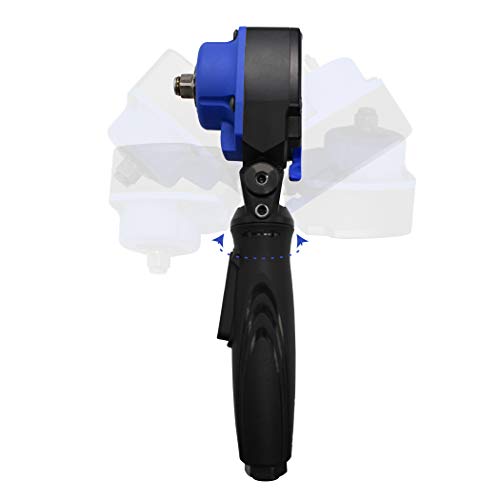
Astro Tool 1834 Nano Flex-Head Angle Impact Wrench

TUXIYA 30-in-1 Right Angle Screwdriver Ratchet

ACROPOW 3/8-Inch Cordless Ratchet Wrench for Dewalt 20V

RYOBI ONE+ HP 18V Brushless Compact 3/8 In. Right Angle Drill

Milwaukee 2565-20 M12 FUEL 1/2-Inch Right Angle Impact Wrench
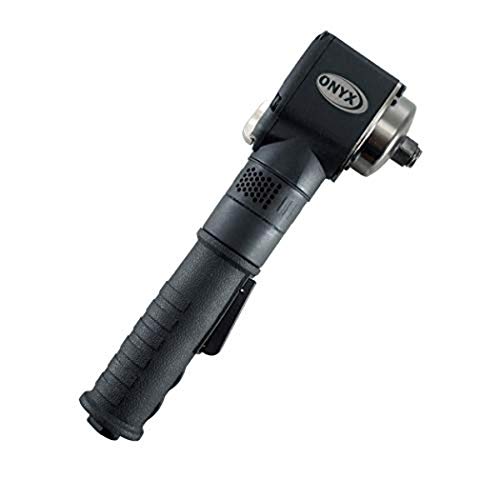
Astro Pneumatic Tool 1832 ONYX Nano Angle Impact Wrench
This kit suits you when a drill needs to do more than one job without taking over the toolbox. The socket adapters, bit holder, and right-angle drill adapter give you a flexible setup for furniture assembly, light mechanical work, and general home repair.
The trade-off is simple, it’s a helper set rather than a heavy driver, so you’re relying on the drill behind it for real muscle. For weekend repairs and mixed fastener sizes, that’s often enough, and the storage case keeps the small parts from drifting around a drawer.
Strong Points
- Combines sockets, adapters, and a bit holder in one kit.
- Right-angle access helps in cabinets, corners, and other tight clearances.
- SAE and metric sizing makes it easier to handle mixed household hardware.
- Storage case supports cleaner transport and less loose-part clutter.
Points To Note
- It depends on your drill for power, so this is not the main source of torque.
- Small adapters are easier to misplace than a single-piece tool.
Feature Snapshot
Whose Shelf It Belongs On
You’ll get the most value from this set as a home repair helper or a weekend project kit.
Reach For A Different Pick When
Milwaukee 2564-20 suits you better for powered fastening in cramped automotive spaces.
For cramped suspension work or engine-bay fasteners, this kind of tool makes a straight body feel out of place. The right-angle head gives you a more direct shot at hardware that sits against panels, hoses, or other obstacles.
The appeal here is clear, especially for mechanics who deal with awkward access more than everyday assembly. The honest trade-off is that it makes more sense as a specialty power tool than as a general household driver, so it’s a better fit for focused shop use.
What We Like
- Right-angle form helps you stay aligned in crowded work zones.
- Impact-wrench layout suits stubborn fasteners better than a light driver.
- Useful for automotive repairs where clearance matters more than reach.
- Compact shaping keeps your wrist and hand position less awkward.
Softer Spots
- It is more specialized than a standard drill or ratchet.
- For light home assembly, the capability can be more than you need.
Core Details
Who Should Grab It
You’ll appreciate this most in a garage, service bay, or restoration space where access is tight and fasteners fight back.
Swap It Out When
RYOBI ONE+ HP 18V Compact 3/8 In. Right Angle Drill fits home setups that lean more toward drilling than impact work.
Some jobs need more muscle than a compact driver can give, and this Astro format leans into that need. The 1/2-inch drive makes it better suited to larger sockets and tougher hardware, while the flex head helps you work around awkward geometry.
The trade-off is size and purpose, because a tool like this is built for harder removal tasks rather than delicate indoor assembly. For heavier garage work, that’s the point, and the smaller footprint still helps where a straight impact wrench would get trapped.
Upsides
- 1/2-inch drive handles larger socket tasks.
- 400 ft/lb torque rating points to serious fastening muscle.
- Flex-head design helps with access around obstructions.
- Useful for lug-style or other heavy removal jobs.
Room For Improvement
- Built for heavier work, so it is not the most subtle option.
- Flex-head hardware can feel more specialized than a fixed-head tool.
Details At A Glance
Built With In Mind
You’ll get the best match here in a garage setting where stubborn hardware and limited space show up together.
A Better Fit Elsewhere
Milwaukee 2564-20 is the cleaner fit for professional users who want a more compact right-angle impact wrench.
This one is about finesse in cramped spaces, not brute force. The 36-tooth ratchet gives you finer engagement than a coarse mechanism, which helps in spots where you only have a little swing room.
You’ll probably appreciate it for furniture assembly, appliance trims, and small repairs around the house, especially where a full-size driver feels clumsy. The honest read is that it solves access problems very well, but it won’t replace a powered tool for fast, stubborn hardware.
Best Bits
- 30-in-1 setup covers a wide spread of screw heads.
- Low-profile body works well in narrow clearance areas.
- 36-tooth ratchet supports smoother incremental turning.
- Magnetic design helps keep bits seated more securely.
Things To Consider
- Manual operation means the tool asks more of your hand.
- Not the right match for heavy fastening or removal.
Feature Rundown
The Right Fit
You’re in the sweet spot for this tool when your work is light, precise, and space-limited.
Look Elsewhere When
ACROPOW 3/8-Inch Cordless Ratchet Wrench for Dewalt 20V suits you better once you want powered turning.
This ratchet makes sense for you once hand turning starts to feel slow in repeated mechanical work. The brushless motor, which uses electronic control instead of carbon brushes, points to better runtime and less wear inside the tool.
The 74 ft-lbs rating, variable speed control, and included 1/2-inch and 1/4-inch adapters make it more versatile than a manual right-angle screwdriver like the TUXIYA. The trade-off is platform lock-in, because it is built around Dewalt 20V batteries and sold as tool only.
Reasons To Buy
- Brushless motor supports longer runtime and steadier output.
- Variable speed gives you more control around delicate hardware.
- Adapters and extension bar widen the tool’s working range.
- Three-quarter-pound class reach is useful for repetitive service jobs.
Minor Gripes
- Battery and charger are separate, so setup depends on your existing gear.
- Tool-only format is best for Dewalt users, not a universal fit.
Technical Sheet
Who Will Love This
You’ll get the most out of it in a home garage or service setting where repeated fastening is part of the routine.
Another Choice May Suit
TUXIYA 30-in-1 Right Angle Screwdriver Ratchet fits lighter assembly work better when you do not need motorized turning.
Cabinet installs, shelf builds, and tight stud bays are where a right-angle drill earns its keep, and this RYOBI fits that lane well. The brushless motor brings better runtime and longer motor life than a brushed design, which matters during longer project days.
Compared with the ACROPOW ratchet, this is the more natural choice for drilling and general fastening rather than socket work. The only real catch is that it is tool only, so the battery and charger piece has to live somewhere in your existing RYOBI setup.
Highlights
- Compact body works well in cabinets and framing gaps.
- Brushless motor supports more efficient runtime.
- 18V platform suits homeowners already using ONE+ tools.
- Right-angle drill shape is better for bit access than a straight drill in tight spots.
Areas To Watch
- Battery and charger are sold separately.
- Tool-only setup makes the first purchase less complete for new users.
Feature Card
Made For
You’ll like this most for home projects where reach matters more than raw fastening force.
Where A Sibling Pick Shines
Milwaukee 2565-20 is the better match for frequent right-angle impact wrench work in automotive spaces.
This Milwaukee sits in the sweet spot between size and capability for service work. The 1/2-inch friction ring, which uses spring tension to hold sockets, makes quick socket changes practical when you’re moving through repeated jobs.
Compared with the lighter RYOBI drill, this is the more purpose-built choice for impact fastening in tight vehicle spaces. The trade-off is that it stays firmly in the tool-only, battery-platform lane, so it makes the most sense for users already invested in M12 gear.
Positives
- 1/2-inch drive suits a wide set of common sockets.
- Friction ring helps keep sockets seated during work.
- Right-angle body aids access around hoses and panels.
- Tool-only format fits users who already own M12 batteries.
Worth Noting
- Friction-ring retention is quick, though some users prefer a detent-pin feel.
- Platform users get the most value, while first-time Milwaukee shoppers need batteries too.
Key Specs
Best Suited To
You’ll appreciate this most in auto repair settings where access is narrow and speed matters.
Skip It When
RYOBI ONE+ HP 18V Brushless Compact 3/8 In. Right Angle Drill makes more sense for drilling-focused home projects.
This Astro leans hard into torque, with a compact angle head that helps where a larger wrench would simply not fit. The 415 ft/lb rating gives you a clear sense of its job, which is tough fastener removal in tight mechanical spaces.
Relative to the Astro 1834, this version steps up in listed torque, so it suits the person who wants more pulling power from the same general form factor. The honest caveat is that this kind of tool feels most at home in heavy garage work, not casual household assembly.
Bright Spots
- 415 ft/lb rating points to stronger removal capability.
- Nano angle shape helps fit into tighter work zones.
- 1/2-inch drive keeps socket options broad.
- Good match for service bays and suspension-adjacent work.
Small Caveats
- More torque usually means a more specialized job profile.
- Less appealing for light-duty users who only need occasional access.
Core Details
Who It Suits Best
You’ll get the clearest value from this tool in a garage where stubborn fasteners and awkward access show up together.
Consider Something Else When
Astro Tool 1834 Nano Flex-Head Angle Impact Wrench makes more sense for users who want a slightly different torque profile and flex-head feel.
How To Choose The Right right angle impact drivers
Match The Tool To The Job
Right-angle impact drivers, wrenches, drills, and ratchets do not all solve the same problem. A right-angle drill like the RYOBI ONE+ HP 18V makes sense for drilling holes or driving screws in cabinets, while a right-angle impact wrench such as the Milwaukee 2565-20 is built for socket work and tighter automotive access.
That difference matters because torque, bit retention, and head shape all change how the tool behaves in hand. A light driver can feel nimble, but it won’t replace an impact wrench on stubborn hardware.
Check The Drive And Retention Style
Drive size tells you what kind of accessories the tool accepts, with 3/8 inch and 1/2 inch serving different jobs. Smaller drives are handy for lighter mechanical tasks, while 1/2-inch tools like the Astro 1832 ONYX or Milwaukee 2565-20 suit broader socket work.
Retention also matters, especially on cordless impact tools. A friction ring allows quick socket changes, while other retention styles may feel more secure depending on how you work and how often you swap pieces.
Think About Power Source And Platform
Battery platform tools fit best when you already own matching packs and chargers. The ACROPOW ratchet is built around Dewalt 20V batteries, while the RYOBI drill and Milwaukee tools stay inside their own ecosystems, which can save clutter but also narrow flexibility.
Tool-only listings can be a smart second purchase, yet they are less convenient for a first-time setup. That’s the real trade-off: lower duplication later, but a bigger setup decision now.
Weight, Access, And Control Still Count
Compact right-angle tools are there to solve reach problems, so body shape matters as much as raw output. A flex head, like the Astro 1834, can help around obstructions, while a low-profile manual tool like the TUXIYA is better for tiny spaces where power would be overkill.
For repetitive work, a better grip, better balance, and simpler bit changes matter more than flashy numbers. A tool that fits your hand and clears the space usually feels easier to live with than a heavier model that promises more than your jobs actually need.
Things Worth Knowing Before You Choose
Common Shopping Slip Ups
One common mistake is mixing up drills, ratchets, and impact wrenches as though they’re interchangeable. They’re not, and the wrong format can leave you with either too little force or far more tool than your task needs.
Another misstep is forgetting the battery platform. Tool-only models look tidy on the page, then become awkward if you do not already own the matching packs.
What The Higher Tier Buys
Higher-end tools often cost more because of motor design, tighter packaging, and better access-focused engineering. Brushless motors, compact angle heads, and retention systems like friction rings all add to the bill, but they also improve how the tool feels in daily use.
The upgrade makes sense when you use the tool often, especially in garages, service bays, or remodel work. For occasional furniture assembly, a simpler manual right-angle tool may be plenty.
Frequently Asked Questions
What makes a right-angle impact tool different from a regular drill?
A right-angle impact tool bends the head so you can reach fasteners in cramped spots. A regular drill stays in a straight line, which can get in the way against walls, panels, or cabinets.
Are 3/8-inch models enough for home projects?
For many home repair tasks, yes, especially when you’re dealing with medium-size fasteners or sockets. A 1/2-inch tool makes more sense when the work grows larger or tougher.
Do tool-only listings make sense?
They do, as long as you already own the matching battery platform. They are less convenient when you need to start from zero.
Why does brushless motor design matter?
Brushless motors usually help with runtime and motor life because they reduce internal wear points. That matters most on tools you use often or for longer stretches.
Which type fits tight automotive work best?
A right-angle impact wrench usually suits automotive service better than a basic right-angle drill. The combination of socket drive and compact head helps in crowded engine and suspension areas.