You need tools that make wiring jobs cleaner, faster, and less tiring, whether you’re handling outlet swaps, panel work, lighting installs, or weekend repairs. This roundup focuses on new electrician tools that fit real shop use, from ratcheting crimpers to drill-mounted wire twisters and multi-function pliers. You’ll see where each one fits, where it falls short, and which type of work it handles best. That makes it easier to match the tool to the job instead of filling your pouch with extras you won’t reach for.
Quick Look At The Shortlist
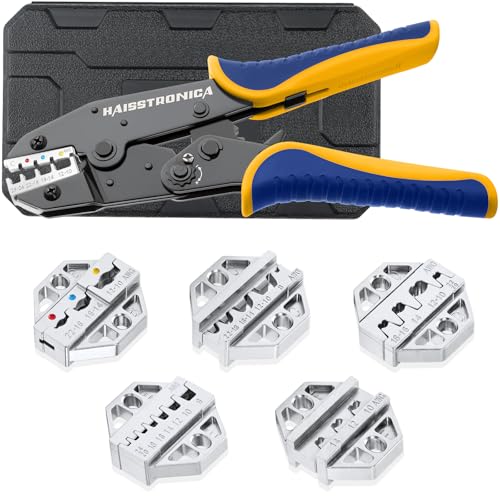
haisstronica 6PCS Crimping Tool Set
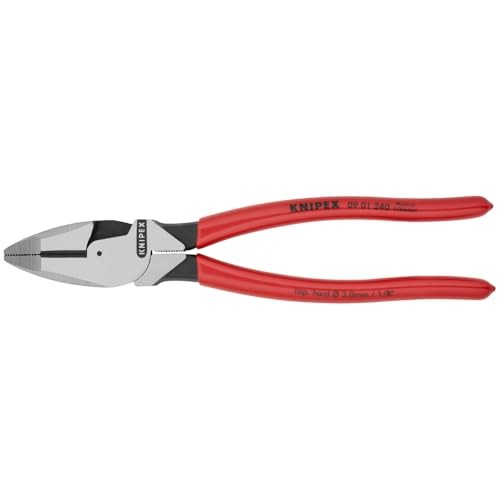
KNIPEX Tools 09 01 240 SBA Lineman's Pliers

Hoiuter Wire Twister Tool for Drill
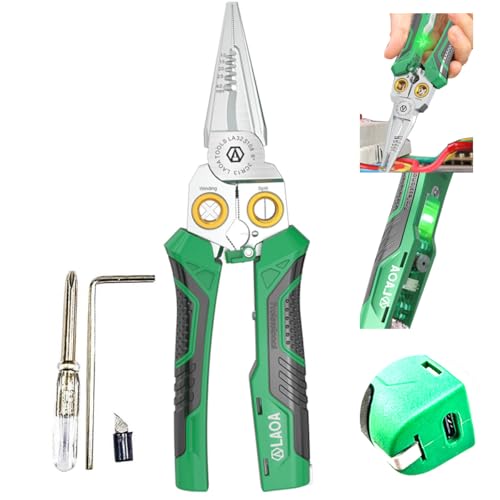
LAOA Electrician Pliers 8-in-1

FAITIO 8-in-1 Wire Stripper with Voltage Tester

KNIPEX Tools 09 08 240 SBA Insulated Lineman's Pliers

Jheoyrt 4 Pcs Wire Twister Tool for Drill

Mozeyerh Wire Stripper Twister Tool for Drill
This set suits you well on days that involve mixed terminations, because the ratcheting action helps keep crimp pressure even. The bundle points toward heat-shrink, insulated nylon, non-insulated, ferrule, open-barrel, and solar connector work, so you’re not stuck improvising with one awkward tool.
Compared with the simpler plier-style picks in this list, the trade-off is size and setup time, but the payoff is better task fit across more wire-end styles. For a busy bench or service van, that kind of range can save a lot of swapping around.
Strong Points
- Ratcheting motion helps deliver a more even crimp on repeated terminations.
- Covers several connector styles, so you can keep one set near the bench.
- The included stripper and screwdriver add small but useful convenience.
- Good match for mixed repair days, especially around panels, lighting, and solar-adjacent work.
Points To Note
- The kit takes more pouch space than a single plier.
- Ratcheting tools usually need a little care to stay clean and smooth.
Feature Snapshot
Who It Suits Best
You’ll get the most from this set if you handle different connector types on a regular basis and want one organized kit for the bench or truck.
Where A Sibling Pick Shines
KNIPEX Tools 09 01 240 SBA Lineman's Pliers suit you better when you want a single hand tool for cutting, gripping, and general rough-in work.
For rough-in days and service calls, this plier style keeps things direct and familiar. The high-leverage geometry uses an optimized transmission ratio, which means you get more cutting force with less hand effort than a conventional combination plier.
That makes sense for long shifts, especially when you’re trimming repeated conductors or working through stubborn material. The honest read is that this is less about versatility and more about dependable hand comfort, which is exactly why many technicians keep a pair nearby.
What We Like
- High-leverage design helps reduce hand strain on repeated cuts.
- 9.5-inch size gives you a substantial working feel without going oversized.
- Useful as a general-purpose lineman's plier for cutting and gripping.
- Simple tool shape makes it easy to keep in daily rotation.
Minor Gripes
- Single-purpose focus means it won’t replace a multi-tool setup.
- The larger body can feel bulky in a very slim pouch.
Technical Sheet
Built With In Mind
You’ll appreciate this most if your workday is full of repeated cutting, gripping, and rough handling where a sturdy plier matters more than extra features.
A Better Fit Elsewhere
LAOA Electrician Pliers 8-in-1 suit you better when you want one tool to handle stripping, pulling, crimping, and voltage checks in a smaller kit.
Drill-mounted twisting tools are for the moments when a hand twist starts feeling endless, especially on bigger splice runs or repeated junction-box work. This one uses 40Cr steel with a galvanized finish, so the body is built for hard use and a longer service life in a pouch or truck drawer.
Compared with the hand-based crimpers above, the main draw here is speed with less wrist fatigue. The trade-off is obvious, though, you need a drill in the workflow, so it suits you best when setup speed matters more than staying fully manual.
Upsides
- Hex-shank format makes it easy to pair with a drill.
- Useful for keeping wire twists tight and consistent across repeated splices.
- 40Cr steel construction gives it a hard-wearing feel.
- Galvanized surface helps it resist wear in ordinary shop storage.
Worth Noting
- You need compatible drill setup to get the benefit.
- Best suited to repetitive wire work, not every repair task.
Core Details
The Right Fit
You’ll get the most value from this on installation days where repeated wire bundles slow you down and you want a drill to do the repetitive work.
Reach For A Different Pick When
FAITIO 8-in-1 Wire Stripper with Voltage Tester suits you better when you want a single hand tool for stripping, crimping, and basic electrical checks.
This one leans into all-in-one utility, which helps when your pouch is already crowded. Stripping, cutting, cable splitting, wire pulling, crimping, and a non-contact voltage tester are all built into a USB-C rechargeable body, so you’re not constantly hunting for batteries or a second tool.
The shape makes sense for apartment repairs, light service work, or the kind of day where you’re moving from one small job to another. The trade-off is that multi-function pliers usually ask you to accept a little compromise in any single task, so you’re buying convenience more than specialization.
Highlights
- Eight functions can reduce tool swapping during small repair jobs.
- USB-C charging keeps power management simpler than battery replacement.
- Built-in voltage checking adds a handy extra step for routine work.
- Good fit for light kits, van storage, and mobile fixes.
Room For Improvement
- Multi-function designs can feel less specialized than a dedicated stripper or plier.
- Rechargeable tools need routine charging discipline.
- The feature count may feel like more than you need for very simple jobs.
Details At A Glance
Whose Shelf It Belongs On
You’ll like this most if you want a compact tool that can stay in a daily pouch and handle a broad mix of small electrical tasks.
Another Choice May Suit
KNIPEX Tools 09 08 240 SBA Insulated Lineman's Pliers suit you better when your priority is stronger leverage and insulated handling in tougher field work.
This pick is built for small jobs that still need several steps done in one pass. It combines stripping, cutting, crimping, twisting, pulling, scraping, pressing, and short-circuit checking, so you can move through outlet work, appliance wiring, or HVAC side tasks without changing tools as often.
The stated tester range of 12V to 250V AC/DC gives it a broad service range for common repair contexts, though you still want to treat the tool as a helper rather than a substitute for careful job planning. Compared with the LAOA multi-tool, this one feels a bit more focused on compact utility than rechargeable convenience.
Best Bits
- Eight functions cover a lot of routine electrical chores.
- Handles 10 to 18 AWG wire, which suits many home and light commercial tasks.
- Voltage tester range adds practical job-site usefulness.
- Good size for a drawer, pouch, or truck bag.
Small Caveats
- Multi-step tools can feel less specialized than dedicated single-purpose gear.
- Best value shows up in frequent small repairs, not occasional one-off fixes.
Feature Rundown
Made For
You’ll get the most out of this on repair-heavy days where speed matters more than carrying a separate tool for every step.
Look Elsewhere When
Haisstronica 6PCS Crimping Tool Set suits you better when your work centers on connector-specific crimping rather than broad all-purpose stripping.
Compared with the uninsulated KNIPEX pair above, this version adds insulated handling and ultra-high leverage, which makes the tool feel more purpose-built for more demanding electrical work. The longer 9.5-inch body gives you room to apply force without overworking your hand, and that matters on long service calls.
In most tool bags, this lands as the more serious line-worker choice rather than the casual general-purpose one. You may find the insulation and leverage worth the extra space it takes, especially when your day includes tougher material and repeated cuts.
Bright Spots
- Insulated construction suits electrical environments where handled protection matters.
- Ultra-high leverage helps turn hand effort into stronger cutting action.
- 9.5-inch size offers reach and control for repetitive work.
- Feels like a focused upgrade from a plain plier.
Areas To Watch
- It is still a single-purpose plier, so versatility stays limited.
- The larger frame is not as pocket-friendly as a compact tool.
Feature Card
Best Suited To
You’ll appreciate this most as a field-ready plier for serious electrical jobs where leverage and insulated handling are both high on the list.
Skip It When
FAITIO 8-in-1 Wire Stripper with Voltage Tester fits you better when you want a lighter all-rounder for basic repair work.
This four-piece set is aimed at drill users who need different wire-twisting options without carrying a large kit. Mounting the tool to a drill frees up your hand, cuts down on fatigue, and helps produce tighter, more secure twists during repeated install work.
That makes it a smart fit for larger wiring runs or service days where many splices stack up fast. The set format gives you more flexibility than the single-piece Hoiuter option, though the flip side is that you’ll want to keep the pieces organized so the right one is easy to grab.
Positives
- Four-piece pack adds more setup options than a single-twister kit.
- 6 mm hex shank keeps compatibility simple for drill use.
- Helps reduce hand fatigue on long twisting sessions.
- Works well for 2-way through 7-way twisting needs listed by the maker.
Trade Offs
- You need a drill to get the main benefit.
- Small parts need careful storage to avoid getting scattered in a pouch.
Spec Overview
Who Should Grab It
You’ll like this most if you spend long stretches making repeat wire bundles and want drill-assisted speed with a little more flexibility.
Swap It Out When
KNIPEX Tools 09 08 240 SBA Insulated Lineman's Pliers suit you better when you need a hand tool built for leverage and insulated field use.
This one covers two common job steps in the same setup, stripping and twisting, which makes it useful for fast installs and recurring service work. The 8-in-1 format with a 5-piece blade set points toward a more adaptable shop helper, especially for conductors in the 6 to 14 AWG range.
Compared with the drill twisters above, this option leans more toward broad everyday usefulness than larger multi-piece flexibility. You may find it especially handy in a busy toolkit where you want fewer separate attachments and a smoother workflow.
Reasons To Buy
- Combines stripping and twisting in one compact workflow.
- 8-in-1 layout supports a lot of routine electrical prep.
- 5-piece blade set adds useful variety for day-to-day work.
- Good fit for fast-paced install days and general maintenance.
Honest Caveats
- Drill use is part of the setup, so this is not a standalone manual tool.
- Blade pieces deserve careful storage so they stay easy to find.
Core Details
Right Fit
You’ll get the most from this if you want one drill-ready attachment to streamline stripping and twisting during busy install days.
Where Shoppers Go Wrong
Haisstronica 6PCS Crimping Tool Set suits you better when connector crimping is the main job and twisting is only a side task.
How To Choose The Right New Electrician Tools
Match The Tool To The Job Mix
Start with the work you do most. Crimpers make sense for connector-heavy installs, plier styles suit cutting and gripping, and drill twisters help when repeated splices eat time.
That match matters more than a long feature list. A tool that does three jobs well usually beats one that does eight jobs awkwardly.
Pay Attention To Wire Range And Compatibility
Wire gauge, often written as AWG, tells you the conductor size the tool is designed around. A stripper or twister that fits your usual range will feel smoother and waste less time.
Compatibility also covers shanks, power needs, and the way the tool fits in your hand or drill. A 6 mm hex shank means little on paper, yet it matters a lot if your drill chuck needs a clean, stable fit.
Think About Fatigue And Hand Feel
Long service days expose small comfort problems fast. High-leverage pliers reduce hand effort, ratcheting crimpers make pressure more consistent, and drill attachments spare your wrist on repeated twists.
That’s the quiet value in this category. The right handle shape or leverage pattern can make the last hour feel a lot more manageable.
Choose Between Simplicity And Versatility
Single-purpose tools are easier to learn and usually feel more direct in use. Multi-function tools cut pouch clutter, but they can ask you to accept a slight compromise in one or two tasks.
Your best pick depends on how often you move between job types. A service van full of mixed work often benefits from versatility, while a focused trade setup often prefers dedicated hand tools.
A Quick Reality Check Before You Decide
Hidden Buying Traps
One common mistake is chasing feature count without checking the wire range or connector type. Another is buying a drill attachment before confirming you already own a drill that fits the shank style.
Storage gets overlooked too. Small blade sets and twisting accessories need a place to live, or they vanish into the tool drawer right when you need them.
The Upgrade Payoff
Higher-tier tools often cost more because of better leverage, tougher materials, tighter tolerances, or added insulation. Those details show up in smoother cuts, cleaner crimps, and less hand strain during long workdays.
That upgrade makes the most sense for frequent field work, not a one-off household repair. For occasional use, a simpler tool often covers the need without adding weight to your pouch.
Frequently Asked Questions
What makes a good electrician tool for daily use?
A good daily tool feels comfortable, fits the wire sizes you handle most, and does its job without fuss. Strong leverage, clear function layout, and solid storage matter more than flashy extras.
Do drill-mounted wire twisters really help?
They help most on repeat splice work, where hand twisting starts to slow everything down. The benefit is speed and reduced fatigue, especially on larger installs.
Should you choose a multi-tool or a single-purpose tool?
A multi-tool works well for a compact kit and mixed repair days. A single-purpose tool usually feels better for one repetitive task done often.
What wire gauge range should you look for?
Start with the wire sizes you use most at home or on the job. A tool that matches your common AWG range will usually feel smoother and more controlled.
Are rechargeable electrician tools worth it?
Rechargeable tools make sense when you want fewer battery swaps and a tidier kit. They suit you best when regular charging fits your routine.