Wood surfaces pick up fingerprints, dull patches, and a tired look faster than most people expect, especially on kitchen cabinets, dining tables, and high-touch furniture. The right natural wood polish can help you restore a softer sheen, make routine dusting easier, and keep the finish looking cared for without turning the room into a chemical cloud. Some options lean toward conditioning, others toward quick cleaning, and a few handle both. This roundup helps you match the product to the way you actually live.
The Shortlist At A Glance

CARGEN Beeswax Furniture Wood Polish 300ML

Daddy Van’s All Natural Beeswax & Lavender Furniture Polish

Aunt Fannie’s All Purpose Wood Spray Cleaner 16.9 Ounces

Therapy Wood Cleaner and Polish Cabinet & Table Restorer 2-Pack

HOWARD Orange Oil Wood Polish 8 Fl oz

Howard Products Lemon Oil Furniture Polish 16-Ounce
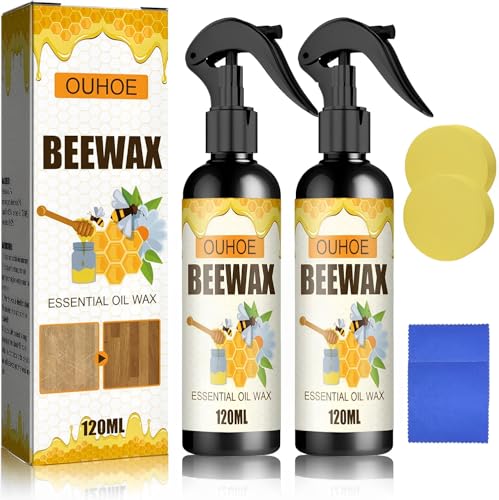
Natural Beeswax Care Spray & Restorer 2 Bottles


Method Wood Polish Almond 14 Ounces

Wood Seasoning Beeswax Furniture Polish 2 Pack
More Details On Our Top Picks
CARGEN leans toward conditioning rather than quick surface gloss, so it fits wood that looks dry, dull, or a little tired. The 300 ml size gives you enough product for recurring cabinet or furniture upkeep without making the bottle feel oversized in a cleaning cabinet.
Compared with Aunt Fannie’s spray, this is the slower, richer kind of care that suits people who want more than a wipe-and-go clean. You may find it especially handy on dining tables, sideboards, and older finished pieces that need a calmer touch.
Strong Points
- Beeswax-based formula suits wood that needs conditioning.
- Larger 300 ml bottle stretches across repeat use.
- Better match for furniture that looks dry.
- Works well for cabinet touch-ups and table care.
Things To Consider
- More of a conditioning product than a quick cleaner.
- Wax-based care can ask for a bit more wipe-down effort.
- The fuller bottle takes more storage space than a spray.
Feature Snapshot
Who It Suits Best
Wood furniture owners who want a conditioning product for regular touch-ups will get the most from this one.
A Better Fit Elsewhere
Aunt Fannie’s All Purpose Wood Spray Cleaner suits busy kitchens and quick wipe-down routines better, especially when you want less residue and faster turnaround.
This polish stands out for the lavender scent, which makes the routine feel calmer in a living room, hallway, or bedroom dresser area. The beeswax base gives it a traditional furniture-care feel, and that helps if you prefer a more natural-looking finish than a shiny, slippery one.
It sits closer to CARGEN than to Aunt Fannie’s, but the scent and conditioning focus give it a more polished household feel. The honest read is that scent preference matters here, because lavender can feel soothing to some people and noticeable to others.
What We Like
- Beeswax and lavender make for a gentler home-care profile.
- Feels suited to regular furniture upkeep.
- Conditioning approach works well on finished wood.
- Fits rooms where scent matters as part of cleaning.
Small Caveats
- Lavender scent may be too noticeable for some homes.
- Not built for fast, spray-and-run cleaning.
- Wax-style care can take more buffing than a lighter cleaner.
Core Details
Who Will Love This
Homeowners who want a naturally scented polish for regular furniture care will find this a comfortable fit.
Swap It Out When
Howard Products Lemon Oil Furniture Polish is the better match for shoppers who want a brighter citrus scent and a slightly more general-purpose shine routine.
Aunt Fannie’s is the most task-friendly pick in the group because it behaves like a cleaner first and a polish second. That no-wax approach matters on tables, counters, walls, and shelves where you want a lighter finish and less buildup over time.
Compared with the beeswax options above, this one is easier to fold into a fast cleaning routine in a busy kitchen. Lemon scent adds a fresh note, though anyone sensitive to fragrance may want to keep that in mind.
Highlights
- No-wax formula suits frequent cleaning.
- Works across tables, walls, counters, and shelves.
- Spray format keeps day-to-day use simple.
- Light lemon scent feels clean without sounding heavy.
- Good match for homes that prefer less residue.
Points To Note
- Cleaner-first formula offers less conditioning than beeswax options.
- Fragrance preference matters in small rooms.
- Not the right fit for someone wanting a richer wax finish.
Details At A Glance
Right Fit For
Busy households that want a wood cleaner for frequent wipe-downs will get the most value from this spray.
A Better Fit Elsewhere
Therapy Wood Cleaner and Polish fits better for shoppers who want a two-bottle conditioning set for cabinets and dining furniture.
Therapy takes the middle ground nicely, pairing a cleaner-and-polish format with a two-pack that makes household upkeep feel less like a one-off chore. The almond scent gives it a warmer profile than Aunt Fannie’s lemon, and that can suit open-plan homes where the cleaning smell lingers.
It makes sense for cabinets, dining tables, and furniture that sees regular use, especially in homes where one bottle disappears faster than you expect. The trade-off is simple, it asks you to like the scent and the more traditional polish feel.
Positives
- Two-pack format helps you keep a spare on hand.
- Works on cabinets, tables, and furniture.
- Almond scent feels softer than sharper citrus options.
- Natural conditioning style fits routine wood care.
Minor Gripes
- Two bottles can take more cabinet space.
- Scent preference still shapes how well it fits your home.
- Less appealing for someone who only wants a fast cleaner.
Spec Overview
Made For
Households that want a conditioning polish for repeat cabinet and furniture care will find this a smart match.
Look Elsewhere When
Aunt Fannie’s All Purpose Wood Spray Cleaner suits you better if your routine is mostly fast kitchen wipe-downs and light maintenance.
HOWARD’s orange oil format gives you a classic furniture-care feel, and the smaller 8 fl oz bottle makes sense for targeted use rather than large weekly cleanups. It’s also the most flexible pick in this group because the listing says it works on finished and unfinished wood, which opens the door for older pieces and mixed furniture sets.
Compared with Therapy and CARGEN, this one feels more like a general wood refresher with a straightforward citrus profile. You may find the smaller size handy in a workshop or apartment storage closet, though a larger home care routine could go through it faster.
Bright Spots
- Works on finished and unfinished wood.
- Orange oil gives it a familiar furniture-polish style.
- Compact bottle fits small storage spaces.
- Good for older furniture with mixed surface needs.
Areas To Watch
- 8 fl oz is modest for large routines.
- Best for spot care more than whole-house use.
- Orange scent may not suit everyone.
Technical Sheet
Who Should Grab It
Owners with older furniture or mixed wood finishes will likely get the most use from this bottle.
Where A Sibling Pick Shines
Howard Products Lemon Oil Furniture Polish makes more sense for shoppers who want a larger bottle and a slightly brighter cleaning scent.
This Howard formula moves a little more toward shine than the previous orange-oil option, and the 16-ounce bottle suits regular upkeep around cabinets and furniture. The lemon profile also feels familiar in household cleaning, which helps if you want a more traditional polish scent without going heavily floral.
It’s a solid middle-of-the-road choice for living rooms, dining furniture, and wood pieces that need visual lift rather than deep restoration. The catch is that shine-focused products can feel too light for wood that is very dry or worn.
Upsides
- 16-ounce bottle supports ongoing home use.
- Lemon scent gives a clean, recognizable polish feel.
- Works well for routine furniture refreshes.
- Easy fit for cabinets and finished wood surfaces.
Worth Noting
- More shine-focused than heavy conditioning.
- Not the strongest fit for very dry wood.
- Scent preference can still influence satisfaction.
At A Glance
The Right Fit
Shoppers who want a balanced polish for everyday furniture refreshes will find this easy to live with.
Another Choice May Suit
HOWARD Orange Oil Wood Polish fits better for people who want a smaller bottle and a formula that also covers unfinished wood.
Biaoyun takes a more modern route with a spray format and two bottles, which makes it feel built for larger homes or recurring floor and furniture care. The listing language points to a micro-molecular spray, and that usually signals a finer, more even application profile than a thick wax stick or paste.
That matters in a house with both wood floors and furniture, because one product can cover more of the routine without much fuss. The trade-off is that a multi-purpose spray may feel less old-school than beeswax paste for someone who wants a richer hand-applied finish.
Best Bits
- Two-bottle set supports repeated upkeep.
- Spray format is easier for broad surface work.
- Useful across floors and furniture.
- Fine-spray style can suit larger rooms.
Room For Improvement
- Spray format may feel less traditional than wax care.
- Two bottles mean more storage space.
- Multi-purpose focus can be less specific than dedicated furniture polish.
Feature Rundown
Built With In Mind
Homes with several wood surfaces, including floors, will get the most practical use from this spray set.
Reach For A Different Pick When
Method Wood Polish suits smaller apartments and lighter routine care better, especially where a simpler bottle matters more than multi-surface coverage.
Goddard’s mixes beeswax and lemon oil in a 23-ounce spray, so it sits between classic wax care and easier spray handling. That combination can suit cabinets especially well, because you get a conditioner-style product without moving into a heavy paste routine.
Compared with Howard Products Lemon Oil Furniture Polish, this one sounds a little more purpose-built for a cabinet-and-wood wax role. The shine and stain-protection language makes it attractive for households that want a more dressed-up finish, though that also means a more specific use case.
Reasons To Buy
- Beeswax and lemon oil make a familiar wood-care blend.
- 23-ounce spray bottle suits regular cabinet upkeep.
- Cleaner-plus-conditioner style helps streamline routine care.
- Good fit for homes wanting a more polished finish.
Honest Caveats
- More specialized than a simple all-purpose cleaner.
- Spray wax style can leave more work than a dry dusting product.
- Best value shows up in cabinet-heavy homes.
Core Details
Whose Shelf It Belongs On
Households with lots of cabinets and wood trim will get the clearest benefit from this spray.
Skip It When
Aunt Fannie’s All Purpose Wood Spray Cleaner makes more sense if you want a lighter no-wax cleaner for fast daily wiping.
Method keeps the formula straightforward, which is useful in a small apartment, a home office, or a kitchen drawer where storage space is tight. The almond scent gives it a softer profile than lemon or orange, and that may feel easier to live with in a room you use all day.
It makes a neat companion to the more conditioning-heavy products in this list, because it feels lighter and simpler. The trade-off is that a compact bottle usually suits regular touch-ups more than big restoration jobs.
Positives
- 14-ounce size is easier to store.
- Almond scent feels gentle and familiar.
- Works on wood surfaces, furniture, and cabinets.
- Good for smaller households or limited cabinet space.
Trade Offs
- Smaller bottle may suit light use better than heavy use.
- Less specialized than beeswax conditioners.
- Not the first pick for very dry furniture.
Quick Facts
The Right Fit
Small-space households that want a simple wood polish with a softer scent will likely appreciate this bottle.
Another Choice May Suit
Goddard’s Cabinet & Wood Wax Spray is the stronger fit for shoppers who want a larger spray bottle with a wax-and-oil style finish.
This WenFeng two-pack leans into traditional beeswax care, which makes sense for doors, tables, chairs, and floors where a wax-style polish can feel more substantial. It’s the most maintenance-minded pick here, especially for larger wood areas that need recurring attention rather than a quick cosmetic shine.
Compared with Method and Aunt Fannie’s, this one asks for a little more patience, but the payoff is a more classic wood-care routine. One thing worth considering is storage, since a two-pack makes more sense in a utility closet than beside a bathroom sink.
Best Bits
- Two-pack format suits bigger routines.
- Works across doors, tables, chairs, and floors.
- Traditional beeswax style feels well suited to wood care.
- Good match for larger homes with many surfaces.
Points To Note
- Traditional wax style may take more effort than spray products.
- Two-pack storage needs a little more space.
- Best for upkeep, not fast one-swipe cleaning.
Feature Card
Built For
Homes with larger wood surfaces and a regular care routine will get the most from this two-pack.
Where Shoppers Go Wrong
Method Wood Polish is the better fit for minimalists who want a smaller bottle and a lighter upkeep routine.
How To Choose The Right natural wood polish
Match The Formula To The Job
Start with the kind of care your wood actually needs. Beeswax blends and oil polishes usually suit furniture that looks dry or needs conditioning, while no-wax sprays fit quicker wipe-down routines and surfaces that you clean often.
The key trade-off is residue versus ease. Richer formulas can leave a more worked-in finish, but they usually ask for buffing and patience, while lighter sprays are simpler but won’t give the same conditioning feel.
Think About Scent And Space
Scent matters more than many shoppers expect, especially in kitchens, hallways, and small apartments. Lemon and orange read brighter, lavender feels softer, and almond tends to sit in the middle with a calmer profile.
Storage matters too. A compact 8-ounce or 14-ounce bottle suits tight cabinets, while two-packs and larger sprays are better for homes with several cabinets, tables, or floor areas.
Surface Type Should Lead The Decision
Wood finish changes the best match. Some products are aimed at finished wood only, while others are listed for both finished and unfinished surfaces, which gives you more room to use them on older furniture.
That difference matters in real homes with mixed pieces, from painted cabinets to older heirlooms and newer dining sets. The safer move is to choose the product whose listed surface fit matches your toughest piece, not your easiest one.
Cleaners And Conditioners Serve Different Roles
Cleaner-first products work well for fingerprints, dust, and routine maintenance, especially in busy kitchens. Conditioner-first products make more sense for dry wood, older furniture, and pieces you want to keep looking cared for over time.
Some of the best household routines use both types. A lighter spray can handle the weekly pass, while a beeswax or oil polish steps in for deeper care every so often.
A Quick Reality Check Before You Order
Hidden Buying Traps
One common miss is buying a polish that sounds natural but behaves more like a heavy conditioner than a daily cleaner. That matters in kitchens and high-traffic rooms, where a slow-buff formula can become annoying fast.
Another trap is overlooking scent. A fragrance that sounds pleasant on the listing can feel strong in a small room, so matching the scent family to your space saves frustration later.
The Upgrade Payoff
Higher-tier wood polish options usually cost more because they lean on better ingredient blends, more specific use profiles, or larger container sizes. You’re also paying for packaging that fits repeat care, like sprays with broader coverage or two-packs that stretch through a longer routine.
That extra spend makes sense for larger homes, lots of cabinets, or furniture you want to maintain often. For a single accent table or occasional touch-up, a simpler bottle is usually enough.
Frequently Asked Questions
What’s the difference between beeswax polish and spray cleaner?
Beeswax polish usually focuses on conditioning and a more traditional finish. Spray cleaner is easier for frequent wipe-downs and lighter maintenance.
Can you use natural wood polish on cabinets and tables?
Yes, several of these picks are made for common furniture and cabinet surfaces. Always match the listed surface use to the piece in front of you.
Do scented formulas make a difference?
They do, especially in small rooms or open kitchens. Lemon, orange, almond, and lavender each change the feel of the routine.
Is a larger bottle always the better choice?
Not always, because a large bottle can be awkward in a small home. A compact size works better for spot care and limited storage.
Should you choose a no-wax formula?
No-wax works well when you want lighter cleaning and less buildup. Wax-based options usually make more sense for conditioning and a richer finish.
Closing Thoughts
The strongest natural wood polish for your home depends on how you care for your wood, not on a flashy label. For quick kitchen wiping, Aunt Fannie’s and Method keep things simple; for richer conditioning, CARGEN, Daddy Van’s, and WenFeng feel more deliberate; for a middle ground, Therapy, Howard, and Goddard’s are easy to understand. Match the bottle to your surfaces, your storage space, and your tolerance for buffing, and the choice becomes much easier. A good wood-care routine should fit into your day without asking for a second job.