Medium-duty electric pressure washers sit in a useful middle zone. They’re strong enough for driveway grime, patio buildup, and regular vehicle washing, yet they stay easier to live with than heavy gas units. You also get a wide spread of layouts here, from compact home-use machines to larger frame-and-hose setups that suit longer cleaning sessions.
That range matters because your space, storage, and cleaning habits shape the right pick. A small townhouse patio asks for a different machine than a broad concrete driveway or a fence line that keeps collecting dirt.
Quick Look At The Shortlist

CAT Electric Pressure Washer 1850 PSI 1.4 GPM with 20′ Hose

Dewalt Washer PRS WTR 2100PSI 1.2GPM DWPW2100

RYOBI 1800 PSI Electric Pressure Washer

WOJET 20′ Pressure Washer Surface Cleaner with 4 Wheels, Dual Handles
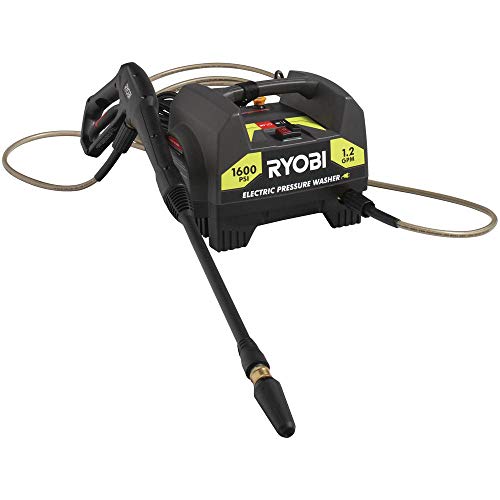
Ryobi 1,600-PSI 1.2-GPM Electric Pressure Washer (RY141612)

Greenworks 1800 PSI (1.1 GPM) Electric Pressure Washer
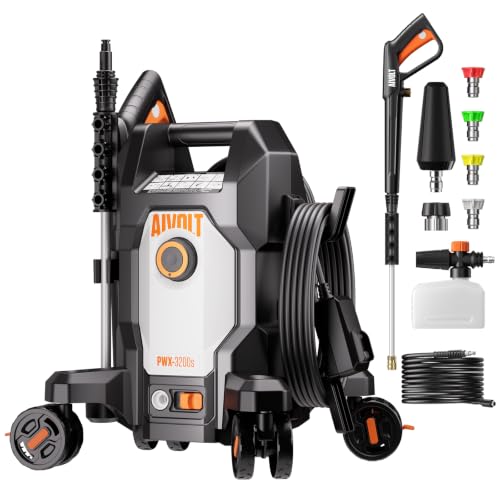
AIVOLT 4800PSI Electric Pressure Washer with 4-Wheel Design
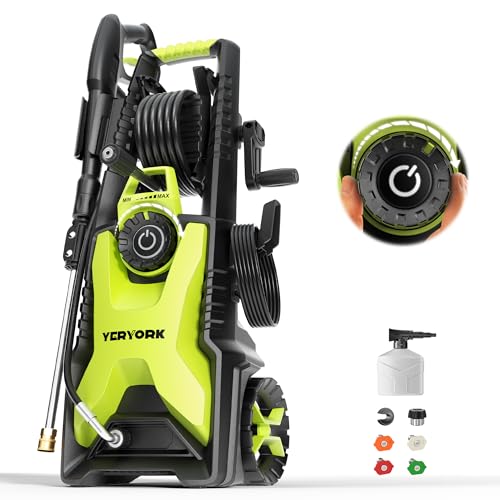
Yeryork Adjustable 5000 PSI Pressure Washer with Hose Reel

Greenworks Pro Brushless 2300 PSI Electric Pressure Washer
More Details On Our Top Picks
CAT’s 1850 PSI, 1.4 GPM setup lands in a comfortable middle zone for patios, driveway edges, and light RV upkeep. The 20-foot hose gives you enough working range for most home exteriors without dragging the machine around every few minutes.
The quick-release gun and 3-in-1 lance make sense for someone who wants fewer fiddly swaps during a Saturday cleanup. Compared with the lighter Ryobi 1800 PSI option, this one feels better suited to slightly larger projects, though it still stays in the home-use lane.
Strong Points
- 1850 PSI is a sensible step up from entry-level machines.
- 1.4 GPM, or gallons per minute, helps move loosened dirt along without making the unit feel overbuilt.
- The 20-foot hose keeps you working farther from the outlet side of the setup.
- The quick-release gun and 3-in-1 lance reduce the usual back-and-forth around nozzle changes.
- Foam-cannon support suits vehicle washing and other soap-first jobs.
Things To Consider
- The output fits regular home chores, not heavy commercial stripping.
- A longer hose would help on wider driveways.
- The accessory-heavy setup can take a little more storage planning.
Feature Snapshot
Who It Suits Best
Homeowners who want a balanced machine for weekly outdoor cleaning will get the most from this layout.
Where A Sibling Pick Shines
Greenworks Pro Brushless 2300 PSI makes more sense for you if you want a sturdier frame and a stronger push for more demanding home projects.
That extra 2100 PSI gives the Dewalt a little more bite than the CAT, which helps on driveway spots that don’t give up easily. The 1.2 GPM flow keeps it in a practical home-cleaning bracket, especially for people who want more pressure without stepping into oversized equipment.
For regular siding touch-ups, patio edges, and vehicle rinsing, this shape is easy to live with. You may find the lower flow a fair trade if you care more about pressure than fast rinse volume, and the package fits the straightforward, no-fuss crowd.
What We Like
- 2100 PSI offers a firmer clean than the smaller home-oriented units here.
- The 1.2 GPM output keeps water use measured.
- It suits a broad mix of household jobs, from trim to concrete touch-ups.
- The overall format feels simple for weekend maintenance.
Small Caveats
- The lower flow rate can slow rinse-off on broad surfaces.
- It does not bring the accessory spread of the AIVOLT or Yeryork picks.
- Users with large driveways may want more hose reach.
Core Details
Built With In Mind
This fits homeowners who want a cleaner step-up from lighter machines without going large or bulky.
Look Elsewhere When
CAT Electric Pressure Washer 1850 PSI 1.4 GPM with 20′ Hose suits you better if a longer hose and foam-cannon support matter more than a pressure bump.
The RYOBI sits on the lighter side of this list, which is exactly the appeal for small patios, balconies, and occasional rinsing jobs. Its 1800 PSI level is enough for everyday dirt, and the smaller footprint should suit tighter storage spots in a garage or utility closet.
Compared with the Dewalt and CAT picks, you give up a little muscle, but you gain a calmer, simpler machine for routine upkeep. That trade-off makes sense for apartment-townhome setups and homeowners who don’t want a bulky frame sitting around between uses.
Best Bits
- 1800 PSI covers light household cleanup without feeling excessive.
- The compact form is easier to store in tight spaces.
- It suits periodic use, not constant weekend projects.
- The simpler layout keeps setup easy for beginners.
Points To Note
- It gives up some output versus the 2100 PSI Dewalt.
- Large driveways will take more passes.
- You may want extra hose reach for far corners.
Quick Facts
Right Fit For
Space-conscious homeowners who want a light-duty machine for regular touch-ups will feel at home with this one.
Swap It Out When
Greenworks Pro Brushless 2300 PSI is the better call for tougher surfaces and larger properties that need more reserve power.
This WOJET attachment is for people who already have a pressure washer and want broader, more even coverage on flat surfaces. The 20-inch cleaning head, four wheels, and dual handles point to driveway and sidewalk work where keeping the pass smooth matters more than detail spraying.
It differs from the washers above because it’s an accessory, not a stand-alone machine, so compatibility matters from the start. In a busy driveway or on a long patio stretch, that wider path can save time and reduce the zigzag feel of using a standard wand.
Highlights
- The 20-inch width covers more ground per pass.
- Four wheels help steady the motion across flat concrete.
- Dual handles give you a better grip for longer runs.
- Stainless steel construction should suit frequent outdoor use.
- It’s a sensible match for driveways, sidewalks, patios, and decks.
Areas To Watch
- You need a compatible pressure washer to use it.
- It’s built for flat surfaces, not detailed edging.
- Storage takes more room than a plain spray tip.
Feature Rundown
Whose Shelf It Belongs On
Owners of larger driveways or concrete patios will get the most value from this style of accessory.
A Better Fit Elsewhere
AIVOLT 4800PSI Electric Pressure Washer with 4-Wheel Design makes more sense if you want an all-in-one machine rather than a surface-only attachment.
This Ryobi is the most restrained machine in the lineup, and that can be a virtue for light routine care. The 1.2 GPM flow and 1600 PSI pressure suit rinsing patio furniture, garden tools, and small outdoor zones where you do not need a stronger blast.
It sits below the CAT and Dewalt models in output, so the trade-off is clear, but the simpler scale helps keep it approachable. For apartment patios, small porches, and occasional touch-ups, that smaller footprint feels sensible rather than underpowered.
Positives
- 1600 PSI is enough for light, repeat-use chores.
- 1.2 GPM keeps the water flow controlled.
- The smaller format is easier to park in storage.
- It fits weekend touch-ups without feeling oversized.
Minor Gripes
- It lacks the headroom of the 1850 PSI CAT.
- Broader concrete areas take patience.
- The lower output can feel modest on stubborn grime.
Spec Overview
Made For
Shoppers with small outdoor areas who value easy handling over raw cleaning force will get the most from it.
Another Choice May Suit
CAT Electric Pressure Washer 1850 PSI 1.4 GPM with 20′ Hose is the better call when you want a little more reach and stronger everyday versatility.
Greenworks takes a measured approach here, with 1800 PSI and 1.1 GPM aimed at smaller homes and routine outdoor upkeep. The PWMA certification is a useful signpost on the listing, especially for shoppers who like a clearer performance standard.
Compared with the Ryobi 1600 PSI pick, this one leaves a bit more margin for dirty patio corners or seasonal buildup. The honest read is that it’s still a moderate machine, so you’re buying balance rather than brute force.
Bright Spots
- 1800 PSI gives a little more punch than lighter entry picks.
- 1.1 GPM keeps water use modest.
- PWMA certification adds helpful listing clarity.
- It suits routine maintenance around small yards and patios.
Softer Spots
- The lower GPM can slow rinsing on wide flat areas.
- It does not offer the reach of the longer-hose models here.
- Big, stained concrete still asks for patience.
Details At A Glance
The Right Fit
This fits homeowners who want a calm, dependable machine for recurring outdoor cleanup.
Where A Sibling Pick Shines
Dewalt Washer PRS WTR 2100PSI DWPW2100 suits you better if a stronger pressure figure matters more than the extra efficiency marker.
The AIVOLT is the most accessory-packed machine in this list, and that shows up quickly in real use. A 36-foot cord, 25-foot hose, four nozzles, foam cannon, and cleaning brush make it well suited to larger patios, multiple vehicles, and yards where reach matters.
The anti-tipping four-wheel design and low center of gravity should help on uneven ground, which is useful on sloped drives or rough pavers. Compared with the lighter Ryobi and Greenworks picks, this one is built for more ambitious cleaning sessions, though the kit does ask for more storage space.
Reasons To Buy
- The 4800 PSI and 3.0 GPM figures point to serious cleaning force.
- Four nozzles give you more spray pattern flexibility.
- The 25-foot hose and 36-foot cord extend your working zone.
- The foam cannon supports soap-based washing for cars and siding.
- The four-wheel layout should feel steadier on uneven outdoor surfaces.
Room For Improvement
- The larger kit needs more storage planning.
- That stronger output may be more than needed for small patios.
- More accessories also mean more parts to keep organized.
Feature Card
Perfect Match For
Homeowners with larger driveways, multiple vehicles, or broad outdoor areas will get the most from this setup.
Where Another Pick Suits Better
CAT Electric Pressure Washer 1850 PSI 1.4 GPM with 20′ Hose is the calmer choice for smaller homes and simpler storage needs.
Yeryork stands out for the retractable 33-foot hose reel, which can make setup and put-away feel much cleaner in a garage that’s already full. The adjustable pressure and 2.5 max GPM also place it above the middle-of-the-road home machines, so it suits people who clean larger surfaces regularly.
Stainless steel for the lance and the four-nozzle set add to the sense that this is built for longer, more involved sessions. It sits closer to the AIVOLT in ambition than the CAT or Ryobi picks, though the hose reel is the real convenience angle here.
Plus Points
- The retractable hose reel helps keep storage orderly.
- Adjustable output gives you more control across different surfaces.
- 2.5 max GPM supports faster rinse work than smaller models.
- The stainless steel lance should feel solid in regular use.
- The foam cannon and four-nozzle set broaden task flexibility.
Honest Caveats
- The higher-output setup may be more than you need for small patios.
- A hose reel adds convenience, but it also adds a moving part to maintain.
- Storage is neater than some large frames, yet the unit still belongs in a roomy spot.
Technical Sheet
Best Suited To
This fits homeowners who clean often and want a higher-output machine with cleaner hose handling.
Reach For A Different Pick When
Greenworks Pro Brushless 2300 PSI makes more sense if you want a sturdier frame with a more restrained output level.
The Greenworks Pro feels more serious than the smaller machines in this roundup, with a brushless motor, rugged steel frame, foldable handles, and long hose-and-cord reach. Brushless means the motor runs without brushes wearing against a spinning part, which usually points to a smoother, lower-maintenance layout for regular home use.
Compared with the Yeryork and AIVOLT picks, this one trades some headline pressure for a more composed structure that suits demanding but not industrial work. For a homeowner who wants a steadier frame and a cleaner fold-away shape, that balance can be the sweet spot.
Best Bits
- The brushless motor suits frequent home cleaning.
- The steel frame adds a grounded, sturdy feel.
- Foldable handles help with storage in tighter garages.
- The 25-foot hose and 35-foot GFCI cord improve reach around the house.
- The 2300 PSI rating gives it more muscle than the lighter picks here.
Trade Offs
- The frame is more substantial than compact entry units.
- It asks for more storage room than the smallest washer choices.
- High-output owners may still prefer the Yeryork or AIVOLT for stronger headline numbers.
Core Details
Who Should Grab It
This suits homeowners who want a stronger electric washer with a sturdier frame and better storage behavior than the bulkier high-output models.
Skip It When
RYOBI 1800 PSI Electric Pressure Washer makes more sense if your storage space is tight and your cleaning jobs stay light.
How To Choose The Right medium duty electric pressure washers
Pressure And Flow Need To Work Together
PSI, or pounds per square inch, tells you how much force the spray can deliver. GPM tells you how much water flows through the wand, which affects how fast loosened dirt rinses away. A washer with solid PSI but weak flow can feel slow on broad patios, while a modest PSI model with decent flow can be easier to live with for regular rinse jobs.
For driveway corners, algae on concrete, and outdoor furniture, balance matters more than chasing the largest number on the listing. CAT’s 1850 PSI and 1.4 GPM feel more rounded for everyday use, while the Yeryork and AIVOLT options push into higher-output territory for bigger surfaces.
Hose Reach And Storage Change The Whole Experience
A pressure washer’s reach is more than a convenience detail, it changes how tiring the job feels. Longer hoses and cords let you keep the machine parked in one place, which helps on driveways, wraparound patios, and long fence lines. Shorter hoses are easier to coil and store, but they ask you to move the unit more often.
That trade-off shows up clearly between the Ryobi compact pick and the AIVOLT or Greenworks Pro models. Foldable handles, retractable hose reels, and lighter frames matter most in garages where space is already spoken for by tools, bins, and bikes.
Accessories Shape What You Can Clean Well
Nozzles, foam cannons, quick-release guns, and surface-cleaner attachments change the machine from a simple spray source into a more useful cleaning setup. A 3-in-1 nozzle or a four-nozzle set gives you more control over spray width, which helps when moving from car washing to patio rinsing in one session. Surface cleaners, like the WOJET, are different, since they cover more square footage with less streaking on flat concrete.
The right accessory mix depends on your routine. If your weekends include both vehicle care and yard cleanup, the CAT, AIVOLT, and Yeryork listings are easier to justify than a barebones unit.
Match The Frame To Your Usual Cleanup
Frame style sounds boring until you drag the machine around a rough driveway. Four-wheel layouts, low center designs, and steel frames help steadiness on uneven ground, while lighter housings suit smaller spaces and quick jobs. Brushless motor designs usually fit more regular use, especially where you want less maintenance fuss over time.
For a small home, the RYOBI and Greenworks 1800 PSI models make sense. For larger lots, more frequent washing, or a garage that stores tools neatly, the Greenworks Pro and Yeryork picks feel better aligned with real use.
A Quick Reality Check Before You Choose
Hidden Buying Traps
A common mistake is chasing pressure numbers without looking at hose length, flow, or storage. That usually leads to a machine that sounds strong on paper but feels awkward around a real driveway or patio. Another miss is buying a surface cleaner attachment without checking that you already own a compatible washer.
You also want to think about cleanup after the cleaning. A hose reel, foldable handle, or simpler accessory set can save time each week, especially in a garage where every square foot matters.
What The Upgrade Money Pays For
Higher-tier electric washers usually spend their extra cost on stronger output, sturdier frames, longer hoses, and better accessory kits. Brushless motors and metal frames tend to suit more frequent use, while hose reels and longer cords make the job easier to manage from start to finish. That matters most for larger homes, long driveways, and anyone who cleans several outdoor areas in one session.
The upgrade is worth it when your current machine feels like a repeated compromise. A model like the Greenworks Pro or Yeryork makes more sense than a smaller unit once you’re cleaning often enough to care about reach, storage, and steadier handling.
Frequently Asked Questions
What PSI works well for medium duty electric pressure washers?
For most homes, the useful zone starts around 1800 PSI and climbs from there. Higher PSI helps on concrete and older grime, while lower numbers stay friendlier for lighter outdoor surfaces.
Do you need a hose reel on a pressure washer?
You do not need one, but it makes storage and cleanup tidier. That matters most when your garage is tight or you use the washer often.
Is a higher GPM always better?
Not always, because higher flow can use more water and make smaller jobs feel less controlled. A balanced PSI and GPM pairing usually works better than chasing one number alone.
Are surface cleaner attachments worth it?
They make sense for large flat areas like driveways, sidewalks, and patios. They are less useful for corners, railings, and detailed trim work.
What matters most for first-time pressure washer shoppers?
Look at PSI, GPM, hose length, and how the machine stores in your space. The right mix depends on whether you clean a small patio or a wider property.