Joinery work asks a lot from a saw. You want clean starts, narrow kerfs, and enough control to stay on layout lines without turning the cut into a repair job.
This roundup focuses on nine Japanese-style saws that fit dovetail, tenon, flush-cut, and general woodworking tasks. You’ll see where a compact dozuki makes sense, where a ryoba gives you more range, and where a flush-cut saw is the better tool for the last pass.
The Shortlist At A Glance

Temple Tool Co. Japanese Flush Cut Saw 6 Inch
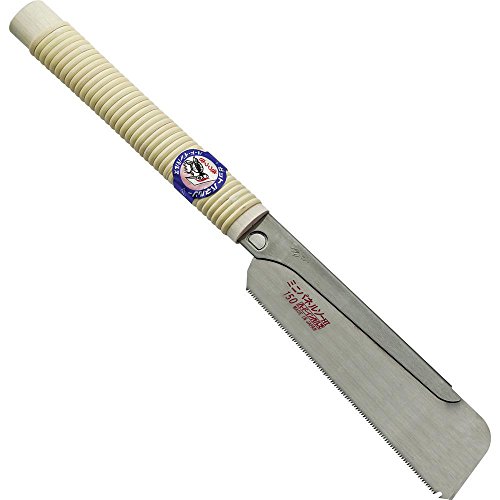
ROCKLER Japanese Mini Dozuki Panel Saw 150mm

SUIZAN Dozuki Dovetail Saw 6″ Rip Cross Cut

RUITOOL Japanese Pull Saw 10 Inch Double Edge Ryoba

SS SHOVAN Japanese Hand Saw 6 Inch SK5 Double Edge

Japanese Hand Saw 6 Inch Pull Saw 11/17 TPI

Dozuki Z-Saws 240Mm, 535Mm Overall Length

Temple Tool Co. Japanese Pull Saw 9.5 Ryoba

DAONEG 770-3600 Japanese Pull Saw Ryoba 15″
More Details On Our Top Picks
Flush trimming is where this saw earns its keep. The 6-inch format stays nimble around pegs, wedges, and tenons, and the double-edge layout gives you a cleaner follow-through on short, close work.
The beech handle with brass details adds a more finished feel than many plain shop saws, which matters in a furniture build where the tool lives in your hand for repeated passes. For trim carpentry, peg work, or small joinery cleanup, it’s a sensible fit.
Strong Points
- Short blade length keeps control high in tight spots.
- Double-edge layout helps with different flush-cut angles.
- Beech handle feels more refined than basic plastic grips.
- Brass accents add a durable, finished touch.
Things To Consider
- Flush-cut work is its real home, not broad panel cutting.
- Shorter reach can feel limiting on larger stock.
- The fine tooth setup asks for patient, light strokes.
Feature Snapshot
Who It Suits Best
Trim carpenters and furniture builders who need a compact flush-cut saw for dowels, pegs, and wedges will get the most out of it.
A Better Fit Elsewhere
RUITOOL Japanese Pull Saw 10 Inch Double Edge Ryoba suits you better for broader woodworking because it gives you two tooth patterns for both rip and crosscut work.
That short 150mm blade and 106-tooth layout make this one feel tuned for careful, horizontal precision cuts. The back reinforcement limits cut depth, so you get better control on thin material without the blade wandering into unwanted territory.
It’s a smart match for small electrical work, craft tasks, and fine shop cuts where surface quality matters more than speed. Compared with the Temple Tool flush-cut saw, this one behaves more like a miniature layout saw, and that difference is the whole point.
Positives
- Dense tooth count supports cleaner, finer cuts.
- Back reinforcement helps keep cut depth in check.
- Compact blade suits tight benches and small tasks.
- Good fit for thin stock and careful line work.
Room For Improvement
- The short blade is not meant for long rip work.
- Backed design leaves little room for deep cuts.
- It asks for careful storage to protect the fine teeth.
Core Details
Built With In Mind
You’ll get the most value from it in small workshops, at a bench with limited clearance, or on detail jobs that reward accuracy.
Another Choice May Suit
DAONEG 770-3600 Japanese Pull Saw (Ryoba) suits you better for larger boards and wider cut demands because its full-size blade gives more reach.
For dovetails, tenons, and other joinery, this is the sort of saw that feels purpose-built. The dozuki style uses a reinforced back, which limits cut depth and helps you stay controlled along a marked line, especially on fine furniture parts.
You can choose between 6-inch and 7-inch lengths, so the fit depends on how much reach you want at the bench. Compared with ROCKLER’s mini panel saw, this one leans more directly into woodworking joinery rather than mixed utility use.
What We Like
- Dozuki back support helps with straight, measured cuts.
- Short format suits dovetails and tenon shoulders well.
- Two listed lengths give you a little fit flexibility.
- Well suited to furniture parts and detailed shop work.
- Low cut depth makes line control easier in thin stock.
Minor Gripes
- Backed blades naturally limit how deep you can cut.
- Longer workpieces may feel less comfortable than with a full ryoba.
- Fine joinery tools need careful blade storage between uses.
Feature Card
Right Fit For
You’ll like this most in a furniture shop, where dovetails and tenons need careful, repeatable control.
Where A Sibling Pick Shines
Temple Tool Co. Japanese Pull Saw 9.5 Ryoba fits you better for mixed stock prep because its rip and crosscut teeth give more everyday range.
The ryoba layout gives you one coarse side and one fine side, so you can rough cut with one edge and finish more carefully with the other. That flexibility makes sense in a busy garage shop, where you may move from dimensioning stock to joinery without swapping tools.
The SK5 steel blade is described as flexible, which usually helps a pull saw track smoothly while still feeling forgiving on hand work. Compared with the SUIZAN dozuki, this one gives you broader task coverage, though the plastic handle feels more utilitarian than the wood-handled options above.
Upsides
- Two tooth patterns support both rough and fine work.
- Flexible SK5 blade suits varied hand pressure.
- Useful for stock prep and joinery in one tool.
- Non-slip handle style is handy in longer sessions.
Softer Spots
- Plastic grip feels less refined than wood-handled saws.
- Double-edge tools need careful storage to protect both sides.
- It covers more tasks, though not as narrowly as a dedicated dovetail saw.
Details At A Glance
Whose Shelf It Belongs On
You’ll appreciate it in a shop that handles both breakdown work and joinery, especially where tool count needs to stay modest.
Swap It Out When
SS SHOVAN Japanese Hand Saw 6 Inch SK5 Double Edge suits you better for smaller projects that reward a lighter, more compact saw.
The pitch here is precise cutting with a more traditional feel. The blade is described as high-hardness after heat treatment, and the beech handle keeps the tool light enough for careful, repeated passes on trim or joinery work.
In a small workshop, that combination matters because you’re usually chasing a neat finish, not brute speed. Compared with RUITOOL’s 10-inch ryoba, this one stays more compact and more focused on fine cutting.
Bright Spots
- Fine-tooth setup supports cleaner finishing cuts.
- Beech handle feels light and easy to guide.
- Compact size works well for bench-side detail work.
- SK5 blade material suits regular hand use.
Points To Note
- Shorter saws naturally trade reach for control.
- Fine teeth reward slower, steadier strokes.
- Wood handles can benefit from dry storage.
Core Details
The Right Fit
You’ll get the most from it in small shops, at a workbench, or on projects where neat finish cuts matter more than speed.
Reach For A Different Pick When
DAONEG 770-3600 Japanese Pull Saw (Ryoba) fits you better for bigger pieces because its 15-inch blade gives you more working length.
This one sits in the middle of the pack in a useful way, because the 11 TPI and 17 TPI sides give you both a coarser and finer option without making the tool feel complicated. The SK5 blade also adds a flexible hand feel that’s handy for small shop projects and quick repair work.
You may find it especially convenient on weeknight tasks, where you want a saw that covers general cutting without asking for a big setup. Compared with the SS SHOVAN model, it reads a little more general-purpose than special-purpose, which can be a plus in a crowded toolbox.
Best Bits
- Two tooth options cover different cut styles.
- Flexible blade helps with smooth hand guidance.
- Compact size suits everyday shop use.
- Works well for both rough and cleaner passes.
Areas To Watch
- Short blade length limits broader panel work.
- Dual-edge saws need thoughtful storage between jobs.
- The handle style is plain rather than ornate.
Quick Facts
Perfect Match For
You’ll like this as a general shop saw for small household fixes, hobby builds, and light woodworking.
Look Elsewhere When
SUIZAN Dozuki Dovetail Saw 6" Rip Cross Cut fits you better for dedicated joinery, especially when dovetail accuracy matters most.
The longer overall length gives this dozuki a different feel from the compact saws earlier in the list. At 240mm for the blade and 535mm overall, it’s built for extended control on larger boards while still keeping the backed-blade precision that joinery work depends on.
That matters in a woodworking shop where a small dovetail saw can feel a little short for repetitive panel work. Compared with the ROCKLER mini panel saw, this one is more comfortable as a full-size joinery tool and less like a specialty detail saw.
Highlights
- Longer format helps on bigger workpieces.
- Dozuki back supports controlled, shallow cuts.
- Good fit for extended sessions at the bench.
- Balances reach with fine joinery control.
Worth Noting
- Longer saws take more storage space in a toolbox.
- Backed blades still limit deep cuts.
- Its size can feel less nimble on tiny parts.
Technical Sheet
Who Should Grab It
You’ll appreciate it in a furniture shop or serious home workshop where longer joinery cuts come up often.
Skip It When
Temple Tool Co. Japanese Flush Cut Saw 6 Inch suits you better for peg trimming and surface-level cleanup after assembly.
The ryoba setup gives you rip teeth on one side and crosscut teeth on the other, so you can move from cutting with the grain to cutting across it without changing tools. That makes it a useful all-rounder for dovetails, tenons, and cutting boards closer to size before the final fitting.
The wingnut handle with brass parts gives it a more polished feel than basic utility saws, and that extra touch shows in the hand as much as in the look. Compared with the RUITOOL ryoba, this one feels more tailored to a smoother shop experience than to a purely rugged one.
Best Bits
- Two tooth styles cover rip and crosscut tasks.
- Useful for both joinery and stock breakdown.
- Wood handle adds a more refined hand feel.
- Brass details give the tool a finished appearance.
Small Caveats
- Double-edge saws need extra care in storage.
- It’s versatile, though not as specialized as a dedicated dovetail saw.
- Wood handles usually like dry storage and simple upkeep.
Feature Rundown
Whose Shelf It Belongs On
You’ll get the most from it as a general woodworking saw in a home shop that handles joinery and stock prep together.
A Better Fit Elsewhere
SUIZAN Dozuki Dovetail Saw 6" Rip Cross Cut is the tighter fit for joinery-first work, especially around delicate dovetail layout.
The 15-inch blade puts this in a different lane from the smaller saws above. You get more reach for larger stock, and that can matter in a garage shop where cutting boards, panels, and wider parts is part of the routine.
Because the listing gives only a few hard details, the honest read is that this pick makes the most sense for shoppers who already know they want a larger ryoba format. Compared with Temple Tool Co.’s 9.5-inch ryoba, it leans harder toward size and reach than toward a polished wood-and-brass feel.
Positives
- Long blade gives more reach on wider stock.
- Ryoba format suits mixed cutting tasks.
- Good match for larger workpieces and general shop use.
Points To Note
- Fewer listed details make feature comparison thinner.
- Large saws take more room on the wall or in a case.
- It may feel bulky for tiny dovetail work.
Core Details
Built With In Mind
You’ll get the most value from it in a shop that handles bigger boards, longer cuts, or general carpentry alongside joinery.
Where A Sibling Pick Shines
ROCKLER Japanese Mini Dozuki Panel Saw 150mm fits you better for compact bench work, where a small reinforced blade feels easier to place.
How To Choose The Right Japanese Saw For Dovetails
Blade Style Sets The Job
A dozuki is the most direct match for dovetails because the reinforced back limits depth and helps keep the cut line controlled. A ryoba gives you rip and crosscut sides, which works better for mixed shop tasks than for pure joinery. A flush-cut saw belongs at the finishing stage, where you’re trimming dowels, pegs, or wedges close to the surface.
That distinction matters more than blade length alone. You want the saw that matches the part of the project you’re actually doing, not just the one with the most flexible label.
Tooth Count Changes The Feel
Higher tooth counts usually favor a finer finish and slower, more careful progress. Lower counts cut more aggressively, which helps on stock prep but can feel rougher on delicate joinery edges.
For dovetails, a finer tooth pattern usually makes life easier because the cut starts cleaner and the kerf stays more controlled. The trade-off is speed, so a coarse side on a ryoba can help when you also break down boards.
Handle And Length Shape Comfort
Short blades are easier to place in tight spots, especially at a bench with clamps, vises, or small parts in the way. Longer blades give more reach and can feel steadier on broader pieces, which helps during repetitive cuts.
Handle material matters too. Wood handles often feel more traditional and a bit warmer in the hand, while molded grips can feel more straightforward and practical for long sessions.
Think About The Whole Shop Routine
Your best match depends on whether you need one saw for everything or a dedicated saw for joinery. A small bench worker often benefits from a dozuki, while a general woodworker may prefer a ryoba that handles both rip and crosscut work.
Storage and upkeep are part of the decision as well. Dual-edge saws need a little more care in the toolbox, and fine teeth reward simple habits like wiping the blade and keeping it separated from loose metal tools.
Things Worth Knowing First
Common Shopping Slip Ups
Many people pick a saw by overall length alone, then discover the blade style doesn’t match the task. A ryoba can be a smarter shop tool, but it won’t feel as purpose-built for dovetails as a dozuki.
Another common miss is choosing a very fine saw for rough stock prep. That slows the job down and can make the tool feel fussier than it really is.
What The Higher Tier Buys
More expensive saws usually spend the extra cost on blade quality, better balance, and handle materials that feel more solid in daily use. You also tend to see tighter tooth work and more attention to how the saw sits in the hand.
That upgrade makes sense for frequent joinery, furniture builds, or long sessions at the bench. For occasional trim work, a simpler saw is often enough.
Frequently Asked Questions
What makes a Japanese saw better for dovetails?
The pull-cut action keeps the blade in tension, which helps it track neatly on fine layout lines. A backed dozuki usually gives you the most control for this kind of work.
Can a ryoba handle dovetail cuts?
Yes, a ryoba can do the job, especially on general woodworking projects. It just gives you a broader range than a dedicated dovetail saw.
Why do some Japanese saws have two cutting edges?
Two edges let you switch between rip and crosscut teeth. That makes the tool more flexible for mixed shop work.
Is a shorter blade easier for beginners?
Usually, yes, because a short blade is easier to place and keep on line. It can feel less intimidating during small joinery work.
How should you store a double-edge saw?
Keep the blade separated from other metal tools so the teeth stay protected. A simple sheath or dedicated slot helps avoid damage in a crowded toolbox.