Roach control gets easier when you match the spray or bait to the space, not just the bug. A kitchen cabinet, a damp basement corner, and a patio crack each ask for a different kind of solution, and the wrong pick usually means extra cleanup or repeat treatment.
These eight options cover quick-contact aerosols, residual sprays, concentrate formulas, and gel bait for tougher infestations. You’ll see where a plant-based formula makes sense, where a stronger synthetic route fits better, and which picks suit homes with kids, pets, or heavy traffic.
Quick Look At The Shortlist

Wondercide Ant & Roach Aerosol Spray 10 oz 2-Pack

BugMD Pet Safe Multi-Insect Killer & Repellent
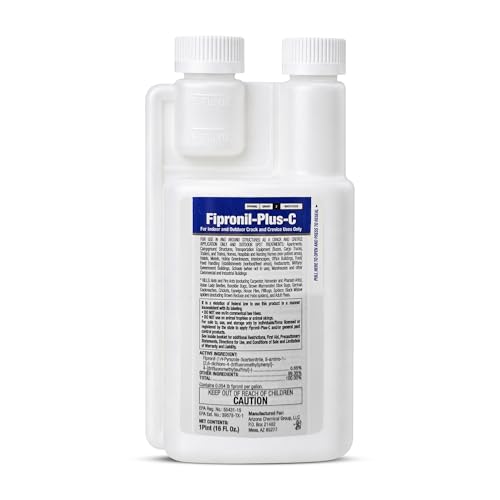
Fipronil Plus-C Insecticide Concentrate 16 oz

Raid Ant & Roach Killer 17.5 oz
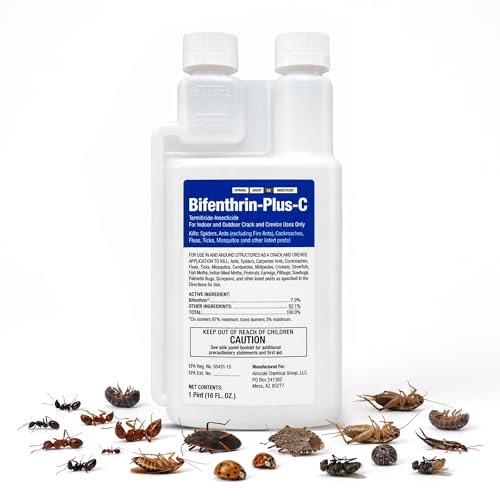
Bifenthrin Plus-C Insecticide 16 oz

Raid Essentials Ant, Spider & Roach Killer 10 fl oz

MGK Shockwave 1 Flushing Aerosol 17 oz

KB Roach Bait Gel German Roach Killer 4 Syringes
More Details On Our Top Picks
Wondercide takes a gentler route than the synthetic sprays in this list, and that matters in a kitchen or family room where you want fast cleanup with less lingering scent. The aerosol format makes it easy to aim at baseboards, cabinet gaps, and door frames, which is exactly where roaches and ants tend to travel.
The trade-off is simple, this is more of a spot treatment and contact-kill tool than a heavy infestation specialist. For homes with pets and a preference for plant-based ingredients, it feels like a sensible daily-use option, while the 2-pack adds convenience for keeping one can upstairs and one near the kitchen.
Strong Points
- Plant-powered actives suit homes that want a less harsh-feeling spray around lived-in spaces.
- Aerosol delivery makes it easy to direct treatment into narrow seams and around appliances.
- It targets more than roaches, so you cover a broader set of crawling pests with one can.
- The 2-pack helps you stage one can in the pantry and one in another trouble spot.
Small Caveats
- Spot spraying means you still need to clean up dead insects after application.
- It suits lighter, recurring issues better than a deep colony problem.
- The essential-oil profile may not appeal to everyone indoors.
Feature Snapshot
Who It Suits Best
Homeowners and renters who want a plant-based aerosol for routine roach and ant control will get the most out of it.
A Better Fit Elsewhere
BugMD Pet Safe Multi-Insect Killer & Repellent makes more sense for a mixed indoor-outdoor setup where peppermint-scented spray and repellent behavior matter more than a 2-pack format.
BugMD leans into a peppermint-oil style formula, so it fits homes that want an indoor spray with a lighter scent profile than a hard chemical blast. That makes it feel more versatile than Wondercide in mixed spaces, especially around patios, thresholds, and utility areas where ants and roaches keep wandering in.
The honest read is that this kind of formula works best as part of a routine, not as a one-spray fix for a major infestation. You get useful reach across spiders, ants, and roaches, and the indoor-outdoor positioning helps when trouble moves between a porch and the kitchen door.
What We Like
- Peppermint oil gives the formula a familiar, less chemical-leaning character.
- It covers indoor and outdoor use, which helps around entry points and covered porches.
- The multi-insect focus reduces the need to keep several separate sprays on hand.
- Pet-safe positioning, when used as directed, suits family homes with active floor space.
Points To Note
- A lighter formula style may feel underpowered for a severe roach problem.
- You still need careful application and cleanup around food prep areas.
Core Details
Made For
Households that want a versatile spray for everyday entry-point control will find the format easy to work into a routine.
Look Elsewhere When
Raid Ant & Roach Killer 17.5 oz makes more sense for you when fragrance-free contact killing matters more than a peppermint-style profile.
This one moves away from ready-to-spray convenience and into dilution-based treatment, so it suits someone who wants a larger coverage plan rather than a single-room fix. A concentrate makes more sense for garages, perimeter jobs, and broader household use where you’re willing to mix product and apply it in measured passes.
The non-repellent angle is the key detail, because pests do not avoid the treated area the way they may with some visible sprays. That can matter in stubborn roach situations, though the trade-off is a more involved setup and less grab-and-go convenience than Raid or Wondercide.
Reasons To Buy
- Concentrate format stretches across a much larger treatment volume than a single aerosol can.
- Non-repellent behavior suits situations where visible spray avoidance can limit results.
- It covers several common household pests, not just cockroaches.
- The format works well for perimeter-minded treatment around larger properties.
Areas To Watch
- You need to mix it, so it asks for more setup than a ready-to-use spray.
- Storage takes a little more planning because concentrate bottles often live with mixing gear.
- It feels better suited to experienced household pest control than casual spot spraying.
Technical Sheet
Who Should Grab It
You’ll get the most from this if you handle roach control across multiple rooms, a garage, or a larger property boundary.
Where Another Pick Shines
MGK Shockwave 1 Flushing Aerosol is the better fit for a user who wants a ready-to-spray can with flushing action and residual follow-up built in.
Raid is the straightforward option in this group, the kind of can you reach for when you want a familiar contact spray without a strong lingering odor. That makes it easy to slot into a busy home kitchen, especially along baseboards, under sinks, and near trash areas where you want quick treatment and quick cleanup.
The residual insecticide matters because it adds a longer-lived layer than pure knockdown sprays, and that helps for recurring traffic along the same edges. It does not have the plant-based or pet-focused angle of Wondercide and Raid Essentials, but it offers a plain, no-frills profile that many households know how to use.
Best Bits
- Fragrance-free handling is helpful in enclosed rooms where scent lingers fast.
- Residual action adds staying power after the initial spray-down.
- It covers a wide set of crawling insects, which improves household versatility.
- The 17.5 oz can size gives you a decent amount for repeat spot treatment.
Worth Noting
- Traditional insecticide handling asks for more care around food, dishes, and pet items.
- It feels less specialized for broad property treatment than the concentrate picks.
Feature Card
Right Fit For
Households that want a familiar, fragrance-free spray for common roach and ant spots will find it easy to live with.
Swap It Out When
Raid Essentials Ant, Spider & Roach Killer is the better match for a more kid- and pet-conscious indoor setup with an essential-oil formula.
Bifenthrin Plus-C pushes into broader home-defense territory than the other sprays here, and that wider target set is the reason it lands in a heavy-duty slot. It fits better for a property-minded approach, especially around entry zones, utility spaces, and outdoor edges where roaches rarely travel alone.
The practical trade-off is that this feels more serious than a casual kitchen spray, so storage, labeling, and careful application matter more. Compared with Raid or Wondercide, it’s the pick for someone who wants a more expansive control plan rather than a quick touch-up can.
Highlights
- It covers roaches, ants, termites, and wasps, which broadens the use case.
- The 16 oz format suits planned treatment rather than one-off emergency spraying.
- It works across residential, commercial, and industrial settings according to the listing.
- The broader defense angle helps when multiple pest types show up in the same area.
Honest Caveats
- The broader use profile calls for more careful reading of label directions before application.
- It looks better suited to larger control plans than tight kitchen touch-ups.
- More serious treatment often means more cleanup and storage discipline.
Details At A Glance
Built With In Mind
Property owners and experienced home pest controllers who want broad coverage will get the most value here.
Another Choice May Suit
Fipronil Plus-C Insecticide Concentrate is a better match for you when you want a non-repellent concentrate that stretches across a larger mixed treatment volume.
Raid Essentials sits in a calmer lane than the standard Raid can, with an essential-oils approach and a rosemary mint scent. That makes it a solid fit for indoor spaces where you still want an aerosol roach killer, but you’d rather avoid the harsher feel associated with traditional spray lines.
The locking cap and aluminum can are useful details in a household setting, especially when storage happens in a crowded cleaning cabinet. It’s not the strongest-looking choice for a severe infestation, yet for everyday indoor pest control around kids and pets, it has a very sensible balance.
Positives
- Plant-based ingredients give it a more approachable feel for indoor use.
- It targets ants, spiders, and roaches, which helps around mixed bug problems.
- The locking cap adds an extra layer of storage control in busy homes.
- Aluminum packaging resists rust, which matters in damp utility storage.
Room For Improvement
- The gentler positioning may not satisfy a severe roach outbreak on its own.
- Scent preference remains subjective, even with a lighter essential-oil profile.
Quick Facts
The Right Fit
Families wanting a gentler indoor aerosol for regular use in common spaces will probably feel most comfortable with this one.
Skip It When
MGK Shockwave 1 Flushing Aerosol suits a tougher infestation better, especially when you want a combination formula with flushing and residual action.
Shockwave 1 is the most technical-feeling spray in this group, and the ingredient stack tells you why. It combines pyrethrum, bifenthrin, synergists, and NyGuard IGR, so you get a flushing effect, a killing effect, and a residual layer in one ready-to-use can.
That mix makes sense for serious indoor or outdoor roach pressure, especially around cracks, crevices, eaves, and food-adjacent zones where treatment coverage matters more than fragrance or simplicity. The catch is that the formula assumes you’re comfortable with a more involved pest-control tool, which is why it stands apart from Raid Essentials and Wondercide.
Plus Points
- Multiple active ingredients broaden the way the spray works on contact and afterward.
- NyGuard IGR helps interrupt future insect development rather than only handling what you see now.
- It suits indoor and outdoor sites, so one can can move between entry points and hidden seams.
- The ready-to-use format skips mixing and keeps application simple for a strong formula.
Areas To Watch
- The chemistry-heavy approach calls for more careful handling and storage.
- It makes more sense for experienced pest control routines than casual spot spraying.
- Food-area use still needs strict label reading and disciplined cleanup.
Feature Rundown
Best Suited To
Households facing stubborn roach pressure and wanting a more advanced spray format will get the most from this can.
Where A Sibling Pick Shines
Raid Ant & Roach Killer 17.5 oz is the easier choice for a simpler fragrance-free contact spray with less formula complexity.
This is the most different option in the list because it uses gel bait instead of a spray, and that matters for German roach problems in kitchens, cabinets, and tight indoor runs. A syringe format lets you place bait into small, targeted spots where roaches travel, which is a more strategic approach than broad misting.
The 90-day whole-home protocol is the real clue here, since it points toward an organized treatment plan rather than a quick one-and-done pass. Compared with Shockwave or Raid Essentials, it asks for more patience, but it’s the kind of pick that makes sense when you want a structured indoor infestation plan.
What We Like
- Gel bait placement works well in narrow, hidden roach pathways.
- The syringe format gives you controlled application instead of wide spray drift.
- It targets German roaches specifically, which helps in a common indoor problem case.
- The multi-month protocol suits people who want an organized treatment timeline.
Trade Offs
- Gel bait is slower by nature than a contact spray.
- You need to place it carefully and keep the spots clean around food prep zones.
- It solves a different problem than an aerosol, so it’s not a universal substitute.
Spec Overview
Whose Shelf It Belongs On
You’ll appreciate this most if your roach issue is concentrated indoors and you want bait placement rather than spray coverage.
Reach For A Different Pick When
Fipronil Plus-C Insecticide Concentrate is the better route for you when a larger mixed-area treatment volume matters more than gel placement.
How To Choose The Right cockroach spray killer
Match The Formula To The Job
Contact sprays work best for visible roaches along baseboards, under sinks, and around appliances. Residual sprays matter more when pests keep using the same edge or seam, because they leave behind a treatment layer after the first application.
Concentrates suit larger properties or repeated perimeter work, since you mix them into a bigger treatment volume. Gel bait is different again, because it targets travel paths and hidden nesting zones instead of open surfaces.
Think About Scent, Storage, And Cleanup
Fragrance-free sprays suit kitchens and tighter rooms where strong odor feels distracting. Essential-oil formulas often feel lighter indoors, but the scent profile still matters, especially in small apartments or shared spaces.
Storage is worth thinking through as well. Aerosol cans are easy to keep near problem areas, while concentrates and bait syringes usually need a cabinet space and a little more label attention.
Pick For The Pest Pattern You Actually See
Scattered roaches near a trash area call for a fast aerosol. A broader infestation with repeated activity around cracks and outer edges points more toward a stronger residual or concentrate formula.
German roaches inside cabinets often respond better to bait placement than broad spraying. That’s why a spray killer and a bait gel can both make sense in the same household, just for different jobs.
Check Who Lives In The Space
Homes with kids and pets usually benefit from calmer indoor formulas and careful placement. Busy kitchens and pet zones also reward locking caps, rust-resistant packaging, and can shapes that are easy to store upright.
For garages, porches, and utility spaces, indoor-outdoor flexibility can matter more than scent. The right pick is the one that fits your room layout, your storage habits, and the kind of roach pressure you’re seeing.
Things Worth Knowing First
Common Shopping Slip Ups
A lot of roach problems get worse because the spray choice is too narrow for the space. A contact aerosol can handle visible bugs, but it won’t do much for a bigger colony pattern hiding deep in cracks.
Another common miss is ignoring scent and storage. A strong fragrance in a kitchen can get old fast, and a can or concentrate bottle that lives in the wrong place becomes annoying to use.
What The Higher Tier Buys
More expensive options usually bring a broader ingredient stack, longer residual action, or a different delivery method like gel bait. Those details cost more because they take more formulation work and often solve a more specific pest pattern.
That upgrade matters most when the problem keeps coming back. For a one-off spot job, a simple aerosol may be enough, but stubborn or recurring infestation patterns often justify the extra control depth.
Frequently Asked Questions
What kind of cockroach spray killer works fastest?
A contact aerosol usually gives the quickest visible knockdown. Residual sprays and gels work more slowly, but they can fit longer treatment plans.
Is a pet-safe formula enough for a roach problem?
Pet-safe positioning helps with household fit, but it does not make a spray the right answer for every infestation. Match the formula to the severity of the problem and the room layout.
Do roach sprays work better than bait gel?
Sprays work better for visible bugs and exposed edges. Bait gel often fits hidden German roach pathways more naturally.
Can you use indoor roach spray in the kitchen?
Many indoor sprays are made for kitchen edges, cabinet seams, and appliance gaps. Label directions still matter, especially around food contact areas.
What should you choose for a larger property?
A concentrate often makes more sense because it stretches across more treatment volume. A ready-to-use aerosol suits smaller, more targeted jobs.
Closing Thoughts
The best cockroach spray killer for your home depends on where the insects show up and how much control you want to manage yourself. A plant-based aerosol feels easier in a kitchen, a stronger residual spray helps with repeat activity, and bait gel fits a more focused indoor plan. For larger jobs, a concentrate can save time across multiple rooms or perimeter areas. Match the tool to the problem, and the whole job feels less like guesswork.