You want a refractometer for beers that makes brew-day checks feel straightforward, not fussy. The right pick helps you track wort, compare batches, and make sense of sugar readings without dragging out a full hydrometer routine every time.
This roundup focuses on handheld and digital options that suit home brewers, wine makers, and anyone who wants quick Brix or specific gravity readings. You’ll see where each one fits best, plus the trade-offs that matter once it’s sitting on your bench.
Quick Look At The Shortlist
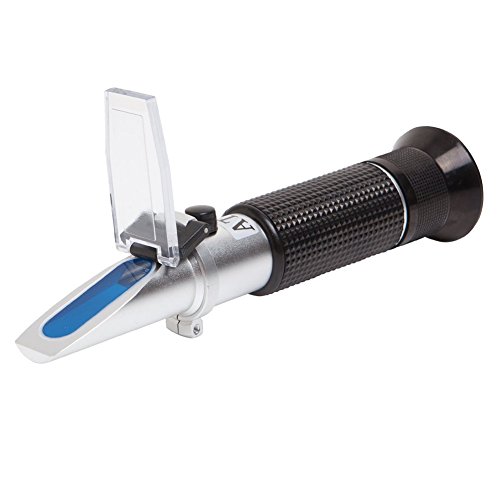
aichose Brix Refractometer with ATC 0-32%

Hobein Digital Handheld Refractometer Dual Scale
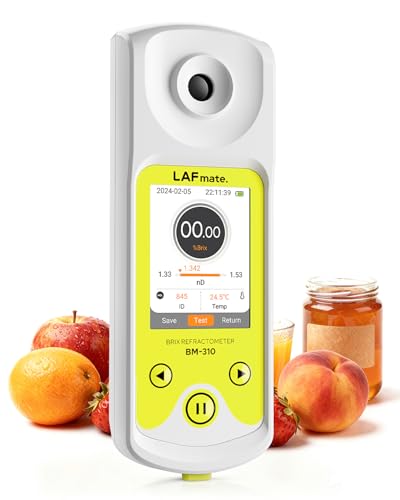
LAFMATE 3-in-1 Digital Refractometer Rechargeable

Proster Red Wine Refractometer Wine Making Kit

Flagfront Digital Brix Refractometer 0-55%

LAFMATE BM101 Digital Refractometer 0-55

LAFMATE Digital Refractometer 0-55%

Rhino Beer Refractometer 0-32% Brix

KiyHemo Portable Brix Refractometer Dual Scale
More Details On Our Top Picks
For a straightforward brew bench setup, this aichose model keeps the focus on the basics: Brix from 0 to 32 and automatic temperature compensation, which adjusts the reading for sample temperature. That matters on brew day, because your wort or juice won’t always sit at room temperature.
The analog layout suits you if you want a simple instrument with less fuss than a digital unit. The trade-off is obvious, though, since you’ll rely on a manual eyepiece readout rather than a screen, so it feels best for brewers who don’t mind a traditional style.
Strong Points
- 0 to 32% Brix fits common brewing and wine tasks.
- ATC helps readings stay more usable as sample temperature shifts.
- Handheld format takes little space in a brew kit.
- Works well for quick checks between mash, boil, and fermentation notes.
Worth Noting
- Manual reading takes a steadier eye than a digital display.
- It feels more basic than the dual-scale Hobein option later in the list.
- The package style is simple, so you may want a dedicated storage case.
Feature Snapshot
Who It Suits Best
You’ll get the most from this if you want a no-frills refractometer for entry-level home brewing or wine making.
A Better Fit Elsewhere
Hobein’s Digital Handheld Refractometer suits you better if you want a dual-scale readout for both specific gravity and Brix without staying in a purely analog lane.
Right after the simpler aichose pick, this Hobein model makes a stronger case for brewers who want both Brix and specific gravity on hand. Specific gravity, the density ratio used a lot in brewing, helps you compare liquid strength more directly than Brix alone.
The dual-scale layout is handy for beer and wine work, especially in a busy kitchen where you don’t want to keep translating numbers. The honest trade-off is that any dual-scale analog tool asks for careful line reading, so it rewards calm, repeatable use more than rushed sampling.
What We Like
- Dual scales cover both Brix and specific gravity.
- ATC supports more stable readings across sample temperatures.
- Useful for brewers who move between beer and wine batches.
- Handheld size makes it easy to keep near the fermenter.
Points To Note
- Manual alignment still asks for a careful look through the lens.
- It offers less automation than the digital LAFMATE options later on.
- Like most analog tools, it benefits from clean, dry storage.
Core Details
Made For
You should look at this if you brew beer regularly and want one tool that also stays useful for wine batches.
Swap It Out When
LAFMATE’s BM101 Digital Refractometer makes more sense for you if you want a sealed digital body and a stated precision step up.
The broad 0 to 95% Brix span is what separates this LAFMATE unit from the beer-first picks above. That wider range matters for home brewers who also check syrupy ingredients, coffee extracts, juice concentrates, honey, or maple syrup, so the tool earns shelf space beyond one hobby.
Rechargeable power keeps it from feeling disposable, which is useful in a kitchen drawer where you’d rather skip hunting for spare cells. The trade-off is that a broader, more feature-heavy digital meter usually fits tinkerers better than someone who only wants a fast beer reading once in a while.
Upsides
- Rechargeable design cuts battery swapping from the routine.
- 0 to 95% Brix range opens the door to many sample types.
- ATC helps with readings taken at different sample temperatures.
- Useful for households that make more than beer.
Small Caveats
- The wide range is broader than most beer-only use cases need.
- More features usually mean a little more learning at first.
- Digital gear like this benefits from careful charging habits and dry storage.
Details At A Glance
Built With In Mind
You’ll appreciate this most in a home lab where beer, syrup, and beverage experiments all share the same counter.
Another Choice May Suit
Hobein’s Digital Handheld Refractometer is the cleaner match for you if your focus stays mostly on beer and wine rather than a wide range of sweet ingredients.
Compared with the broader digital meters above, this Proster model leans harder into wine work while still serving beer brewing needs. It’s the kind of setup that makes sense in a cellar corner or home kitchen where grape must and brew samples both show up.
The selling point here is versatility around sugar and alcohol-related measuring, which gives you more than a single-purpose beer tool. The catch is that a wine-centered layout can feel a bit more specialized than the simpler Brix-only picks, so it suits mixed fermentation habits best.
Bright Spots
- Wine-first design still covers beer brewing tasks.
- Multiple measurement angles make it useful across small-batch projects.
- Handheld format keeps it easy to store near your fermenters.
- Good fit for hobbyists who switch between fruit and grain work.
Areas To Watch
- The wine focus may be more than you need for beer-only brewing.
- It asks for the same careful sample handling as other optical tools.
- Cleaning the prism after sweet samples helps keep readings clear.
Spec Overview
Right Fit For
You’re in the sweet spot with this one if your brewing life overlaps with wine making and grape testing.
Where A Sibling Pick Shines
The Rhino Beer Refractometer suits you better if you want a beer-centered setup with a more purpose-built feel.
Flagfront stretches to 55% Brix, so it covers sweeter samples than the 0 to 32% tools near the top of the list. That extra range helps in juice-heavy work, coffee concentrates, and other thicker samples that sit outside a standard beer-only span.
The stated precision is tight for a consumer meter, which is why it stands out for home brewers who care about repeatable checks rather than just a rough reading. The trade-off is that a broader range can be more than you need for routine wort samples, so it makes most sense for mixed-use kitchens.
Highlights
- 0 to 55% Brix range supports sweeter and denser samples.
- Automatic temperature compensation helps with real kitchen conditions.
- Stated precision makes it appealing for careful batch tracking.
- Useful beyond beer, especially for juice and coffee prep.
Honest Caveats
- The wider range is broader than many beer brewers need day to day.
- Digital meters need clean, dry storage to stay dependable.
- More range can mean more menu familiarity than a plain optical tool.
Feature Card
The Right Fit
You’ll like this most if your home setup covers beer, juice, and other sweet liquids without wanting a separate meter for each.
Look Elsewhere When
aichose’s Brix Refractometer with ATC 0-32% is the simpler match for you if your use stays mostly inside classic beer and wine ranges.
BM101 feels aimed at brewers who care about a tighter spec sheet, especially with the stated ±0.2% accuracy and IP65 housing. IP65 means the enclosure is built to resist dust and low-pressure water exposure, which is useful around sinks, rinse stations, and sticky prep areas.
That makes it a stronger fit than the more general digital picks for someone who keeps gear in a damp brewing corner. The trade-off is plain enough, since the tougher build and sharper spec focus usually make sense most to detail-minded hobbyists rather than casual weekend users.
Reasons To Buy
- Stated ±0.2% accuracy supports more exact batch notes.
- IP65 housing adds confidence in messy prep spaces.
- ATC helps keep temperature shifts from derailing routine checks.
- Works well for brewers who like a more technical tool.
Things To Consider
- The more technical build can feel like more tool than some casual brewers need.
- Digital gear still benefits from careful wiping after sticky samples.
- It sits above the simpler analog meters in complexity.
Core Details
Who Will Love This
You’ll appreciate this if you want a more serious digital refractometer for repeated brewing notes and routine kitchen handling.
Not Your Match When
Flagfront’s Digital Brix Refractometer is the easier pick if you want a simpler value-leaning meter for juice and coffee work too.
This LAFMATE model sits in a comfortable middle ground, with a 0 to 55% Brix span that works for beer, wine, coffee, juice, and fruit checks. For most home setups, that range covers enough territory without feeling overly specialized.
Compared with the BM101 above, it reads like the softer-spoken option, which is useful when you want a versatile meter without getting too deep into technical extras. The trade-off is that it feels broader than a dedicated beer tool, so pure beer brewers may not use all of it.
Best Bits
- Wide 0 to 55% Brix range suits mixed home use.
- ATC helps make day-to-day readings less fussy.
- Works across beer, wine, coffee, juice, and fruit prep.
- Good middle-ground choice for a multi-use counter.
Room For Improvement
- Beer-only users may not need such a broad range.
- Digital tools like this still need clean lens care.
- It lacks the tougher spec sheet of the BM101 above.
Feature Rundown
Whose Shelf It Belongs On
You’ll like this most if your brewing shelf also sees fruit juice, coffee, or syrup work during the week.
Where A Sibling Pick Shines
Hobein’s Digital Handheld Refractometer is a tighter beer-and-wine fit if you want dual scales instead of a broader all-purpose range.
Rhino leans into beer use more clearly than most of the list, and that focused setup can feel reassuring during a brew session. The 0 to 32% Brix scale, plus specific gravity from 1.000 to 1.130, gives you the two measures many beer makers check most often.
The Teflon coating is a nice practical touch because it usually means a smoother surface that’s easier to wipe after sticky wort or juice samples. The trade-off is that this model feels more beer-centered than the broader LAFMATE options, so mixed beverage users may want more range elsewhere.
Positives
- Beer-focused scale set keeps the use case clear.
- Teflon coating helps cleanup feel less sticky.
- Specific gravity and Brix together suit most brew logs.
- ATC supports more practical readings during routine sampling.
- Works neatly for beer, fruit juice, and wine checks too.
Minor Gripes
- The beer-first layout may be more focused than some households need.
- Surface coating does not remove the need for careful drying.
- It sits closer to a purpose-built tool than a broad kitchen meter.
At A Glance
Best Suited To
You’ll get the best fit here if you want a beer-first refractometer that still works for other fermented drinks in a pinch.
Reach For A Different Pick When
LAFMATE’s Digital Refractometer 0-55% is a better fit if you want one meter for beer plus coffee, juice, and fruit work.
KiyHemo closes the list with a layout that should feel familiar to beer brewers who want both Brix and specific gravity without overcomplicating the process. The 1.000 to 1.130 specific gravity span and 0 to 32% Brix range put it in the same core lane as the Hobein and Rhino picks, just with a portable feel.
That balance makes it a sensible homebrew kit companion, especially for people who want one handheld meter to live with other brew tools. The honest trade-off is that it does not push into the wider digital territory of the LAFMATE meters above, so mixed beverage users may outgrow it sooner.
What We Like
- Dual scales keep beer readings easy to compare.
- ATC supports more consistent use across changing sample temperatures.
- Portable design fits neatly into a homebrew kit.
- Good match for wort checks and general fermentation notes.
Softer Spots
- Beer-focused range may not satisfy mixed-use kitchens.
- It feels less specialized than the Rhino beer-specific model.
- As with most handheld optics, careful cleaning helps keep the view clear.
Technical Sheet
Built For In Mind
You’ll appreciate this most if you want a dependable dual-scale tool for home brewing without moving into broader ingredient testing.
Skip It When
Flagfront’s Digital Brix Refractometer is a smarter fit if you want a wider 0 to 55% span for juice and coffee alongside brewing.
How To Choose The Right refractometer for beers
Match The Scale To Your Brew Style
Beer-focused refractometers usually center on Brix, specific gravity, or both. Brix measures sugar concentration in a liquid, while specific gravity compares that liquid’s density to water, so both are useful during brew planning and fermentation tracking.
A narrow 0 to 32% Brix range is enough for many beer tasks, but a 0 to 55% meter gives you room for sweeter ingredients and side projects. Your best fit depends on whether you want one tool for beer alone or a meter that also handles juice, coffee, or syrup work.
Choose Analog Or Digital With Your Routine In Mind
Analog refractometers are usually lighter on fuss and easier to stash in a small brew kit. Digital models add a screen, which helps when you want a clearer readout in a kitchen with mixed lighting or a busy counter.
The trade-off is usually learning curve versus convenience. Analog tools ask for careful eyepiece reading, while digital units can feel easier at a glance but may need charging, batteries, or a little more care around moisture.
Pay Attention To Temperature Handling
ATC, short for automatic temperature compensation, helps the meter account for sample temperature differences. That matters because wort, juice, or syrup rarely lands at the exact temperature the instrument prefers.
ATC does not replace good sampling habits, though. You still benefit from a clean prism, a steady sample, and a quick wipe after use, especially in a humid brewing area.
Think About Cleaning And Storage
Sticky wort leaves residue, and sweeter liquids can build up fast. A smooth surface, a protected prism, or a tougher housing makes routine cleanup easier and helps the tool stay readable over time.
Storage matters too. A compact case or dry drawer is helpful, since optical tools stay more dependable when dust, moisture, and stray scratches stay out of the picture.
What To Weigh Before You Choose
Common Shopping Slip Ups
Many people grab a meter with a range that looks impressive but doesn’t match the drinks they actually make. A beer-only setup usually doesn’t need the widest possible Brix window.
Another common miss is overlooking readout style. A digital screen can be easier during late-night brew sessions, while a manual optic tool may suit someone who prefers fewer parts and simpler storage.
What The Higher Tier Buys
More expensive models usually pay for better accuracy, stronger housings, or more flexible scales. That extra spend can also bring cleaner handling around wet counters and more confidence in repeat readings.
The upgrade makes the most sense for you when you brew often, track batches closely, or use the same meter for several types of liquids. Casual beer makers can stay with a simpler tool and still get solid utility.
Frequently Asked Questions
What does a refractometer do for beer?
It measures how much sugar is in a sample, which helps you track wort before and during fermentation. Many home brewers use it as a faster check than a full hydrometer routine.
What is the difference between Brix and specific gravity?
Brix shows sugar concentration, while specific gravity compares the liquid’s density with water. Both help with brewing, but they speak slightly different measurement languages.
Do you need ATC for home brewing?
ATC helps account for temperature changes in the sample, which is handy in a real kitchen or garage setup. It makes the reading more practical, though it still helps to handle the sample carefully.
Is a digital refractometer easier than an analog one?
Digital models are usually easier to read at a glance. Analog models are simpler to store and often feel more straightforward for brewers who like a basic tool.
Can one refractometer work for beer and wine?
Yes, many of the models in this roundup can handle both beer and wine tasks. Dual-scale or wider-range meters make that crossover easier.