You want sanding control without turning your shop, room, or ceiling job into a mess. That matters just as much on a drywall patch as it does on a tabletop edge, because dust management changes how long you can work comfortably and how much cleanup waits at the end.
This roundup focuses on picks with built-in collection features, from simple vacuum ports to full drywall setups. You’ll see where a compact block makes sense, where a belt sander earns its keep, and where a larger pole-style tool is the better fit for overhead work.
The Shortlist At A Glance

POWERTEC Vacuum Sanding Block 1″ Dust Port

WEN Drywall Sander 15 ft. Hose 6369

Jellas 7Amp Handheld Belt Sander 3×21 Inch

BOSCH GSS20-40 Orbital Finishing Sander 1/4-Sheet

Protmex Drywall Sander 1000W Popcorn Ceiling Tool
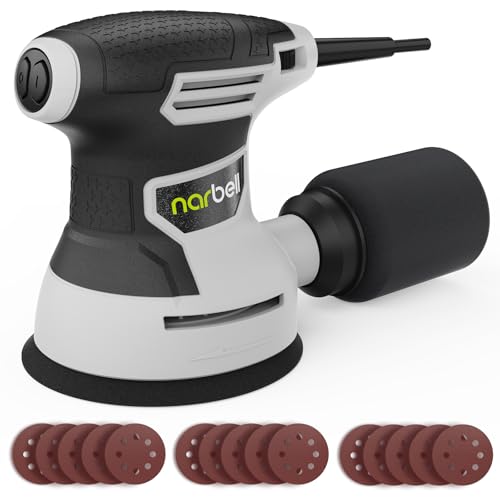
NARBELL Orbital Sander 3.0AMP 5-Inch Palm Sander

Metabo HPT 5-Inch Random Orbit Finishing Sander SV13YST
Electric Drywall Sander 780W 7-Speed Ceiling Tool
A hand sanding block with a 1-inch dust port keeps small jobs neater, especially around trim, cabinets, and bodywork. The hook-and-loop face makes paper changes simple, and the included grits give you a workable spread for rough shaping through finer passes.
Compared with the larger powered picks in this list, this one asks less from your setup and gives you more control at close range. You may like it most in a garage, on drywall patches, or anywhere dust capture matters more than speed.
Strong Points
- Dust collection port helps keep sanding debris moving away from the work area.
- Hook-and-loop backing speeds up sheet swaps between grits.
- Includes five grit steps, so you can move from shaping to smoother finishing.
- Handheld format works well for edges, corners, and smaller repair zones.
Things To Consider
- You still need a compatible vacuum setup for the port to do its best work.
- Hand sanding takes more time than a powered orbital or drywall tool.
- Paper edges can wear faster on rough patches, so keeping extras nearby helps.
Feature Card
Who It Suits Best
DIYers who want a simple sanding block with dust control for spot jobs and finishing passes will get the most from this one.
Where A Sibling Pick Shines
WEN Drywall Sander 6369 suits full-wall sanding far better, especially for someone handling larger sheetrock areas.
This model is built for ceiling lines, tall walls, and other jobs where reach matters more than a palm-size feel. The variable speed range from 600 to 1500 RPM gives you room to slow down for delicate areas or speed up for broader sanding.
The 15-foot hose makes the motor setup easier to keep out of the way, which is useful in rooms where ladders and cords already compete for space. Compared with the POWERTEC block, this is the better move for full-room drywall prep, though it’s much less casual to store and handle.
What We Like
- Long hose reach helps you work farther from the motor housing.
- Variable speed supports a wider range of drywall tasks.
- Hook-and-loop pad keeps sheet changes straightforward.
- Head-mounted 5-amp motor gives the sanding head its own drive, which helps with larger surfaces.
Worth Noting
- Drywall sanders take up more storage room than compact hand tools.
- The longer hose adds drag, so movement can feel less nimble in tight hallways.
- Cleanup around the hose and pad still matters after dusty jobs.
Quick Facts
Who Should Grab It
Home remodelers and drywall finishers who need reach, adjustable speed, and a more dedicated wall-sanding setup will appreciate this tool.
A Better Fit Elsewhere
Protmex Drywall Sander 1000W Ceiling Tool suits someone who wants more extras for overhead work, including LED lighting and a foldable handle.
A belt sander like this makes sense for flattening boards, knocking down rough spots, and handling jobs where speed matters more than a delicate finish. The variable speed control and 10-foot cord give you a little more flexibility than a fixed, bare-bones unit.
The two-in-one vacuum adapter is the practical part here, since belt sanders can throw a lot of dust in a hurry. Compared with the WEN drywall tool, this one is more about wood stock removal than wall prep, and that difference matters in a real workshop.
Highlights
- 7-amp motor gives you enough strength for aggressive sanding tasks.
- 3 x 21-inch belt size covers a useful amount of surface with each pass.
- Variable speed helps you slow down for more controlled work.
- Dust bag and vacuum adapter both support cleaner shop conditions.
- Long power cord helps you move around a bench or project stand with fewer extension-cord swaps.
Areas To Watch
- Belt sanders remove material quickly, so they demand a steadier hand.
- The tool is better for flat or broad surfaces than detailed trim.
- Dust bags need routine emptying, which is part of owning any belt sander.
Spec Overview
Perfect Match For
Woodworkers who need a faster way to level boards and shape larger surfaces will get the clearest benefit from this belt sander.
Look Elsewhere When
Metabo HPT SV13YST is the calmer choice for finishing work, especially for anyone who wants a palm-style random orbit feel instead of a belt.
This Bosch leans toward finish work, not brute-force removal. The 1/4-sheet format is handy for trim, cabinet parts, and general refinishing where you want controlled passes instead of a wide, aggressive footprint.
The 12,000 OPM rating, meaning oscillations per minute, gives you a sense of how quickly the pad moves during sanding. Compared with the Jellas belt sander, this is the smoother choice for surface prep, and the dust collector makes it more comfortable for indoor projects.
Upsides
- 1/4-sheet format suits controlled finishing on smaller wooden surfaces.
- 2-amp motor keeps the tool in a lighter-duty lane that many home shops prefer.
- 12,000 OPM supports steady finish sanding.
- Dust collector helps keep bench-top cleanup more manageable.
Minor Gripes
- Quarter-sheet sanders are slower on big panels than larger format tools.
- The dust collector still needs regular emptying during longer sessions.
- It’s better for finishing than for fast stock removal.
Details At A Glance
Built With In Mind
Detail-focused DIYers and small-shop woodworkers who care more about finish quality than raw removal speed will feel at home with this one.
Another Choice May Suit
NARBELL Orbital Sander 3.0AMP fits a shopper who wants a 5-inch random orbit tool with a dust bag and a broader all-purpose feel.
For ceilings and high wall sections, the folding and extending handle matters just as much as motor power. The LED light helps in dim corners and along surface edges, where shadows can hide rough patches.
This setup has more built-in convenience than the WEN drywall sander, which makes it appealing for a remodeler who wants more visibility and a more flexible reach. The 800 to 2200 RPM range also gives you broader control than a fixed-speed feel.
Bright Spots
- 1000W motor gives the tool a strong sanding base for drywall work.
- Six speed settings let you slow down or step up the pace.
- LED light helps with visibility on ceilings and darker corners.
- Foldable, extendable handle suits taller areas and storage in tighter spaces.
- Vacuum dust collection keeps the setup more practical for indoor renovation.
- Includes 15 sanding discs, which helps you start a project without hunting for extras.
Points To Note
- Larger drywall tools take more room in a closet or garage shelf.
- Overhead sanding still feels like overhead sanding, so weight and balance matter.
- Discs and dust paths need routine attention after long ceiling sessions.
Core Details
Best Suited To
Home renovators tackling popcorn ceilings, high walls, or other broad drywall surfaces will get the most practical value here.
Where Shoppers Go Wrong
POWERTEC Vacuum Sanding Block suits smaller repair work much better, since it stays simpler and easier to store than a full ceiling sander.
A 5-inch palm sander like this sits in the middle ground between detail work and broader surface smoothing. The 6-speed control and 14,000 RPM ceiling give you enough range to handle common woodworking tasks without feeling oversized.
The dust bag and 15 included sanding sheets make it easy to start basic furniture prep or shelf finishing. Compared with the Bosch quarter-sheet sander, this one feels a bit more general-purpose, which is handy in a small home workshop.
Best Bits
- 3.0-amp, 360W motor offers a practical mix of size and output.
- 6 variable speeds help you tune the tool to the job.
- 5-inch format suits common sanding tasks without much fuss.
- Dust bag supports cleaner bench work.
- 15 sanding sheets add useful starter coverage for early projects.
Small Caveats
- Dust bags are helpful, but they need frequent emptying during long work sessions.
- It’s a good all-rounder, though not the most specialized tool in this lineup.
- Random orbit sanding still leaves you with consumable pads to keep on hand.
Feature Rundown
Whose Shelf It Belongs On
General DIYers and hobby woodworkers who want one compact sander for a mix of jobs will get solid mileage from this model.
Swap It Out When
Metabo HPT SV13YST is the smarter match for someone who wants a more established palm-style random orbit sander with a hose connector.
This Metabo HPT model reads like the comfort-first option in the middle of the lineup. The palm-style grip and compact body matter a lot during longer sanding sessions, especially when you’re smoothing cabinet doors, shelves, or other finish surfaces.
The 9,000 to 13,000 RPM range gives you a practical spread for light to moderate work, and the hose connector is a real plus in a shop that already uses dust collection. Compared with the NARBELL sander, this one feels more purpose-built for steady finishing rather than general hobby use.
Positives
- Palm-style grip helps reduce hand fatigue during longer passes.
- Compact and lightweight build is easier to manage overhead or on vertical panels.
- Dust collection hose connector supports cleaner workstations.
- Variable speed makes it easier to match sanding pace to the surface.
- 5-inch size fits common finishing jobs without feeling bulky.
Honest Caveats
- Hose-based dust capture works best when your shop setup already supports it.
- Finishing sanders are not meant for fast material removal.
- The compact design is great for control, but it won’t cover large panels quickly.
Core Details
Right Fit For
Woodworkers who spend time on finish sanding and want a comfortable grip with vacuum hookup support will appreciate this model.
Where Shoppers Go Wrong
Jellas 7Amp Belt Sander is the stronger choice for rougher shaping, since a belt format handles aggressive removal much better.
This is the more fully loaded drywall option in the lineup, aimed at big wall sections and ceiling work. Vacuum dust collection, LED lighting, and a 7-speed control range give it a more complete feature set than the simpler WEN model.
You may find the extra setup worthwhile for remodels that stretch across several rooms, especially where visibility and reach both matter. Against the Protmex pick, it trades some of the large-wand convenience for a more straightforward 780W package.
Reasons To Buy
- Vacuum dust collection supports cleaner drywall sanding sessions.
- 780W motor gives the tool a solid power foundation for wall and ceiling work.
- 7-speed range helps you tune the pace to the surface.
- LED light improves visibility in dim corners and overhead spaces.
- Designed for walls, ceilings, and floors, so it covers more than one renovation zone.
Room For Improvement
- Like most drywall sanders, it takes up more storage room than a compact hand tool.
- Overhead sanding still rewards a steady pace and regular pauses.
- Dust collection systems need care after messy interior work.
Technical Sheet
The Right Fit
DIY remodelers who want a more complete drywall setup for ceilings, broad walls, and indoor renovation work will benefit most here.
Not Your Match When
POWERTEC Vacuum Sanding Block is the simpler pick for quick spot work, since it is easier to store and far less involved.
How To Choose The Right sander with dust extractions
Match The Tool To The Surface
Surface type sets the whole tone. A sanding block or 1/4-sheet tool suits trim, cabinet parts, and touch-up work, while a drywall sander belongs on broad walls and ceilings where reach matters more than finesse.
Belt sanders sit in a different lane, since they remove material quickly and work best on boards, panels, and rough shaping jobs. Random orbit sanders give you a softer finish, which makes them a safer daily choice for woodworking.
Check The Dust Path, Not Just The Tool
Dust collection only helps when the connection matches your setup. A built-in bag is simple, a hose connector suits a shop vacuum, and a dedicated port can make handheld sanding much neater in small rooms.
That trade-off shows up in real use: simpler systems are easier to move, while more complete collection setups usually ask for more hoses, more storage space, and more cleanup of their own.
Pay Attention To Speed And Control
Variable speed matters because different materials respond differently. Lower settings help with careful finish work, while faster ranges fit broader sanding or drywall prep.
Weight and grip matter just as much. A palm-style body helps on longer sessions, while a larger drywall machine can feel tiring overhead, even when the specs look strong on paper.
Think About The Job You Repeat Most
Your regular task should drive the choice. Home repairs and occasional furniture smoothing call for a lighter, more flexible sander, while remodeling work justifies a more specialized drywall unit with better reach and dust control.
The honest read is simple, a tool that fits your most common job will feel better than a bigger machine that only shines once in a while. That’s where the best value usually lives.
What To Weigh Before You Decide
Common Shopping Slip Ups
Many people chase power first and skip the dust path. That usually leads to a tool that sands well but still leaves too much cleanup behind.
Another common miss is choosing the wrong format for the job. A belt sander can be too aggressive for finish work, while a drywall sander feels oversized for small repair patches.
Where The Extra Money Goes
Higher-tier models usually pay for better reach, more stable speed control, or more complete dust handling. You also tend to get comfort upgrades such as better grip design, longer hoses, or added lighting.
Those upgrades matter most on long sessions or larger renovation jobs. For occasional sanding, a simpler model can still make more sense.
Frequently Asked Questions
What type of sander works best with dust collection?
Random orbit sanders and drywall sanders usually pair well with dust control because their designs leave room for ports, bags, or hose connectors. For small detail work, a sanding block with a vacuum port can also keep cleanup down.
Do I need a vacuum for every dust-collection sander?
No, some tools include a dust bag or collector that works on its own. A vacuum hookup usually improves capture, especially on drywall or longer shop sessions.
What grit range makes sense for home projects?
A spread from coarse to finer grits helps you move from shaping to smoothing without swapping to a different tool. The POWERTEC block shows that a multi-grit kit can cover a lot of routine tasks.
Are drywall sanders hard to handle overhead?
They can feel tiring because the weight sits above your head and the reach is longer. A foldable handle, lighter body, or better balance makes a real difference during ceiling work.
Which pick is easiest to store in a small garage?
The POWERTEC Vacuum Sanding Block takes the least space by far. Compact orbital sanders like the NARBELL or Metabo HPT also store more easily than full drywall machines.